


Petrochemical & Petroleum Testing Equipment
Torontech is a globally recognized specialist in petroleum and petrochemical testing instruments, supplying standards-compliant analytical equipment to refineries, trading terminals, independent testing laboratories, research institutions, and government inspection agencies on every continent. Our petrochemical and petroleum testing equipment portfolio represents one of the most comprehensive collections of petroleum analytical instruments available from a single, dedicated supplier — spanning every major test category, standardized method, and product application encountered in the modern petroleum industry.
The global petroleum industry operates under some of the most demanding quality and regulatory requirements of any sector. Every petroleum product — from crude oil at the wellhead to the final liter of fuel dispensed into a vehicle — must be verified against internationally recognized specifications before it can be safely stored, transported, traded, or used. These specifications encompass physical properties, volatility, stability, viscosity, elemental composition, lubrication performance, and a host of application-specific parameters that together define product identity, safety, and commercial value.
Torontech's response to this challenge is a fully integrated portfolio of more than 200 instruments organized across five core testing technology categories and thirteen specialized application-specific product lines. Whether your laboratory needs a single instrument for a specific test method or a complete turnkey analytical facility equipped for every mandatory quality parameter, Torontech has the expertise, the product range, and the global support network to deliver — and to keep your instruments performing at specification throughout their service life.
Why Choose Torontech for Your Petrochemical & Petroleum Testing?
Torontech's position as a trusted petroleum testing equipment specialist is built on five pillars that no general-purpose laboratory instrument supplier can match:
1. The Most Complete Petroleum Testing Portfolio Available
With more than 200 instruments spanning physical properties, volatility and stability, viscosity and low-temperature performance, elemental and composition analysis, and lubrication and tribology — plus thirteen application-specific product lines covering every major petroleum product category from crude oil to engine coolant — Torontech provides broader petroleum testing coverage from a single supplier than any competitor in the market. This means simplified procurement, unified technical support, and the confidence that whatever test method your specification requires, Torontech has the instrument.
2. Standards-First Engineering — ASTM, IP, ISO, EN, and Beyond
Every instrument in Torontech's petroleum testing portfolio is designed, validated, and documented for compliance with the international test standards that govern petroleum product quality worldwide. From ASTM D93 flash point and ASTM D445 kinematic viscosity through ASTM D3241 JFTOT thermal oxidation stability, EN 14112 biodiesel Rancimat oxidation stability, and ISO 8217 marine fuel compliance — Torontech instruments produce results that are accepted by trading counterparties, regulatory bodies, and certification agencies in every major petroleum market. Standards compliance is not an afterthought at Torontech — it is the starting point of every instrument design.
3. Scalable Automation for Every Laboratory Size and Budget
Torontech understands that a rural bottling plant LPG laboratory has fundamentally different throughput, budget, and staffing requirements compared to a major refinery quality laboratory or an independent petroleum testing institute. That is why nearly every critical test parameter in the Torontech portfolio is available at multiple levels of automation — from straightforward manual instruments that any trained technician can operate, through semi-automatic instruments that handle the most time-critical process steps automatically, to fully automatic, unattended systems that can process dozens of samples per shift with minimal operator intervention. You choose the level of automation your laboratory needs today, and upgrade as your throughput grows.
4. Application-Specific Expertise — Not Just Generic Instruments
Torontech's petroleum testing instruments are not general-purpose laboratory equipment adapted for petroleum use. They are purpose-designed and application-validated instruments — the LPG testing portfolio is engineered specifically for pressurized gas sample handling; the aviation fuel testing range addresses every mandatory parameter in DEF STAN 91-091 and ASTM D1655; the biofuels portfolio is mapped to EN 14214 and ASTM D6751 from the ground up; the marine testing range is aligned with ISO 8217 and IMO 2020 sulfur cap requirements. This application-specific approach means that when you choose a Torontech instrument, you are not just buying hardware — you are buying a validated, ready-to-use solution for your specific petroleum product and test method.
5. Global Technical Support and Long-Term Partnership
A petroleum testing instrument is only as valuable as its uptime. Torontech's global technical support network — spanning installation, operator training, method validation, calibration services, preventive maintenance, and spare parts supply — ensures that your investment in Torontech instruments delivers value throughout the instrument's service life. Our application specialists have deep, specialist-level petroleum testing knowledge, and our customer support teams are experienced in supporting laboratories through ISO/IEC 17025 accreditation, regulatory audits, and new product qualification programs. When you choose Torontech, you are choosing a long-term technical partner, not just an equipment vendor.
Discover how Torontech can elevate your petrochemical and petroleum testing processes. Browse our product categories and find the perfect equipment tailored to your specific requirements. Contact us today for more information and to request a quote.
Petrochemical Testing Equipment | Available Products
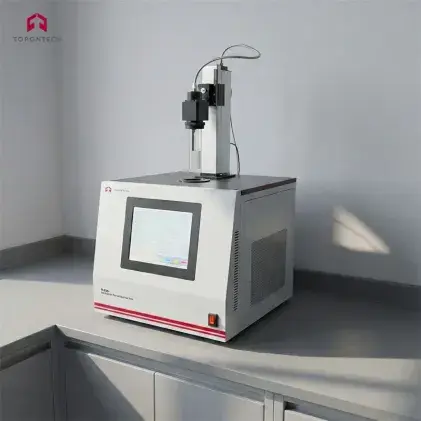
Lubrication Oil Testing Equipment
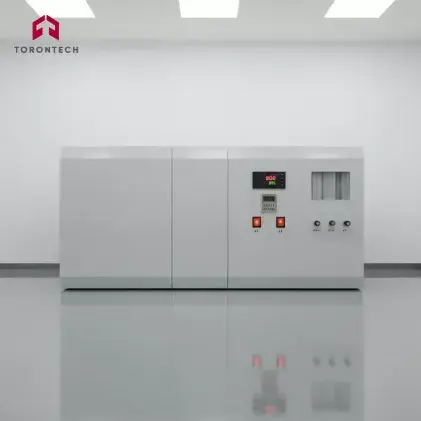
Sulfur Testing Equipment for Petroleum Products
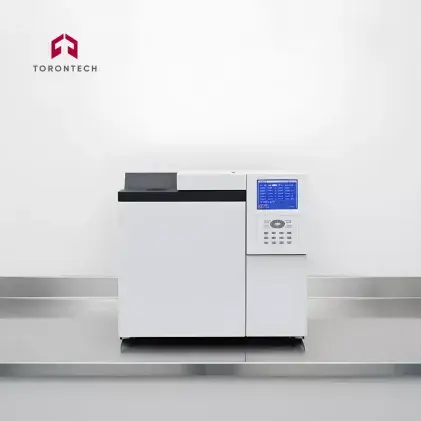
Petrol & Gasoline Testing Equipment
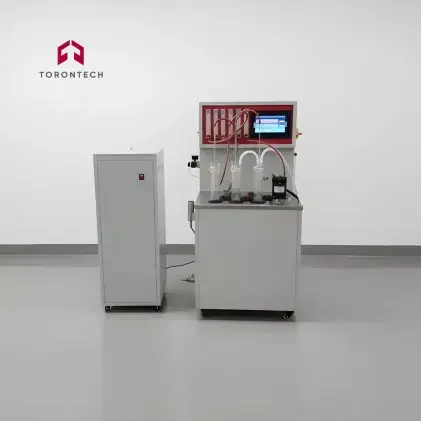
Diesel Fuel Testing Equipment
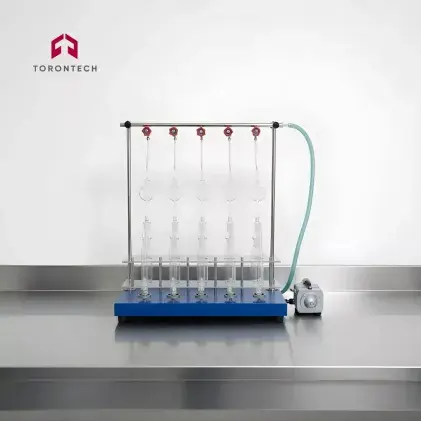
Crude Oil Testing Equipment
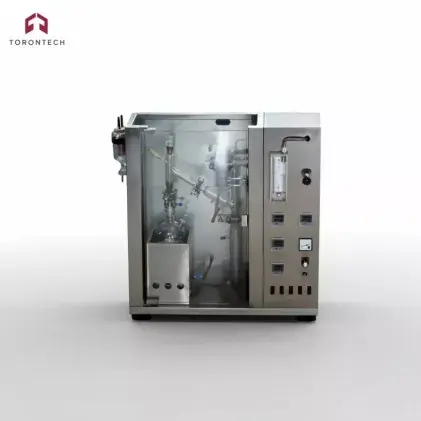
Asphalt and Bitumen Testing Equipment
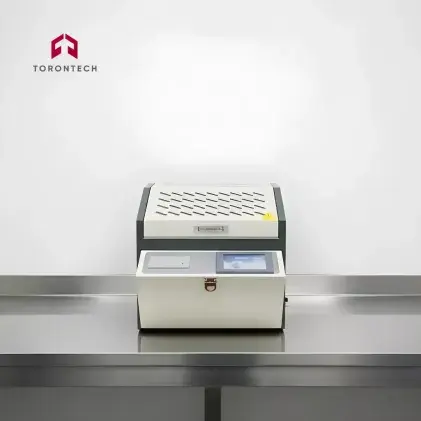
Transformer Oil Testing Equipment
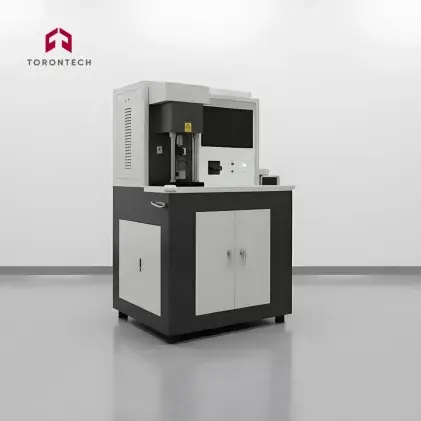
Tribology & Wear Testing Equipment for Petrochemical Products

Aviation Fuel Testing Equipment
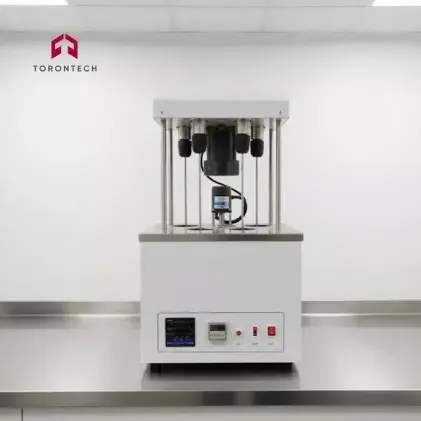
Marine Lube Testing Equipment
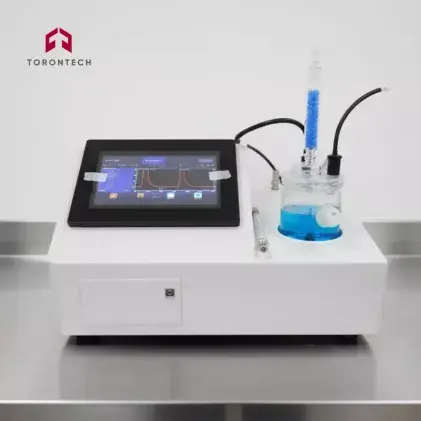
LPG / LNG / Natural Gas Testing Equipment
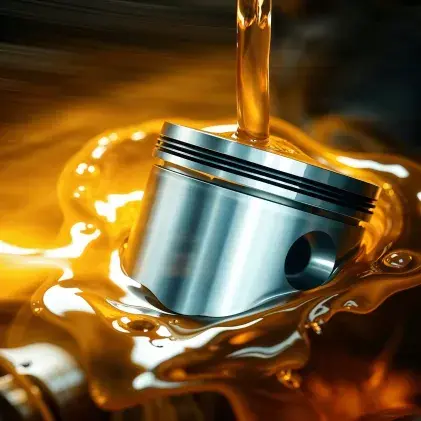
Grease Testing Equipment
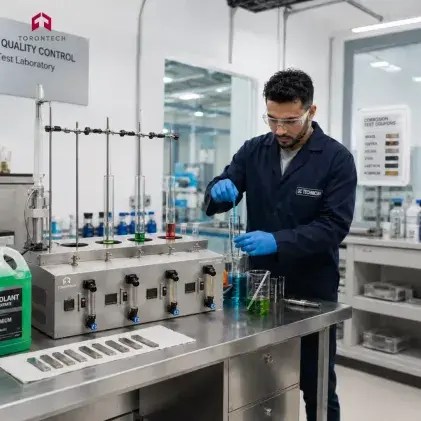
Corrosion Testing Equipment for Petroleum, Oils & Coolants
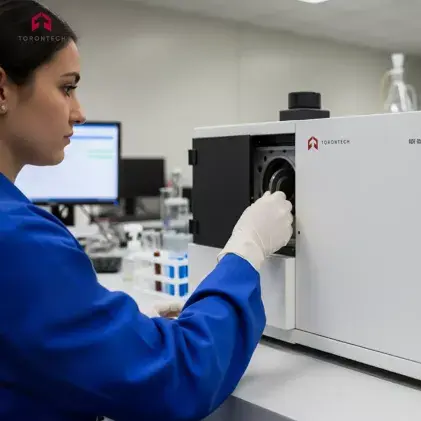
Wear Particle Analysis Equipment for Petroleum Oils
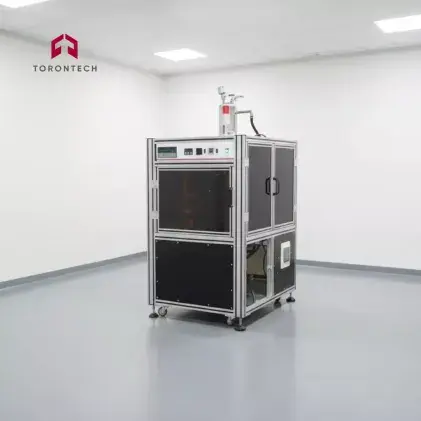
Brake Fluid & Engine Coolant Testing Equipment
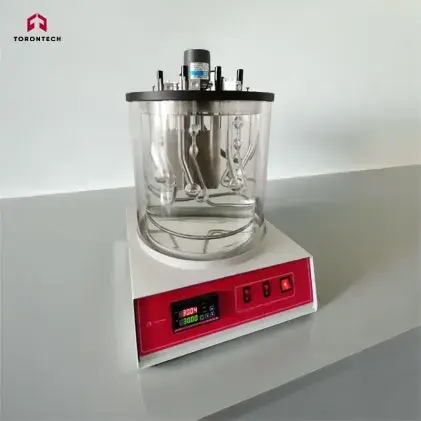
Biofuel Testing Equipment
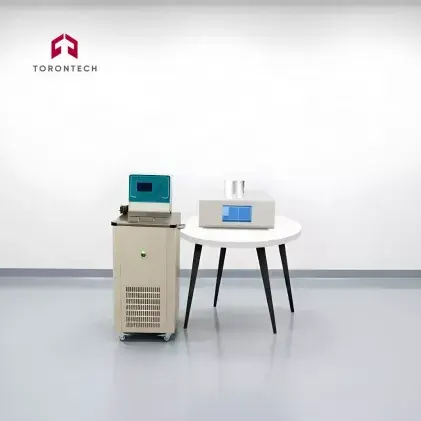
Petroleum Wax Testing Equipment
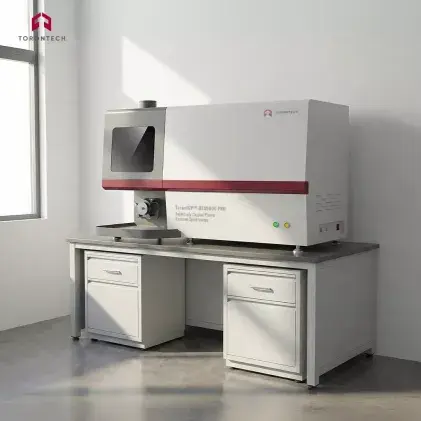
Spectroscopic and Chromatographic Equipment for Petroleum
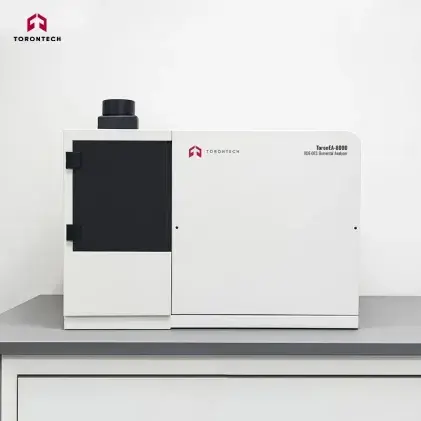
RDE-OES Rotating Disc Electrode Optical Emission Spectrometers
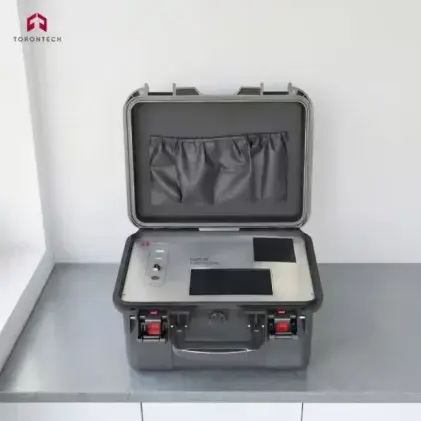
Liquid and Oil Particle Counter
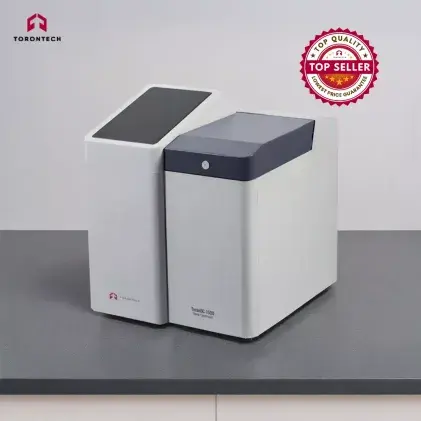
Bomb Calorimeter
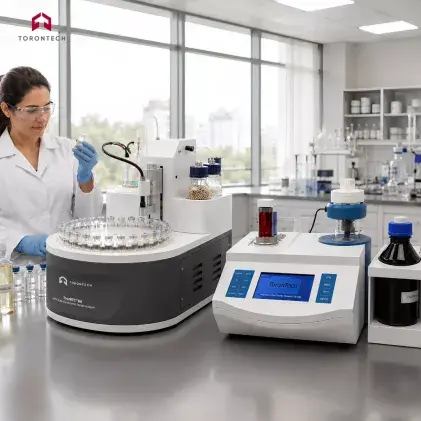
General Petrochemical Laboratory Instruments
Related Articles
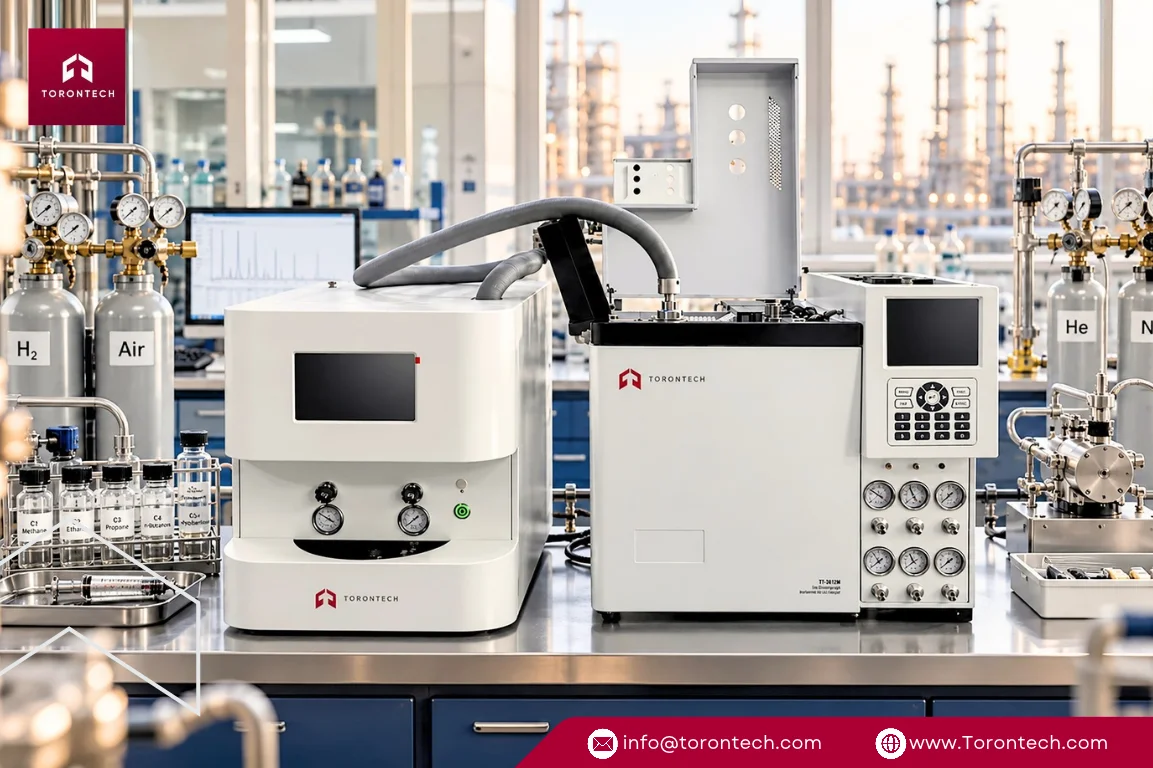
FID vs TCD: Complete Gas Chromatography Detector Guide
Purchasing an unconfigured gas chromatograph and building standard fuel methods from scratch is an expensive operational trap. While columns separate volatile compounds, the detector dictates your measurement accuracy, detection limits, and regulatory compliance. Choosing incorrectly among the diverse types of gas chromatography detectors risks baseline drift and wasted testing hours.We believe analytical laboratories deserve pre-configured systems that eliminate integration friction and deliver compliant data immediately. Review our technical comparison below to identify the optimal…

Gas Chromatography vs HPLC: Key Differences and Uses
Purchasing the wrong analytical instrument drains capital and creates painful testing bottlenecks.While both platforms deliver reliable trace detection, deciding on GC vs HPLC comes down to whether your target molecules can vaporize without breaking down under heat. Matching your sample to the right separation mechanism protects your operational budget and eliminates compliance headaches.Here is a direct breakdown of technical mechanics, operational expenses, and application benchmarks to help you select the ideal platform for your laboratory.Key TakeawaysCore Selection Rule: Gas…
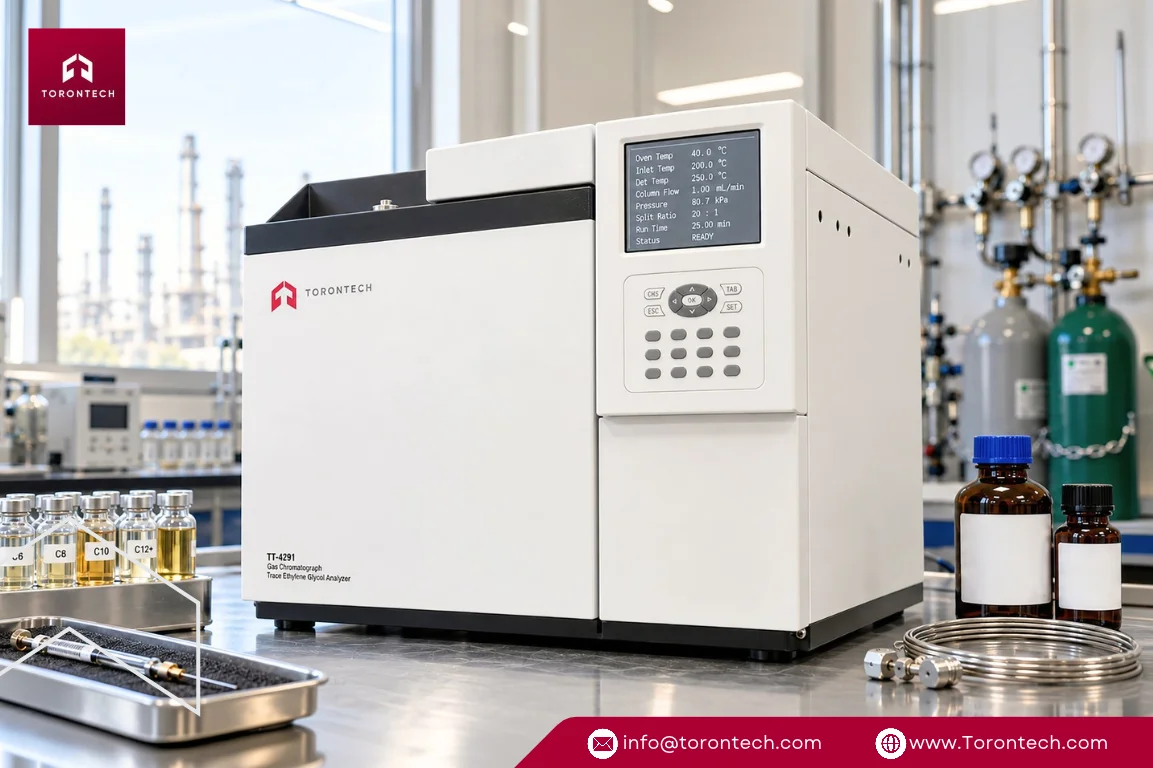
Gas Chromatography Oil and Gas: Dedicated Lab Guide
Committing capital to an unconfigured instrument frame that demands months of bench-side modifications strains operational budgets. Wellheads, transmission pipelines, and refineries cannot risk baseline drift or contested settlement figures.Rather than settling for bare-bones platforms that burden internal chemists with trial-and-error plumbing, testing facilities require factory-configured systems that generate audit-ready data from day one. This guide provides an actionable technical framework for evaluating and selecting analytical systems in gas chromatography oil and gas operations.Key…
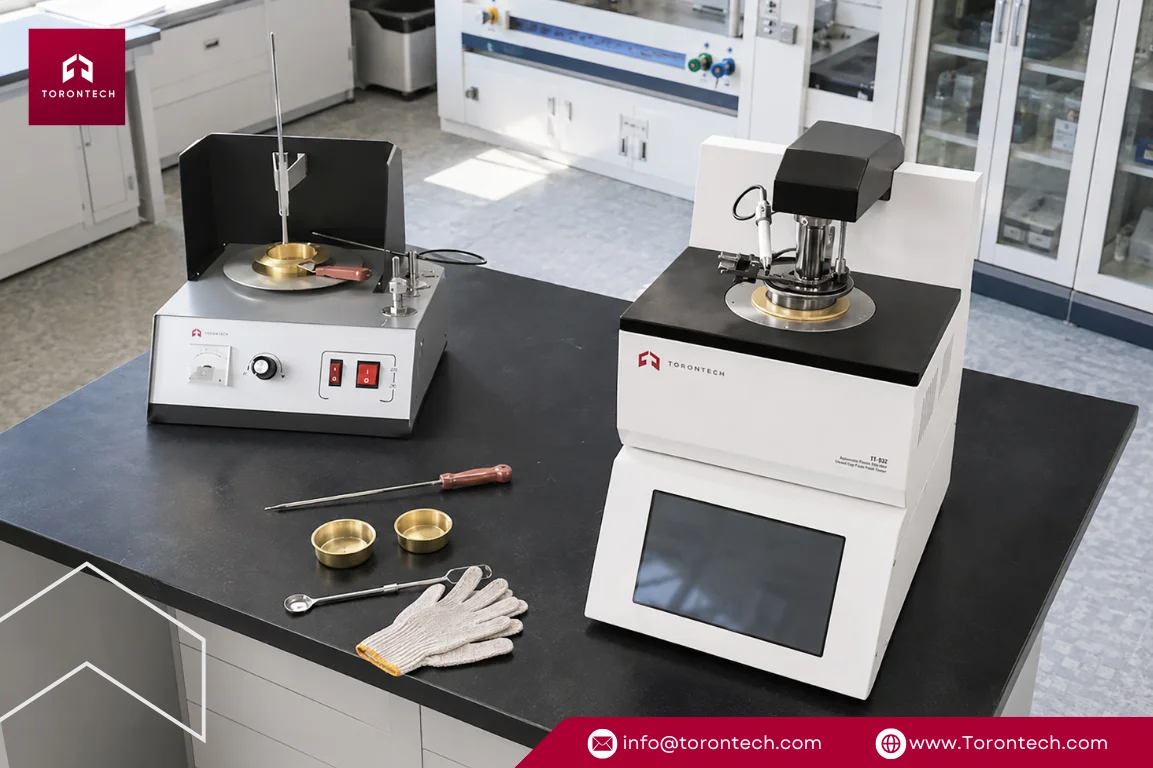
Automatic vs Manual Flash Point Tester Comparison
A single uncontained vapor ignition can halt plant operations and trigger severe regulatory penalties. Whether complying with EPA RCRA rules (the 140°F / 60°C ignitability threshold) or US DOT, Transport Canada, and OSHA safety mandates, lab directors face a critical crossroads: choosing between a manual vs automatic flash point tester.While manual units offer lower initial purchase prices, automated systems deliver statistically equivalent precision while cutting direct testing labor by up to 80%. This guide evaluates the automatic vs manual flash point tester dynamic to help you select the…
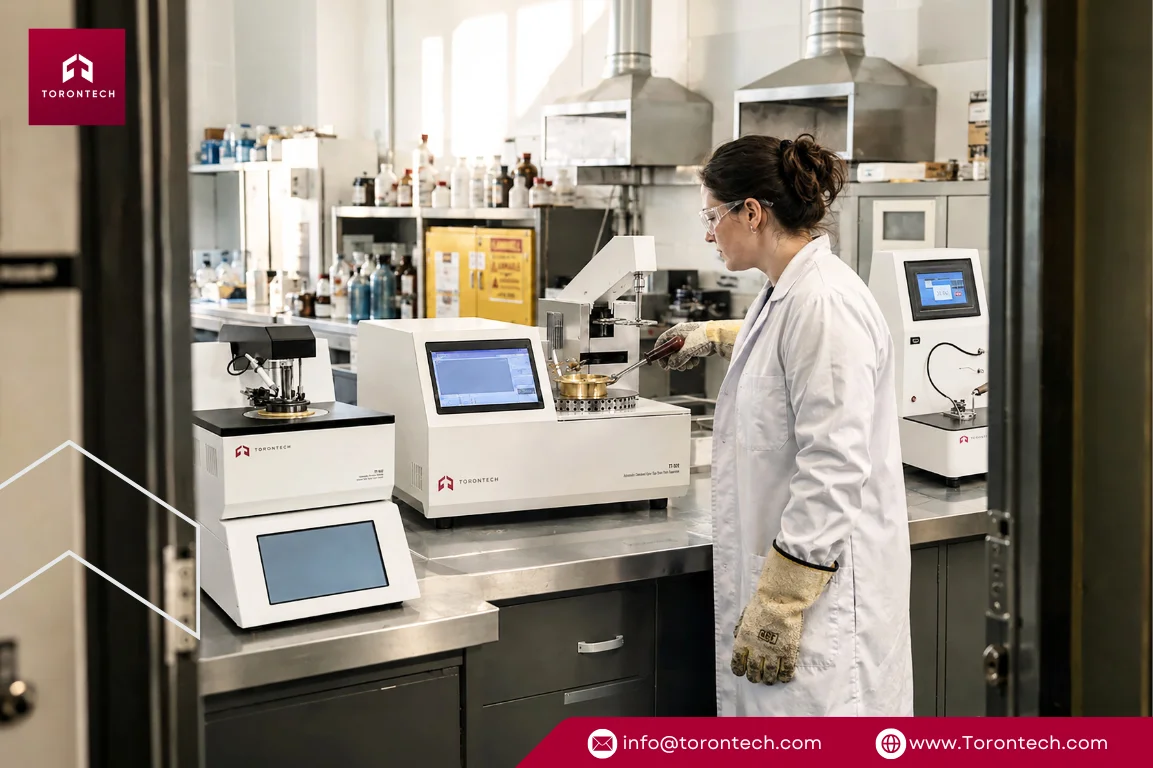
ASTM D92 vs D93 vs D56: Ultimate Flash Point Guide
A misclassified flash point measurement can halt fuel shipments and compromise workplace safety. Selecting between test methods often creates confusion because cup geometries, heating profiles, and viscosity limits vary significantly. Matching the right standard to your liquid sample ensures accurate flammability ratings and compliant shipping documentation. This guide comparing ASTM D93 vs D92 vs D56 breaks down their core technical differences and applications so you can configure your testing bench with confidence.Quick Comparison of Core StandardsFeature / ParameterASTM D92 (…
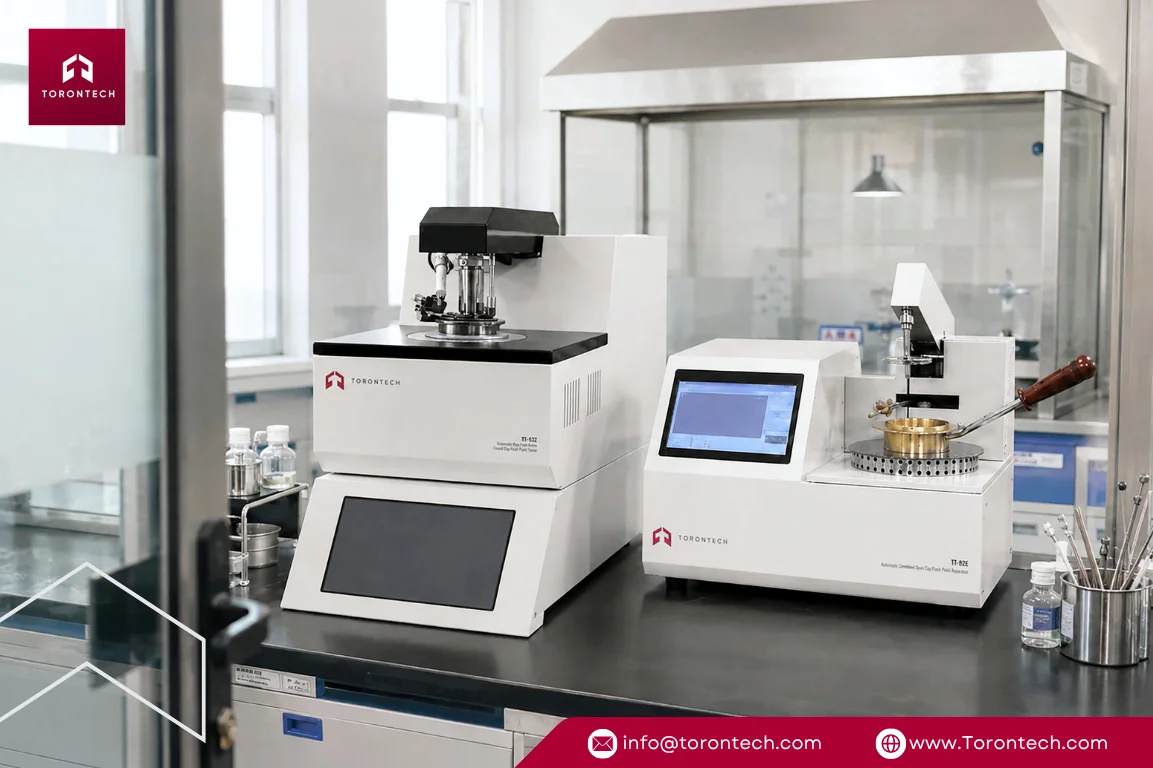
Closed Cup vs Open Cup Flash Point: Lab Selection Guide
Achieving flammability precision and regulatory compliance is straightforward when you pair fluid samples with the right testing equipment. Because flash points are apparatus-dependent variables, choosing between closed cup vs open cup flash point methods directly optimizes your accuracy, workplace safety, and testing productivity.Review our comparison matrix below to instantly see whether flash point closed cup vs open cup hardware best serves your facility!Direct Comparison: Flash Point Open Cup vs Closed CupWhen evaluating flash point open cup vs closed cup techniques for your laboratory…
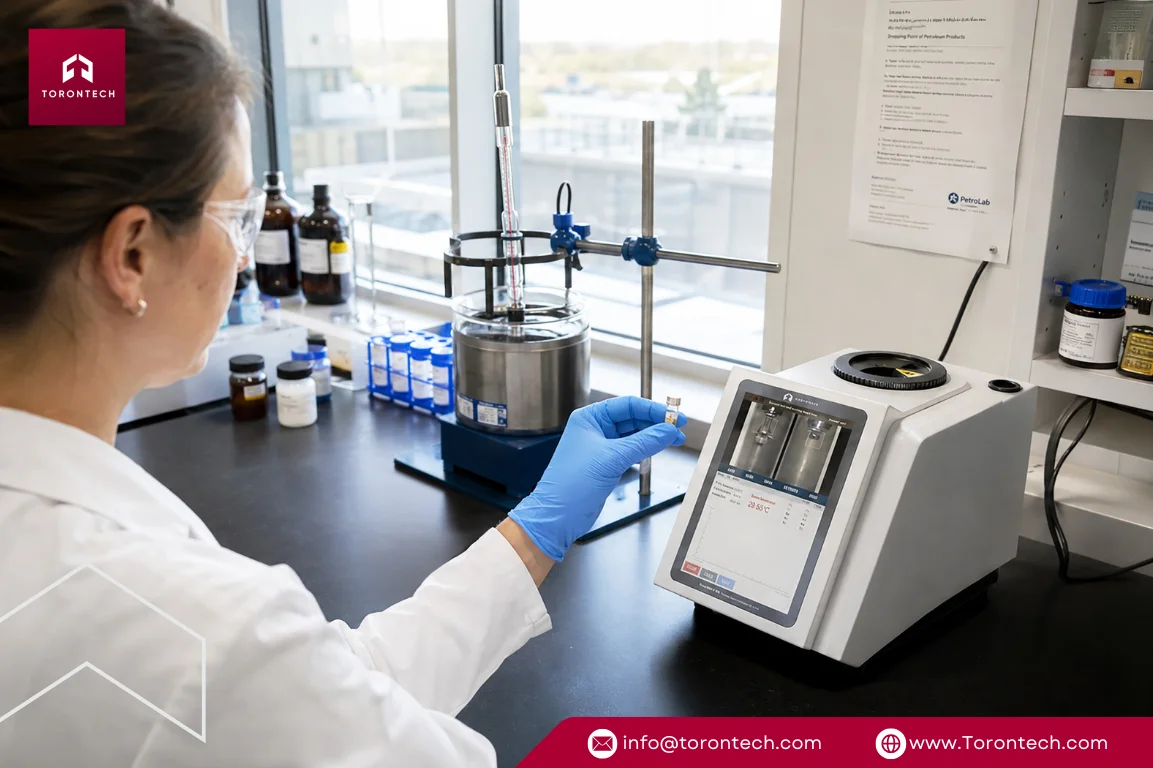
Manual vs Automated Dropping Point Testers Comparison
Is your quality control laboratory losing valuable technician hours to manual bench monitoring? Relying on continuous visual observation over glass heating tubes introduces operator fatigue, parallax errors, and non-traceable logbooks.Automated testing apparatuses eliminate human bias through objective electronic sensing, delivering reproducible data and walk-away labor efficiency. In this buyer’s guide, we compare manual vs automated dropping point testers and automated vs manual dropping point testers across precision, compliance, and total cost of ownership to help you choose the right…

BOCLE vs HFRR: Guide to Fuel Lubricity Testing
Engine life starts with top-tier fuel slipperiness, and we are seeing a massive industry push for testing protocols that truly guarantee long-term hardware safety. Getting the absolute right data means choosing between progressive wear models and sudden seizure models. This guide breaks down the Ball on Cylinder vs High Frequency Reciprocating Rig to help you pick the most professional, cost-effective path for your specific laboratory.Quick-Reference Comparison: BOCLE vs. HFRRFeatureBOCLE TT-5001HFRR TT-6079Primary Target FuelJet Fuel / Aviation SpecialtiesDiesel and Middle…

HFRR Lubricity Test: ASTM D6079 & ISO 12156-1
Ultra-Low Sulfur Diesel is a bit of a mechanical gamble. While it is wonderful for the air we breathe, the heavy-handed chemical scrubbing that removes sulfur also yanks out the naturally oily bits that keep fuel pumps from grinding into metallic dust.In our view, HFRR testing isn’t merely an administrative checkbox. It is the only way to guarantee your fuel is satisfyingly slick and engine-safe. Let’s look at why the HFRR lubricity test is the absolute backbone of top-tier fuel quality.Key TakeawaysThe ULSD Tradeoff: Chemical scrubbing removes naturally oily compounds, making precise…

Guide to BOCLE Lubricity Test & ASTM D5001 Standards
Is your jet fuel losing its "slickness"? As global refining standards strip away natural lubricants, the risk of metal-on-metal grinding and engine failure has never been higher. At Torontech, we have seen that the margin for error in testing is now incredibly thin. Protecting your expensive aerospace hardware starts with a firm grip on the ASTM D5001 BOCLE test. This guide breaks down the essential method for keeping your fuel certifications accurate and your aircraft safely in the air.Key TakeawaysHeavily processed aviation fuels lose their natural lubrication, increasing the risk…

Liquid & Oil Particle Counters: Lab vs Portable vs Online?
Microscopic contaminants in your industrial fluids are a primary cause of premature equipment failure. A proactive maintenance strategy requires knowing the precise condition of your fluids before a breakdown occurs, and that means choosing the right tool for the job.You have three main options: a laboratory-grade machine, a grab-and-go portable unit, or a permanently installed online sensor. The choice among these systems ultimately depends on the application context, balancing accuracy, portability, and real-time monitoring needs.Here is a straightforward comparison to help you determine…

The Root Cause of Hydraulic Failure & How to Stop It
Achieving consistent uptime is easier than most people think. We believe that reliability isn't a matter of luck. It is a strategic choice. For any facility manager, the goal is to create an operation where a catastrophic hydraulic failure is a rare exception rather than the rule.We’ve seen firsthand that the difference between a struggling plant and a profitable one often comes down to how they handle their hydraulic health. Let’s look at the invisible factors that lead to hydraulic failure and the smart technology that puts you in the driver’s seat.Key TakeawaysContamination is the…

Optical Light Blocking vs Pore Blockage: Which is Best?
Are you getting the full story on your fluid contamination? For years, reliability teams have relied on two main technologies.On one side is the traditional pore blockage particle counting method. On the other is the modern optical method using light-based detection principles such as light extinction.If your team is considering a pore blockage particle counter, it is critical to understand the differences. We believe one method provides a guess while the other delivers the certainty you need to prevent catastrophic failures.Key TakeawaysAccuracy Over Estimation: Pore blockage counters…
