


Spectroscopy and Spectrometry Instruments
Spectroscopy is used as a tool for studying the structures of atoms and molecules. The large number of wavelengths emitted by these systems makes it possible to investigate their structures in detail, including the electron configurations of ground and various excited states.
Spectroscopy also provides a precise analytical method for finding the constituents in material having unknown chemical composition. In a typical spectroscopic analysis, a concentration of a few parts per million of a trace element in a material can be detected through its emission spectrum.
Torontech offers a competitive range of Spectroscopy Instruments as well as Spectrometers such as XRF / XRD Analyzers, AAS Atomic Absorption Spectrometers, OES Optical Emission Spectrometers, FTIR, Carbon Sulfur Analyzers, UV-VIS Spectrometers as well as Color Spectrophotometers.
Spectroscopy and Spectrometry Instruments | Available Products
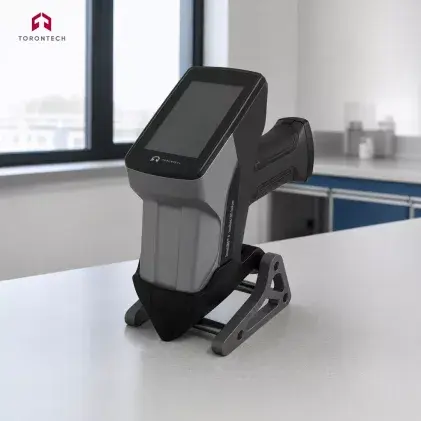
Handheld LIBS Analyzers
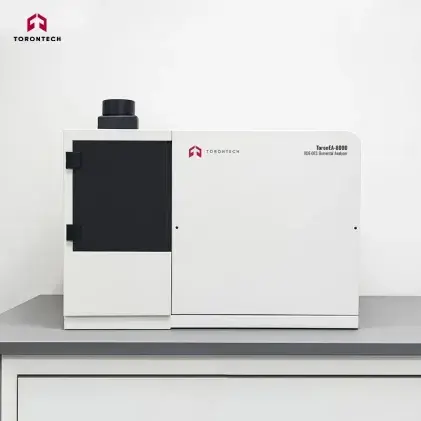
RDE-OES Rotating Disc Electrode Optical Emission Spectrometers
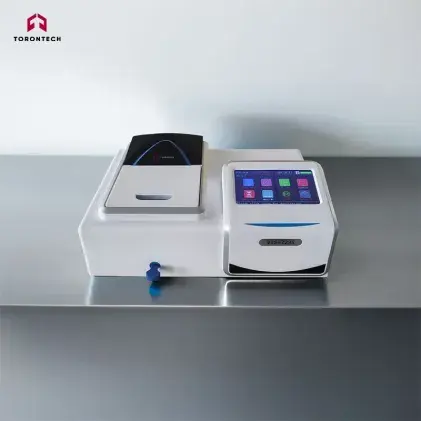
UV-VIS Spectrophotometers – ToronUV-VIS™ Series
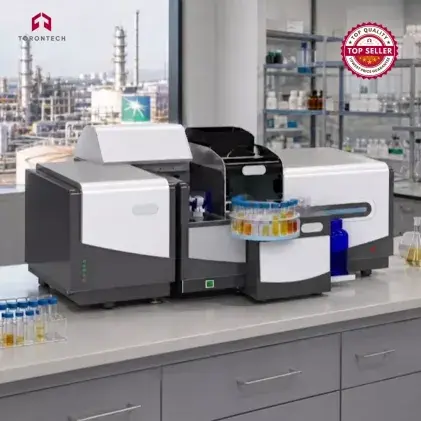
AAS - Atomic Absorption Spectrometer
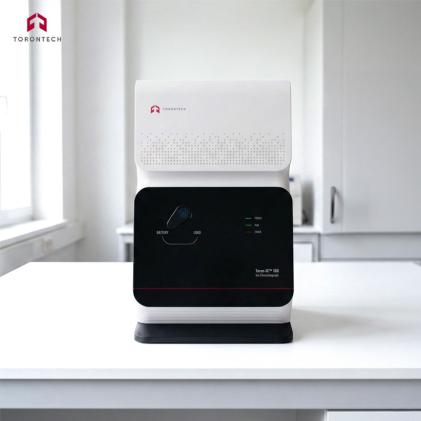
Ion Chromatograph - Ion Chromatography System
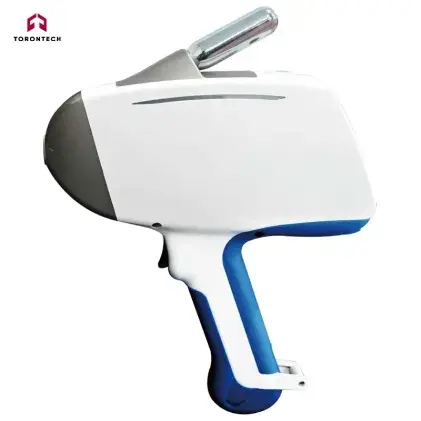
LIBS Analyzer TT-LIBS-C
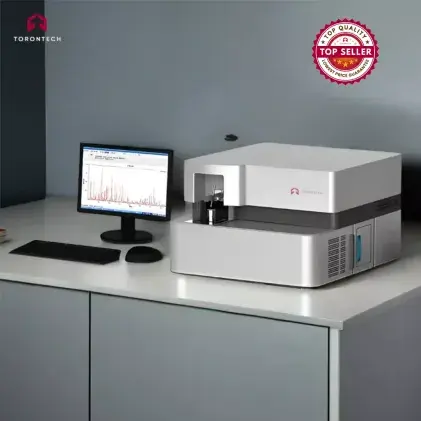
OES Optical Emission Spectrometer
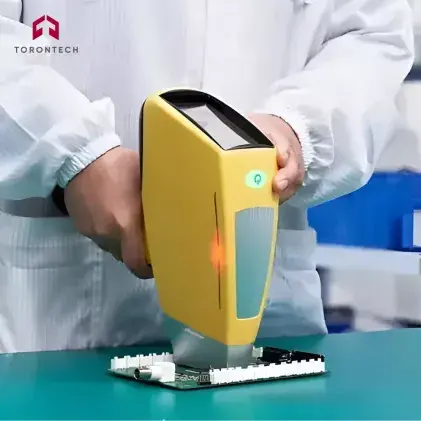
XRF And XRD Analyzers
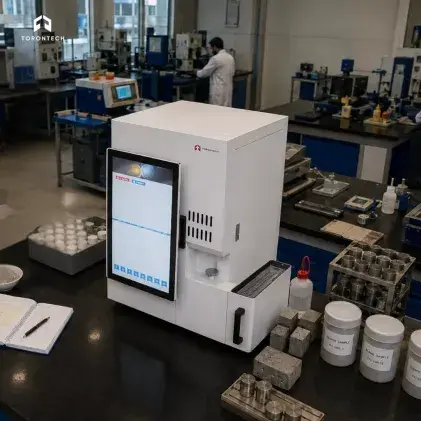
Carbon and Sulfur Analyzer
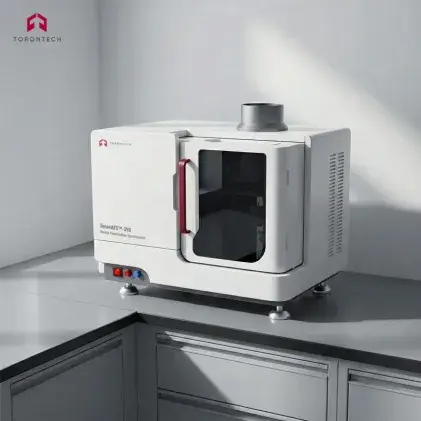
Atomic Fluorescence Spectrometer
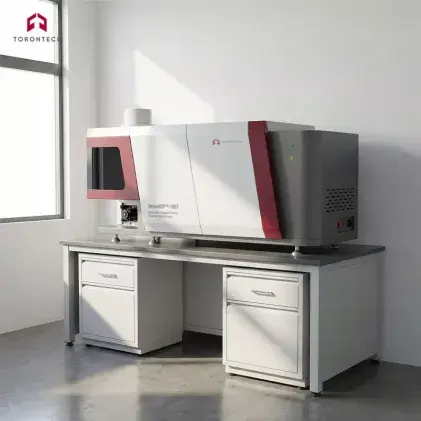
Inductively Coupled Plasma Emission Spectroscopy (ICP-OES)
Related Articles
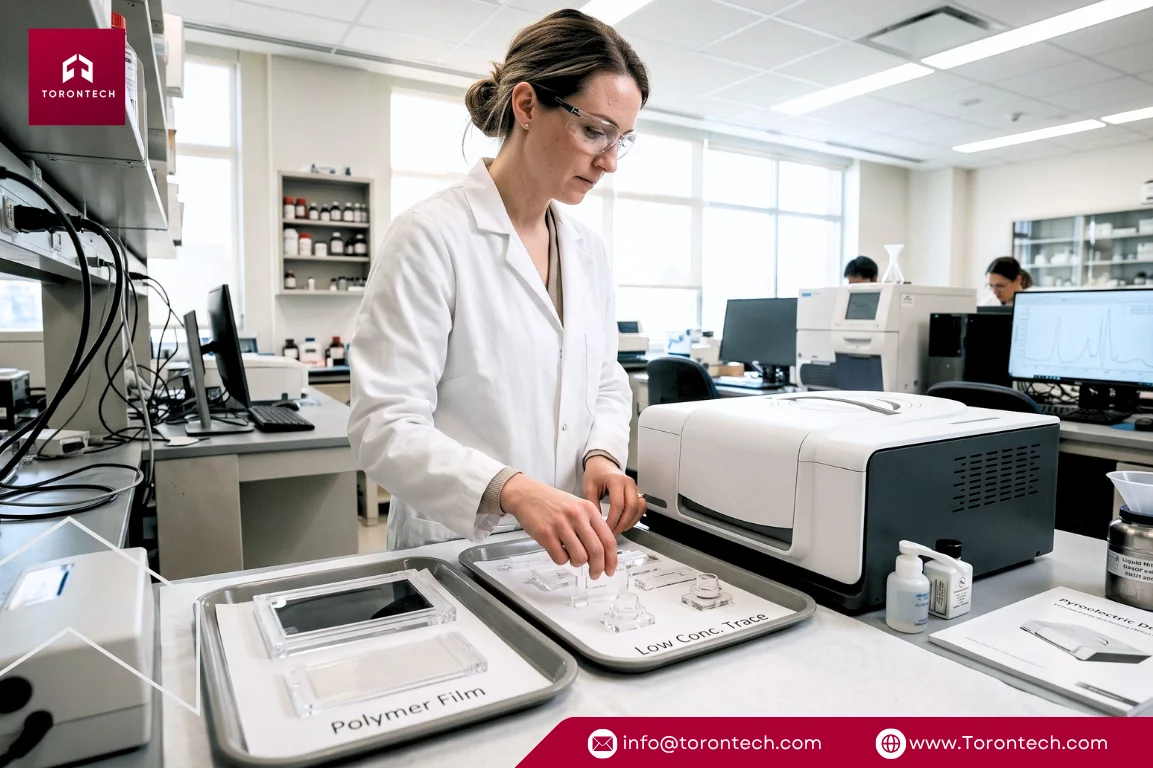
How to Choose FTIR Detectors: Pyroelectric vs MCT
Matching the wrong sensor to your FTIR optical bench quickly drains equipment budgets and leads to persistent baseline noise. Selecting the right detector requires balancing spectral range, sensitivity, and measurement speed across thermal (DLATGS) and quantum (MCT) detector families.Here is our direct comparison of pyroelectric (DLATGS) vs. MCT performance, sampling interface compatibility, and 5-year operating costs to help you select the ideal spectrometer configuration.Key TakeawaysDLATGS for Routine Workloads: Delivers broad spectral reach (7,800 to 350 cm⁻¹) and high photometric…
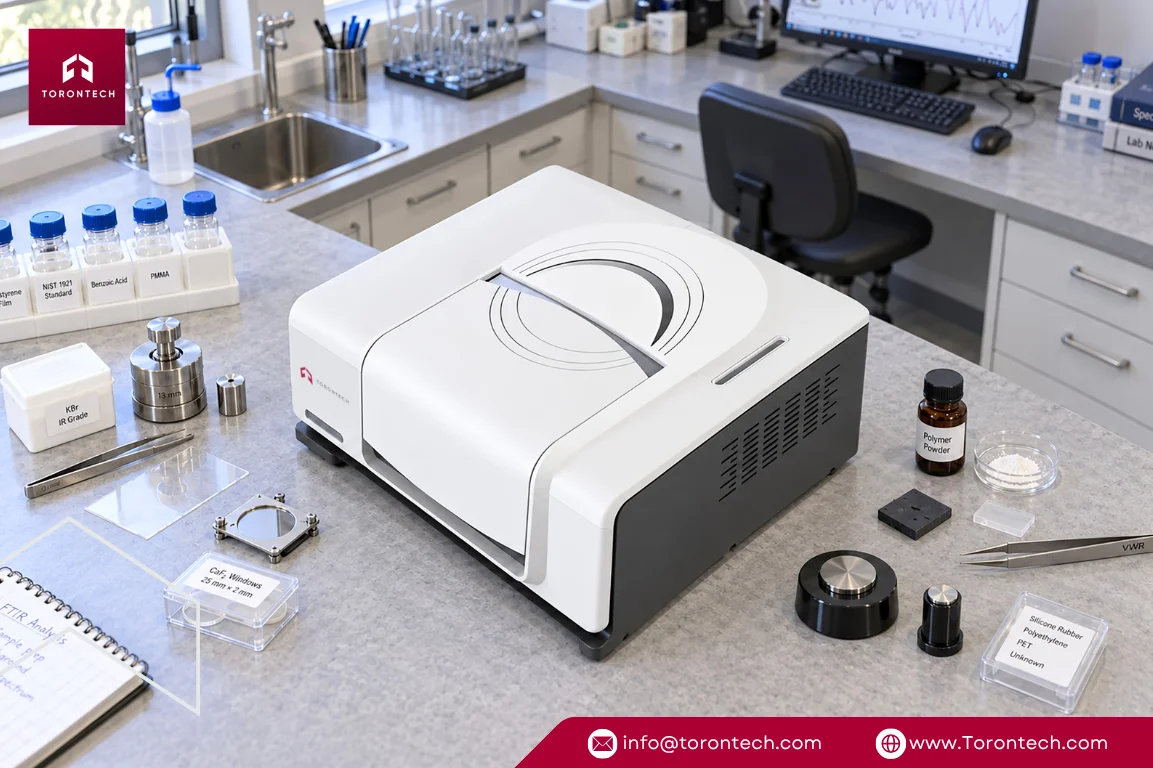
Transmission vs ATR FTIR: Choosing the Right Lab Setup
Is slow sample preparation creating a bottleneck in your testing schedule? The core issue often hinges on your choice between ATR vs transmission FTIR. While modern ATR eliminates pellet pressing for fast solid screening, classical transmission provides the baseline standard for quantitative assays and gas analysis. We broke down the optical mechanics, operating costs, and application fits below to help you configure the right setup for your bench.Key TakeawaysSample Preparation and Speed: ATR evaluates solids, liquids, and intact parts directly in seconds, reaching 40 to 60 samples per…

Benchtop vs Portable FTIR: Equipment Selection Guide
Buying a stationary lab spectrometer for simple loading dock checks wastes capital, while using a compact scanner for complex chemical research creates instant operational friction.Deciding on benchtop vs portable FTIR instrumentation comes down to matching optical precision, testing speed, and lifecycle costs to your daily workflow. This guide breaks down the core technical differences and peer-reviewed benchmarks to help you choose the right configuration for your facility.Key TakeawaysBenchtop Analytical Precision: Stationary systems deliver superior signal-to-noise ratios and broad…
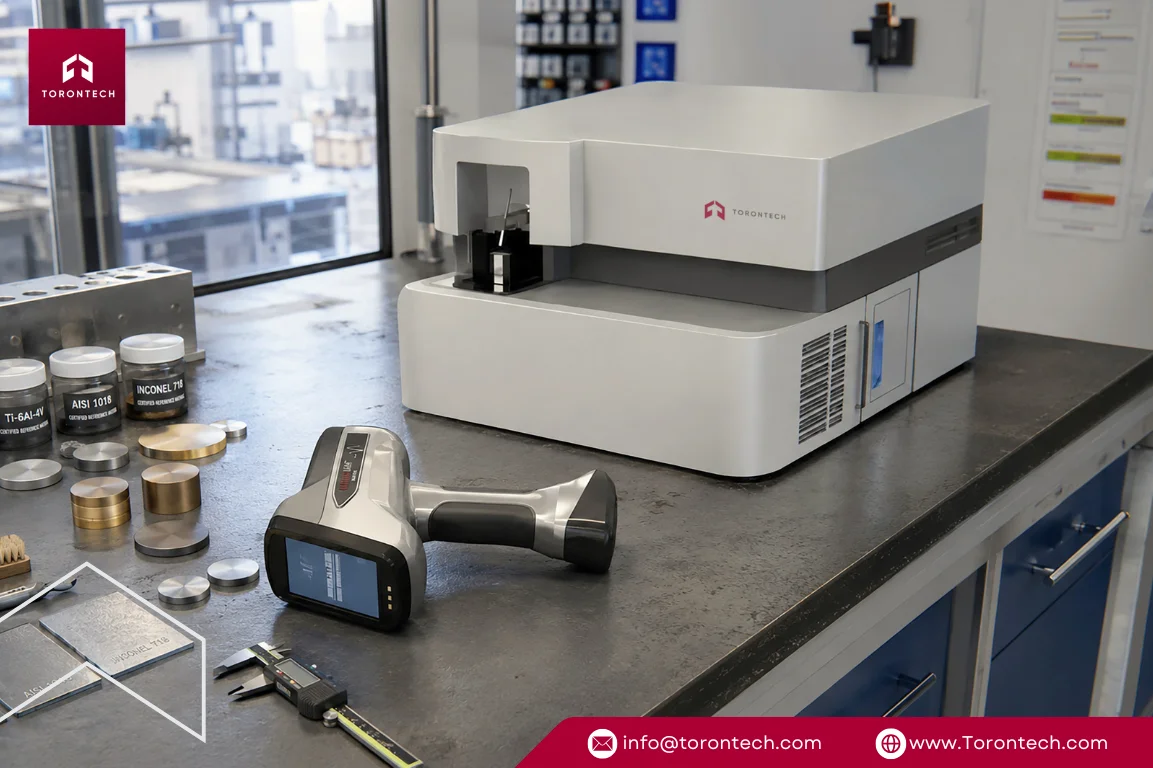
LIBS vs OES: Comparative Guide for Material Testing
Are you ready to maximize your profit margins with instant, highly accurate metal analysis? While LIBS is technically an optical emission spectroscopy branch, practitioners typically evaluate libs vs oes as separate practical tools. This comparative OES vs LIBS guide highlights key trade-offs to help your facility invest in the most cost-effective machine. Let us look first at how they stack up:FeatureLIBS (e.g., ToronLIBS™ V & P Series)OES (e.g., Torontech TT-OES9000)Portability and Form FactorUltra-lightweight (1.25 kg to 1.77 kg), battery-operated handheld deviceStationary…
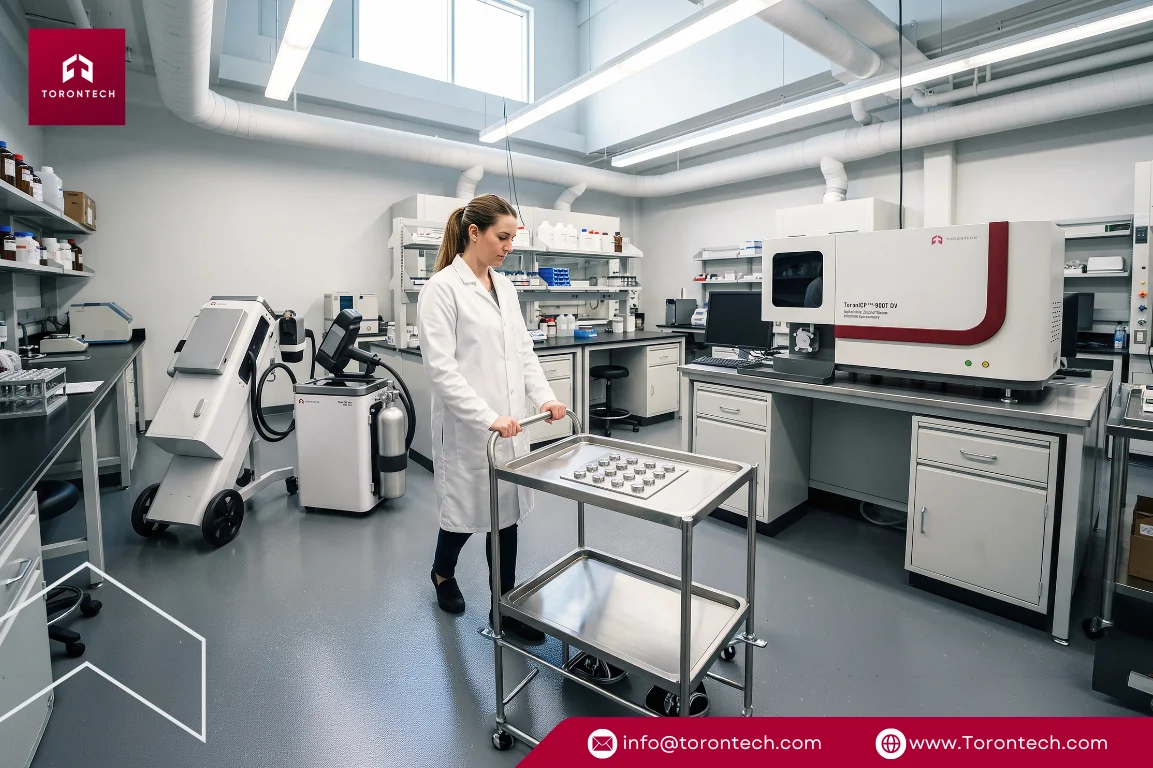
Comparing Spark OES vs ICP OES for Your Laboratory
Achieving pristine chemical verification on your production floor is the fastest route to maximizing yield and securing long-term profitability. For busy foundries and testing laboratories, Spark OES and ICP-OES stand out as the premier methods for elemental analysis.Selecting the right instrument guarantees flawless quality control, keeps production lines moving on time, and protects your capital budget. To help you choose, we have compared spark oes vs icp oes so you can secure the ideal spectrometer for your operations.Technical Comparison: Spark OES vs ICP-OESFeatureSpark OESICP-…
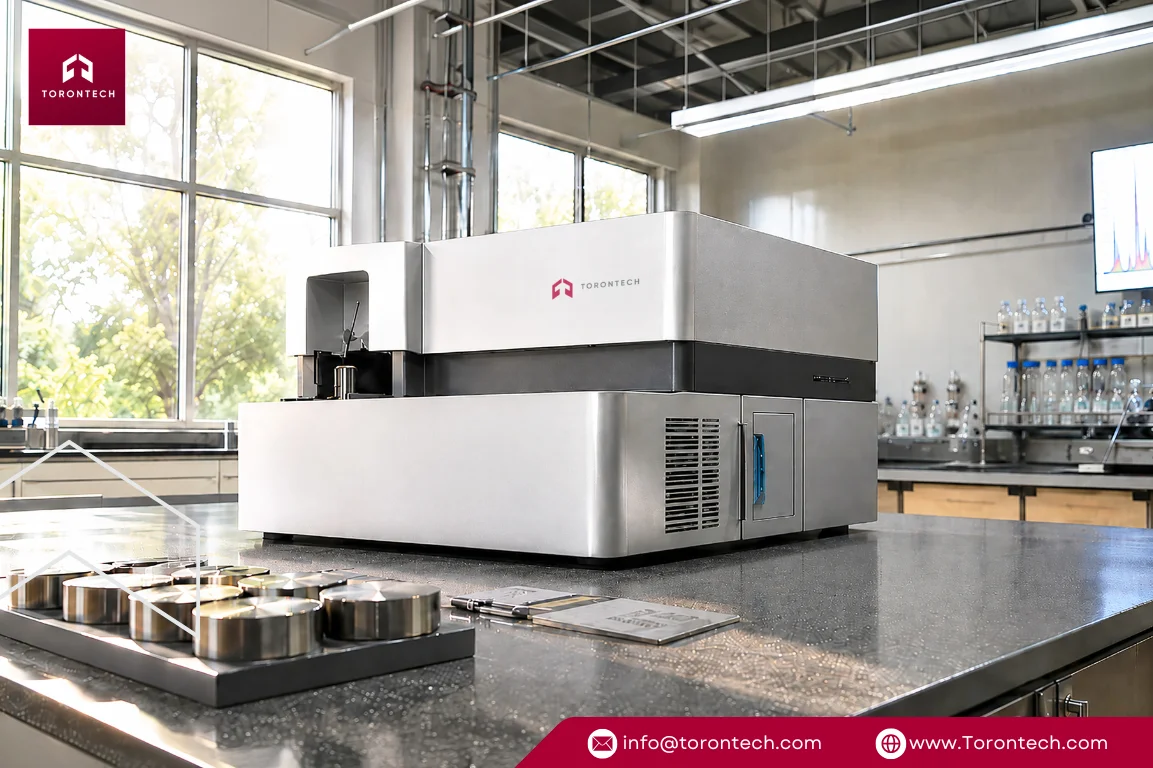
PMT vs CCD: Spark Spectrometry Detector Comparison
Is your laboratory choosing the right sensor for verifying metal alloys, or is your hardware choice creating an operational bottleneck?When evaluating spark testing machinery, facilities consistently face the classic showdown of CCD vs PMT. Your selection directly impacts operating budgets and production throughput, making this a critical business decision. See our straightforward ccd pmt comparison below for a high-level summary of how these two setups perform.Quick-Glance: CCD PMT ComparisonWhat You Are Looking AtOld-School PMT SetupModern CCD SetupAdding New ElementsRigid (requires…
Pro Tips: Spark OES Sample Preparation Guide
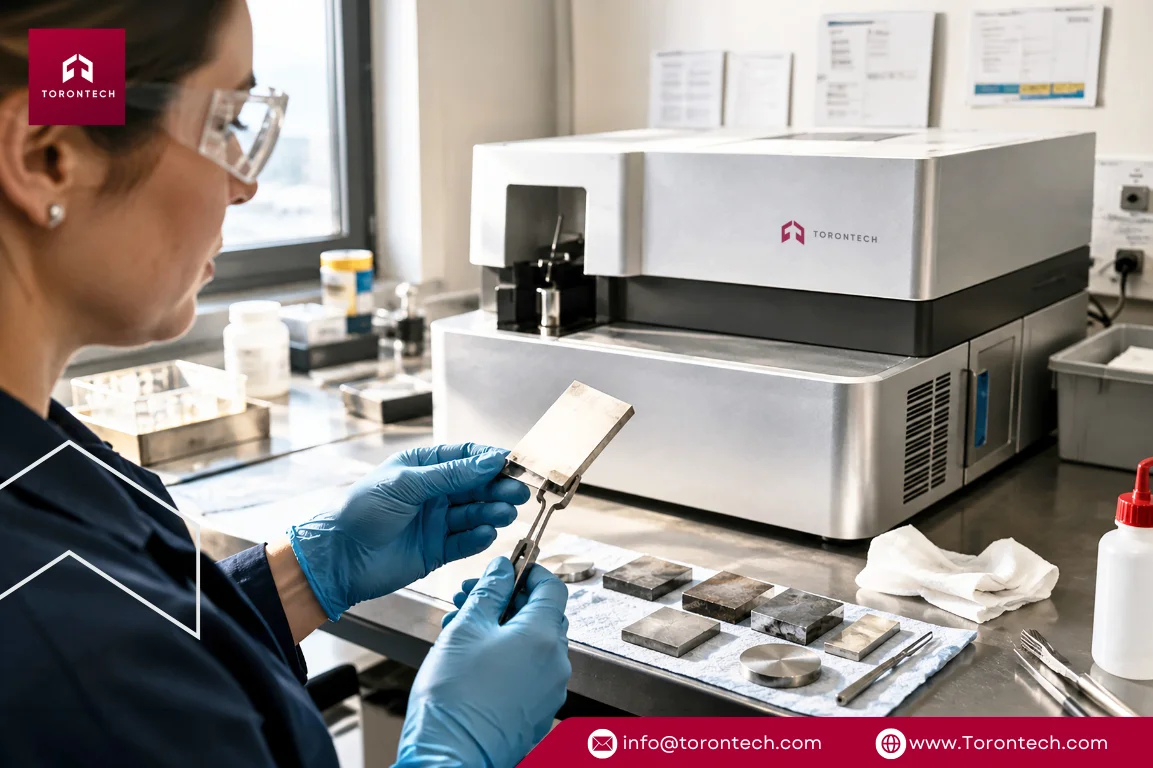
An advanced spectrometer cannot compensate for a poorly prepared metal sample. Many material testing labs unknowingly compromise their elemental analysis before the spark sequence even begins, leading to inconsistent, skewed data. While direct solid analysis avoids wet-chemistry contamination, sample condition strongly dictates final result stability.This guide outlines the essential preparation steps to establish a flat, spark-stable surface that keeps your chemical numbers highly accurate.Metal Category (Matrix)Recommended Surfacing ToolPrimary B2B Operational BenefitHard Alloys (Steel,…

Choosing the Right XRF: Handheld vs Benchtop Guide
Nailing the exact mix of your materials is a massive win for your bottom line. These XRF tools work like high-intensity flashlights that spot the unique energy signatures of the elements hiding inside your samples. You have two great ways to boost your efficiency: the grab-and-go handheld or the rock-solid benchtop. Your final pick usually comes down to whether you need to move fast in the field or look deep into the data in a lab.Key TakeawaysHandheld units are your go-to for rapid, point-and-shoot field sorting where extreme mobility is everything.Benchtop systems are absolutely…

Expert Guide: Best Ways to Analyze Precious Metals
Ever wondered how much cash leaks out of your business because of a single bad guess on metal purity? In high-stakes shops like yours, we're firm believers that being "mostly sure" is a total nightmare for your bank account. Here’s a strategic breakdown of the smartest ways to analyze precious metals and how to pick the perfect hardware to keep your profits safe and sound.Key TakeawaysSpeed and Safety First: Modern testing methods like XRF and LIBS provide lightning-fast results without leaving a single scratch on your valuable items.Fast Financial Returns: High-precision hardware acts…

XRD vs XRF vs LIBS: Choosing Your Ideal Analyzer
Getting your material data exactly right is a massive win for your whole operation. We think it’s the best way to keep your quality high and your team moving fast. There’s not a trace of fluff in this guide—all you seasoned pros who have seen it all know exactly what we’re talking about. We’ve put together a breakdown that’s thicker and far more detailed than a basic spec sheet to help you choose between XRF vs XRD vs LIBS with total confidence.XRF vs XRD vs LIBS ComparisonIf you are currently sorting through a mountain of paperwork and need an answer right now, here is how we think…

What is Atomic Absorption Spectrophotometer? Full Guide
Finding a dependable way to analyze metals in water, food, or pharmaceutical samples? The Atomic Absorption Spectrophotometer (AAS) is likely the answer. Laboratories have relied on this instrument for decades because it catches trace metals at parts-per-million or even billion levels without complex setups. This guide breaks down exactly how AAS works, the components involved, and why it remains a smart choice for precise elemental analysis.Key Takeaways Atomic Absorption Spectrophotometry remains the industry standard for precise elemental analysis and detecting metal…

Flame AAS vs Graphite Furnace AAS: The Key Differences
Choosing the right spectrometer for your lab can be a significant challenge. For elemental analysis, the decision often comes down to two leading technologies: Flame Atomic Absorption Spectroscopy (Flame AAS) and Graphite Furnace Atomic Absorption Spectroscopy (GFAAS).Both techniques measure elemental concentrations by detecting how free atoms absorb light in the gas phase. However, their methods and capabilities differ significantly. We have seen firsthand how selecting the right instrument can impact a lab's efficiency and budget. This guide offers a straightforward look at the…

A Guide to Choosing a UV-Vis Spectrophotometer
Finding laboratory equipment that delivers accurate results without straining the budget is a common challenge.In our experience, the UV-Vis spectrophotometer is a foundational instrument that consistently provides exceptional value. To help you make an informed decision, we’re offering a straightforward perspective on the key advantages of a UV-Vis spectrophotometer and clear guidance on how to choose the right UV-Vis spectrophotometer for your operations.The Clear Advantages of a UV-Vis SpectrophotometerWe've worked with these instruments for years, and their value remains clear. Their…

Spectrophotometer: Single Beam vs Double Beam Explained
When it's time to equip your lab with a new UV-Vis spectrophotometer, you’ll face the critical single beam vs. double beam spectrophotometer choice early on. From our experience, this is more than a technical detail—it’s a decision that directly impacts your workflow, budget, and data quality. A frequent question we encounter is about the real-world difference between single and double beam spectrophotometer models, so let’s make sure you make the right call.The Difference Between Single and Double Beam SpectrophotometersAt their core, the major distinction between these two platforms is…
