

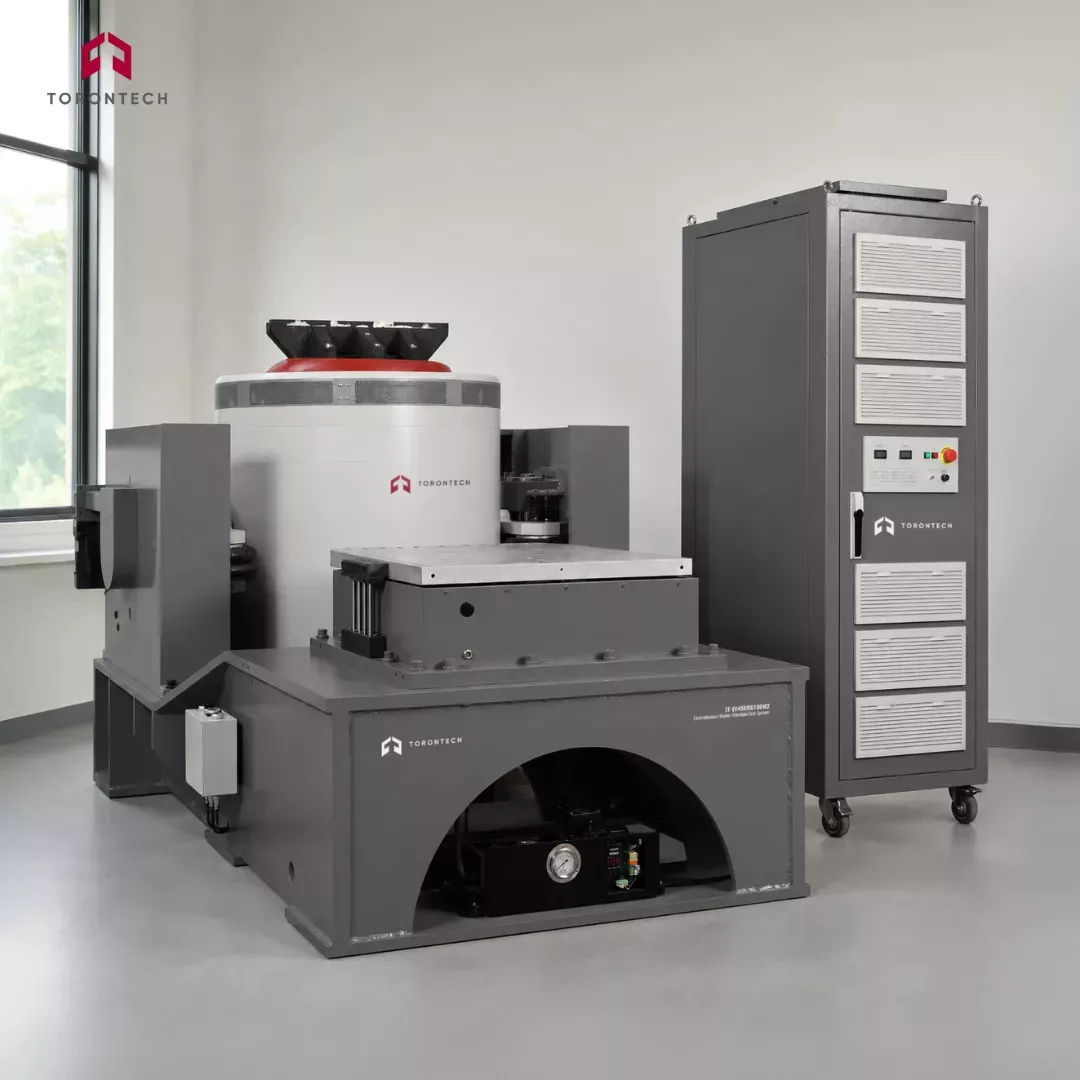
Vibration Testing Equipment
Torontech’s Vibration Testing Equipment, also known as Vibration Testing System, delivers cutting-edge solutions for evaluating product durability, performance, and compliance under real-world vibration conditions.
Designed to simulate diverse environments, these systems provide industries to minimize product failure risks while ensuring top-tier quality.
Torontech is now offering: Electrodynamic Shaker Vibration Test System, Shock Test Systems, Mechanical Vibration Tester, Bump Test Systems, and Packaging Transportation Simulators.
Compare Vibration Testing Equipment Options
Side-by-side overview of Torontech vibration and shock testing systems to help you choose the right test method.
| Feature | Electrodynamic Shaker System | Shock Test System | Mechanical Vibration Tester | Bump Test Machine | Transportation Simulator |
|---|---|---|---|---|---|
| Primary purpose | Controlled vibration profiles for product qualification and durability testing | Shock / impact testing to evaluate survivability and robustness | Mechanical vibration for general-purpose screening and durability checks | Repeated bump/impact events for packaging and product resilience testing | Simulate shipping and transport vibration conditions for packaging validation |
| Test type | Electrodynamic vibration | Shock testing | Mechanical vibration | Bump testing | Transportation simulation |
| Best for | Electronics, components, aerospace/defense, automotive qualification workflows | Drop/impact-like shock events, shipping damage risk, ruggedness testing | Industrial screening, baseline vibration checks, cost-effective durability testing | Packaging, logistics, product handling resilience, repeated-impact tests | Packaged goods, distribution testing, ISTA-style transport simulation workflows |
| Common decision driver | Need for precise control and broader test profile capability | Need to validate survivability under shock events | Simpler mechanical approach for routine vibration screening | Need for repeated bump events rather than continuous vibration | Need to replicate transport conditions for packaged products |
| Typical throughput | Medium to high (system and method dependent) | Medium (method dependent) | Low to medium (setup dependent) | Medium (setup dependent) | Medium (test cycle dependent) |
| Selection tip | Choose if you need controlled vibration profiles and repeatable qualification testing | Choose if shock is your main failure mode or compliance requirement | Choose for straightforward vibration screening with a mechanical system | Choose when bump events better match your handling and packaging risks | Choose when your main goal is distribution and packaging transport simulation |
Vibration Testing System | Available Products
Displaying 1 - 5 of 5
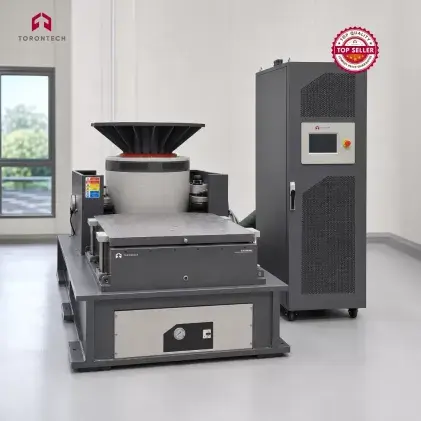
Electrodynamic Shaker Vibration Test System
TTEV series of Electrodynamic Shaker Vibration Test System simulate the vibration environment under the laboratory condition, and test the impact…
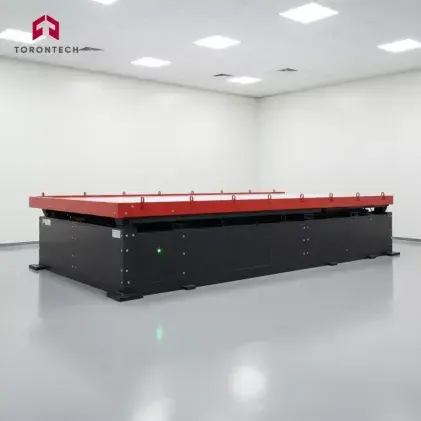
Transportation Simulator
Mainly used in repeating impact, unloading or jump test that complies to ISTA, ASTM, TAPPI, ISO MIL-STD, FED-STD, UN, DOT and other industrial and…
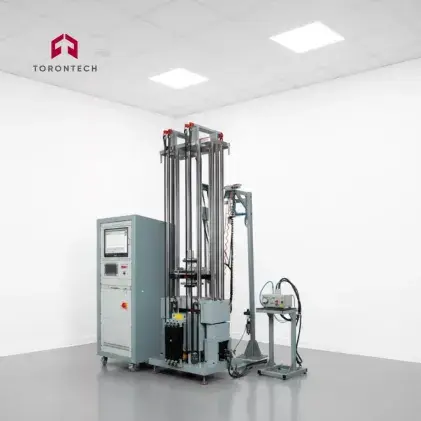
High-G Shock Test System
Mechanical Shock and Product Fragility Test System up to 35,000 GProducts are inevitably affected by the impact, bump, free fall, tumbling, etc.…
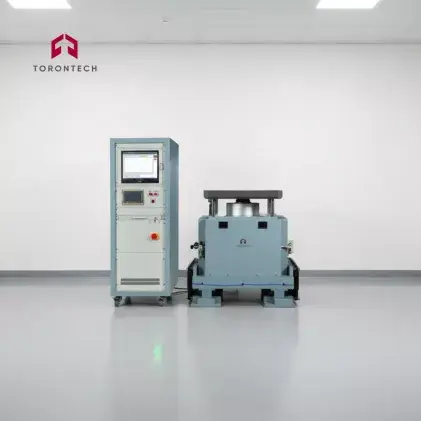
Bump Test Machine
Components and other electronic and electrical products may experience repeating impact during transportation or use. Bump test can be used as a…
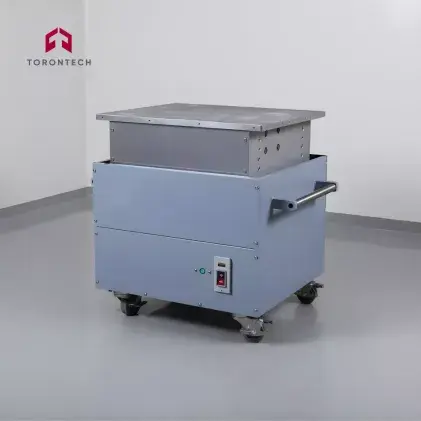
Mechanical Vibration Tester
Mechanical vibration tester simulates vibration during transport for electronic products, components, spare parts, products, and instrumentation, etc…
Related Articles
Displaying 1 - 5 of 5

A Complete Guide to Random Vibration Testing
It’s a common story. A fantastic product design fails because it couldn't survive the journey to the customer. All that innovation ends up compromised by a bumpy ride.In the real world, products are subjected to a constant mix of shakes and impacts rather than a life of sitting still.To build things that last, you have to test them against that real-life chaos. For that, you need random vibration testing.Key TakeawaysRandom vibration testing simulates real-world environments by exciting multiple frequencies simultaneously, making it the most accurate method for durability prediction.While…

Choosing Electrodynamic vs Mechanical Vibration Testers
Selecting the right vibration testing systems is less about the technical specifications on paper and more about preventing a costly mismatch for your application down the line. You have two primary classes of machine to consider: the high-frequency electrodynamic shakers and the high-endurance mechanical ones. While both are designed to simulate vibration, how they get there and what they can achieve are fundamentally different.Making the wrong choice means you’ve either over-invested in capabilities you won’t use, or you’ve acquired a system that falls short of the testing standards…

Future-Proof Your Automotive NVH Testing Strategy
How can automotive engineers test for both the powerful rumble of a combustion engine and the subtle, high-frequency whine of an electric motor without doubling their lab equipment?This is the core challenge in modern automotive NVH testing. The industry must validate the durability of traditional vehicles while also perfecting the acoustic refinement demanded by silent EVs.This guide explains how a flexible approach to vehicle NVH testing can solve both problems, ensuring product quality across all platforms.Key TakeawaysThe Modern NVH Challenge: Automotive testing must address both the low…

ASTM D4169 vs ISTA: The Ultimate Testing Guide
Selecting the right test standard is the first step toward shipping with absolute confidence. Whether you choose ASTM D4169 or ISTA, the objective is the same: proving your product can handle the road ahead and arrive in pristine condition.This guide clarifies the distinct advantages of each protocol, ensuring you select the best fit to optimize your packaging, protect your brand, and delight your customers.Key TakeawaysCustom vs. Standardized: ASTM D4169 offers a flexible menu to build custom test cycles, whereas ISTA provides a strict recipe for consistent, standardized results.Industry…
