

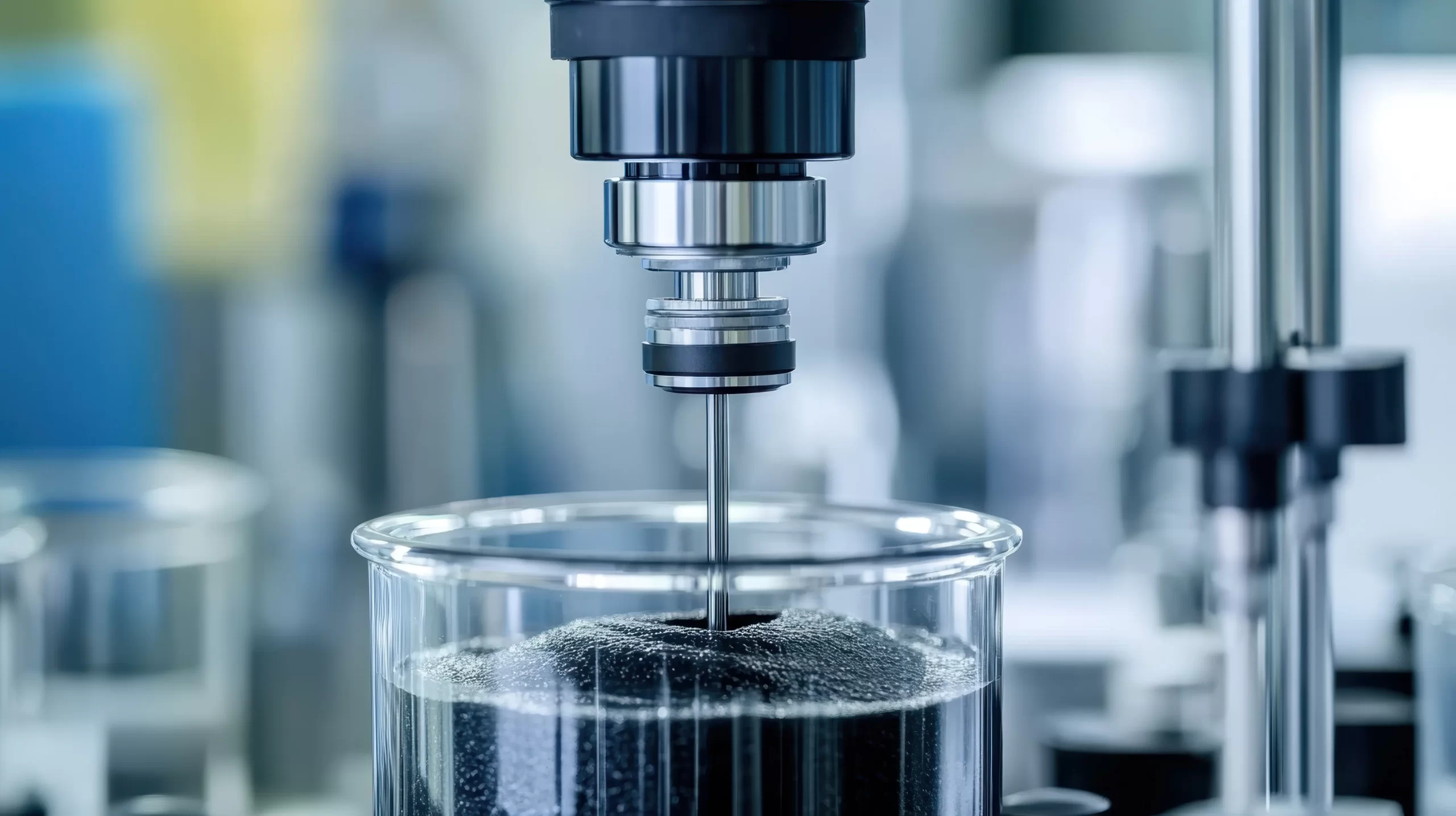
Viscometers for Accurate Fluid Viscosity Testing
Achieve absolute confidence in your fluid characterization. The ToronVisc™ series of advanced viscosity meters provides the verifiable data you need to ensure product consistency, optimize formulations, and protect your return on investment by eliminating out of spec materials. These robust instruments are engineered for demanding lab and production environments where precision is not optional.
Our ToronVisc™ instruments deliver the accuracy and repeatability you expect from premium systems. They are fully compatible with established testing methods, including those for Brookfield-style viscometers, providing a direct and cost-effective pathway to achieving industry standard results. When your process demands reliable rheological data for Newtonian or non-Newtonian fluids, our viscosity measurement tools provide an ideal balance of performance and value.
Selecting the Right Viscosity Meter for Your Application
Torontech provides a complete portfolio of viscosity measurement tools designed for specific testing requirements.
- Rotational Viscometers: The versatile workhorse for multipurpose QC and general materials testing.
- Cone and Plate Viscometers: The precision instrument for small sample volumes and applications requiring absolute shear rate data.
- Digital and Programmable Models: Automate complex test procedures and enhance data management with intuitive touchscreen controls.
Engineered for Your Industry's Demands
Our line of ToronVisc™ viscosity meters is trusted by industry leaders for critical measurements in:
- Paints, Coatings, and Inks
- Cosmetics and Personal Care
- Pharmaceuticals and Biotech
- Food and Beverage
- Petrochemical Products and Lubricants
- Adhesives and Construction Chemicals
- Polymer and Chemical Formulations
Strategic Advantages and Key Features
Every ToronVisc™ instrument is designed with features that deliver tangible benefits to your operation.
- Expansive Measurement Capability: A wide viscosity range allows you to confidently measure everything from thin solvents to thick pastes.
- Intuitive Digital Interface: Reduce operator learning curves and minimize the potential for manual errors.
- Versatile Spindle Sets: Adapt to diverse fluid types and test requirements with included interchangeable spindles for maximum flexibility.
- Seamless Data Integration: Export results via USB or RS232 directly to your LIMS or statistical process control software for enhanced traceability.
- Precise Temperature Control: Add optional temperature units to eliminate a critical variable and guarantee repeatable, comparable results.
- Guaranteed Standards Compliance: Fully conform to ASTM D2196, ISO 2555, ISO 1652, and GB/T 265 for validated, auditable reporting.
As a global supplier leveraging our innovative technologies, Torontech engineered the ToronVisc™ line to challenge the industry's price to performance benchmarks. We believe precise, reliable viscosity measurement should be accessible, not exclusive. When your process control and quality assurance demand consistent data, trust ToronVisc™ viscosity meters to protect your product and your budget.
Footnote/Disclaimer:
Brookfield is a registered trademark of AMETEK, Inc. All other product and company names are trademarks™ or registered® trademarks of their respective holders. Use of them does not imply any affiliation with or endorsement by them.
Viscometers | Available Products
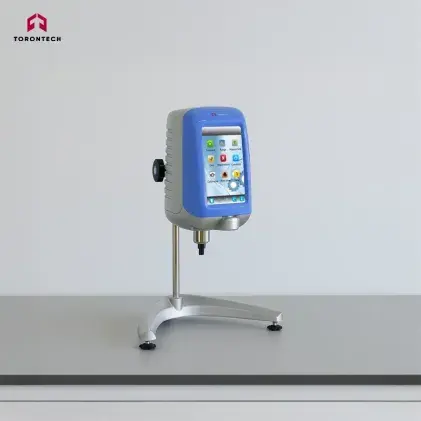
Intelligent Viscometers - ToronVisc™ E-Series
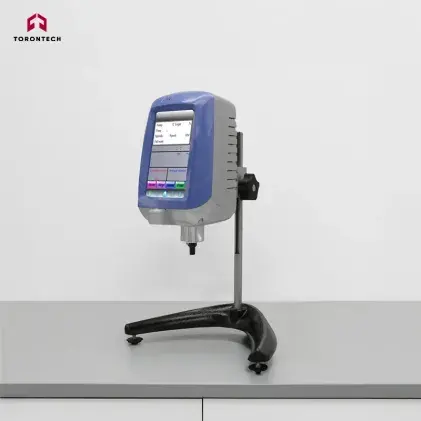
Intelligent Viscometers – ToronVisc™ S-Series
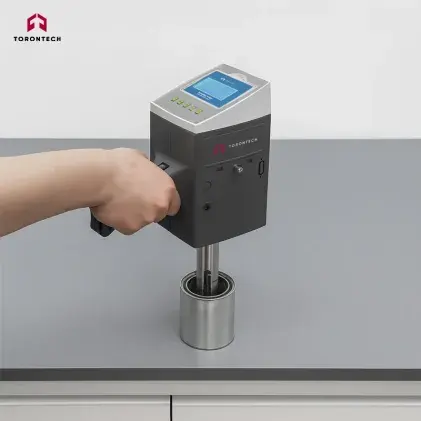
Portable Viscometers - ToronVisc™ PDV Series
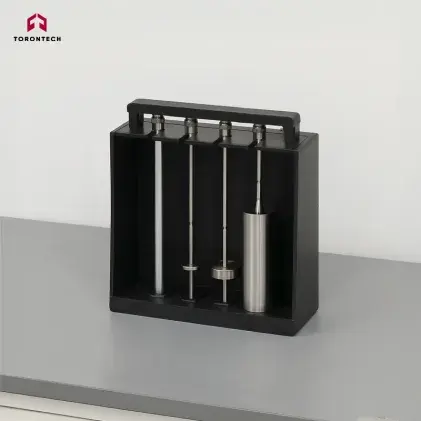
Viscometer Spindles
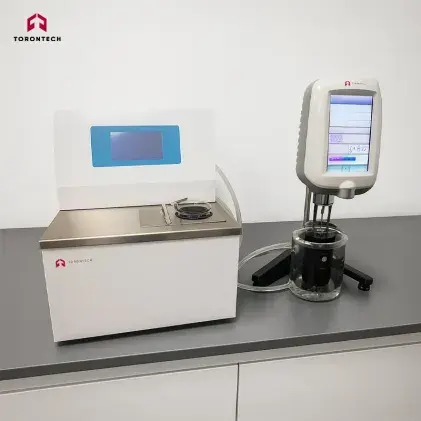
Optional Accessories for ToronVisc™ Viscometers
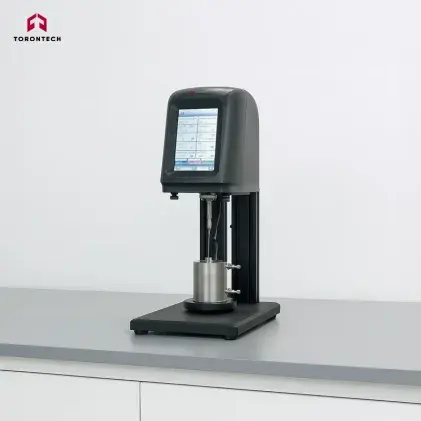
Digital Coaxial Viscometers for Low to High Viscosity Fluids - ToronVisc™ 79 Series
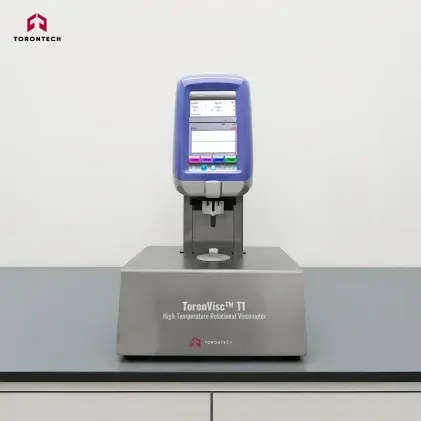
Intelligent All-in-One Viscometer - ToronVisc™ T1
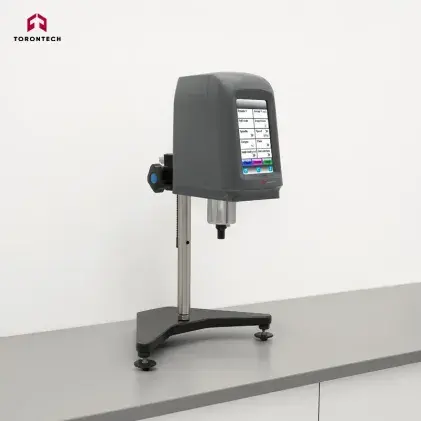
Intelligent Digital Viscometers with Touchscreen Control - ToronVisc™ T Series
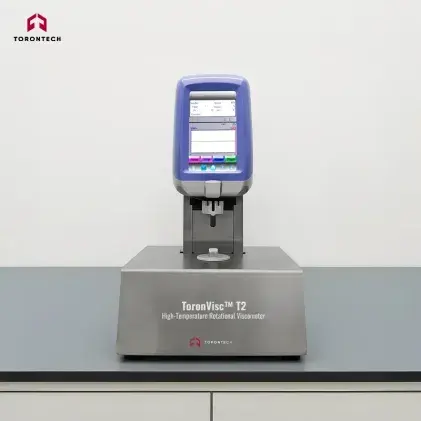
All-in-One Intelligent Viscometer - ToronVisc™ T2
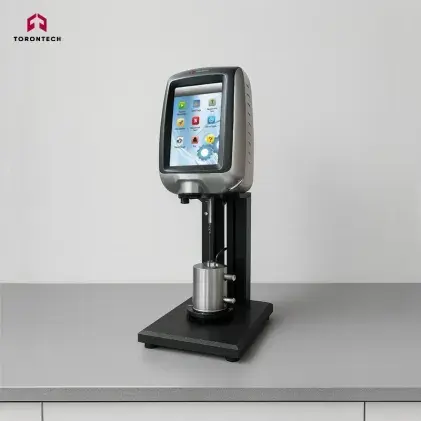
Programmable Digital Coaxial Viscometer with Advanced Rheological Features - ToronVisc™ 79P
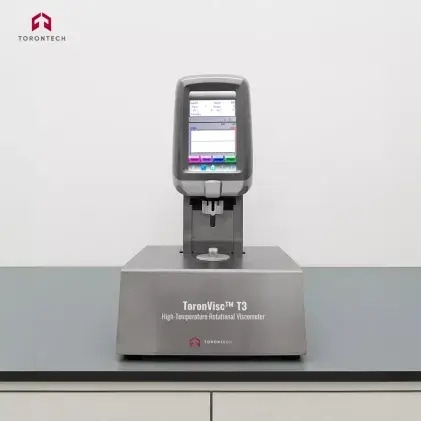
High-Temperature Rotational Viscometers - ToronVisc™ T3/T4
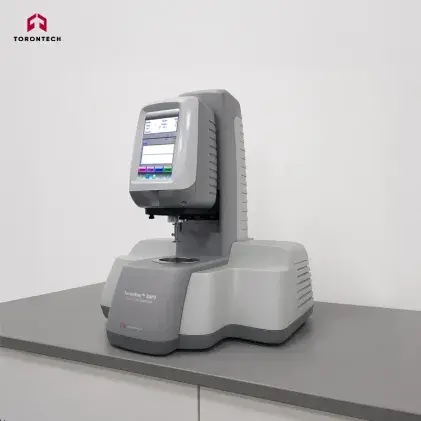
Cone-Plate Viscometer - ToronVisc™ CAP3
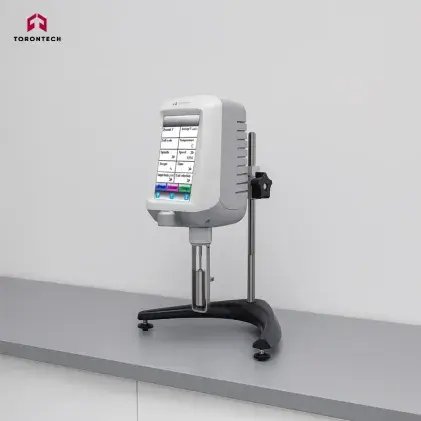
Intelligent Touch Viscometers – ToronVisc™-P Series
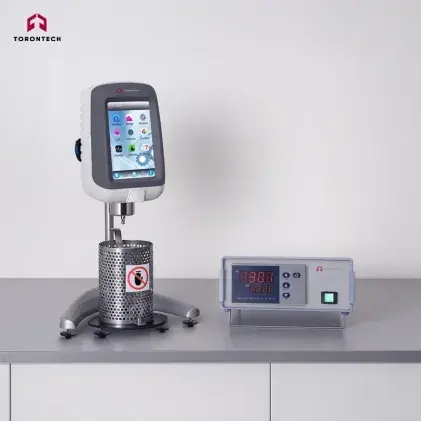
High-Temperature Touchscreen Viscometers - ToronVisc™ AI250 / AI500
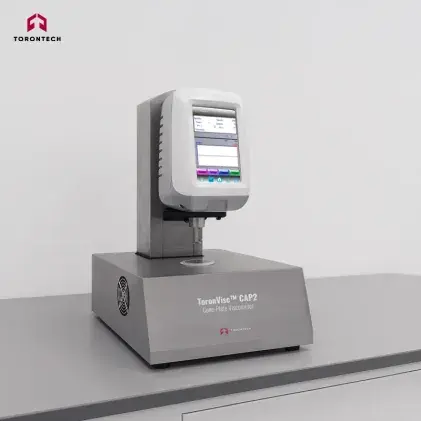
Advanced Cone-Plate Viscometer - ToronVisc™ CAP2
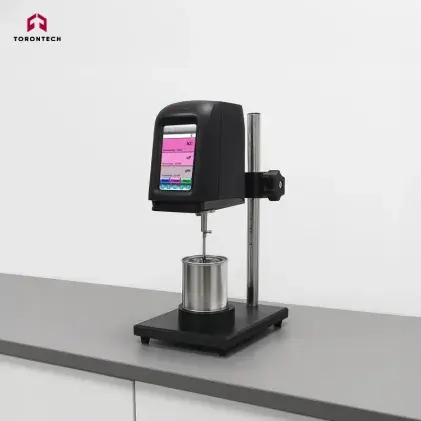
Krebs Stormer Viscometer - ToronVisc™ STM-2T
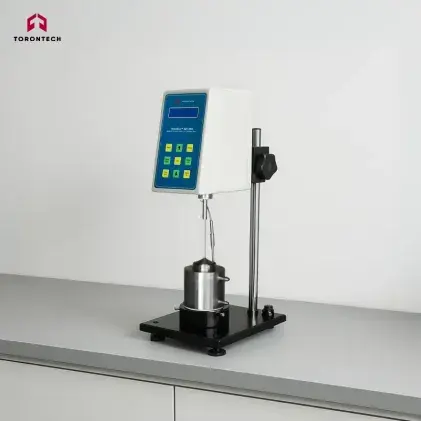
Apparent Viscosity Tester for Coal Water Slurry - ToronVisc™ AVT-CWS
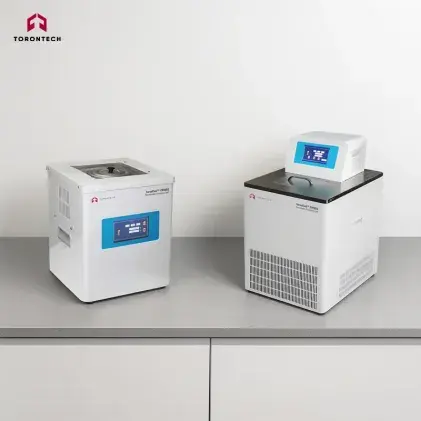
ToronCool™ Thermostatic Circulation Tanks – Optional Accessory for ToronVisc™ Viscometers
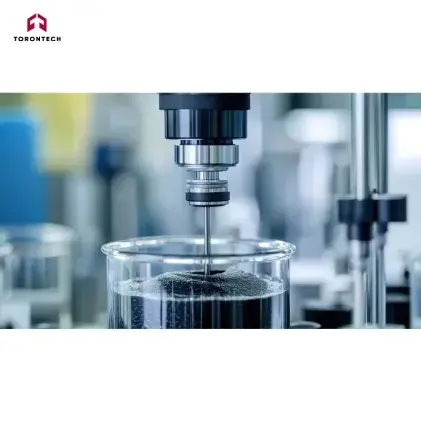
Viscosity Tips & Conversion Guide for ToronVisc™ Users
Related Articles

How Does a Viscometer Work? The Expert Answer
In many industries—from pharmaceuticals to coatings—if your fluid materials don't perform correctly, your final product's quality is compromised. The way a fluid behaves is a flat-out make-or-break condition for success. This brings us to the core question for any quality team: how does a viscometer work to control these critical properties? At Torontech, we've built our expertise on helping clients master this very challenge. The key property is viscosity, and knowing how viscometer works is your first step to ensuring your specifications are met every time. It operates by…

Measure Viscosity Without a Viscometer: A DIY Guide
We work with businesses across dozens of industries, and we see how a fluid's properties can dictate the success of a production run. The core issue is often viscosity—a liquid's refusal to flow. Think about the stark difference between honey and water. Water is cooperative; it pours instantly from a container, is easy to pump, and mixes without much effort. Honey, on the other hand, fights you every step of the way. It clings to the sides of a vat, stretches, and flows at a crawl, demanding more energy and time to move from point A to point B. Getting a handle on that specific…

Step-by-Step: How to Calibrate a Viscometer Right
For manufacturers, running a production line with an uncalibrated viscometer is a significant business risk. Getting the flow characteristics of your materials exactly right isn't just a quality control detail; it's fundamental to your viscosity testing. This guide provides a straightforward answer to the question of how to calibrate a viscometer. It's a challenge we know well.Why Skipping Calibration Hits Your Bottom LineBefore we get into the process, let's talk about the consequences. An uncalibrated viscometer isn't a minor issue; it's a direct threat to your financial…

Rheometer vs Viscometer: The Right Business Choice
Nothing disrupts a business more than an inconsistent product batch. We believe achieving product consistency shouldn't be a matter of guesswork, which is where the discussion on the difference between viscometer and rheometer begins. They both assess how your materials flow, but they are entirely different tools. We're here to provide a direct assessment of which one is the right fit for your operations.The Core Difference: A Quick Number vs. a Complete AnalysisSo, what is the real difference when you compare a viscometer and rheometer? It all comes down to the kind of…

Viscosity vs Density: The Key Difference
If your operations involve handling liquids, you have to know exactly how they behave. As a long-time supplier, we at Torontech have seen that relying on guesswork is a recipe for operational headaches. Getting a solid grip on your fluid properties isn't just a minor detail; a clear understanding of viscosity vs density is central to the entire process.Viscosity vs. DensitySo what truly separates these two when we look at density vs viscosity? The difference is fundamental, and it's a distinction every plant manager needs to master. First, let's talk about density. The…

Viscosity and Temperature: A Guide to Process Control
It's a common observation in production environments: getting fluids to behave consistently is a primary operational challenge, largely because of the complex interplay of viscosity and temperature. When a viscosity test fails to meet standards, we have found the source of the issue is often this temperamental relationship. Countless resources can be spent on problems that could be traced back to how the temperature on viscosity was affecting the material. Gaining control over the temperature dependence of viscosity is not an academic exercise; it is a direct path to more efficient…

Dynamic vs Kinematic Viscosity: The Difference
For any business that works with fluids, getting a handle on how they behave is a critical part of the operation. It can often be a persistent challenge to pin down a liquid's properties, and mistakes here can be costly. People use the term "viscosity," but the story has two sides: dynamic and kinematic. From our experience, knowing the difference in the dynamic vs kinematic viscosity discussion is what separates a smooth viscosity testing from an expensive operational problem. Here, we'll outline the key distinctions, look at their real-world uses, and show you the simple…

High Viscosity vs Low Viscosity: A Complete Guide
Getting your fluid’s consistency right is a non-negotiable part of product quality. It’s a detail that quietly separates profitable production runs from costly, wasteful ones. In the constant debate of high viscosity vs low viscosity, we've seen at Torontech that too many operations rely on guesswork. This guesswork isn't just a technical oversight; it's a significant business risk. To properly manage that risk in your viscosity testing, it starts with a practical look at the property itself.A Practical Look at High vs. Low ViscosityIn essence, viscosity is a fluid's resistance to…
