


Medical Device Testing Equipment
Torontech’s Medical Device Testing Equipment line delivers high-precision, standards-compliant solutions for physical and functional testing of critical medical products. Our instruments are engineered for catheter testing, syringe air leakage testing, flow rate and compliance testing, luer fittings, and many other essential medical device performance evaluations.
Developed to meet global standards such as ISO 10555, ISO 80369, ISO 7886, ASTM F640, and more, our systems support regulatory compliance and quality assurance for manufacturers, test labs, and R&D facilities in the medical and healthcare industries.
From catheter flow rate testers to guidewire flexing fixtures, nasal cannula testers, and medical glove watertightness testers, Torontech offers a complete portfolio of automated and manual testing instruments.
Key Applications:
- Validation and compliance with ISO and ASTM standards
- Design verification for medical disposables
- In-process quality control in medical device manufacturing
- Physical property testing for Class I & II medical devices
Explore our full range of medical device testers to ensure precision, reliability, and safety for your healthcare products.
Medical Device Testing Equipment | Available Products
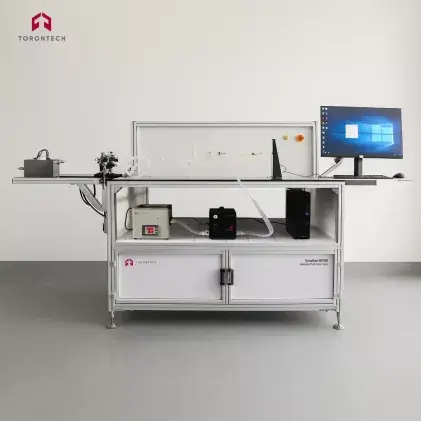
Guidewire Testing Equipment
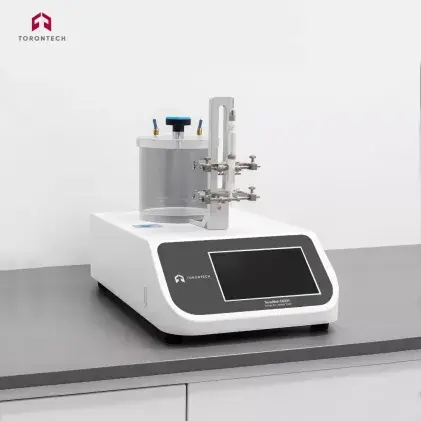
Syringe & Injection Device Testing Equipment
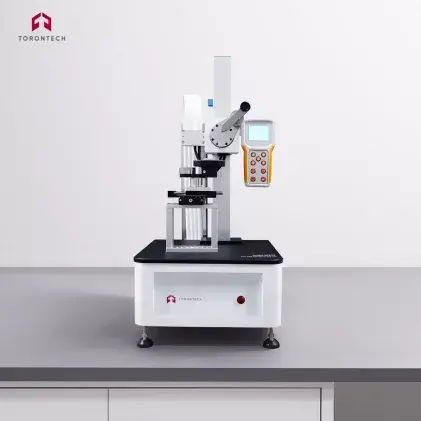
Medical Needle Testing Equipment
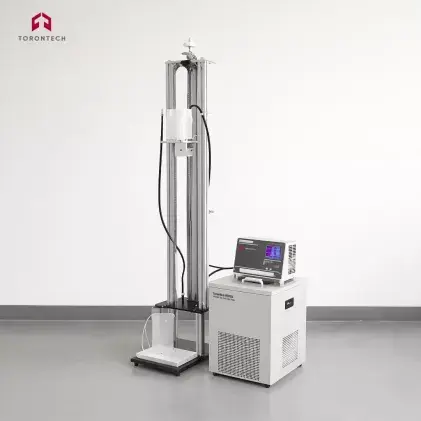
Infusion, Transfusion & Blood Collection Testing Equipment
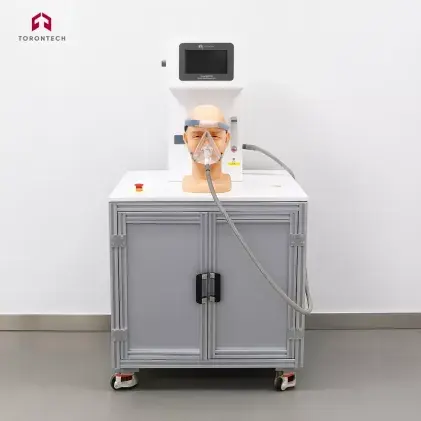
Respiratory & Anesthetic Device Testing Equipment
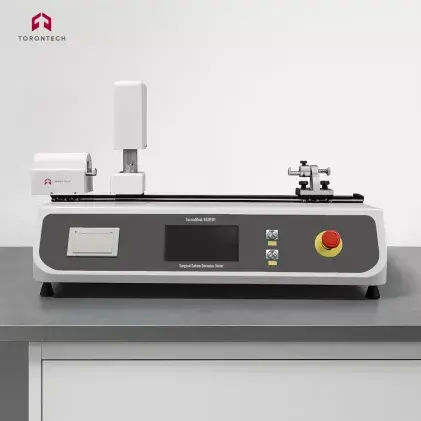
Surgical Instrument & Suture Testing Equipment
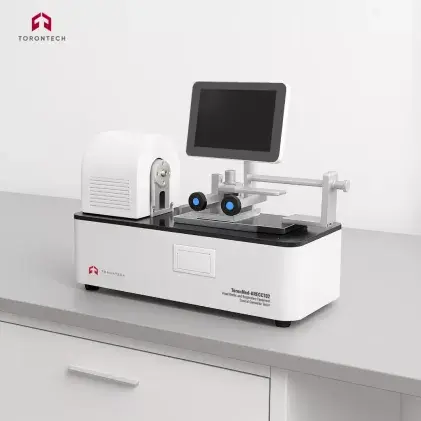
Luer & Connector Testing Equipment
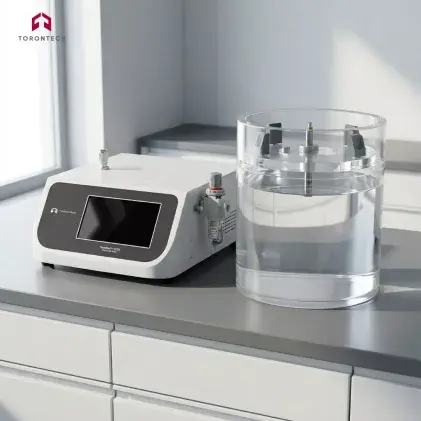
Medical Packaging & Sterile Barrier Testing Equipment
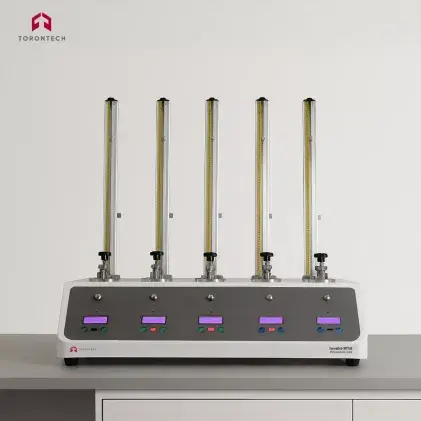
Wound Care & Medical Glove Testing Equipment
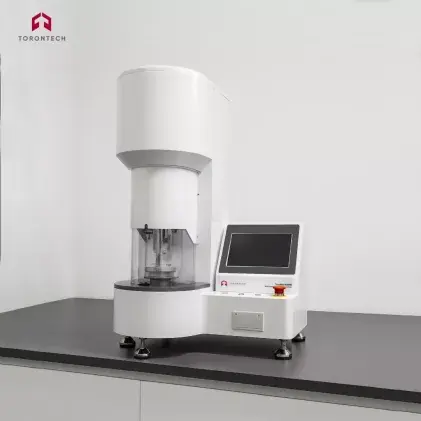
Dental Materials Testing Equipment
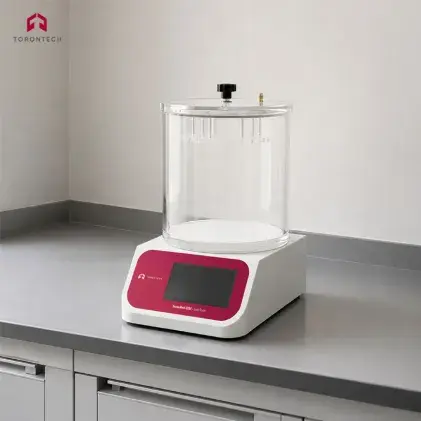
Leak Tester
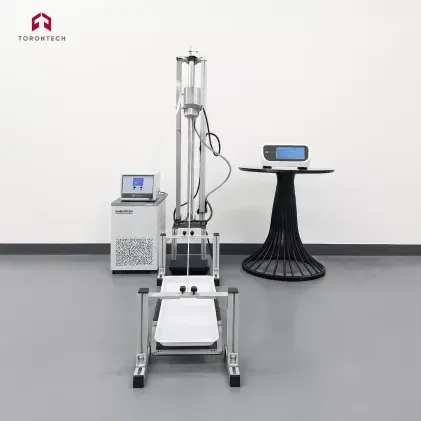
Catheter & Minimally Invasive Device Testing Equipment
Related Articles

A Guide to Residual Catheter Vacuum Testers
In the world of medical device manufacturing, performance is paramount. When it comes to devices like suction catheters, the ability to hold a specific vacuum level isn't just a quality metric—it's a critical patient safety issue. A Catheter Residual Vacuum Tester is the specialized instrument that verifies this capability, ensuring each device functions exactly as intended. Making the right choice in a vacuum tester for catheters is a foundational decision that protects your product, your compliance record, and your reputation. Let's explore how to make that call for your residual…

A Guide to Choosing a Catheter Leak Tester
Getting your catheter testing strategy right is one of the most impactful decisions you can make for your production line. In the medical device testing space, a small leak isn't a minor defect; it's a serious liability. It can compromise product sterility, affect fluid delivery, or lead to device failure during a critical medical procedure. This can result in costly recalls, cause serious damage to a brand's reputation, and create significant risks to patient outcomes. So, choosing the right leak testing equipment is a decision with real consequences. With several methods on the…

A Guide to Catheter Leak Testing Methods
With medical devices becoming more complex and regulations stricter, the pressure to get every detail of your quality control right is immense. When it comes to products like catheters, ensuring a component is perfectly sealed is an area of critical importance. A microscopic flaw can lead to significant downstream consequences, which is why we feel that perfecting your catheter leak testing method is a foundational part of a reliable production process.The Critical Role of Catheter Leak IntegrityA catheter is a device that must perform without fail, often in high-stakes medical…

How to Choose a Guidewire & Catheter Torque Tester
In a competitive medical device market, the quality of your data is the quality of your product. Much of the standard lab equipment available can be frustratingly imprecise or difficult to operate. When it comes to assessing the torque characteristics of your guidewires and catheters, imprecise measurements can obscure critical design flaws. The result is a device that may not perform as expected during a clinical procedure, leading to costly redesigns and delays. This guide provides our practical perspective on how to choose a torque tester for your guidewire and catheter, ensuring…

Improve Catheter Cuff Testing with Automation
Here at Torontech, our experience in the medical device industry has shown us one thing again and again: it’s often the smallest components that create the most significant problems. In our professional opinion, the inflatable cuff on a catheter is a primary example—a single component that can jeopardize the entire device's performance and safety. This reality has forced a conversation about testing methods. We are consistently asked if traditional, manual testing is still sufficient. To be direct, we believe that for modern manufacturing, continuing with a manual process introduces a…

How to Choose a Catheter Cuff Inflation Tester
Knowing how to choose a catheter cuff inflation tester is a genuinely critical decision. It's one of those choices that seems straightforward, but has a ripple effect across production, quality, and even your company's market standing. For the engineers and quality managers responsible for product integrity, you know that an unreliable piece of equipment doesn't just cause headaches—it creates real risk. A truly capable machine, on the other hand, is a genuine asset that pays for itself in confidence and consistency. We've been in this field a long time, so we wanted to provide our…

What is a Catheter Flexibility Tester? A Guide
In the medical device industry, long-term success is built on predictable device performance. Physicians will describe the “feel” of a device, but as a manufacturer, you know that subjective feedback isn’t actionable data. To create a consistently superior product, the mechanical properties of catheters and guidewires must be quantified. At Torontech, we believe this data is the line between being a market leader and just another commodity, and it starts with a clear catheter flexibility tester definition.What Does a Catheter Flexibility Tester Measure?So, what does a…

A Guide to Medical Bandage Compliance Testing Success
In the healthcare sector, the performance of a component as basic as a bandage can directly influence patient outcomes. At Torontech, our philosophy is that achieving quality is about more than just passing a test; it’s about a fundamental commitment to excellence. For manufacturers, mastering your bandage testing procedures isn’t just about following a procedural checklist—it’s a core part of your operational success and successful medical bandage compliance testing. This article is our professional take on how to adhere to bandage elasticity testing standards correctly…

How a Bandage Elasticity Tester Works & Why It Matters
A bandage without the right amount of elasticity fails to perform its essential function. When it comes to medical fabrics, achieving that perfect springiness is the entire point. We are talking about that critical property that allows a bandage to conform to a joint, providing continuous support without impeding circulation. For the patient, this means the difference between effective recovery and a poor experience. It's why a deep familiarity with what is a bandage elasticity tester is so crucial in this field. For us, as suppliers and manufacturers, that perfect…
