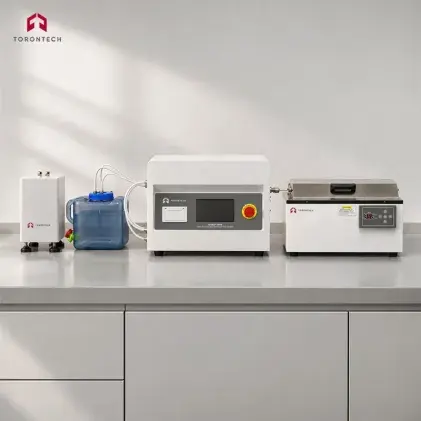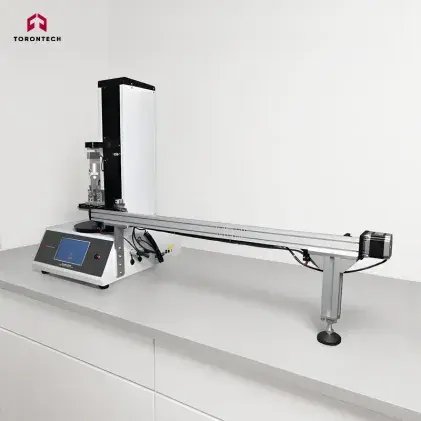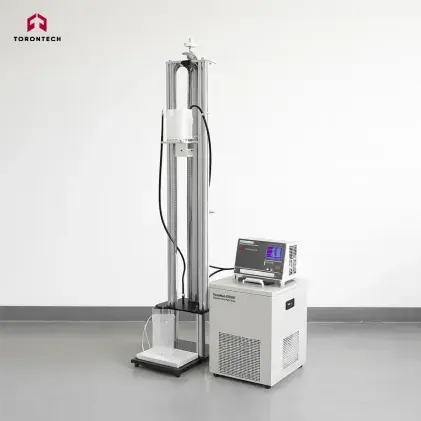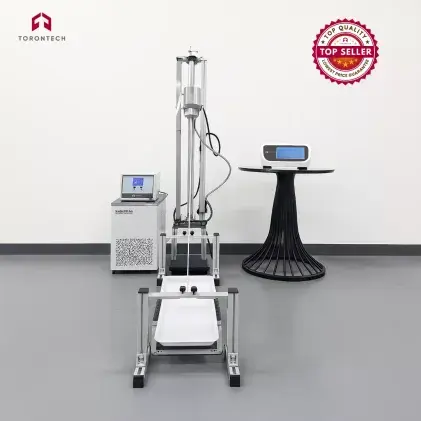
Catheter & Minimally Invasive Device Testing Equipment
Catheter & Minimally Invasive Device Testing | ISO 10555 & EN 1618 Compliance
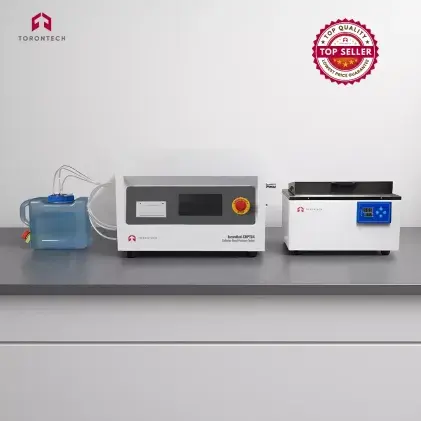
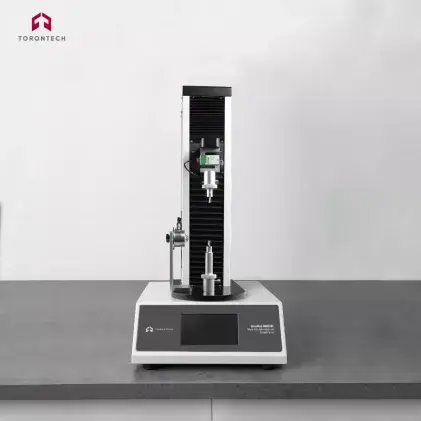
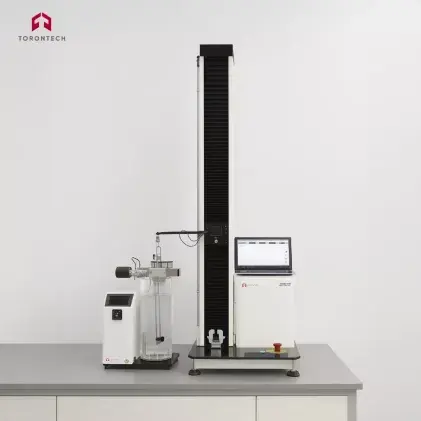
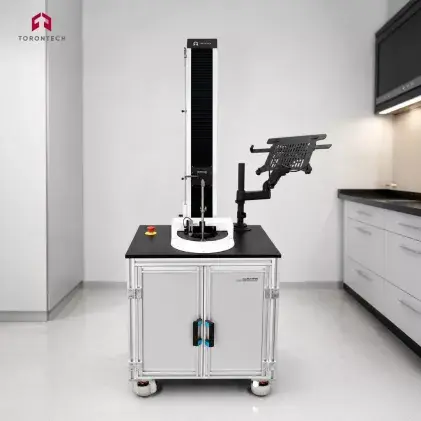
Catheter testing equipment measures the flow, pressure, mechanical, and sealing performance of intravascular catheters, guidewires, trocars, and dilators before they reach clinical use. Torontech's range supports test methods built to ISO 10555, EN 1618, ISO 8536-4, ISO 8836, and ASTM F2394, covering everything from basic flow rate verification to torque-to-failure analysis on guidewire and catheter joints. Manufacturers, quality control labs, and R&D teams use these instruments to validate device performance against international standards before regulatory submission.
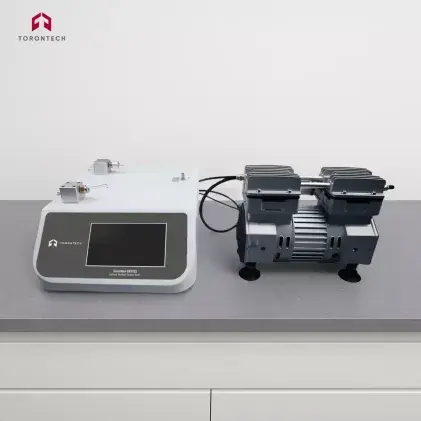
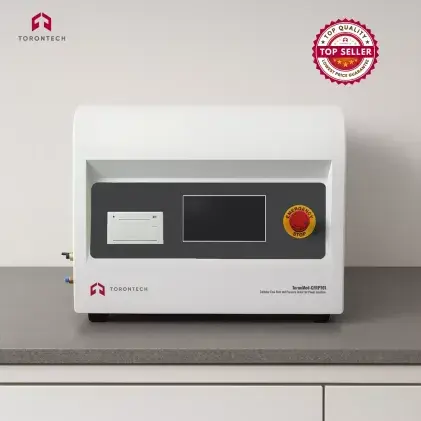
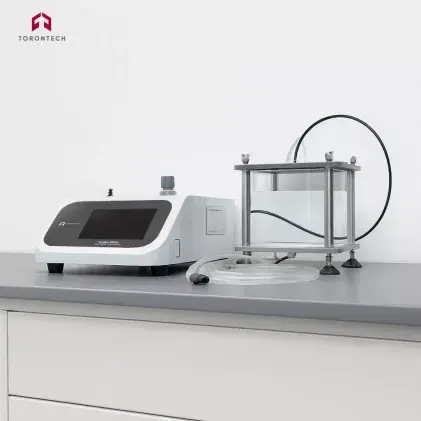
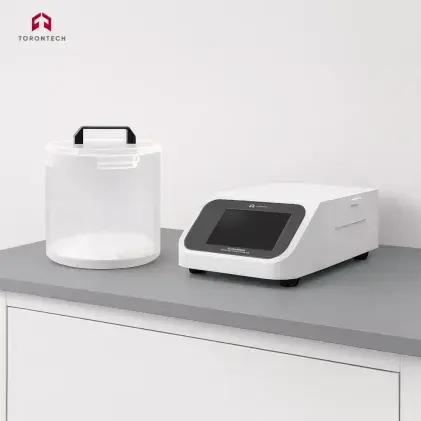
The lineup spans single-function bench instruments for flow, leak, and vacuum testing alongside more specialized systems for friction, burst pressure, torque, and structural strength. Each instrument targets a specific failure mode or performance characteristic that a catheter, guidewire, or related device must pass before it can be marketed as safe for patient use.
Why Choose Torontech for Your Catheter & Minimally Invasive Device Testing
Torontech supplies testing and measurement equipment to laboratories and manufacturers across North America and worldwide, backed by responsive technical support and calibration service. The Catheter & Minimally Invasive Device Testing range is built for reliable, standards-driven results, so you can standardize on one supplier as your testing needs grow. Our team helps you match the right configuration to your samples, applicable standards, and throughput, then supports you through installation and beyond.
Request a Quote
Tell us which catheter, guidewire, or minimally invasive device you need to test and the standards your program follows, and we will recommend the right instrument from this range. Contact the Torontech team for pricing and lead times.
Applications
Catheter and minimally invasive device testing equipment supports manufacturers and test labs across several segments of the medical device industry.
- Intravascular Catheter Manufacturing: validates flow rate, burst pressure, and friction performance of central venous, PICC, and balloon dilatation catheters before release.
- Guidewire and Interventional Device R&D: confirms torque-to-failure, push force, and joint integrity on guidewires and catheter assemblies used in vascular procedures.
- Surgical Access Device Production: checks the sealing and gas barrier performance of abdominal trocars and the structural strength of dilators used in minimally invasive procedures.
- Contract Testing Laboratories: provides independent verification and certification testing for catheter, guidewire, and trocar manufacturers seeking regulatory submission data.
Catheter & Minimally Invasive Device Testing Range
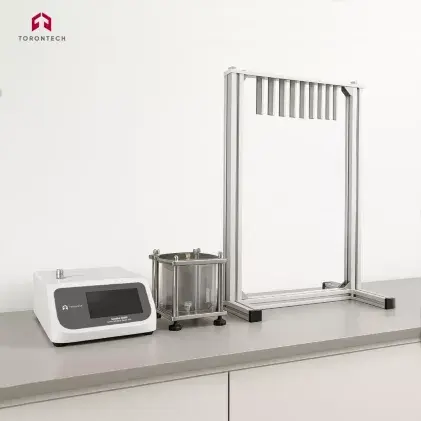
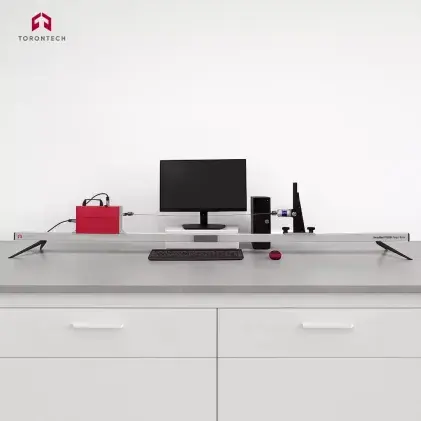
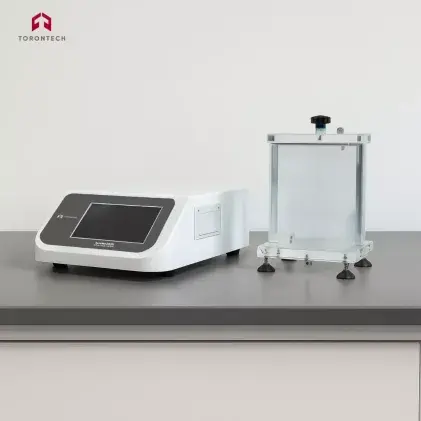
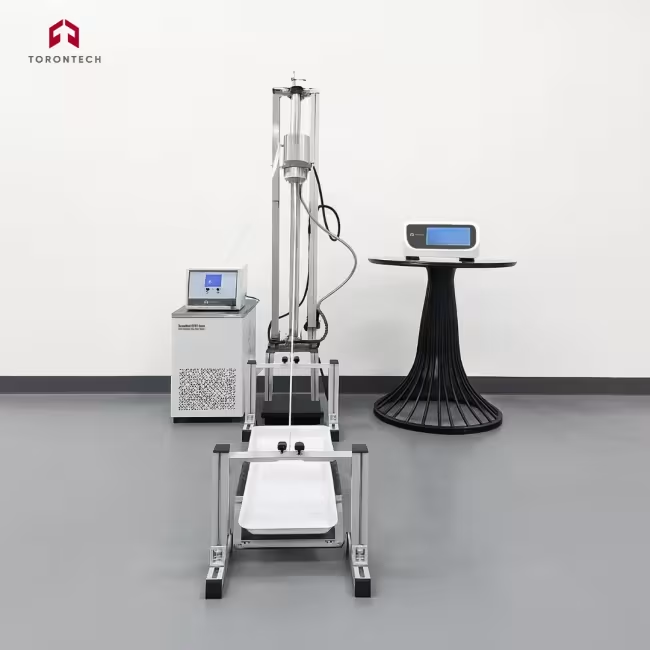
The range covers thirteen instruments, each built around a single test method, so a lab can assemble exactly the testing capability a catheter or guidewire program needs.
Tester | Key Standard | What It Measures |
EN 1618 | Hydraulic leak resistance of non-intravascular catheters, infusion sets, and tubing under positive pressure. | |
ISO 10555, ISO 11070, ASTM F2394 | Flexibility, stiffness, and force-displacement behavior of interventional catheters and guidewires. | |
ISO 10555-1, ISO 8536-4, EN 1618 | Automated water flow rate of intravascular and non-intravascular catheters and infusion sets. | |
ISO 10555-1 | Flow rate and pressure performance of catheters under high-pressure power injection. | |
Coating durability test method | Hydrophilic coating durability, lubricity, and friction coefficient of coated catheters and guidewires. | |
Surface sliding performance method | Reciprocating surface friction and sliding performance of non-intravascular catheters. | |
Positive pressure test principle | Inflated cuff diameter, cannula collapse, and cuff protrusion of endotracheal and related catheter cuffs. | |
Negative pressure leak method | Leakage resistance of catheters, infusion sets, and tubing under vacuum conditions. | |
ISO 8836 | Residual vacuum holding capability of suction catheters and suction tubes. | |
ISO 10555-1, ISO 10555-4 | Burst pressure, rated burst pressure, and balloon fatigue resistance of catheters and balloon dilatation devices. | |
Positive pressure test principle | Air barrier and sealing performance of abdominal trocars used in laparoscopic procedures. | |
Deflection and load test method | Deflection, compression resistance, and structural strength of disposable sterile dilators. | |
ASTM F 2394-2007 | Torque to failure, constant torque, and constant angle performance at guidewire and catheter joints. |
How to Choose the Right Catheter & Minimally Invasive Device Tester
- For flow and pressure validation: choose the auto catheter flow rate tester or the power injection flow and pressure tester to confirm fluid delivery performance.
- For mechanical strength and durability: choose the burst pressure, friction, or dilator strength tester depending on whether the failure mode is pressure, surface wear, or structural deformation.
- For guidewire and joint integrity: choose the torque tester or the catheter flexibility tester to validate torsional strength, stiffness, and force-displacement behavior.
- For seal and leak validation: choose the hydraulic pressure leak tester, vacuum leak tester, or residual vacuum tester depending on whether the device is tested under positive or negative pressure.
- For surgical access devices: choose the abdominal trocar gas barrier and sealing tester to confirm sealing performance during laparoscopic procedures.