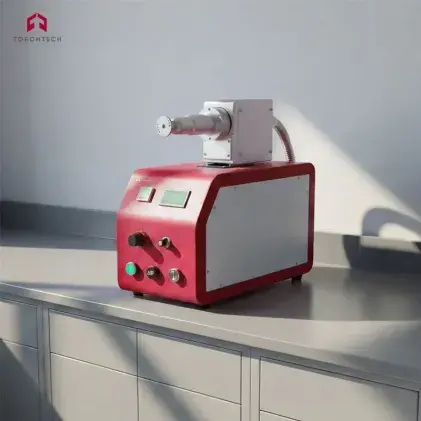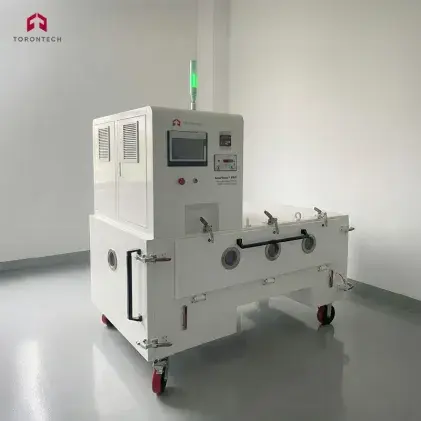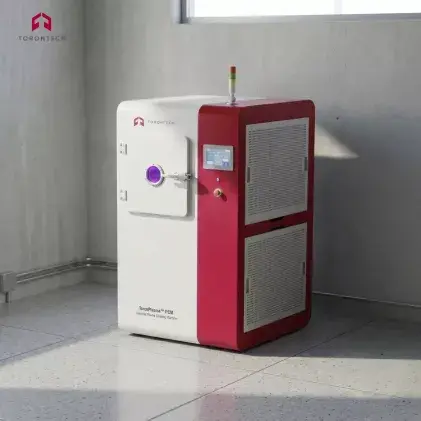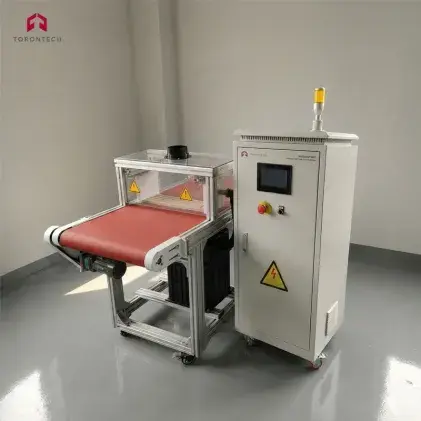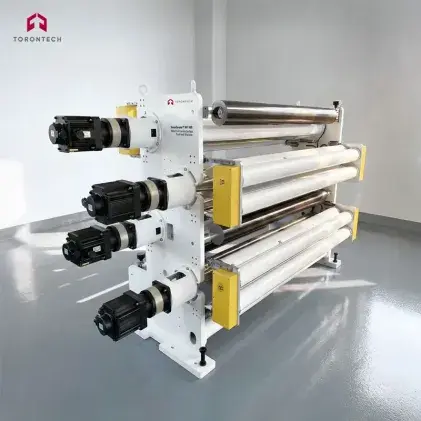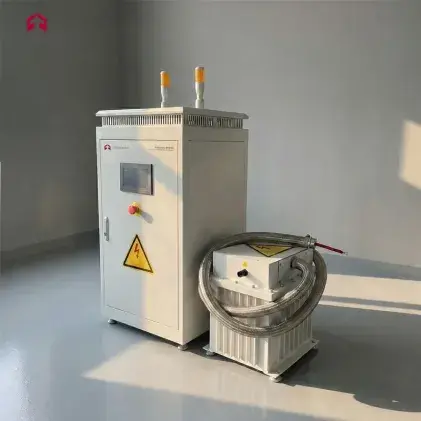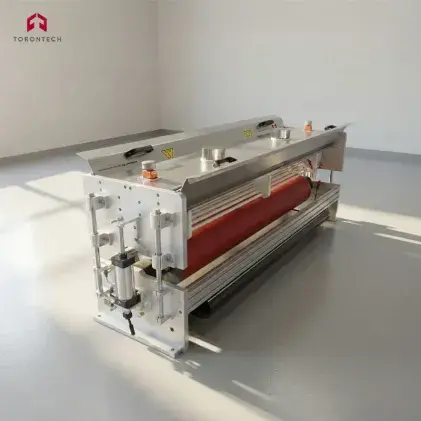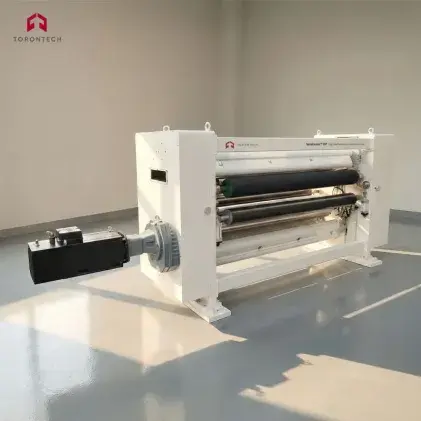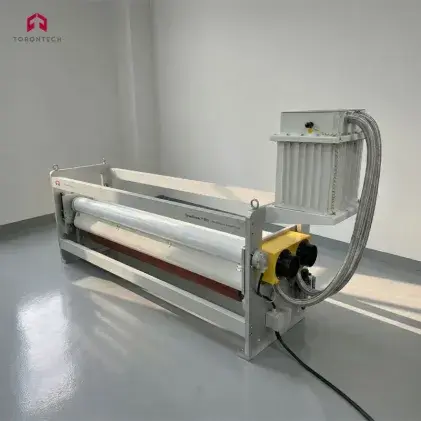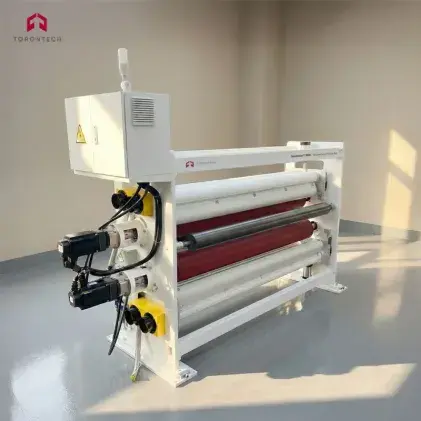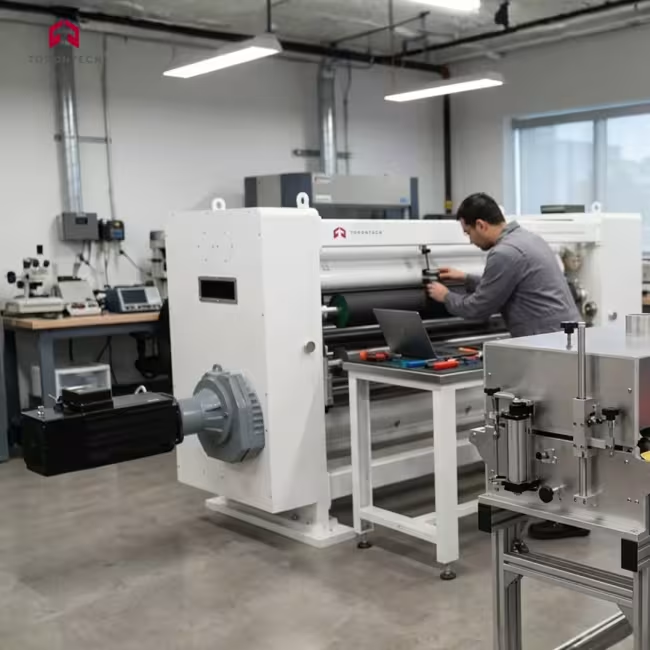
Corona & Plasma Treaters
Corona & Plasma Treaters for Reliable Polymer Surface Adhesion
Corona & Plasma Treaters solve one of the most common adhesion problems in industrial manufacturing. Plastic and polymer surfaces often resist bonding because materials like polyethylene (PE) and polypropylene (PP) have low surface energy. That “slippery” surface can cause ink smearing, poor coating flow, weak lamination, and early delamination. Production teams see the impact as rejects, rework, and customer complaints.
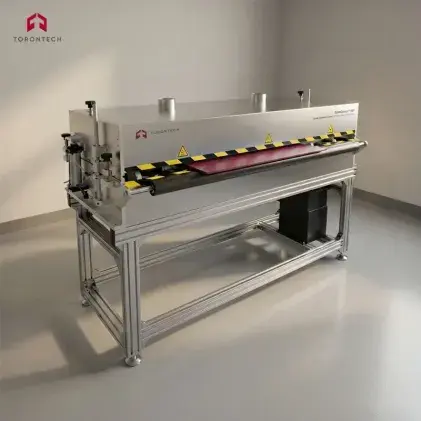
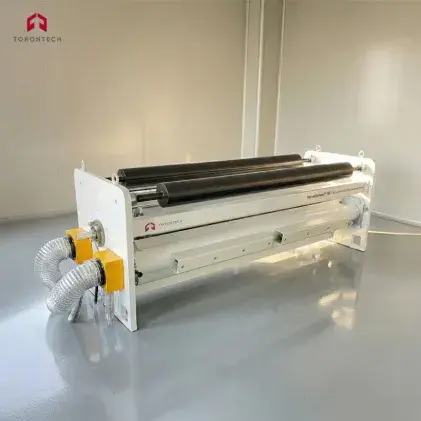
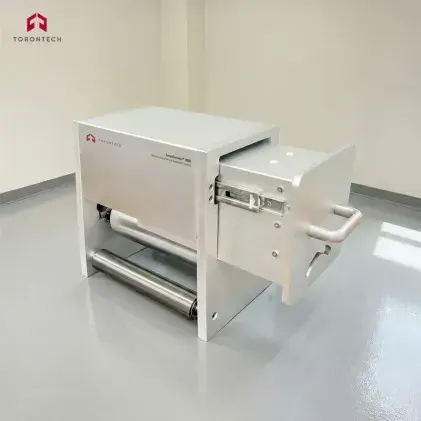
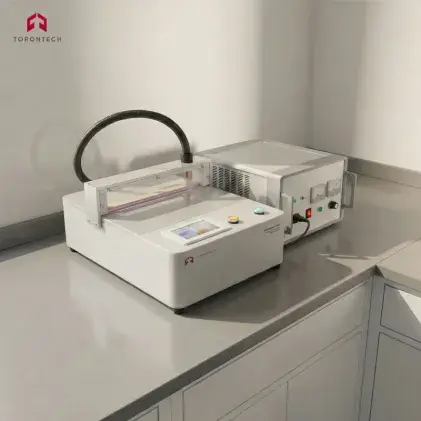
Torontech Corona & Plasma Treaters are surface treatment systems designed to increase surface energy and improve wettability. The process uses either a controlled high-voltage discharge (corona) or ionized gas (plasma) to modify the surface structure. As dyne level rises, inks, glues, and coatings anchor with better consistency. Printing, laminating, and painting lines depend on this step when adhesion quality must stay stable over time.
What Corona & Plasma Treaters Do
Corona treatment activates polymer surfaces using a high-voltage electrical discharge across an electrode. The treatment introduces functional groups on the surface and improves how liquids spread and wet the material. Better wetting leads to better bonding, especially on films and foils used in converting and packaging. Consistent dyne levels across the web help reduce variation across the roll.
Plasma treatment uses ionized gas and can be applied in more specialized cases, including complex geometries. It can support surface preparation on three-dimensional parts that are harder to treat uniformly using standard web-based systems. Many manufacturing teams use plasma when the application needs targeted activation, tighter control, or compatibility with complex parts. Selection depends on material type, line speed, part geometry, and the performance requirement.
Why Dyne Level Matters in Production
Surface tension affects how well inks, coatings, and adhesives spread before curing or setting. Low dyne levels often lead to beading, pinholes, or weak bond formation. Raising dyne level improves wetting so applied materials form a continuous film and develop stronger adhesion. This supports better print definition, stronger laminations, and more stable coating performance.
Common outcomes tied to improved surface energy include:
- Reduced ink smear and improved print durability
- Stronger lamination bond strength and fewer edge lifts
- Better coating uniformity with fewer defects
- Lower scrap rates caused by adhesion failures
Where Corona & Plasma Treaters Fit in Your Process
Surface treatment typically sits before printing, coating, laminating, bonding, or painting. Many manufacturers treat this step as a standard prerequisite for reliable adhesion on low-energy polymers. Process teams often validate performance using dyne testing and adhesion checks tied to their production specifications. A consistent treatment window helps stabilize performance across shifts and substrate lots.
If your operation experiences ink smear, laminate peel, coating defects, or weak adhesive bonding on polymers, Corona & Plasma Treaters are often the first process change to evaluate. Torontech surface treatment systems are designed to help production teams reach stable adhesion results with control that fits industrial conditions.
Applications & Industries
Torontech Corona & Plasma Treaters are used across manufacturing sectors where adhesion performance affects yield, durability, and compliance. Many operations add treatment inline as a standard process step, especially when bonding failures create expensive downstream issues. Application needs vary by substrate, chemistry, and production speed, so system selection should match the line conditions.
Flexible Packaging & Converting
Film and foil substrates often require treatment before printing, coating, or lamination. Corona & Plasma Treaters help prepare common flexible packaging materials, including PE, PP, BOPP, and metallized films. Better surface energy reduces ink defects and supports stable laminate bonds.
Typical use cases include:
- Treating plastic films prior to flexographic, gravure, or digital printing
- Preparing metallized foils for lamination and coating
- Reducing ink smear and improving rub resistance
- Minimizing laminate peel and adhesion-related scrap
Automotive Manufacturing
Many automotive components use polymers that resist paint, flocking, or adhesive bonding without surface preparation. Treaters help improve paint adhesion on bumpers, dashboards, and trim. Surface activation also supports sealing applications where gaskets and adhesives must bond reliably.
Common applications include:
- Preparing interior and exterior polymer parts for painting
- Supporting flocking adhesion on selected components
- Improving bonding reliability for gaskets and seals
- Reducing adhesion failures after thermal cycling and handling
Medical & Pharmaceutical
Medical components often use plastics that need stable printing and bonding performance. Treaters help enable clean, durable marking on catheters, syringes, and tubing. Surface preparation also supports bonding between multiple components, such as hubs and needles.
Typical outcomes include:
- Better adhesion of measurement lines and traceability marks
- Improved bonding on tubing and molded polymer components
- Higher consistency in multi-part device assembly
- Reduced risk of label and ink wear during handling
Wire, Cable & Pipe Extrusion
Marking and identification can fail when surfaces resist ink or coding adhesion. Treaters prepare wires, cables, and pipes for inkjet coding, marking, and labeling. Better adhesion helps prevent rub-off during spooling, installation, and field use.
Common use cases include:
- Inline treatment before printing lot codes and specifications
- Improving label adhesion on difficult polymer surfaces
- Supporting durable marking for compliance and traceability
- Reducing rework caused by unreadable or incomplete codes
Electronics & Appliances
Many electronic and appliance components rely on adhesives, coatings, and protective layers that must bond consistently. Treaters support adhesion on phone screens, circuit boards, plastic housings, and coated components. Improved bonding helps protect surfaces and reduce failures caused by peeling or poor coating integrity.
Frequent applications include:
- Preparing housings for coating and adhesive bonding
- Supporting protective coating adhesion on selected components
- Improving bond consistency on plastic substrates
- Reducing peeling, lifting, and cosmetic defects
Why Choose Torontech for Surface Treater Solutions
Adhesion problems rarely come from one factor alone. Material chemistry, line speed, contamination, and process control all influence bond quality. Torontech focuses on consistent, production-ready treatment performance, so adhesion results stay stable across shifts and roll changes. Selection support matters because the wrong configuration can create uneven treatment, wasted energy, or inconsistent dyne levels.
Precision Engineering for Consistent Treatment
Torontech treaters are designed to deliver uniform surface activation across the material width. Uniform treatment helps avoid dry spots that can cause print defects or weak laminate areas. Consistent dyne results support predictable bonding, which helps production teams reduce process variability. This approach supports printing, coating, and lamination workflows where stability matters.
Versatility Across Materials and Use Cases
Production environments vary widely across industries and product types. Torontech supports treatment for delicate polymer films, conductive foils, and complex three-dimensional components. The range is intended to cover both standard inline converting needs and specialized surface activation requirements. This flexibility supports manufacturers working across multiple substrate families.
Durable Construction for Industrial Uptime
Surface treaters often run continuously under demanding conditions. Torontech systems are built with robust generator designs and durable electrode materials suited for industrial operation. Lower maintenance requirements help reduce downtime and stabilize throughput. Uptime matters because adhesion failures usually appear downstream, where rework becomes expensive.
Technical Support That Matches Production Reality
System performance depends on correct selection, installation, and process alignment. Torontech supports customers from system selection through integration into existing production lines. Technical guidance is especially valuable when teams need repeatable dyne performance across different substrates. Strong support also helps shorten commissioning time and stabilize early production runs.
Cost-Focused Efficiency That Reduces Waste
Adhesion failures can increase scrap, slow production, and create quality claims. Torontech treaters are designed to support efficient treatment at production speeds that match industrial requirements. Better adhesion reduces waste caused by delamination, poor print adhesion, and coating defects. Over time, reduced scrap and rework can improve total production economics.