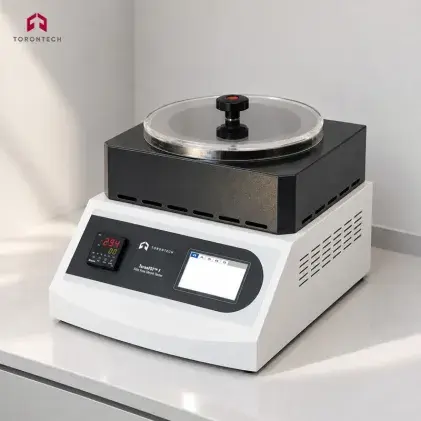
Flexible Packaging and Film Testing Equipment
Barrier, Mechanical, and Seal Integrity Testing for Films, Laminates, and Pouches | ASTM and ISO Methods
Flexible packaging testing equipment measures how films, laminates, and finished pouches perform through converting, filling, distribution, and shelf life. The category covers three areas: barrier properties, mechanical strength, and seal integrity. Test methods follow ASTM and ISO. Converters, film extruders, brand owners, and contract packagers use these instruments to qualify new structures and release production lots.
Barrier testing quantifies oxygen, water vapor, and gas transmission through a film or a filled package. Mechanical testing covers tensile strength, tear resistance, thickness, friction, and shrinkage. Seal testing verifies that heat seals hold under pressure and that packages stay closed. Together the three groups build a complete picture of a packaging structure.
Applications
Flexible packaging and film testing supports material development, converting quality control, and regulatory documentation across several industries.
- Food and Beverage: verifies oxygen and moisture barrier levels that determine product shelf life, and confirms seals survive filling and transit.
- Pharmaceutical and Medical Device: qualifies sterile barrier systems, blister lidding, and pouch seals against moisture ingress and leak requirements.
- Flexible Packaging Converting: monitors lamination bond strength, print durability, and seal windows on production lines running printing, laminating, and slitting.
- Film Extrusion and Resin Development: compares barrier and mechanical performance across new resin blends, coatings, and multilayer structures.
Labels, Tapes, and Adhesives: measures tack, peel strength, and shear adhesion on pressure-sensitive constructions.
Flexible Packaging and Film Testing Equipment Range
The range groups into four families. Most labs start with barrier and seal instruments, then add mechanical and adhesion testers as their scope widens.
Barrier and Permeability Testers
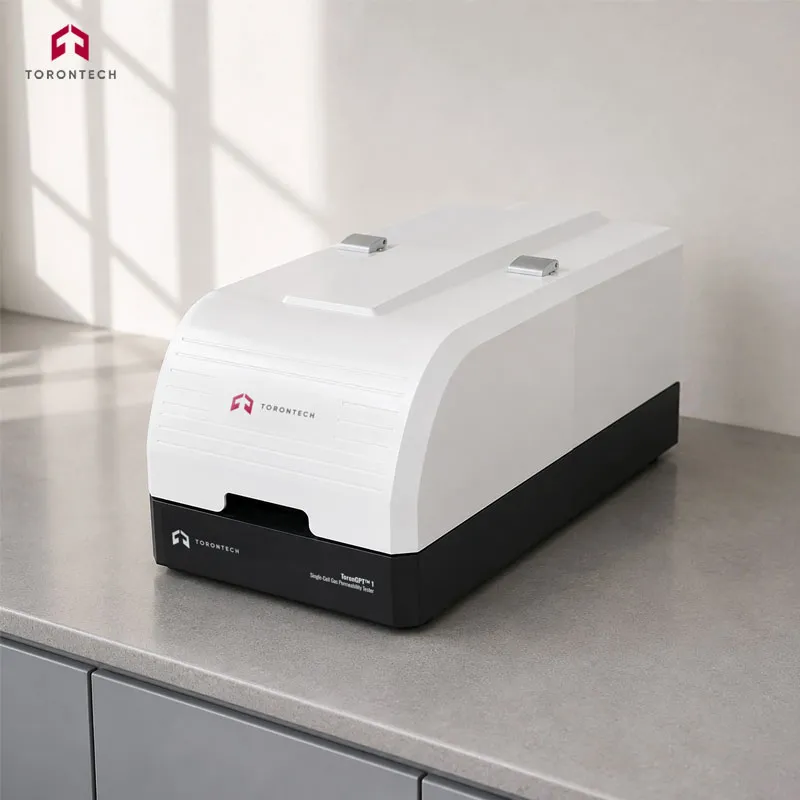
These instruments measure how much oxygen, water vapor, or other gas passes through a film, laminate, or filled package. Gas permeability testers use the differential pressure method of ASTM D1434 and ISO 15105-1, while oxygen transmission rate testers use a coulometric sensor per ASTM D3985. Water vapor testers cover gravimetric cup methods under ASTM E96 and sensor-based methods under ASTM F1249, so you can match the technique to your barrier level. High-barrier structures need sensor methods; general-purpose films are well served by gravimetric units.
Mechanical and Physical Property Testers
This group characterizes how a film behaves when it is stretched, torn, handled, or heated. Tensile testers run ASTM D882 and ISO 527-3 on thin plastic sheeting, Elmendorf testers measure tear resistance under ASTM D1922, and coefficient of friction testers apply ASTM D1894 to predict how film runs through a converting or filling machine. Thickness gauges and thermal shrinkage testers round out the set for dimensional and heat stability checks.
Seal Integrity and Package Testers
Seal instruments answer whether a package stays closed. Heat seal testers form seals under controlled temperature, pressure, and dwell time to map a seal window, hot tack testers measure seal strength while the seal is still hot, and seal strength testers apply burst and creep pressure per ASTM F1140. Vacuum leak testers using ASTM D3078 catch gross leaks in pouches and sachets before shipment.
Adhesion and Print Durability Testers
Converting quality depends on bonds holding and print surviving handling. Peel strength testers measure lamination bond and delamination resistance, shear adhesion and tack testers evaluate pressure-sensitive adhesives, and ink rub testers apply ASTM D5264 to check print abrasion resistance on finished webs.
Why Choose Torontech for Your Flexible Packaging and Film Testing Equipment
Torontech supplies testing and measurement equipment to laboratories and manufacturers across North America and worldwide, backed by responsive technical support and calibration service. The flexible packaging and film testing equipment range is built for reliable, standards-driven results, so you can standardize on one supplier as your testing needs grow. Our team helps you match the right configuration to your samples, applicable standards, and throughput, then supports you through installation and beyond.
Request a Quote
Tell us your film structure, the standards you test to, and your sample volume, and we will recommend the right configuration. Contact the Torontech team for pricing, lead times, and application support.
Flexible Packaging and Film Testing Equipment | Available Products
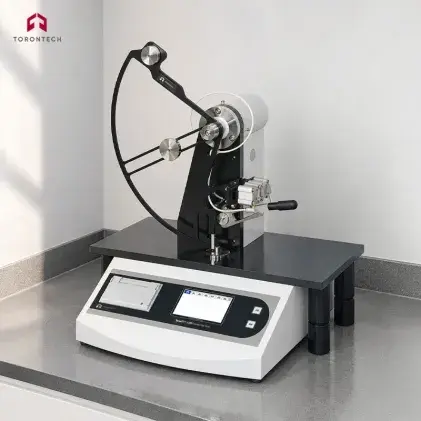
Elmendorf Tear Tester
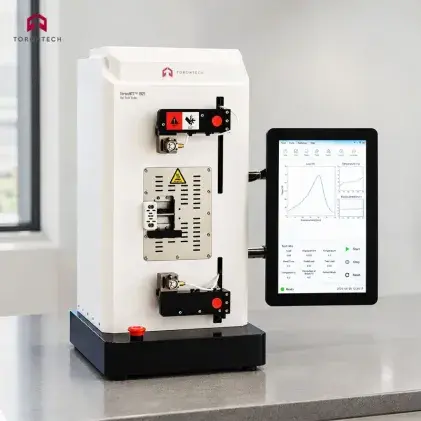
Hot Tack Tester
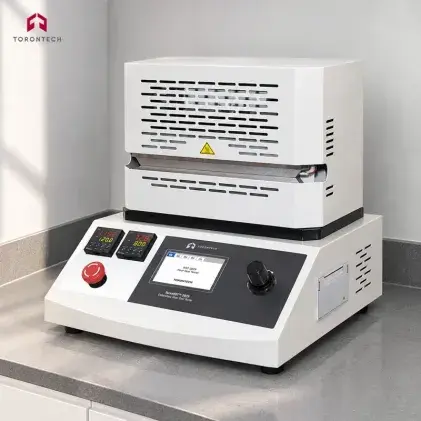
Laboratory Heat Seal Tester
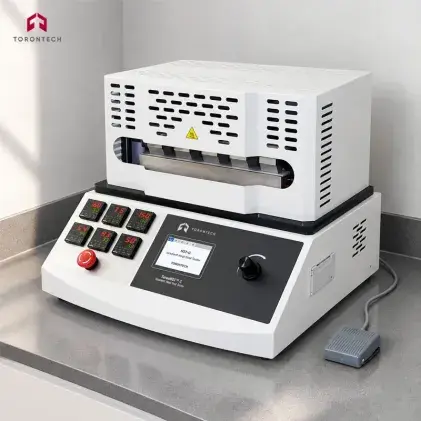
Gradient Heat Seal Tester
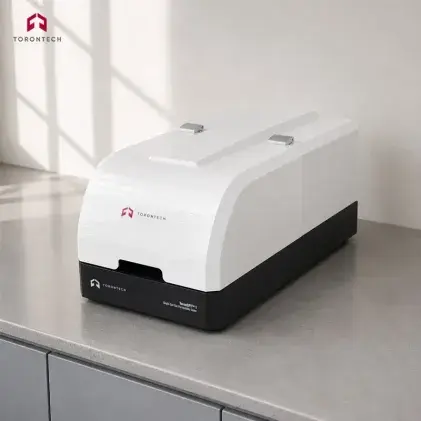
Gas Permeability Tester
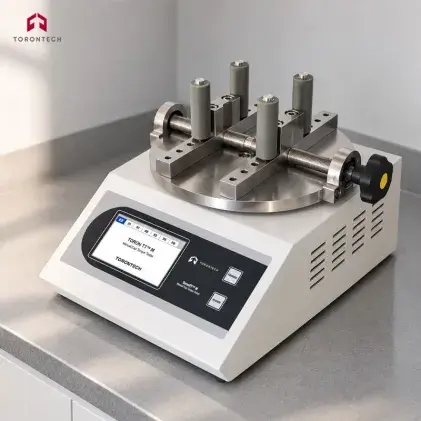
Manual Cap Torque Tester
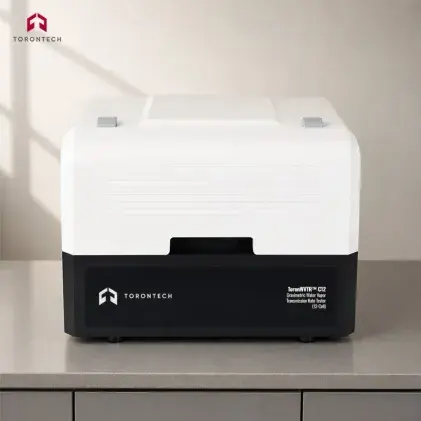
Water Vapor Transmission Rate Tester – Water Vapor Permeability Tester
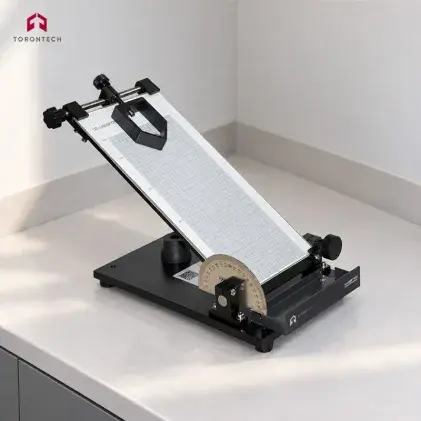
Rolling Ball Tack Tester

Air Permeability Tester
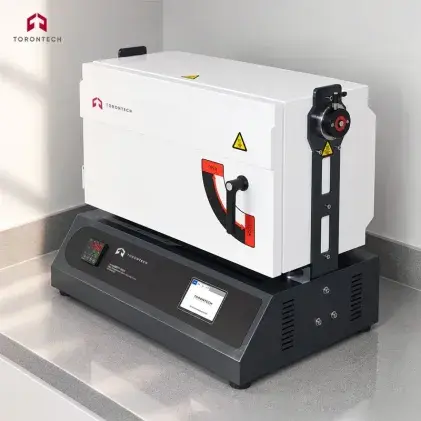
High-Temperature Shear Adhesion Tester (6-Station)
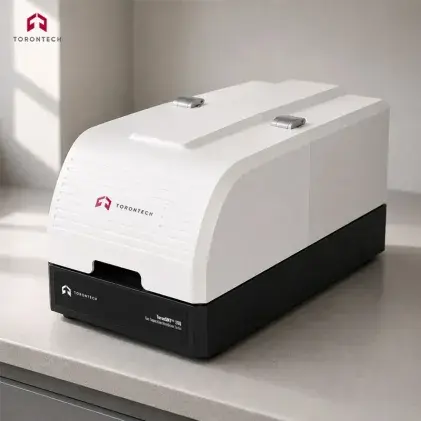
Gas Separation Membrane Tester
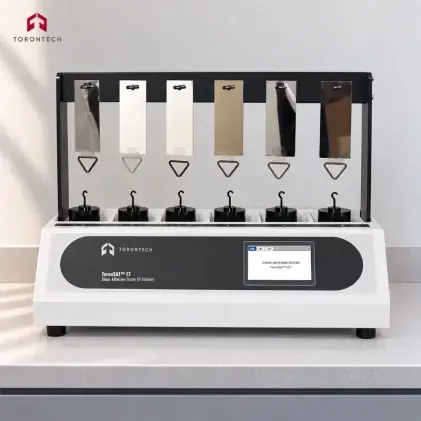
Shear Adhesion Tester (6-Station)
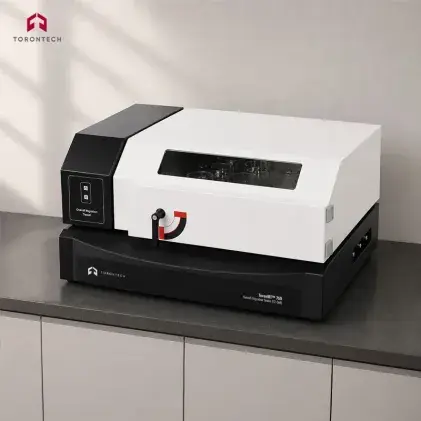
Overall Migration Tester (12-Cell)
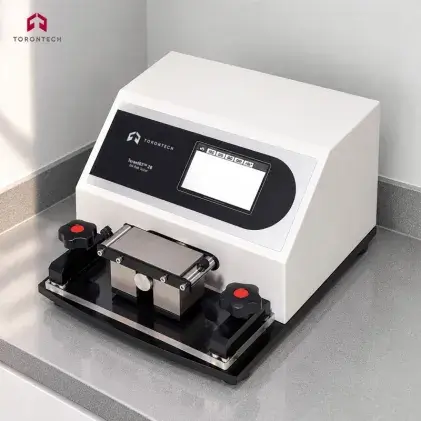
Ink Rub Tester
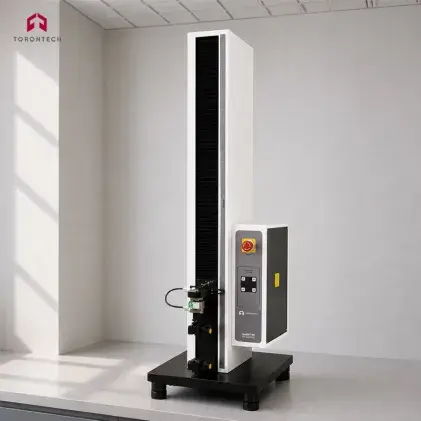
Film Tensile Tester
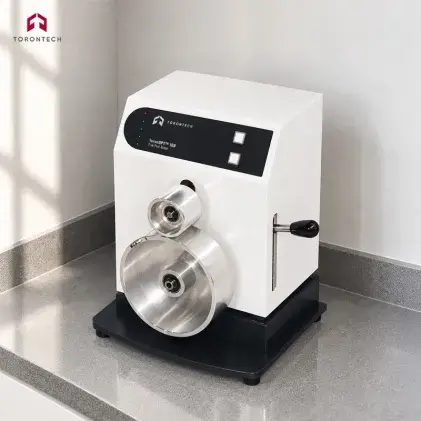
Disk Peel Tester
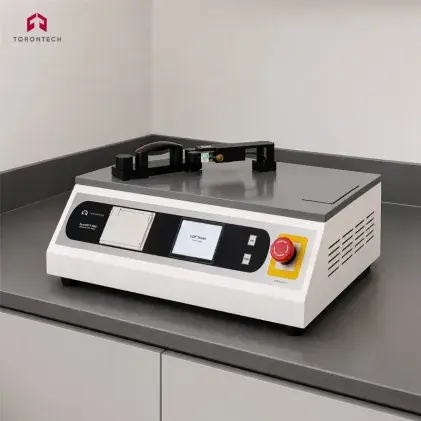
Coefficient of Friction Tester
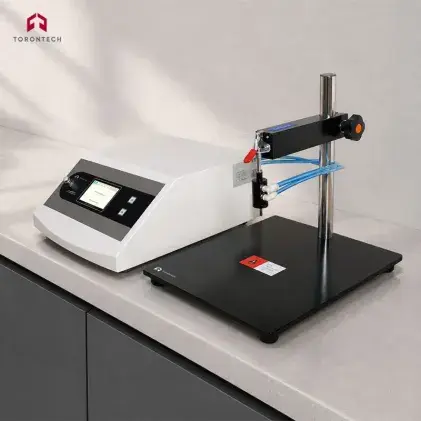
Seal Strength Tester
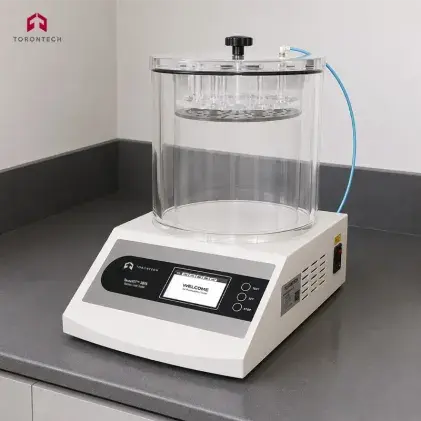
Vacuum Leak Tester
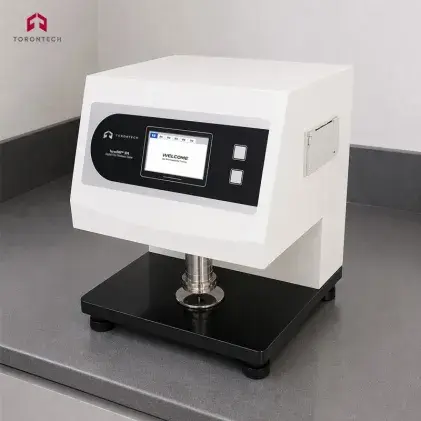
Digital Film Thickness Tester
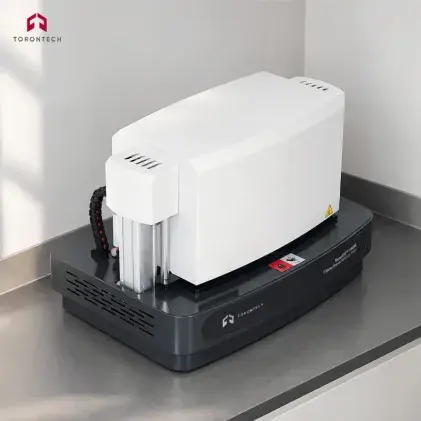
3-Station Thermal Shrinkage Tester