
Crude Oil Testing Equipment
Crude Oil Testing Equipment
Crude oil is one of the most complex and variable natural materials handled by the global energy industry. Its physical and chemical properties — water content, API gravity, sulfur levels, salt content, sediment, carbon residue, calorific value, and detailed elemental and compositional analysis — vary significantly between production fields, blend streams, and delivery batches. Accurate, comprehensive crude oil testing is essential at every point in the value chain: wellhead, gathering system, pipeline terminal, export loading point, refinery intake, and process unit feed.
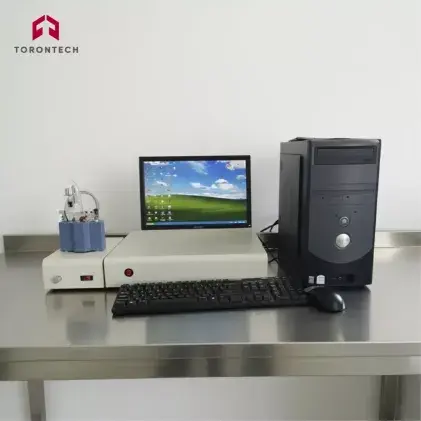
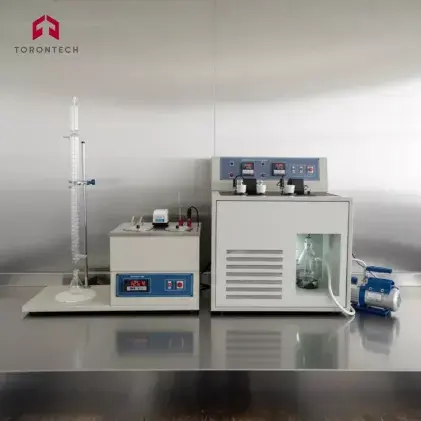
Torontech's crude oil testing equipment portfolio provides a complete, standards-compliant solution for all critical crude oil quality parameters. With 21 dedicated instruments covering flash point, water and sediment determination, sulfur analysis, API gravity, salt content, compositional analysis, and advanced elemental testing by ICP, Torontech enables petroleum laboratories to perform the full range of crude oil characterization tests from a single, specialized equipment supplier.
Crude oil testing equipment supports every stage of the petroleum supply chain, from the wellhead to the refinery gate, where accurate characterization protects both value and equipment.
Exploration and Production
Characterize crude at the wellhead to assess quality and value early, and to plan handling and transport.
Custody Transfer and Trading
Confirm density, water content, and sulfur at the point of sale, where small differences in quality affect price and contract compliance.
Refinery Acceptance and Blending
Verify incoming crude against specification and guide blending decisions that keep refinery units running within design limits.
Pipeline and Terminal Operations
Monitor water, sediment, and flow properties to protect pipelines, tanks, and pumps from corrosion and deposits.
Application
Torontech's crude oil testing instruments support quality assurance, process control, and commercial operations across the entire crude oil industry:
- Custody transfer and terminal operations: API gravity, water content, BS&W (basic sediment and water), and salt content testing are mandatory at all crude oil custody transfer points to determine net quantity and commercial value.
- Refinery feedstock evaluation: Comprehensive crude oil assay testing (API gravity, sulfur, water, carbon residue, distillation, paraffin/resin/asphaltene content) is performed on incoming crude batches to optimize refinery processing plans.
- Pipeline quality monitoring: Continuous monitoring of water content, sediment, API gravity, and salt content ensures pipeline integrity and delivery specification compliance.
- Upstream production facilities: Flash point and basic quality testing at production sites for initial crude oil characterization and safe handling verification.
- Crude oil blending: API gravity, sulfur, and viscosity testing of blend components and finished blend streams to achieve target commercial specifications.
- Equipment protection: Salt, sediment, and water content testing protects refinery desalters, heat exchangers, and distillation columns from fouling and corrosion caused by crude oil contaminants.
- Calorific value determination: Gross calorific value (ASTM D5865) by automatic calorimeter for crude oil energy content assessment and fiscal metering support.
1. Full-Property Coverage
The equipment range covers the core crude parameters, including density and API gravity, distillation, sulfur, water and sediment, viscosity, and pour point.
2. Standards-Based Testing
Instruments operate to recognized ASTM and ISO methods, such as ASTM D4052 for density and ASTM D2892 for distillation, so results are accepted across the industry.
3. Density and API Gravity
Digital density meters determine API gravity quickly, the first indicator of whether a crude is light or heavy.
4. Distillation Analysis
Distillation systems separate the crude into boiling-range fractions to predict product yields.
5. Sulfur and Contaminant Measurement
Sulfur analyzers and water-content testers identify properties that affect processing, corrosion, and emissions.
6. Reliable, Repeatable Results
Controlled test conditions and calibrated instruments deliver consistent data for trading, custody transfer, and refinery operation.
Why Choose Torontech's Series for Your Crude Oil Testing?
Torontech's crude oil testing equipment portfolio is designed around the specific, demanding requirements of crude oil analysis:
- End-to-End Crude Oil Coverage: From wellhead flash point safety testing to refinery ICP trace metal analysis, Torontech's 21-instrument crude oil range addresses every test parameter in the crude oil characterization workflow.
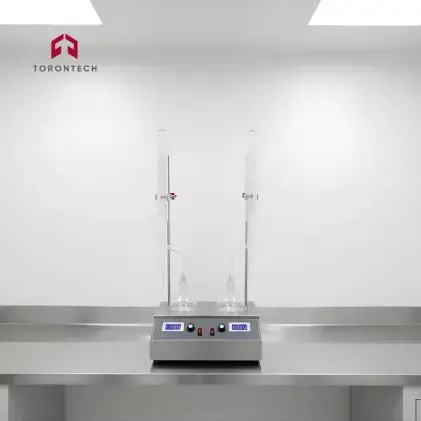
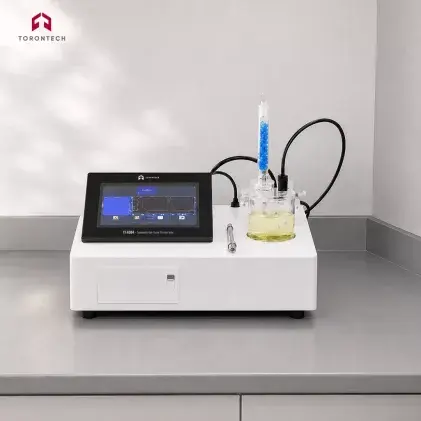
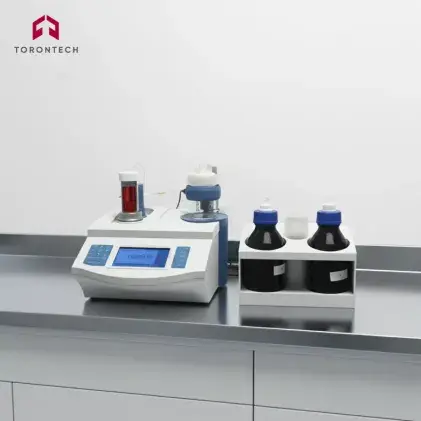
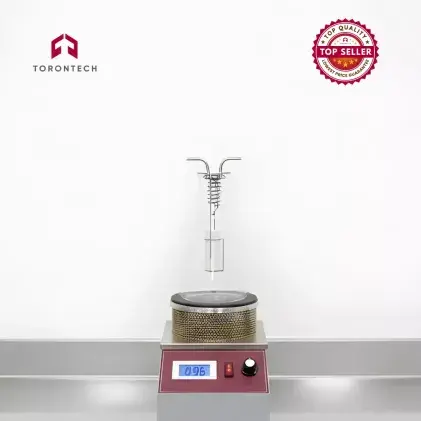
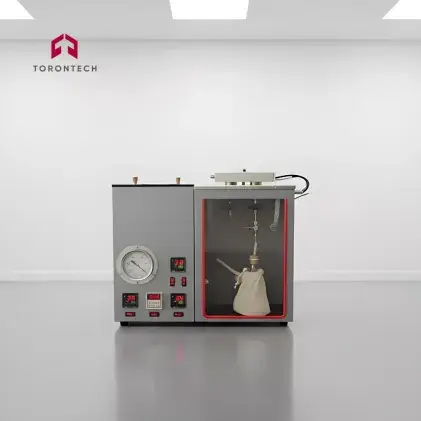
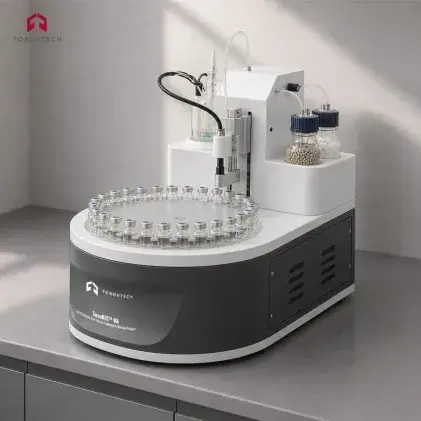
- Water Content Dual-Method Capability: Torontech offers both distillation-based water determination (TT-4006A, ASTM D4006) and Karl Fischer titration (TT-6304 coulometric, TT-203 volumetric), enabling laboratories to apply the most appropriate water content method for each crude oil type and concentration range.
- Comprehensive Sulfur Analysis: Three sulfur analysis technologies — quartz tube (TT-1551), lamp method (TT-1266), and micro coulometric titration (TT-4929) — cover the range of sulfur measurement methods required for crude oil chlorine and sulfur species analysis.
- Paraffin, Resin, and Asphaltene Analysis: Torontech's specialized TT-6560 apparatus for paraffin, resins, and asphaltenes content in crude oil addresses a critical compositional analysis requirement that is unique to crude oil evaluation and not available from most instrument suppliers.
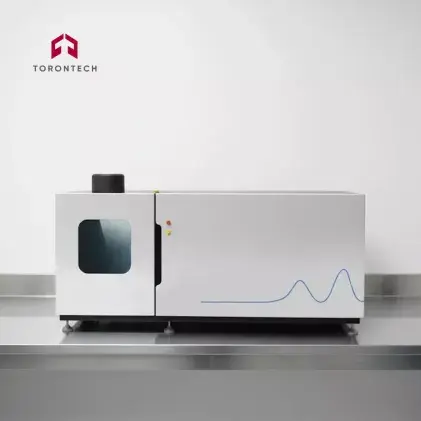
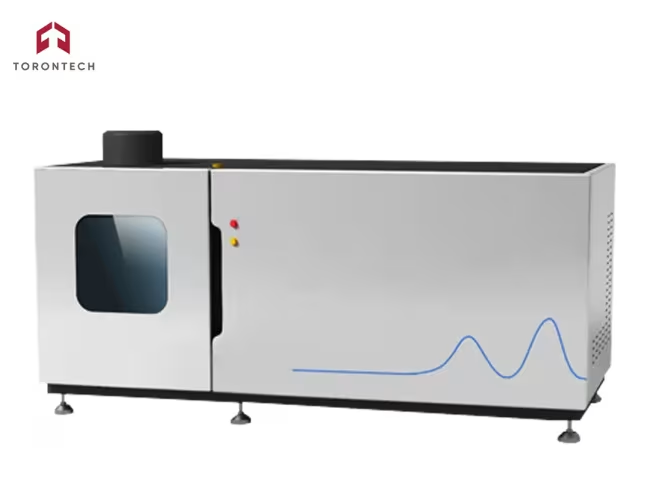
- ICP for Trace Metals: The TT-5708 ICP system for crude oils and residual fuels is specifically configured for the challenging crude oil matrix, delivering accurate vanadium, nickel, iron, and sodium trace metal data essential for refinery catalyst protection and corrosion management.
Crude oil testing characterizes a crude before it is refined, because the value of a crude and the way a refinery processes it depend on a set of measured physical and chemical properties. A laboratory runs several standardized tests, each measuring a different property.
Key Properties and How They Are Measured
Density and API gravity, measured to ASTM D1298 or D4052, indicate whether a crude is light or heavy. A distillation test, such as ASTM D2892, separates the crude into fractions by boiling range, which predicts the yield of products like gasoline and diesel. Sulfur content, measured by ASTM D4294, shows whether the crude is sweet or sour and affects processing and emissions.
Contaminants and Flow Behavior
Water and sediment tests, such as ASTM D4928 and D473, reveal contamination that can corrode equipment, while viscosity and pour point describe how the crude flows and pumps at different temperatures. Together these measurements build a complete profile of the crude, which guides pricing, blending, and refinery operation.
How to Choose: Crude Oil Instrument Comparison
Use the comparison table below to identify the Torontech instruments relevant to your crude oil testing requirements:
| Instrument | Model | Standard |
|---|---|---|
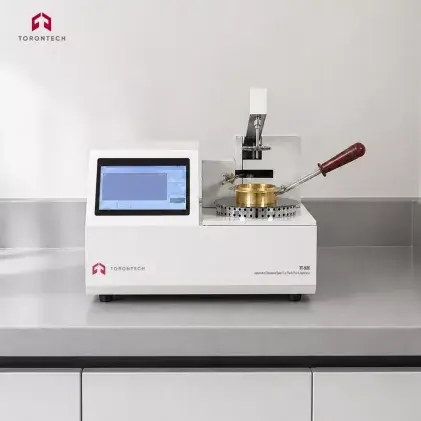
| Manual Cleveland Open Cup Flash Point Tester | TT-92 | ASTM D92 |
| Automatic Cleveland Open Cup Flash Point Tester | TT-92Z | ASTM D92 |
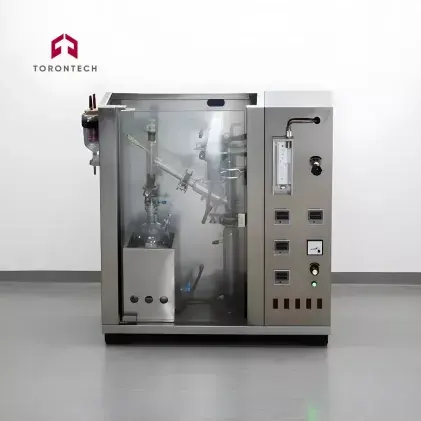
| Vacuum Distillation Apparatus | TT-1160 | ASTM D1160 |
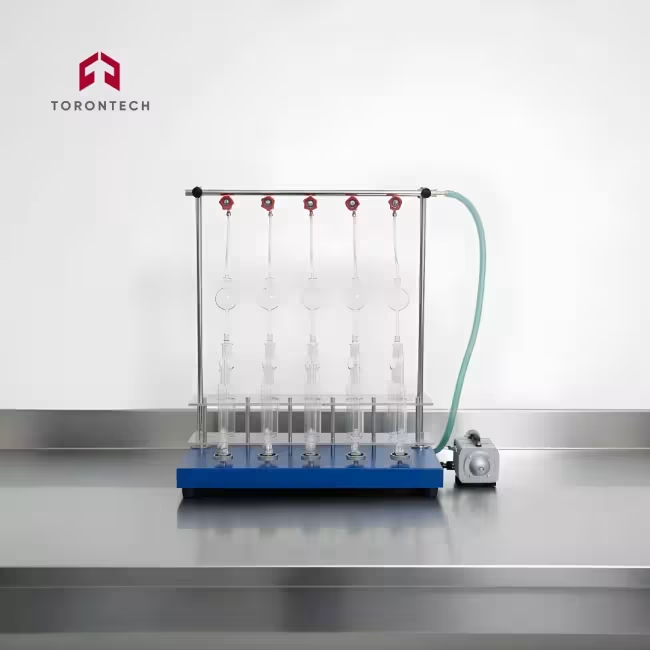
| Water in Crude Oil Apparatus (Distillation) | TT-4006A | ASTM D4006 |
| Coulometric Karl-Fischer Titration Tester | TT-6304 | ASTM D6304 |
| Volumetric Karl Fischer Moisture Titrator | TT-203 | ASTM D1533 |
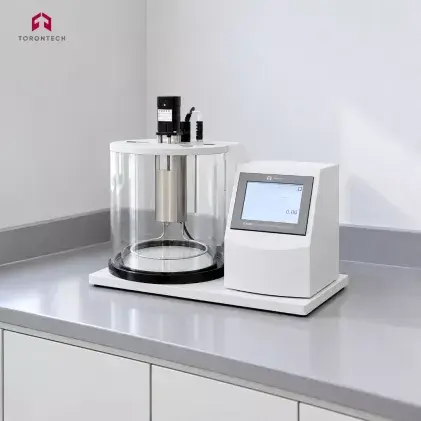
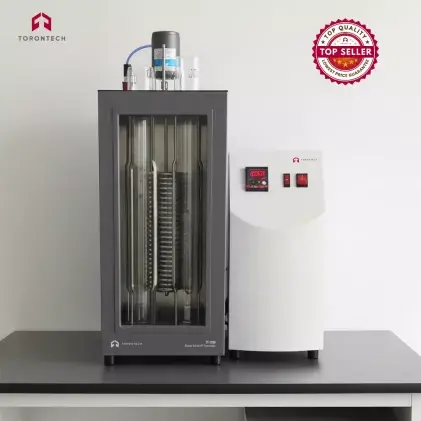
| Semi Automatic Kinematic Viscosity Apparatus | TT-445BZ | ASTM D445 |
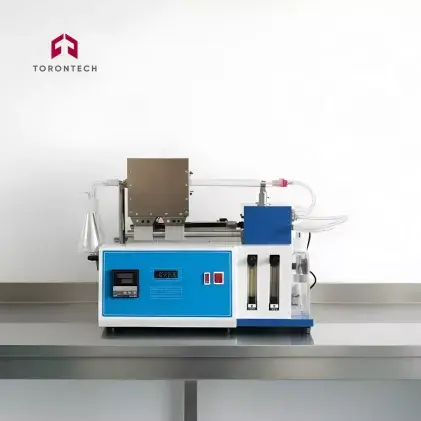
| Quartz Tube Sulfur Apparatus | TT-1551 | ASTM D1551 |
| Sulfur Lamp Method Unit | TT-1266 | ASTM D1266 |
| Sulfur and Chlorine Micro Coulometric Titrator | TT-4929 | ASTM D4929 |
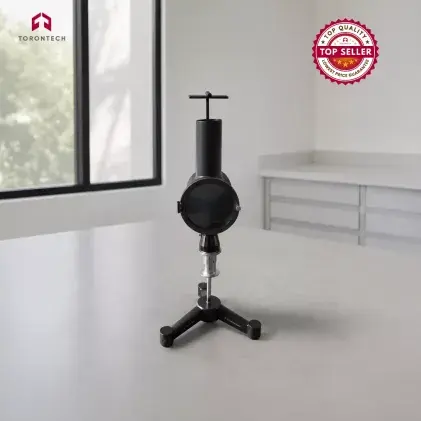
| Density Test by API Hydrometer | TT-1298 | ASTM D1298 |
| Ramsbottom Carbon Residue Apparatus | TT-524 | ASTM D524 |
| Smoke Point Apparatus for Kerosene | TT-1322 | ASTM D1322 |
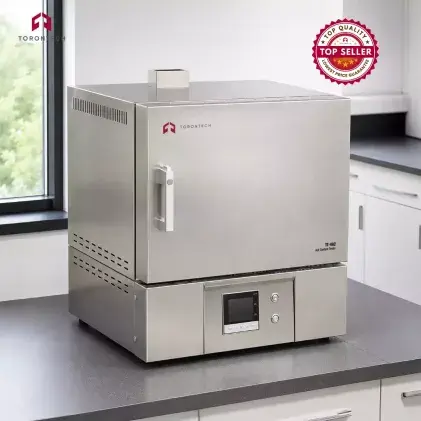
| Ash Content for Petroleum Product | TT-482 | ASTM D482 |
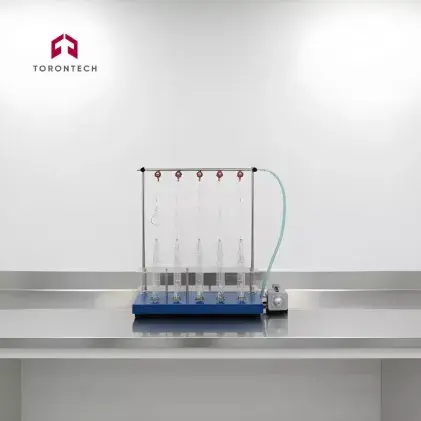
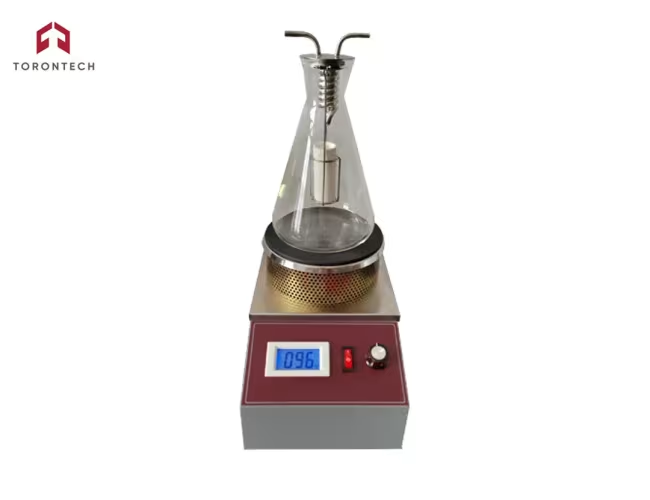
| Sediment Extraction in Crude Oil and Fuel Oil | TT-473 | ASTM D473 |
| Total Sediment in Residual Fuels | TT-4870 | ASTM D4870 |
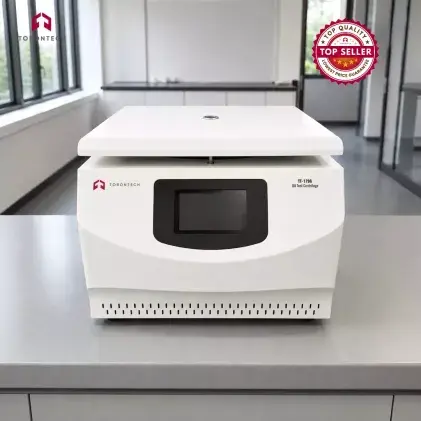
| Oil Test Centrifuge | TT-1796 | ASTM D1796 |
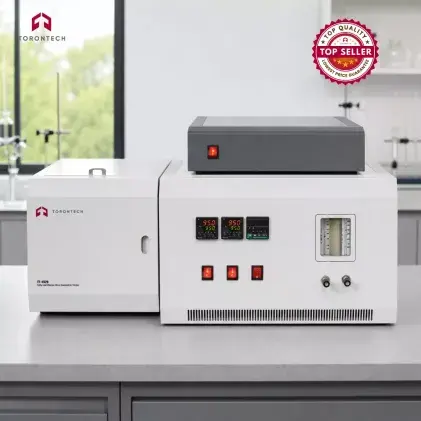
| Automatic Calorimeter | TT-5865 | ASTM D5865 |
| Salt Content of Crude Oil Tester | TT-3230 | ASTM D3230 |
| ICP for Crude Oils and Residual Fuels | TT-5708 | ASTM D5708 |
| Paraffin, Resins and Asphaltenes in Crude Oil | TT-6560 | IP 143 |
✓ = Primary use ◑ = Secondary/applicable — = Not primary