Spectroscopic and Chromatographic Equipment for Petroleum
Petroleum analytical instruments for composition, elemental, and molecular analysis | ASTM, ISO & EN
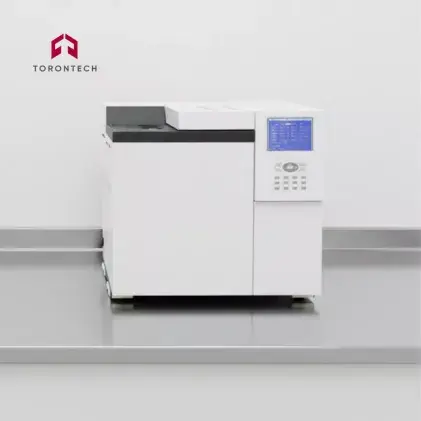
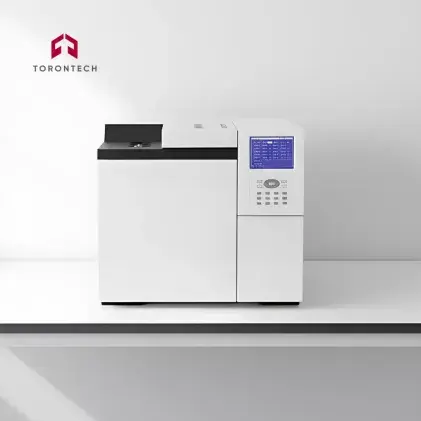
Petroleum analytical instruments for spectroscopy and chromatography fall into two complementary technology families used to determine the elemental composition, molecular structure, and chemical species content of petroleum products, fuels, lubricants, and related materials. Torontech supplies these instruments to refineries, commercial oil laboratories, petrochemical plants, power utilities, and QC teams across North America and worldwide.
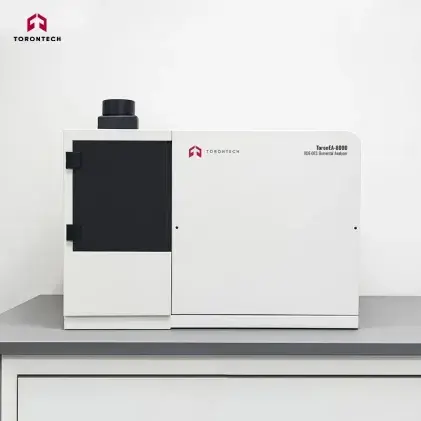
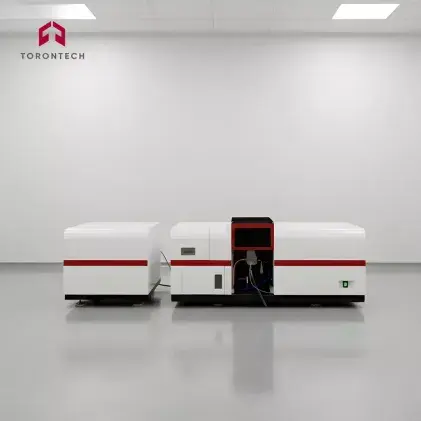
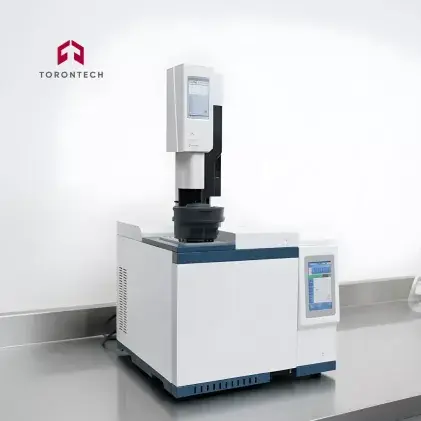
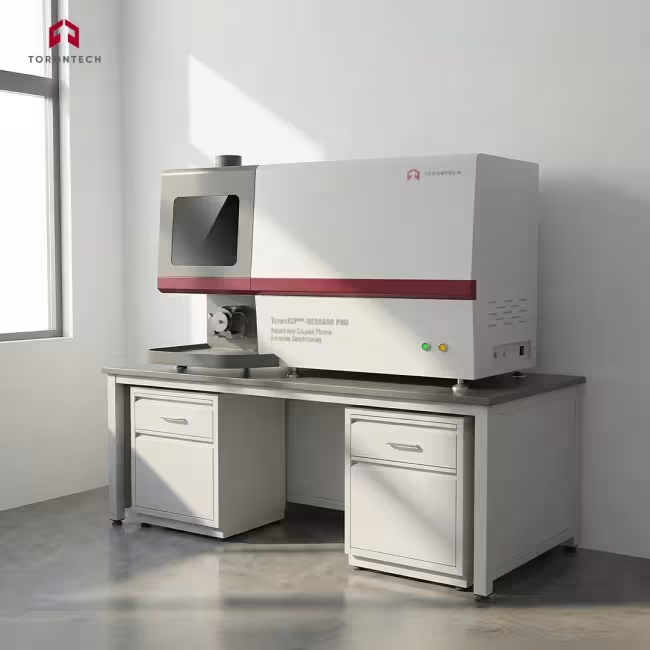
Gas chromatography separates and quantifies individual molecular compounds in complex petroleum matrices, while spectroscopy techniques (ICP-OES, RDE-OES, AAS, and UV-VIS) detect and measure trace elements, wear metals, and additive concentrations from percent levels down to sub-ppm. Together they cover the full analytical scope that petroleum laboratories require.
How to Choose the Right Petroleum Analytical Instrument
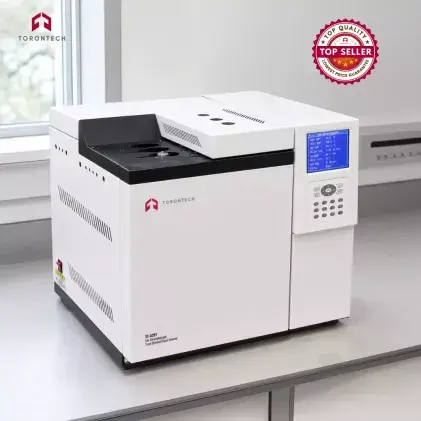
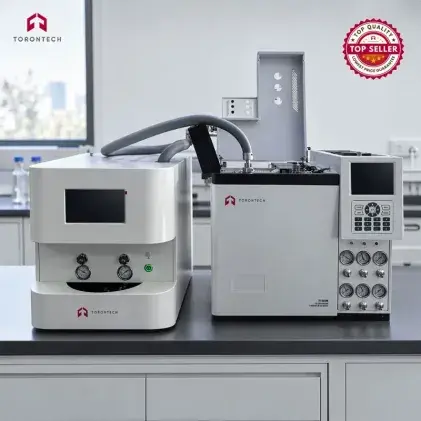
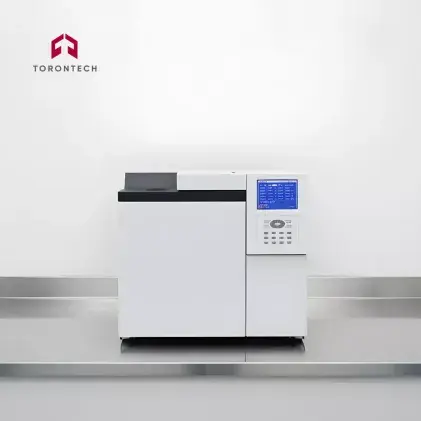
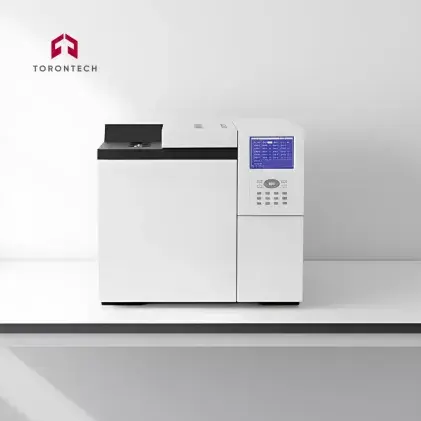
- To identify what molecular or chemical species are in a fuel, gas, or lubricant: choose a GC system — gas chromatography resolves individual compounds that viscosity, density, and flash point tests cannot distinguish. Match the GC to your specific matrix (gasoline, LPG, natural gas, biodiesel, transformer oil, or used engine oil).
- For dissolved gas analysis in transformer insulating oil: choose the TOGA GC (ASTM D3612, IEC 60567), which is pre-configured for head-space gas extraction and dual-detector (TCD and FID) measurement of all fault gases simultaneously.
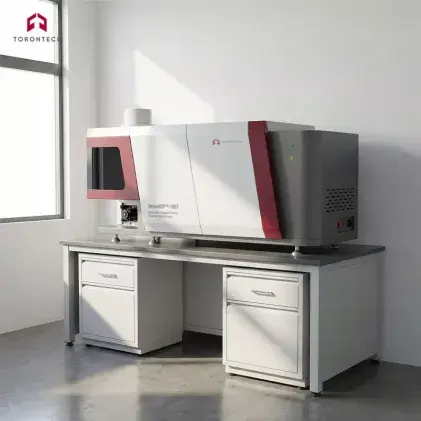
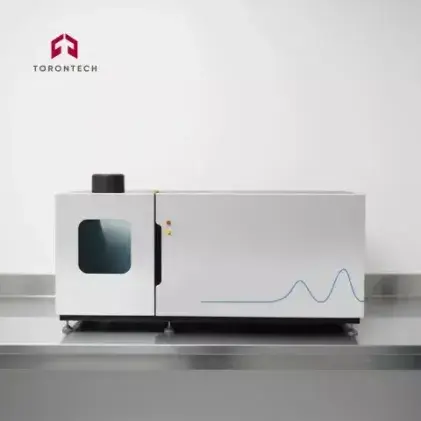
- To quantify additive or contaminant elements in a lubricant by ICP: select the system matched to your matrix — unused lube (ASTM D4951) for new oil formulation and used lube (ASTM D5185) for in-service oil, since each requires matrix-specific calibration curves and digestion conditions.
- For high-throughput used oil wear metal screening without sample preparation: choose RDE-OES (ASTM D6595, D6728), which delivers 24 to 32 element results in approximately 30 seconds directly from the oil sample with no digestion or dilution.
- For trace metal analysis in crude oil or heavy residual fuels: choose the ICP configured for ASTM D5708, which handles the high-viscosity and high-matrix conditions specific to crude and residual products.
- For lead in gasoline or regulatory leaded fuel monitoring: choose AAS per ASTM D3237, the standard reference method for lead determination accepted by regulatory programs worldwide.
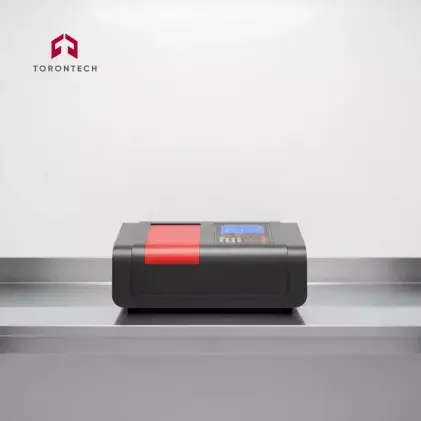
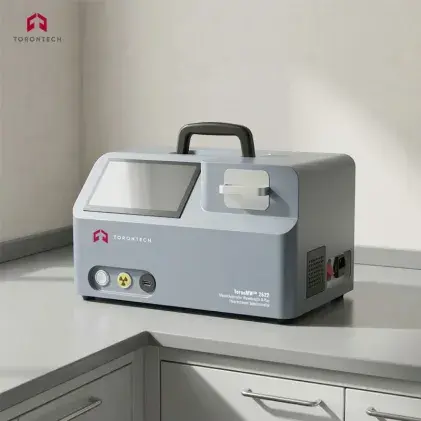
- For naphthalene content in aviation turbine fuel, or UV absorption characterization of petroleum aromatic content: choose UV-VIS spectrometry per ASTM D1840.
Why Choose Torontech for Your Petroleum Analytical Instruments
Torontech supplies testing and measurement equipment to laboratories and manufacturers across North America and worldwide, backed by responsive technical support and calibration service. The petroleum analytical instruments range is built for reliable, standards-driven results, so you can standardize on one supplier as your testing needs grow. Our team helps you match the right configuration to your samples, applicable standards, and throughput, then supports you through installation and beyond.
Request a Quote
Tell us your sample matrix, the analytes or compounds you need to measure, and the applicable standard, and our team will identify the right instrument from this range. Contact the Torontech team for pricing, datasheets, and technical guidance.
Applications
Petroleum spectroscopy and chromatography instruments are used wherever composition, elemental purity, or chemical identity needs to be measured against a defined standard.
- Refinery quality control and process analysis: Crude oil trace metals by ICP (ASTM D5708); naphtha detailed hydrocarbon analysis by GC (ASTM D5134); and natural gas composition by GC (ASTM D1945).
- Lubricant formulation and oil analysis: Additive element verification in new lubricants by ICP (ASTM D4951) and wear metal trending in used oils by ICP (ASTM D5185) or RDE-OES (ASTM D6595).
- Fuel blending and specification compliance: Oxygenate content in gasoline (ASTM D4815), LPG hydrocarbon composition (ASTM D2163), and biodiesel FAME content and glycerol levels (EN 14103, ASTM D6584).
- Power utility and transformer condition monitoring: Dissolved gas analysis (DGA) of transformer insulating oil by GC per IEC 60567 and ASTM D3612, enabling early electrical fault detection.
- Engine and equipment condition monitoring: Trace ethylene glycol in used engine oil by GC (ASTM D4291) and wear metal analysis by RDE-OES for predictive maintenance programs.
- Regulatory and aviation fuel compliance: Lead in gasoline by AAS (ASTM D3237), naphthalene hydrocarbons in aviation turbine fuel by UV-VIS (ASTM D1840), and biodiesel catalyst residues by ICP (EN 14538).