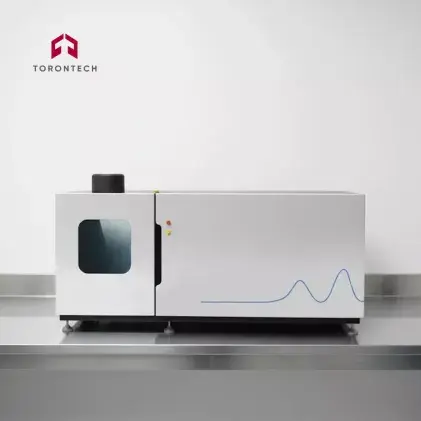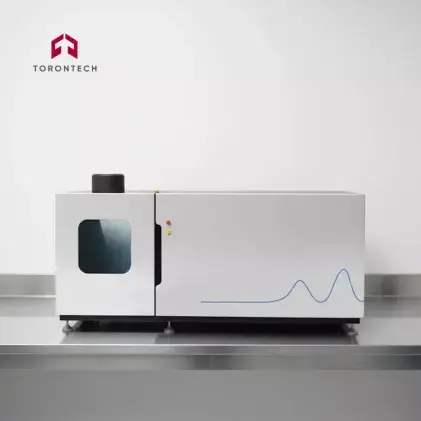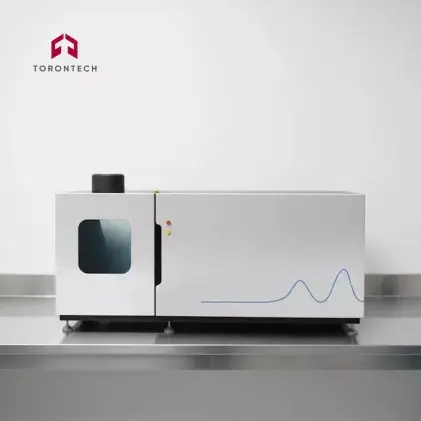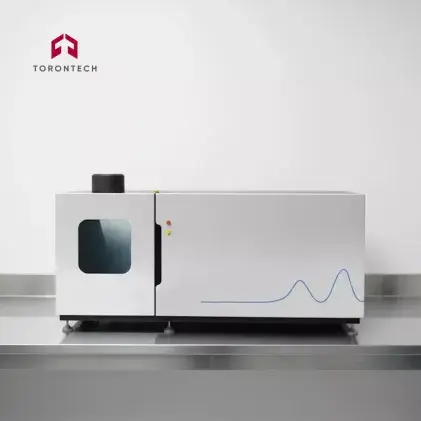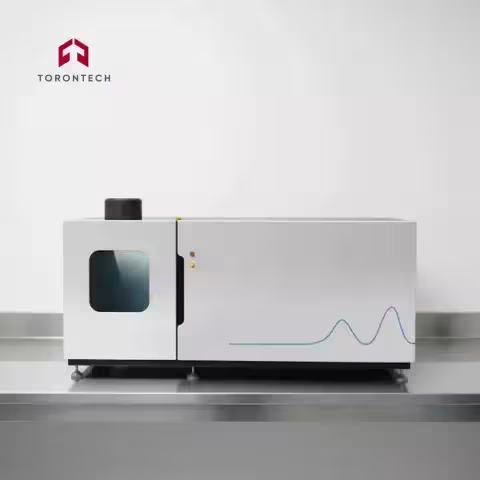
ICP - Inductively Coupled Plasma
Matrix-dedicated ICP-OES systems for petroleum elemental analysis | ASTM D4951, D5185, D5708, D7111 & EN 14538
ICP (Inductively Coupled Plasma) optical emission spectrometry is the benchmark multi-element analytical technique for quantifying trace metals, wear elements, and additive components in petroleum products, lubricants, and fuels, with detection limits at sub-ppb levels. Torontech offers five matrix-dedicated ICP for petroleum products systems, each pre-configured and validated for a specific sample type rather than requiring a single general-purpose instrument to handle chemically incompatible matrices.
The key distinction from generic ICP configurations is matrix specificity. Petroleum matrices such as crude oil, in-service lubricants, and biodiesel each require distinct sample preparation protocols, calibration standards, and method-specific validation. Torontech addresses this by supplying separate ICP-OES systems configured for their target ASTM or EN method, so results are immediately compliant without in-house method development.
Applications
ICP analysis of petroleum products is used wherever multi-element quantification determines whether a product meets specification, a catalyst needs protection, or equipment wear requires attention.
- Petroleum refining: Trace nickel, vanadium, and iron in crude oil and residual fuels are measured per ASTM D5708 to protect FCC catalysts from poisoning and prevent high-temperature corrosion in marine turbines and power plant boilers.
- Lubricant manufacturing and batch release: Additive elements — Zn, P, Ca, Mg, Mn — in freshly blended engine oils, hydraulic fluids, and gear oils are verified against formulation targets per ASTM D4951, confirming the additive package was correctly dosed before product release.
- Used oil condition monitoring and predictive maintenance: Wear metal concentrations (Fe, Cu, Pb, Cr, Al) in in-service lubricants are trended over time per ASTM D5185 to detect abnormal component wear before failure across fleet, power generation, and industrial equipment programs.
- Diesel and aviation fuel specification testing: Selected trace elements in middle distillate fuels are measured at 0.1–2.0 mg/kg concentrations per ASTM D7111 for contamination identification and fuel certification.
- Biodiesel production and certification: Catalyst and process metal residues — Na, K, Ca, and Mg — in FAME biodiesel (B100) are quantified per EN 14538 to confirm transesterification catalyst carryover meets EN 14214 and ASTM D6751 limits.
ICP Range
All five systems share the same core platform: 27.12 MHz solid-state RF generator (800–1600 W), Czerny-Turner optics with a 1000 mm focal length and 195–500 nm wavelength range, sub-ppb detection limits for most elements, simultaneous multi-element capability across more than 70 elements, and mass flow controller (MFC) airflow regulation. What differs between models is the sample preparation protocol, calibration matrix, and the ASTM or EN method each system is validated against.
| Model | Sample Matrix | Key Standard | Target Analytes | Best For |
|---|---|---|---|---|
| ICP for Crude Oils and Residual Fuels (TT-5708) | Crude oil, heavy fuel oil, residual fuel, bunker fuel | ASTM D5708 | Ni, V, Fe | Refineries protecting FCC catalysts from nickel and vanadium poisoning; marine fuel QC; power plants burning residual oil |
| ICP for Middle Distillate Fuels (TT-7111) | Diesel fuel, aviation turbine fuel (distillation range 150–390°C) | ASTM D7111 | Multiple elements per D7111 Table 1; concentration range 0.1–2.0 mg/kg | Aviation fuel labs, diesel QC labs, and fuel terminals verifying trace element compliance before distribution |
| ICP for Used Lube Oils (TT-5185) | In-service engine oil, gear oil, hydraulic fluid, turbine oil | ASTM D5185 | Wear metals: Fe, Cu, Pb, Cr, Al, Ni; additive elements: Ca, Mg, Zn, P | Fleet maintenance labs, commercial used oil analysis programs, and industrial condition monitoring teams trending wear metal accumulation over time |
| ICP for Unused Lube Oils (TT-4951) | New (fresh) lubricating oils; organic solvent dilution method | ASTM D4951 | Additive elements: Fe, Mn, P, Zn, Ca, Mg | Lubricant blenders and additive manufacturers verifying metallic additive packages are correctly dosed in finished products before sale |
| ICP for Biodiesel (B100) (TT-14538) | Pure biodiesel (FAME, B100) | EN 14538 | Catalyst and process residues: Na, K, Ca, Mg | Biodiesel producers and blenders confirming that catalyst carryover from transesterification meets EN 14214 and ASTM D6751 specification limits |
How to Choose the Right ICP for Petroleum
- For crude oil or heavy residual fuel entering a refinery or marine engine: choose TT-5708 (ASTM D5708); it targets the Ni, V, and Fe that poison FCC catalysts and cause high-temperature corrosion in turbine components.
- For diesel or aviation turbine fuel specification testing: choose TT-7111 (ASTM D7111); it is validated for the trace element suite at mg/kg concentrations relevant to middle distillate product certification.
- For monitoring lubricant condition in engines, gearboxes, or hydraulic systems: choose TT-5185 (ASTM D5185); the method and calibration are optimized for used oil matrices where both wear particles and depleted additive elements are present simultaneously.
- For verifying the additive package in a newly blended lubricant: choose TT-4951 (ASTM D4951); the organic solvent dilution preparation method preserves additive element integrity better than acid digestion for new oil matrices.
- For biodiesel (B100) catalyst residue certification per EN 14538: choose TT-14538; it is configured and calibrated for the Na, K, Ca, and Mg levels required for FAME quality certification.
Why Choose Torontech for Your ICP
Torontech supplies testing and measurement equipment to laboratories and manufacturers across North America and worldwide, backed by responsive technical support and calibration service. The ICP range is built for reliable, standards-driven results, so you can standardize on one supplier as your testing needs grow. Our team helps you match the right configuration to your samples, applicable standards, and throughput, then supports you through installation and beyond.
Request a Quote
Tell us your sample matrix, the standard you need to comply with, and your throughput requirements, and our team will confirm the right model for your lab. Contact the Torontech team for pricing, datasheets, and application support.