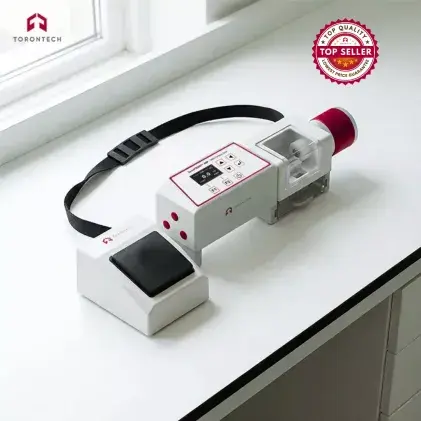
Tablet Hardness Tester: The Complete Guide
Tablet consistency isn't just about meeting a spec sheet; it’s about patient safety and avoiding costly batch recalls. For pharmaceutical producers, a reliable tablet hardness tester is the first line of defense against production errors.
Whether you need to verify mechanical integrity for shipping or ensure precise disintegration rates for bioavailability, the right equipment makes the difference between a compliant batch and a wasted one. This guide covers the essential standards, equipment types, and why the EHT-5PR Turbo is the preferred choice for high-volume laboratories.
What is The Tablet Hardness Tester?
Tablet hardness testers, also known as pharmaceutical hardness testers, are devices used to measure the mechanical integrity of pharmaceutical tablets. They are essential for ensuring that tablets meet the required standards for mechanical strength and integrity, and they are commonly used in the pharmaceutical industry to determine the breaking point and assess the quality of tablets.
There are two main processes to test tablet hardness: compression testing and 3-point bend testing. Compression testing involves squeezing the tablet between a fixed and a moving jaw, while 3-point bend testing applies force to the tablet until it breaks or fractures.
This instrument can record various measurements about individual tablets, such as hardness, diameter, thickness, and weight. Some testers can also accommodate the measurement of length, which is useful when testing oblong-shaped tablets.
When choosing a tablet hardness tester, factors such as test parameters, compliance with standards, ease of use, and added features should be considered. Proper calibration, regular maintenance, and inspection are crucial for accurate results.
The Three Pillars of Compliance: USP, Ph. Eur., and 21 CFR Part 11
In a regulated pharmaceutical environment, a hardness tester must do more than just break a tablet—it must produce data that survives an audit. Your equipment should satisfy three critical layers of compliance:
1. Physical Testing Standards (USP <1217> & Ph. Eur. 2.9.8)
The United States and European Pharmacopoeias require precise load application to determine "Tablet Breaking Force."
- The Requirement: The load must be applied without shock, typically using a Constant Speed (e.g., 3.5 mm/s) or Constant Force rate.
- Torontech Advantage: Unlike basic testers that only offer one mode, the EHT-5PR Turbo utilizes both Constant Speed and Constant Force measuring principles. This gives you the flexibility to meet specific monograph requirements for any tablet formulation.
2. Data Integrity (FDA 21 CFR Part 11)
Electronic records are scrutinized heavily by the FDA. A manual tester with a handwritten logbook is a compliance risk.
- The Requirement: Systems must ensure data is attributable, legible, contemporaneous, original, and accurate (ALCOA+).
- Torontech Advantage: The EHT-5PR Turbo is built for 21 CFR Part 11 compliance out of the box. It features Fingerprint Security for user authentication and an unalterable Audit Trail & Log Book, ensuring you know exactly who tested what and when.
3. Manufacturing Standards (cGMP)
- The Requirement: Equipment must be easy to clean and non-reactive.
- Torontech Advantage: Our machines feature a Stainless Steel body (not painted plastic) to fully comply with cGMP regulations, ensuring durability and contamination control in sterile lab environments.
Why Tablet Hardness Testing Is Important?
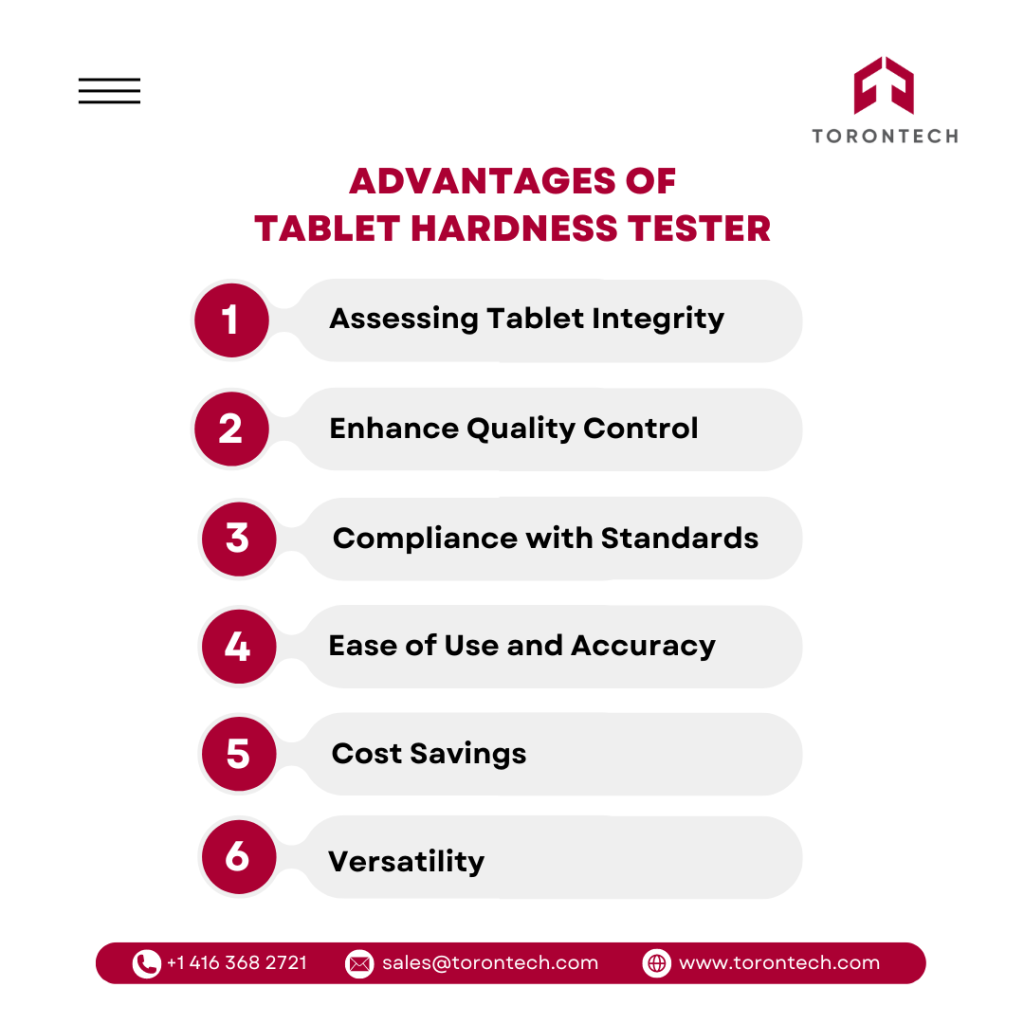
Tablet hardness testing is a critical aspect of pharmaceutical quality control, ensuring that tablets meet the required mechanical strength and integrity standards. The importance of tablet hardness testing lies in its ability to:
1. Assessing Tablet Integrity
It helps ensure the mechanical strength and integrity of pharmaceutical tablets, allowing manufacturers to assess the tablets' resistance to stress and ensure consistent quality and performance
Related article: Difference Between Hardness and Friability of Tablet
2. Enhance Quality Control
By measuring the breaking point or the force required to break a tablet, the instrument enables manufacturers to identify issues with formulation, compression, or other manufacturing parameters that may affect tablet strength and integrity. This, in turn, helps maintain consistent tablet quality and ensure reliable dosage delivery to patients
3. Compliance with Standards
The instrument is designed to comply with industry standards such as USP/EP guidelines, guaranteeing accurate and reliable results. This is crucial for pharmaceutical companies to confidently assess the structural integrity of their tablets and ensure they meet the necessary transportation, packaging, and handling impact
4. Ease of Use and Accuracy
The user-friendly interface and high instrument accuracy make it an efficient and reliable tool for assessing the strength and integrity of pharmaceutical tablets
5. Cost Savings
The instrument can help manufacturers save costs by identifying tablet strength and integrity issues early in the manufacturing process. This can prevent the production of defective tablets, reducing the need for rework or rejection of batches and ultimately saving costs.
6. Versatility
The instrument can test a wide range of tablet shapes and sizes, making it a versatile tool for pharmaceutical manufacturers.
In summary, the Tablet Hardness Tester ensures the quality, consistency, and performance of pharmaceutical tablets, addressing various challenges related to tablet integrity, quality control, compliance, and accuracy in the pharmaceutical industry.
Principle, Procedures, and Calibration
Let's explore the principle and procedure behind tablet hardness testing. In this chapter, we will delve into the fundamental concepts that govern this critical analysis process, providing insights into how tablet hardness is measured and evaluated.
Tablet Hardness Tester Principle
The principle of tablet hardness testing involves measuring the force required to break a tablet. The primary purpose of tablet hardness testing is to determine the breaking point or the force required to break a tablet. This measurement is essential to assess the tablet's stress resistance and ensure consistent quality and performance.
The tablet is placed between the lower and upper anvils of the hardness tester. The upper anvil exerts a downward force on the tablet, while the lower anvil provides support. The force is gradually increased until the tablet breaks or fractures.
The applied force is continuously monitored during the test, and the maximum force required to break the tablet is recorded. This force is typically measured in kiloponds (kp) or newtons (N). The tablet hardness value represents the tablet's ability to withstand pressure. The measured tablet hardness value is compared against pre-established tablet hardness test acceptance criteria or specifications.
These criteria are determined during the tablet formulation and development stage and are based on the intended use and handling conditions of the tablets. If the measured hardness value falls within the specified range, the tablet is considered acceptable; otherwise, it may be deemed too weak or too hard.
Tablet Hardness Tester Procedures
While the mechanics are straightforward—compressing a sample until fracture—the execution requires precision. A valid test involves selecting a statistically significant sample size (usually 10+ tablets), properly orienting the tablet (diametrical vs. axial), and setting the correct speed parameters to match your specific pharmacopeia.
Improper placement or inconsistent jaw speed will skew your results, rendering the batch data useless.
Read more: Tablet Hardness: How to Measure, Calculate & Control It
Tablet Hardness Tester Calibration
A hardness tester is only as good as its last calibration. Over time, load cells drift, and mechanical jaws wear down. To maintain audit readiness, you must verify your device against certified reference weights at regular intervals (typically every 6 to 12 months).
If your device drifts outside the 1N tolerance required by Ph. Eur., you risk releasing non-compliant product to market. Modern systems simplify this with built-in "Calibration Expiry" alerts and automated validation routines.
Read more: Tablet Hardness Tester Calibration Explained
The Types of Tablet Hardness Testers
Tablet hardness testers are essential laboratory apparatus used to assess the mechanical strength and integrity of pharmaceutical tablets. There are several tablet hardness testers, each with its principles and applications.
Manual Tablet Hardness Tester
The tablet hardness tester manual is operated by hand and requires the user to apply force to the tablet using a simple movement of a jaw or bar. These testers are generally more affordable and are suitable for basic hardness testing requirements. However, they may be less accurate and slower than automatic or digital testers.
Automatic Tablet Hardness Tester
Automatic tablet hardness testers, on the other hand, utilize motorized mechanisms to apply force to the tablet. They are known for their higher accuracy and faster testing capabilities. While they are more expensive than manual testers, they are often preferred for high-throughput testing and when precision is critical.
Digital Hardness Tester
This instrument uses electronic sensors to measure the force required to break the tablet. They provide precise and detailed data, making them suitable for applications where accuracy is paramount. These testers are often equipped with digital displays and advanced data recording features.
Portable Tablet Hardness Tester
This type of tester is designed to be compact and lightweight, making it easy to transport and use in various locations. Portable tablet hardness testers are ideal for quality control and compliance testing in manufacturing facilities and laboratories. They are compact, lightweight, and offer the flexibility to perform hardness testing at different sites, such as manufacturing facilities, warehouses, or quality control laboratories.
Tablet hardness testers are available in various types, including manual, automatic, digital, and portable testers. The choice of tablet hardness tester depends on the specific testing requirements, budget, and the level of accuracy and automation needed for the intended applications.
Introduce Tablet Hardness Tester - 5 Parameter - EHT-5PR Turbo
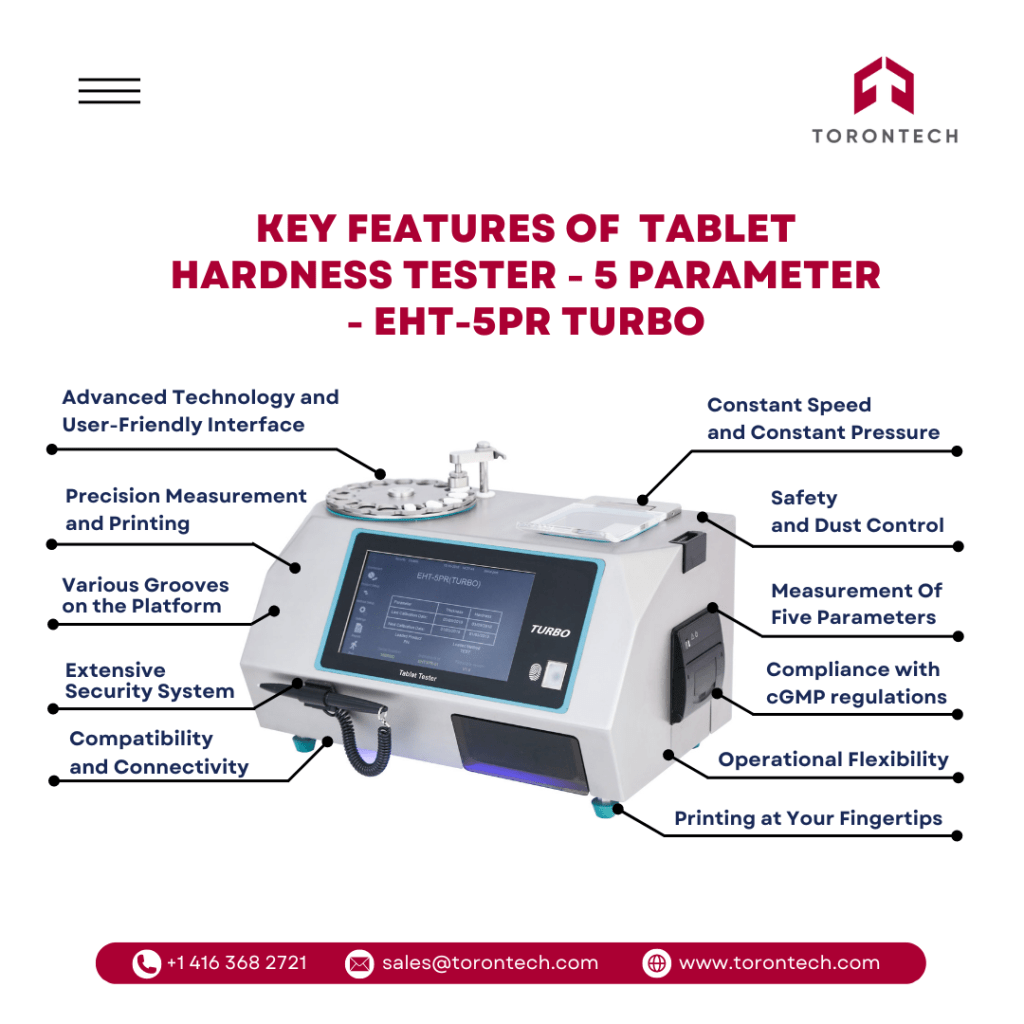 The Torontech EHT-5PR Turbo is a comprehensive solution for laboratories that need more than just a simple breaking force test. It measures five key parameters—weight, thickness, diameter, width, and hardness—simultaneously, accommodating everything from standard round tablets to complex oblong shapes.
Designed for high-volume manufacturing, this unit processes up to 100 samples per batch using Constant Speed and Constant Pressure principles, ensuring your results align perfectly with USP <1217> requirements. It also integrates directly with leading external balances (such as Sartorius and Mettler Toledo) to centralize your data and reduce manual entry errors.
Key Technical Features:
- Complete Data Profile: Measures 5 parameters with high precision (±1 N accuracy) across a wide testing range (3 N to 800 N).
- Audit-Ready Security: Features three levels of user management, calibration expiry alerts, and auto-generated validation reports to satisfy strict internal protocols.
- Built for Pharma: Constructed with cGMP-compliant stainless steel and equipped with a protective safety cover to contain tablet dust and debris during fracture.
- User-Centric Design: Includes a 7-inch touchscreen, a built-in printer for instant documentation, and dual-groove platforms to handle various tablet sizes easily.
Conclusion: Embrace Excellence in Tablet Hardness Testing
Our Tablet Hardness Tester EHT-5PR Turbo offers advanced features and functionalities that optimize the tablet hardness testing process. With its precise force application and intuitive controls, the EHT-5PR Turbo ensures accurate and consistent hardness measurements, providing you with invaluable insights into the quality of your tablets. Its user-friendly interface and automated capabilities simplify testing procedures, saving time and effort.
By choosing our product and partnering with us, you gain access to cutting-edge technology, exceptional customer support, and a commitment to empowering your pharmaceutical manufacturing processes.
To discover how the Tablet Hardness Tester EHT-5PR Turbo can revolutionize your tablet hardness testing, we invite you to get in touch with our dedicated team. Whether you have inquiries, need technical support, or wish to request a demonstration, our experts are ready to assist you.
For more information about Torontech's innovative other medical or pharmaceutical testing instrument, please click here. To explore the possibilities of excellence in tablet hardness testing, contact us today.