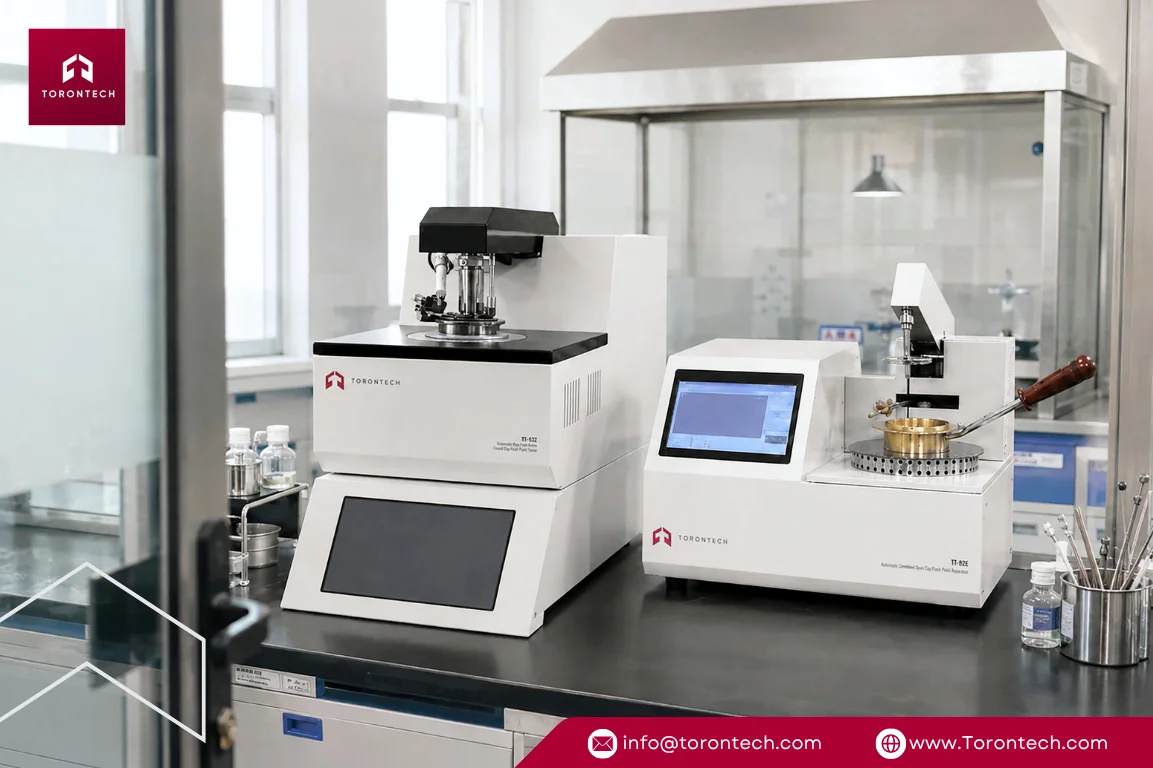
Flash Point Testing

Flash point testing is one of the most fundamental safety and quality assessments performed on petroleum products, fuels, lubricants, and chemicals. The flash point of a liquid is the lowest temperature at which its vapors can be ignited momentarily by an external ignition source under controlled laboratory conditions. A reliable flash point test is essential for classifying flammable and combustible liquids, ensuring compliance with international transport and storage regulations, and guiding safe handling practices across the entire hydrocarbon value chain.

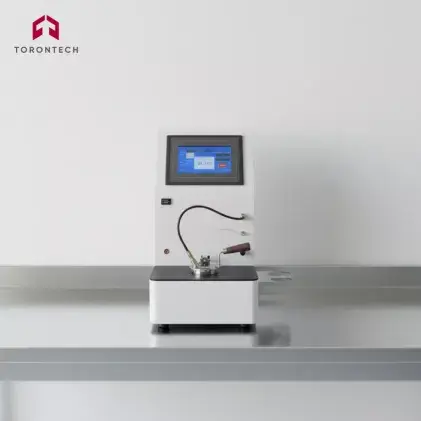
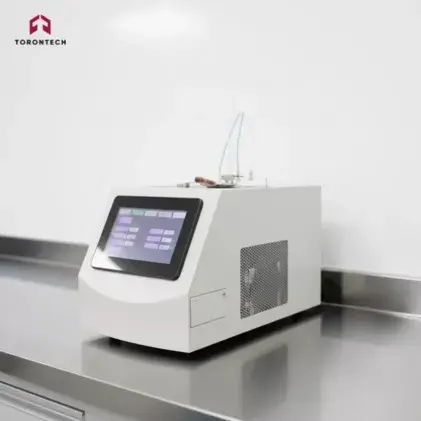
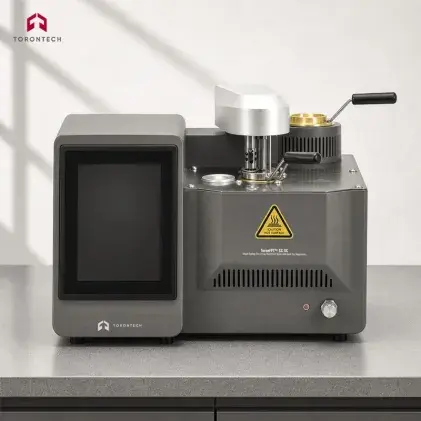
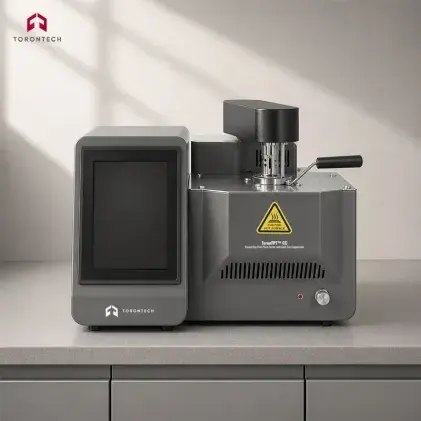
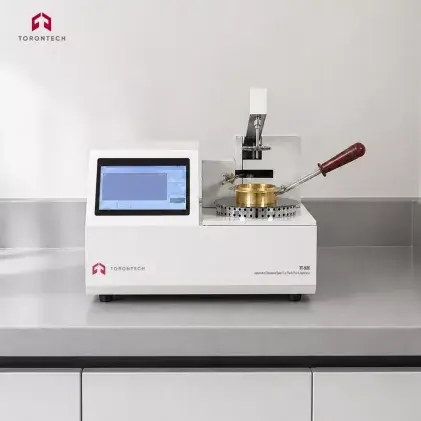
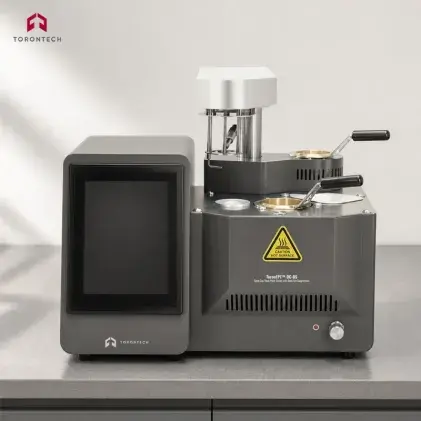
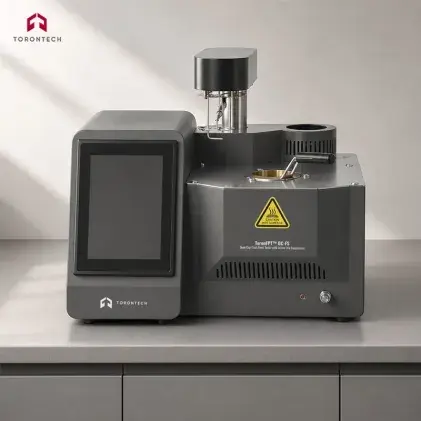
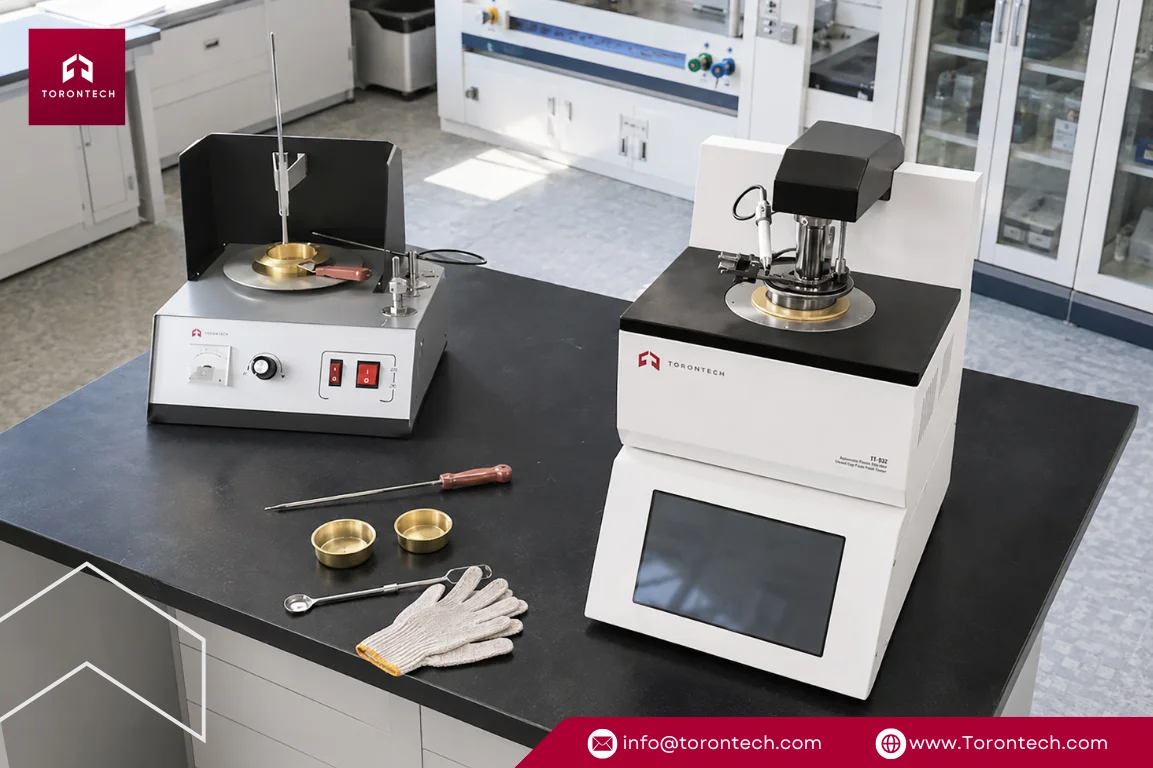
Torontech offers a comprehensive portfolio of flash point testing instruments covering every major standardized method — closed-cup and open-cup — from manual bench-top units ideal for field laboratories to fully automated systems designed for high-throughput quality control environments. Each instrument is engineered to deliver repeatable, regulation-compliant results in strict accordance with ASTM, IP, ISO, and EN standards.

Applications

Flash point testing is required across a wide range of industries and product types:

  • Petroleum refining: Classification of crude-oil fractions, naphtha, and distillates according to flammability class.
  • Fuel quality control: Routine flash point test of diesel, jet fuel, kerosene, and aviation gasoline for on-spec verification.
  • Lubricant & grease manufacturing: Monitoring base-oil flash point to ensure product safety and thermal stability.
  • Chemical & solvent production: Regulatory classification of solvents, adhesives, coatings, and cleaning agents.
  • Transportation & storage: Compliance with ADR, IMDG, ICAO, and GHS classification for dangerous goods shipments.
  • Quality assurance laboratories: Third-party inspection, certification, and acceptance testing of incoming fuel batches.
  • Research & development: Formulation screening and additive evaluation for new fuel and lubricant development.

Why Choose Torontech Flash Point Testing Series for Your Laboratory?

Torontech flash point testing instruments are trusted by refineries, quality inspection agencies, and independent laboratories worldwide. Here is why our Flash Point Testing series stands out:

  • Full method coverage: Whether you require a Pensky-Martens closed-cup, Tag closed-cup, Abel closed-cup, or Cleveland open-cup flash point test, Torontech has a dedicated instrument engineered for that specific standard.
  • Manual to fully automated: From cost-effective manual units for low-volume laboratories to auto-ignition, auto-detection, and auto-reporting systems for 24/7 production environments.
  • High accuracy & repeatability: Precision temperature control, calibrated ignition sources, and sealed test chambers deliver results that consistently meet the repeatability and reproducibility limits specified in ASTM D93, D56, D92, and equivalent standards.
  • Intuitive operation: Large touchscreen interfaces, guided test protocols, and one-touch operation minimize operator error and training time.
  • Safety-first design: Automatic flame-out protection, over-temperature shutdown, and solvent-resistant seals protect both the operator and the sample.
  • Regulatory compliance: All instruments carry relevant certifications and are designed to comply with ASTM, IP, ISO, EN, and national petroleum standards.
Request Quote

Available Products

Displaying 1 - 9 of 9
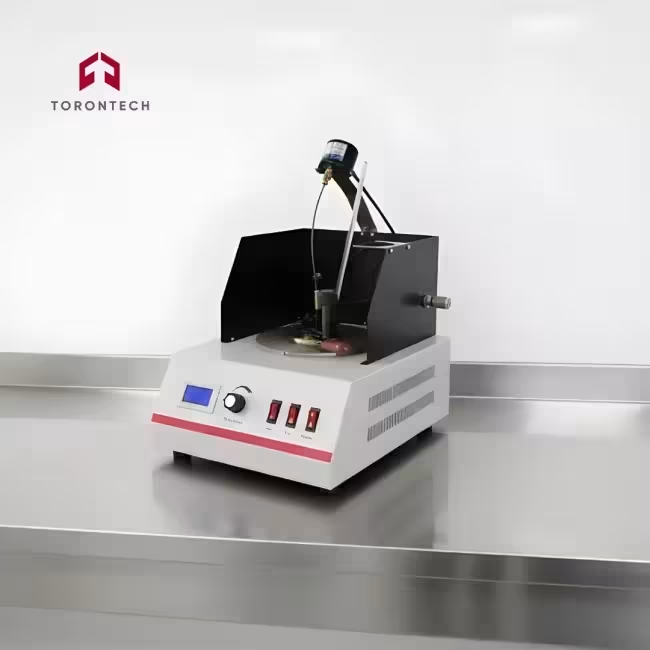
Manual Pensky-Martens Closed-Cup Flash Point Tester

Manual Pensky-Martens Closed-Cup Flash Point Tester

Manual Pensky-Martens Closed-Cup Flash Point Tester TT-93Manual Pensky-Martens Closed-Cup Flash Point Tester TT-93 tester complies with the ASTM D93…
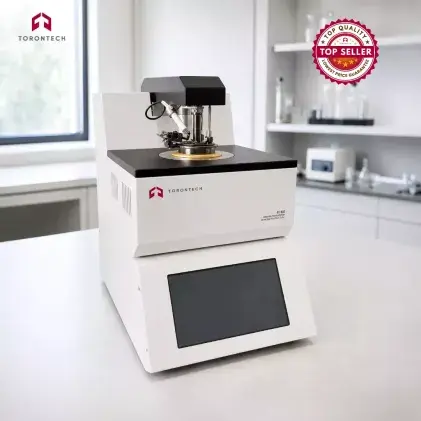
Automatic Pensky-Martens Closed Cup Flash Point Tester

Automatic Pensky-Martens Closed Cup Flash Point Tester

Automatic Pensky-Martens Closed Cup Flash Point Tester - TT-93ZThe Automatic Pensky-Martens Closed Cup Flash Point Tester TT-93Z determines the flash…
Automatic Tag Closed Cup Flash Point Tester

Automatic Tag Closed Cup Flash Point Tester

Automatic Tag Closed Cup Flash Point Tester TT-56ZAutomatic Tag Closed Cup Flash Point Tester TT-56Z conforms to ASTM D56 Standard Test Method for…
Automatic Abel Closed Cup Flash Point Tester

Automatic Abel Closed Cup Flash Point Tester

Automatic Abel Closed Cup Flash Point Tester TT-170ZTT-170Z Automatic Abel Closed Cup Flash Point Tester complies with IP170 and ISO 13736, which…
Open Cup Flash Point Tester with Active Fire Suppression

Open Cup Flash Point Tester with Active Fire Suppression

Open Cup Flash Point Tester with Active Fire Suppression – ToronFPT™ OC-FSToronFPT™ OC-FS is an automatic open cup flash point tester designed and…
Smart Cooling Closed Cup Flash Point Tester with Inert Gas Suppression

Smart Cooling Closed Cup Flash Point Tester with Inert Gas Suppression

Smart Cooling Closed Cup Flash Point Tester with Inert Gas Suppression – ToronFPT™ CC-SCToronFPT™ CC-SC is a full-automatic closed cup flash point…
Closed Cup Flash Point Tester with Inert Gas Suppression

Closed Cup Flash Point Tester with Inert Gas Suppression

Closed Cup Flash Point Tester with Inert Gas Suppression – ToronFPT™ CCToronFPT™ CC is an automatic closed cup flash point tester designed and…
Cleveland Open Cup Flash Point Testers

Cleveland Open Cup Flash Point Testers

Cleveland Open Cup Flash Point Testers | ASTM D92 & ISO 2592 Flash and Fire Point DeterminationCleveland open cup flash point testers determine…
Open Cup Flash Point Tester with Dual Fire Suppression

Open Cup Flash Point Tester with Dual Fire Suppression

Open Cup Flash Point Tester with Dual Fire Suppression – ToronFPT™ OC-DSToronFPT™ OC-DS is a full-automatic open cup flash point tester designed and…

Related Articles

Displaying 1 - 3 of 3
Automatic vs Manual Flash Point Tester Comparison

Automatic vs Manual Flash Point Tester Comparison

A single uncontained vapor ignition can halt plant operations and trigger severe regulatory penalties. Whether complying with EPA RCRA rules (the 140°F / 60°C ignitability threshold) or US DOT, Transport Canada, and OSHA safety mandates, lab directors face a critical crossroads: choosing between a manual vs automatic flash point tester.While manual units offer lower initial purchase prices, automated systems deliver statistically equivalent precision while cutting direct testing labor by up to 80%. This guide evaluates the automatic vs manual flash point tester dynamic to help you select the…
ASTM D92 vs D93 vs D56: Ultimate Flash Point Guide

ASTM D92 vs D93 vs D56: Ultimate Flash Point Guide

A misclassified flash point measurement can halt fuel shipments and compromise workplace safety. Selecting between test methods often creates confusion because cup geometries, heating profiles, and viscosity limits vary significantly. Matching the right standard to your liquid sample ensures accurate flammability ratings and compliant shipping documentation. This guide comparing ASTM D93 vs D92 vs D56 breaks down their core technical differences and applications so you can configure your testing bench with confidence.Quick Comparison of Core StandardsFeature / ParameterASTM D92 (…
Closed Cup vs Open Cup Flash Point: Lab Selection Guide

Closed Cup vs Open Cup Flash Point: Lab Selection Guide

Achieving flammability precision and regulatory compliance is straightforward when you pair fluid samples with the right testing equipment. Because flash points are apparatus-dependent variables, choosing between closed cup vs open cup flash point methods directly optimizes your accuracy, workplace safety, and testing productivity.Review our comparison matrix below to instantly see whether flash point closed cup vs open cup hardware best serves your facility!Direct Comparison: Flash Point Open Cup vs Closed CupWhen evaluating flash point open cup vs closed cup techniques for your laboratory…