Desk Sputter Coater- DSR1
The Desk Sputter Coater- DSR1 is a compact coating system capable of applying thin films of noble metals like gold (Au), palladium (Pd), platinum (Pt), and gold/palladium (Au/Pd) onto non-conductive or poorly conductive specimens. It excels at producing uniform thin films with fine-grain sizes in a quick cycle time.
The resulting thin film is ideal for scanning electron microscopy (SEM) analysis. The Desk Magnetron Coater is a highly efficient tool that ensures consistent and reliably reproducible results within a fully automated system. Its ergonomic design and compact footprint make it user-friendly and easy to operate.
Scanning Electron Microscopy (SEM) – Produces fine-grain, conductive coatings on non-conductive samples to eliminate charging and improve imaging quality.
Material Science Research – Enables uniform noble metal film deposition for structural and surface analysis of polymers, ceramics, and composites.
Nanotechnology – Prepares specimens with thin, consistent coatings for nanoscale characterization.
Life Sciences and Biological Studies – Coats biological samples to enhance contrast and stability during SEM observation.
Quality Control and Industrial R&D – Ensures repeatable thin-film coatings for manufacturing and product testing applications.
Plasma Cleaning Applications – Removes surface contaminants, improving coating adhesion and analytical accuracy.
Teaching and Training Laboratories – Provides a reliable, user-friendly platform for SEM sample preparation in academic environments.
- Two-stage direct drive rotary vane pump with a 4m³/h capacity
- High-precision quartz crystal thickness monitor
- Intuitive touchscreen interface for easy coating process control and rapid data input
- User-friendly software with network update capability
- Precise coating rate control for achieving finer grain structures
- Manual or automatic timed and thickness sputtering options
- GLAD Sputtering capability
- Plasma Cleaning functionality
- Easily interchangeable specimen stages (Planetary rotation or rotation stage included as standard)
- Backed by a two-year warranty
- CE conformity for safety compliance
- Worldwide coverage for public and product liability insurance, ensuring protection in case of property damage or personal injury caused by Vac Coat systems.
Touch Screen Control with Colorful Display
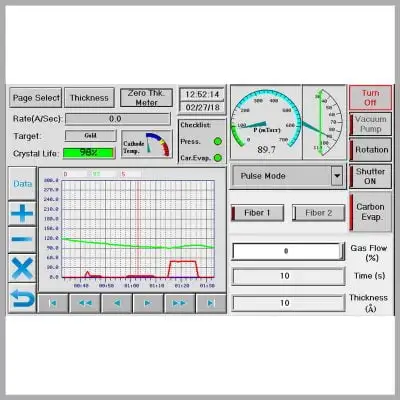
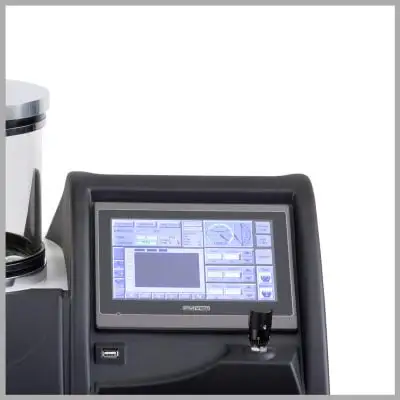
The desk sputter coater features a 7-inch color touchscreen interface with full automatic control and user-friendly data input, making it accessible even for inexperienced users. Users can easily operate the system through the touchscreen, where vacuum levels, current, and deposition information can be viewed as digital data or displayed as curves. Additionally, the system can store information on the last 300 coatings, which can be accessed in the history page for reference.
 |  |
Sample Holder
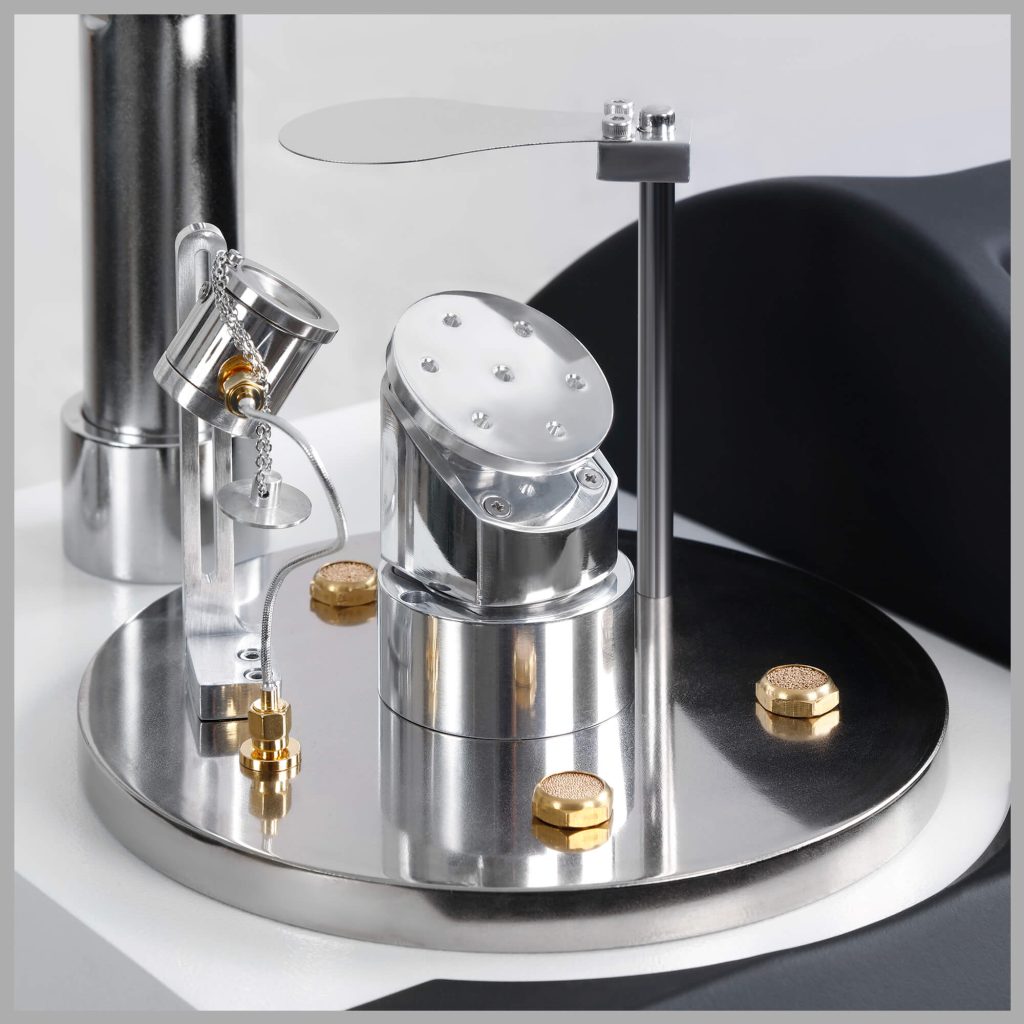
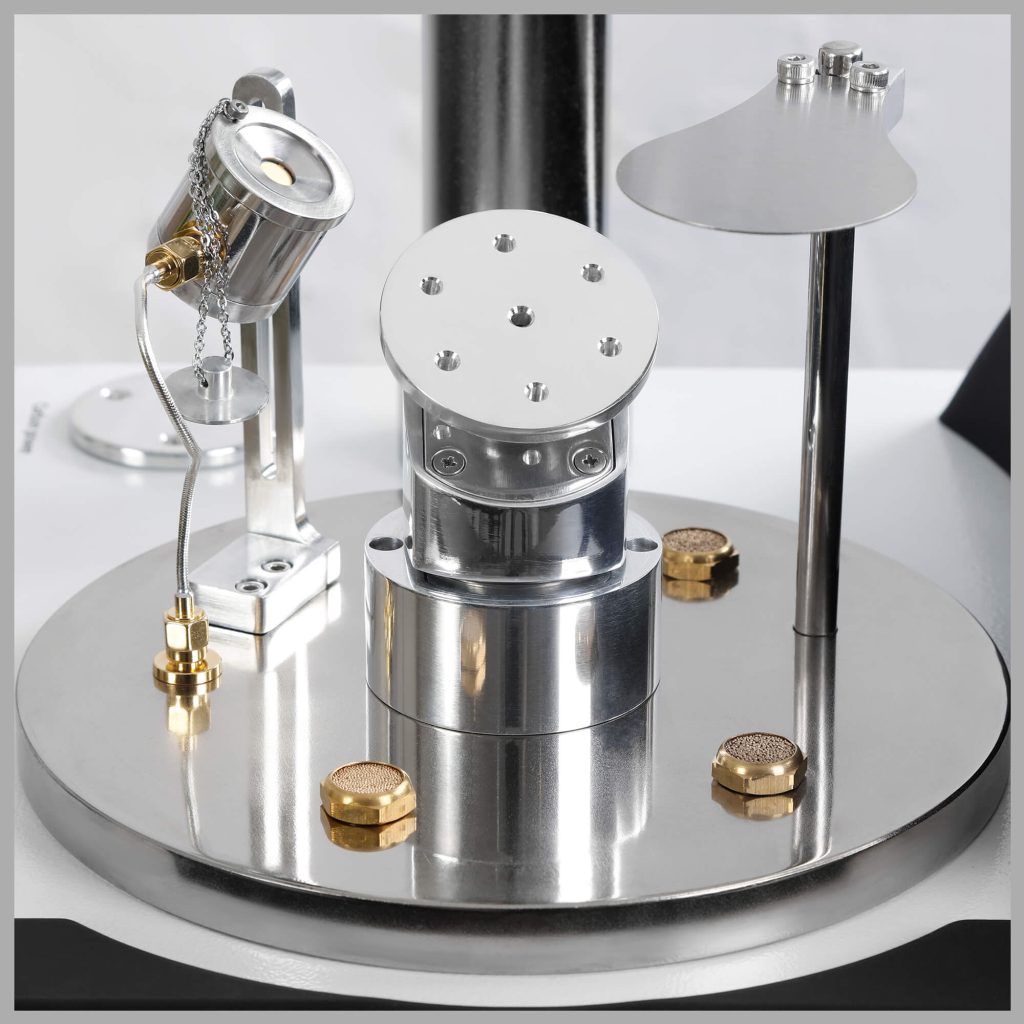
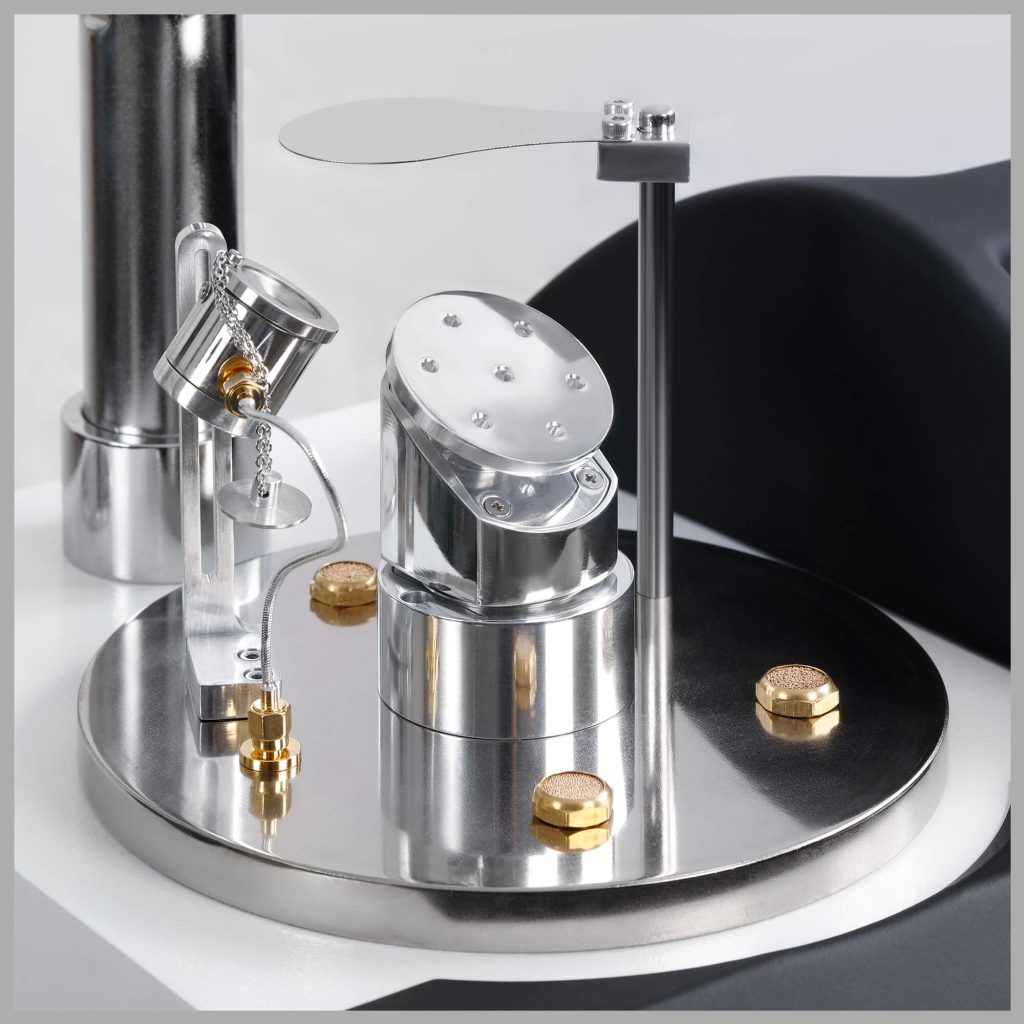
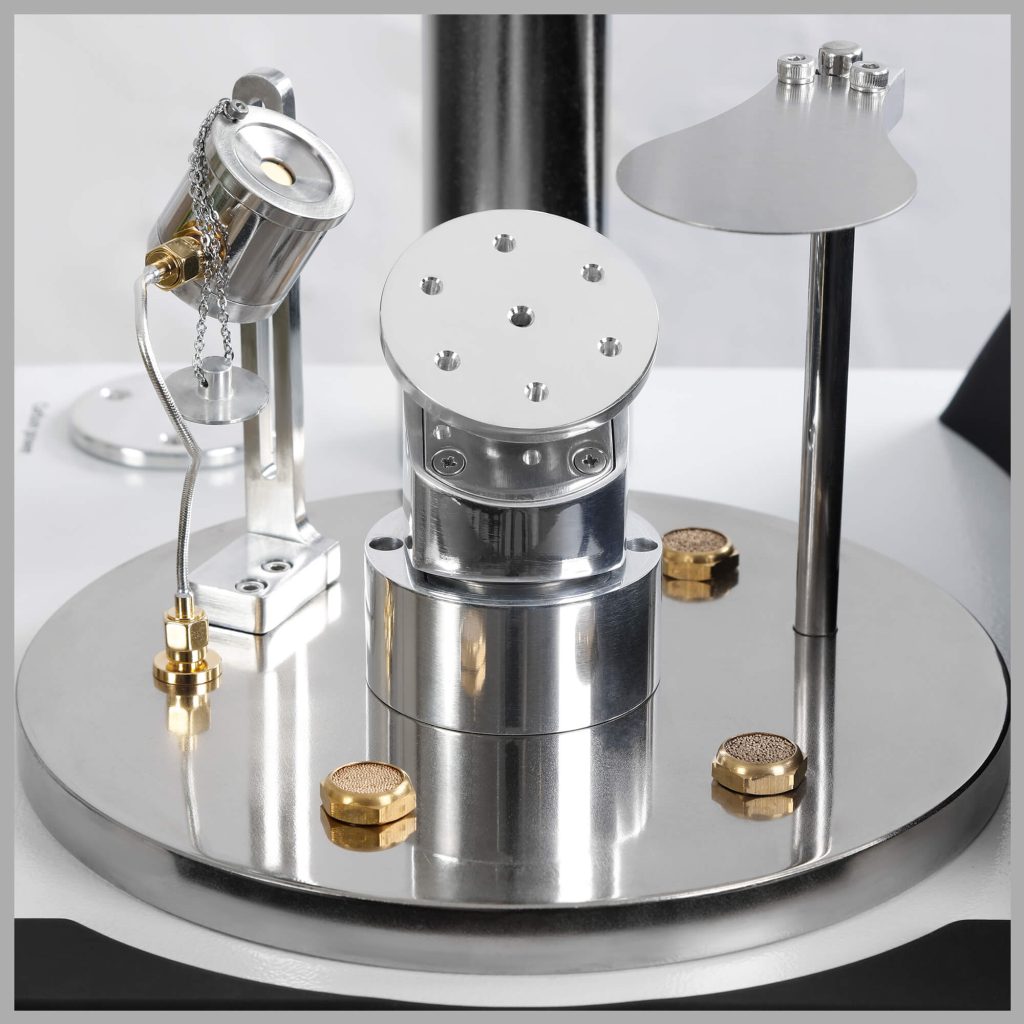
The DSR1 offers various sample stage configurations to suit user requirements. The standard sample stage is rotatable and comes with adjustable height and angle settings, providing easy customization. For achieving uniform coating on porous specimens, the rotary planetary sample stage is a recommended choice.
Physical Vapor Deposition (PVD) Principles
If you spend your days analyzing samples via SEM or TEM, you know a reliable coating system is essential for high-stakes imaging. To hit that sweet spot of budget-friendly, heavyweight performance, the Torontech Desk Sputter Coater - DSR1 operates on Physical Vapor Deposition (PVD).
Think of it as a high-speed exchange where super-charged Argon ions slam into a solid metal target. This bombardment kicks loose tiny metal atoms, which fly across the vacuum to form a perfectly even, ultra-thin coat on your specimen.
This process is known as a collision cascade. When Argon ions strike the metal target, they transfer their energy in a flurry of impacts. Surface metal atoms are ejected, guaranteeing a clean, predictable material transfer onto whatever you’re inspecting.
Plasma Generation and Magnetron Technology
To accelerate these ions, the DSR1 creates a glow discharge in a low-pressure environment. Driven by a heavy-duty two-stage direct drive rotary vane pump (4m³/h capacity), it pulls a serious vacuum of less than 40 millitorr. Applying a negative charge to the metal target in an Argon-filled vacuum generates a dense plasma cloud.
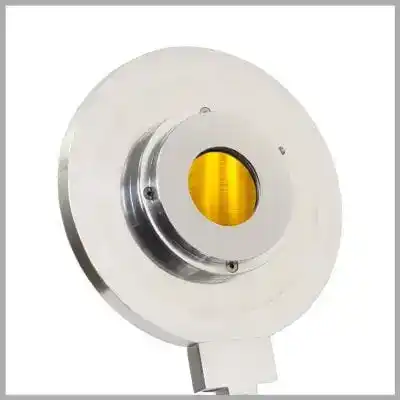
While basic DC charging handles standard SEM prep, the DSR1 includes a built-in 2-inch magnetron cathode for an ultra-fine, nearly invisible grain. This clever addition makes the entire process highly efficient. We’ve also integrated Plasma Cleaning to blast away surface contaminants before the metal even touches down, ensuring crisp, spotless results for high-resolution imaging.
Precision Process Control
Operating this desk sputter coater means controlling a few vital settings to dictate deposition speed and thickness. By tweaking these parameters on the intuitive 7-inch color touchscreen display, you bridge the gap between top-tier quality and smart budget limits.
- The Energy Kick (Voltage/Current): Control your input to decide how hard those ions hit the target.
- Gas Mix and Pressure: Using pure Argon with the precise electronic leak valve prevents grainy or messy coats.
- The Perfect Angle: The DSR1 includes interchangeable specimen stages (like the rotary planetary stage) and GLAD (Glancing Angle Deposition) to guarantee every microscopic nook is evenly covered.
- Deposition Monitoring: The built-in high-precision quartz crystal thickness monitor allows manual or fully automatic sputtering based on exact thickness. It logs your last 300 runs and transfers process curves to your PC via USB.
Target Materials and Microscopy Optimization
Your microscopy results depend heavily on the noble metal placed inside the DSR1's 170mm Pyrex cylinder chamber. Wrapping your specimen in a thin metal skin prevents static buildup on non-conductive items and makes surface details pop under the microscope.
Depending on your analysis, you can easily swap targets:
- Gold (Au) & Gold/Palladium (Au/Pd): The classic choice. These are highly conductive with a super fine texture, making them absolute perfection for biological samples.
- Platinum (Pt) & Iridium (Ir): These deliver an incredibly smooth finish, which is exactly what you need for ultra-high-resolution FE-SEM shots.
- Silver (Ag): Provides excellent conductivity for specific material science applications requiring a reflective surface without the cost of gold.
By setting up your metal layers with total certainty using this desk sputter coater, you guarantee your samples are ready to show off every tiny detail.
These specifications provide detailed information about the product's size, weight, power requirements, and key features.
- Chamber dimensions: 170 mm outer diameter (OD) x 140 mm Pyrex cylinder
- Overall dimensions: 47 cm height x 46 cm width x 37 cm depth
- Shipping weight (including vacuum pump): 42 kg
- Power requirements: 220V-240V, 50/60Hz, 10A
- 80 Watt DC switching power supply
- High-precision thickness monitor
- Ultimate vacuum: Less than 40 millitorr
- 2-inch magnetron cathode
- Electronic shutter
- Electronic leak valve
- Data transfer via USB port for curves and sputtering process data to PC
Options and Accessories
These are the optional accessories and components that can be used with the system.
- Quartz crystal sensors
- Planetary Sample Rotation
- Spare glass chamber
- Sputtering targets
- Sealing gaskets