
Torontech Team
Torontech Team
The Torontech Team is dedicated to providing our readers with accurate, high-quality information. We research every topic extensively to ensure our insights reflect the latest industry standards. However, we also recognize that we are human and we may also make mistakes. Your trust is our priority, so please don’t hesitate to let us know if you spot an error or have a suggestion. We appreciate your help in keeping our blog a trusted space.
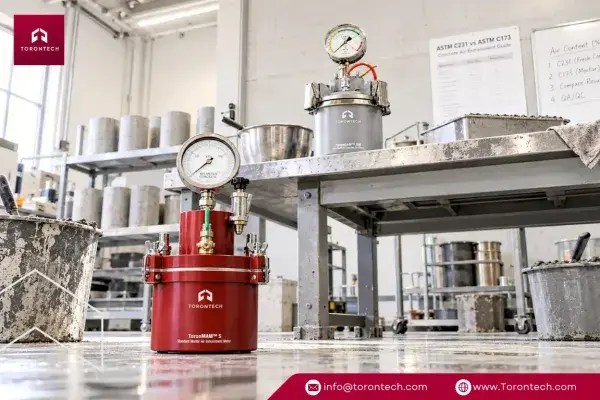
ASTM C231 vs ASTM C173: Concrete Air Entrainment Guide
Getting entrained air right separates durable concrete from premature structural failure. Missing your target percentage triggers immediate financial fallout, from heavy pay penalties to rejected ready-mix trucks.
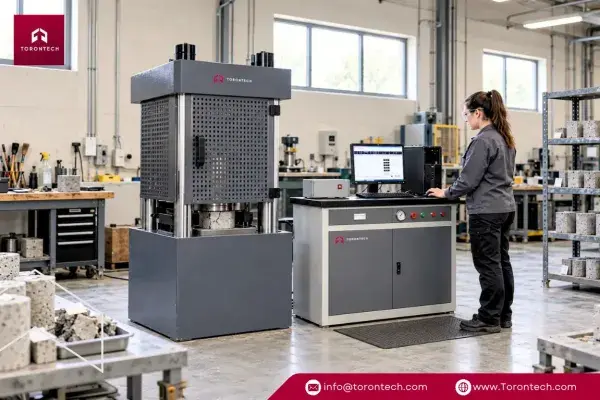
Concrete Testing Equipment List: Complete Setup Guide
Building a dependable testing facility does not require buying the most complicated machinery on the market. Tying up capital in oversized frames that sit idle only strains your operational budget.
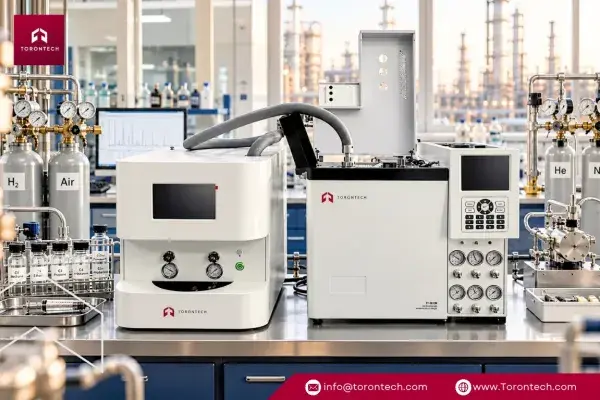
FID vs TCD: Complete Gas Chromatography Detector Guide
Purchasing an unconfigured gas chromatograph and building standard fuel methods from scratch is an expensive operational trap.
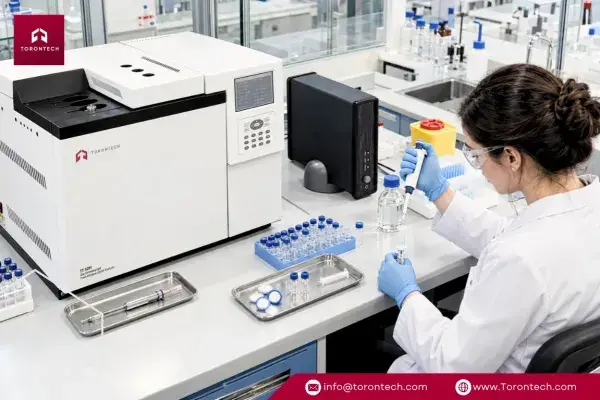
Gas Chromatography vs HPLC: Key Differences and Uses
Purchasing the wrong analytical instrument drains capital and creates painful testing bottlenecks.
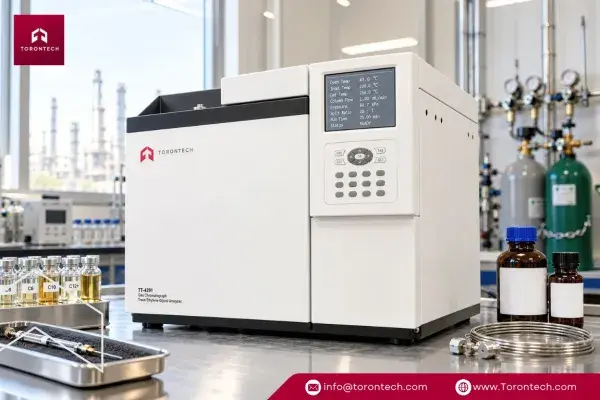
Gas Chromatography Oil and Gas: Dedicated Lab Guide
Committing capital to an unconfigured instrument frame that demands months of bench-side modifications strains operational budgets. Wellheads, transmission pipelines, and refineries cannot risk baseline drift or contested settlement figures.

Manual vs Automatic MFI: Which Tester Fits Your Lab?
Looking to Improve Laboratory Testing Throughput and Precision Without Overspending on Capital Equipment?
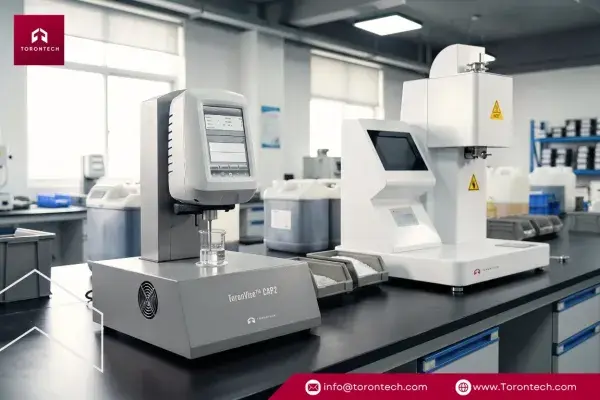
MFI vs Viscosity: Test Differences & Selection Guide
An unexpected shift in resin flow can halt an injection or extrusion line within minutes, piling up scrap and draining your daily operating budget.
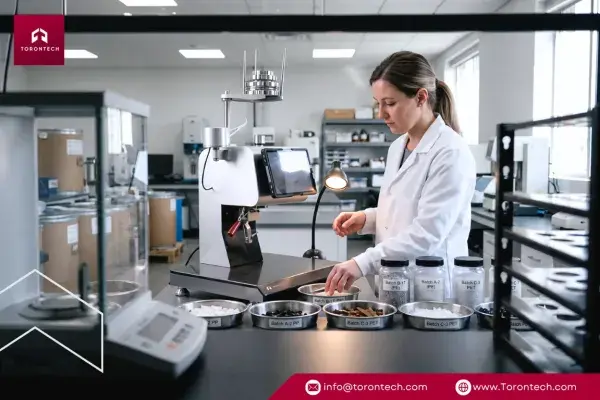
MVR vs MFR Guide: Differences, Formulas & Equipment
What if your quality team could guarantee raw resin consistency before material ever reaches the production line?
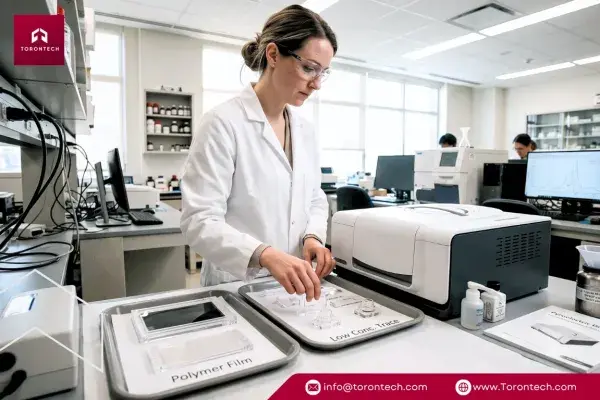
How to Choose FTIR Detectors: Pyroelectric vs MCT
Matching the wrong sensor to your FTIR optical bench quickly drains equipment budgets and leads to persistent baseline noise.
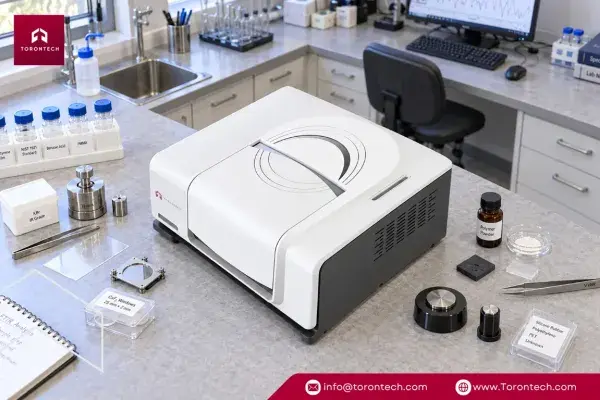
Transmission vs ATR FTIR: Choosing the Right Lab Setup
Is slow sample preparation creating a bottleneck in your testing schedule? The core issue often hinges on your choice between ATR vs transmission FTIR.