Plastic Washing Lines
Plastic Washing Lines
Plastic Washing Lines | Clean Flake Output for Film, Rigid Plastics, and PET Bottles
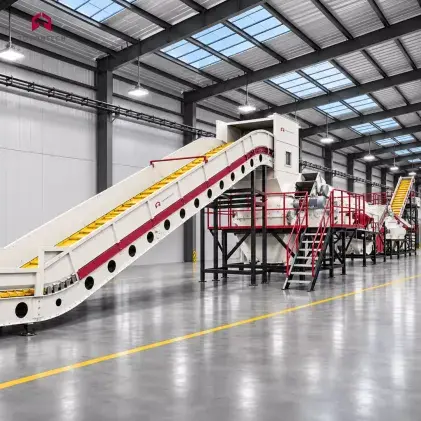
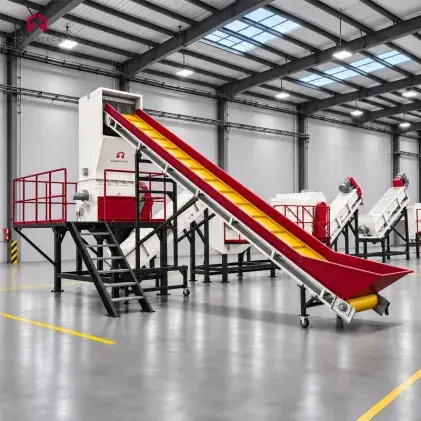
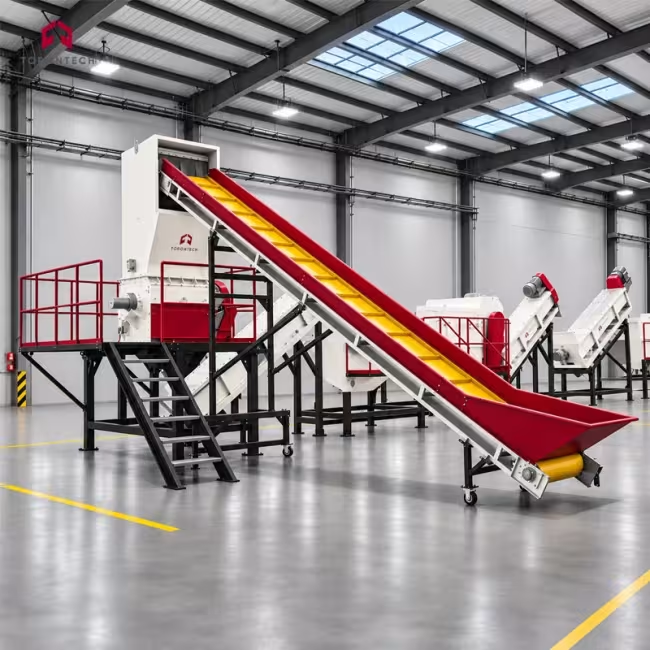
A plastic washing line turns dirty post-consumer and industrial plastic waste into clean flakes ready for pelletizing or direct reuse. Recyclers and converters use these lines to recover PE, PP, HDPE, and PET that would otherwise go to landfill. Each line combines size reduction, density separation, friction washing, and centrifugal dewatering in one continuous process. Torontech offers three lines, each built around a specific feedstock.
Feedstock decides the configuration. Film and woven bags need strong scrubbing and dewatering, while rigid containers need heavier crushing. PET bottles add label removal and hot caustic washing to reach fiber and sheet grade. Every line is customized to the customer's contamination level and output target, and all three can run on recycled process water.
Why Choose Torontech for Your Plastic Washing Plant
Torontech brings hands-on experience with recycling machinery to every plastic washing line project. Our team reviews your feedstock and contamination level, then recommends the washing stages, crusher size, and capacity that fit your plant. Torontech supports installation and commissioning so the line reaches stable production quickly. After start-up, we supply spare parts such as knives, screens, and paddles to keep the line running.
Request a Quote
Tell us your feedstock, contamination level, and target output, and we will recommend the right plastic washing line. Contact the Torontech team for pricing, layout drawings, and lead times.
Applications
Plastic washing lines serve any operation that collects contaminated plastic and sells or reuses clean flake.
- Plastic recycling line: front-end washing ahead of pelletizing extruders for resale-grade recycled resin
- Material Recovery Facilities: converting sorted film, rigid, and PET fractions into washed flake on site for higher value
- Agricultural Film Recovery: cleaning mulch, greenhouse, and silage film loaded with soil and sand
- Bottle and Container Recycling: processing curbside and deposit-program HDPE and PET bottles
- Polyester Fiber and Sheet Production: supplying washed PET flake for staple fiber, strapping, and thermoforming sheet
- Crate, Pallet, and Molded Part Reclamation: recovering worn PP and HDPE crates, totes, and injection molding scrap
Plastic Washing Line Range
The range covers the three main polymer streams recyclers handle. Each line shares a core washing sequence and adds the stages its material requires.
PE & PP Film Washing Line (ToronPR™ PWL PE PP)
A washing line for PE film and PP woven bags, including agricultural, retail, and industrial film. Floating washers scrub the flakes under water, and a high-speed friction washer removes paper, labels, and glue. Five configurations deliver 300 to 2,000 kg/h of clean film flake.
Rigid Plastic Washing Line (ToronPR™ PWL R)
A washing line for rigid HDPE and PP, such as milk jugs, shampoo bottles, crates, food boxes, chairs, and pipe scrap. Heavy-duty wet crushing handles thick walls, and float separation pulls PET and PVC out of the polyolefin stream. Five configurations deliver 300 to 2,000 kg/h of washed regrind.
PET Bottle Washing Line (ToronPR™ PWL PET)
A complete bale-to-flake line for post-consumer PET bottles. It adds a de-baler, trommel, label remover (90 to 98% PVC label removal), 90 to 95 °C hot caustic washer, and air label separator to the core washing stages. Five configurations deliver 300 to 3,000 kg/h of PET flake for fiber, strapping, and sheet.
How to Choose the Right Plastic Washing Line
- For LDPE film, stretch wrap, or PP woven bags: choose the PE & PP film washing line, built for flexible material and heavy soil loads.
- For HDPE bottles, crates, and molded parts: choose the rigid plastic washing line, sized for thick-walled material and mixed-polymer separation.
- For baled PET beverage and water bottles: choose the PET bottle washing line, the only line with label removal and hot caustic washing.
- For outputs above 2,000 kg/h: choose the PET line, which scales to 3,000 kg/h, or contact the team about multiple film or rigid lines.
- For sites without a steam supply: choose the film or rigid line, since the PET hot washer requires steam heating.
- For heavily contaminated feedstock: share samples with the team so the crusher and washing stages can be matched to the actual dirt load.