Oxidation Stability Testing
Oxidation Stability Testing
Oxidation stability measures a petroleum product's resistance to chemical degradation when exposed to oxygen — whether during storage, transportation, or high-temperature service. When fuels and lubricants oxidize, they form gums, peroxides, sludge, and acidic by-products that can clog filters, corrode metal surfaces, reduce lubrication effectiveness, and ultimately cause equipment failure. Oxidation stability testing is therefore a critical quality assurance and predictive maintenance tool across the entire energy, transportation, and industrial sectors.
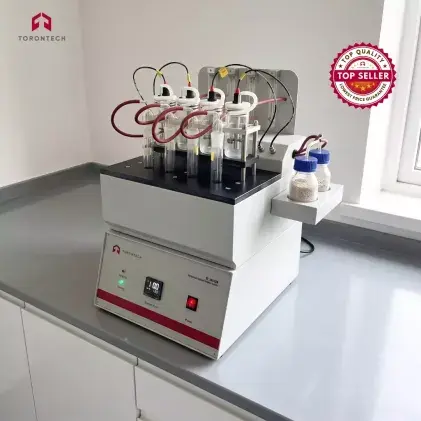
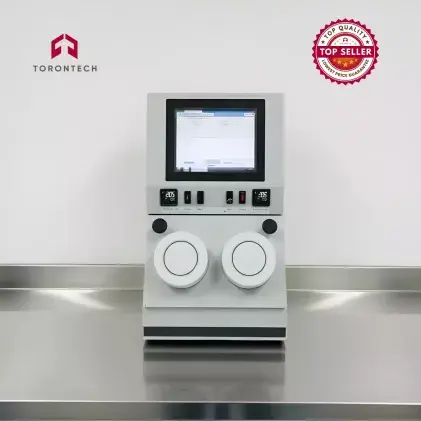
Torontech's oxidation stability testing instruments cover multiple petroleum product types — gasoline, biodiesel, mineral insulating oils, lubricating oils, and transformer fluids — using accelerated aging methods that simulate extended service conditions in a fraction of the time. All instruments comply with ASTM, EN, ISO, and IEC standards for oxidation stability, giving laboratories the confidence to predict product lifetime and approve product batches before they leave the plant.
Applications
Oxidation stability testing is critical across a wide range of fuel, lubricant, and electrical insulation product lines:
- Gasoline storage stability: Measures resistance to gum formation during extended storage periods, ensuring that fuel remains usable and does not foul injectors or carburetors.
- Biodiesel & FAME stability: Evaluates oxidation stability of fatty acid methyl ester (FAME) and biodiesel blends, which are significantly more susceptible to oxidation than conventional diesel.
- Lubricating oil formulation: Accelerated oxidation testing guides the development and approval of antioxidant additive packages for engine oils, hydraulic fluids, and gear oils.
- Transformer oil qualification: Oxidation stability of mineral insulating oil determines its suitability for use in power transformers and predicts insulation fluid service life.
- Turbine & aviation oil: Ensures that jet turbine lubricants maintain viscosity and do not form lacquer deposits under sustained high-temperature operation.
- Fuel blending quality assurance: Confirms that bio-components and renewable fuel blends meet oxidation stability specifications before dispatch.
- Research & additive development: Provides rapid, repeatable oxidation stability data for screening antioxidants, metal deactivators, and stabilizer packages.
Why Choose Torontech Oxidation Stability Testing Series for Your Quality Program?
Torontech delivers proven oxidation stability testing solutions built for demanding petroleum laboratory environments:
- Multi-product capability: A single Torontech oxidation stability tester can be configured to test gasoline (ASTM D525), biodiesel (EN 14112/Rancimat method), and mineral insulating oil (ASTM D2440/IEC 61125) — reducing capital investment without sacrificing method coverage.
- Accelerated test conditions: Torontech instruments apply controlled oxygen pressure and elevated temperatures to dramatically compress oxidation stability evaluation timelines — results in hours rather than months of real-time aging.
- High-precision pressure & temperature monitoring: Continuous real-time tracking of oxygen consumption and temperature ensures that induction period and oxidation end-point measurements are accurate and reproducible.
- Automated result calculation: The instrument software automatically calculates induction period, oxidation stability index (OSI), and pass/fail classification against configurable product specifications.
- Standards compliant: ASTM D525, EN 14112, ASTM D2440, IEC 61125 C, and ASTM D943 compliance ensures your results are accepted worldwide.
- Robust build quality: Corrosion-resistant reaction vessels, high-pressure seals, and industrial-grade temperature controllers deliver years of reliable service in demanding refinery and petrochemical laboratory environments.