Metallography Abrasive Cutters, Precision Cutting Machines, and Sectioning Cut-Off Saws
Metallography Abrasive Cutters, Precision Cutting Machines, and Sectioning Cut-Off Saws
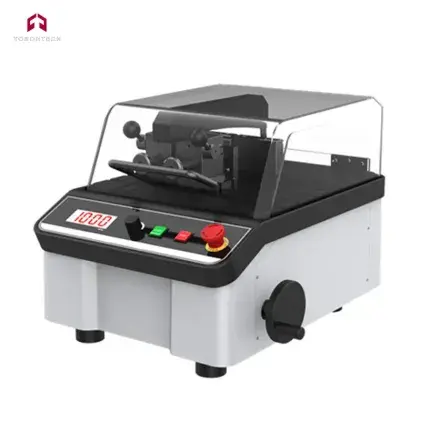
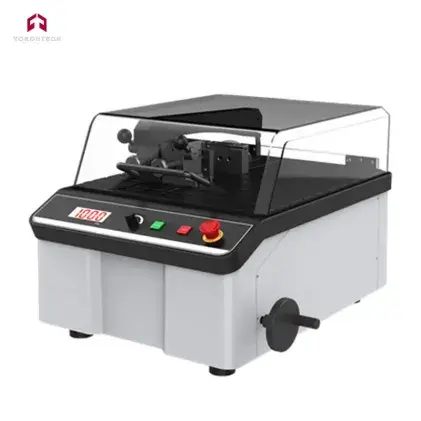
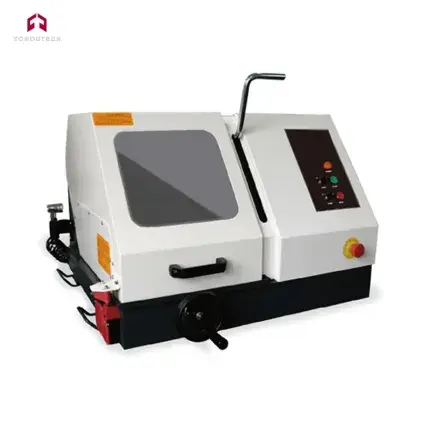
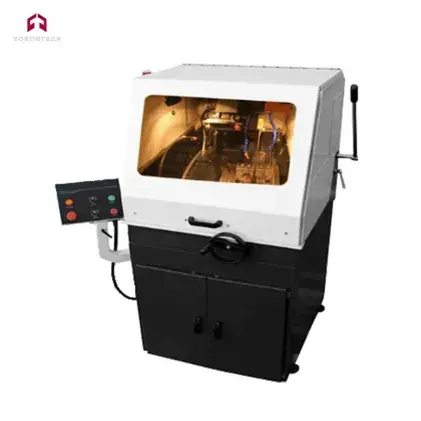
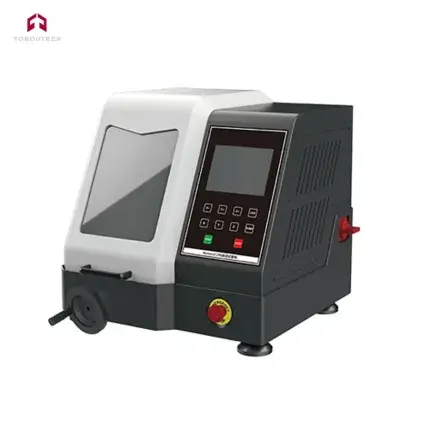
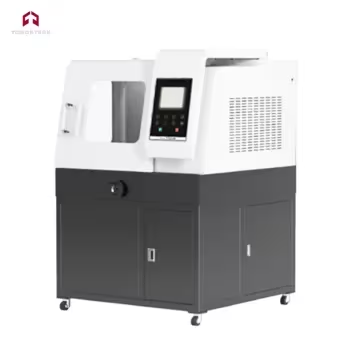
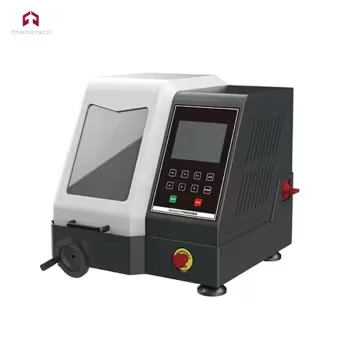
Metallographic abrasive and precision cutters and sectioning cut-off saws are tools used in the study of metal structures.
In the field of material science across industries and research settings metallography abrasive cutters and precision cutters play a vital role in sample preparation processes. These tools are specifically engineered to accurately slice through tough materials like metals allowing for detailed analysis of internal structures. Abrasive or precise cutting methods are used to prepare samples for microscopic examination ensuring that important characteristics are preserved.
Uses of Abrasive Cutters and Precision Cutting Tools
Abrasive cutters play a role in metallographic labs for working with metals and other tough materials like ceramics and composites to make precise cuts that preserve the materials structure intact for thorough metallurgical studies. Precision cutters are designed for tasks that demand accuracy and minimal material wastage and are highly prized in sectors, like aerospace and medical device manufacturing where assessing microstructures is vital.
Torontech provides a variety of metallographic equipment that caters to the requirements of laboratories and industrial environments globally. The ToronCut line consists of automatic metallographic abrasive cutting machines in addition to precision cutters and cut-off sectioning saws, suitable for a range of uses. Whether handling quantities of metals or intricate composite materials or dealing with valuable components Torontech metallography solutions deliver precise, effective and consistent outcomes.
If you're looking for high quality sample preparation options, Torontech abrasive and precision cutters, and sectioning cut-off saws are a choice due to their value, excellent construction and innovative cutting features that are easy to use in metallography work.
Compare ToronCut Metallographic Cutters
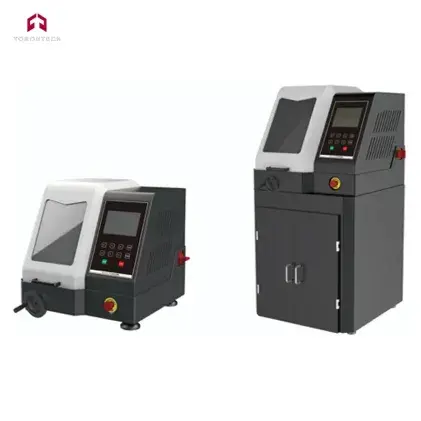
Side-by-side comparison grouped by cutter type to help users pick the right system faster.
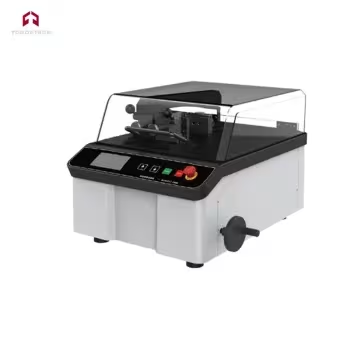
Manual Precision Metallographic Cut-Off Saws
| Feature | ToronCut M-150B | ToronCut M-200B |
|---|---|---|
| Operation | Manual | Manual |
| Cutter type | Precision metallographic cut-off saw | Precision metallographic cut-off saw |
| Best for | Precision sectioning with operator-controlled workflow | Precision sectioning when you want a manual saw option |
| Typical materials | Metals and hard materials (per metallography workflows) | Metals and hard materials (per metallography workflows) |
| Selection tip | Choose when you want manual control for precision cut-off tasks | Choose when you want manual precision cut-off with this model size |
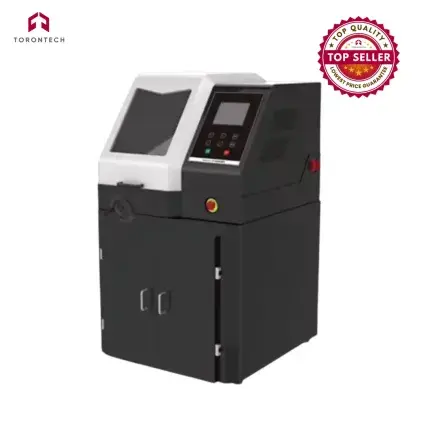
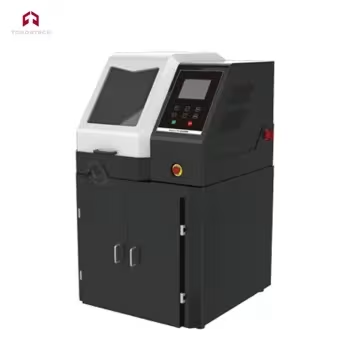
Automatic Precision Abrasive Cutter
| Feature | ToronCut Auto-200B |
|---|---|
| Operation | Automatic |
| Cutter type | Precision abrasive cutter |
| Best for | Repeatable sectioning with reduced operator handling |
| Selection tip | Choose when consistency and automation matter for precision abrasive cutting |
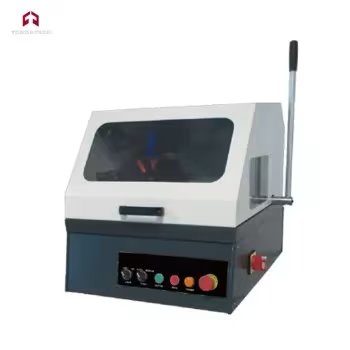
Manual Abrasive Cutters
| Feature | ToronCut M-250 | ToronCut M-300 | ToronCut M-400 |
|---|---|---|---|
| Operation | Manual | Manual | Manual |
| Cutter type | Abrasive cutter | Abrasive cutter | Abrasive cutter |
| Best for | General metallography sectioning with manual workflow | General metallography sectioning with manual workflow | General metallography sectioning with manual workflow |
| Selection tip | Choose based on your sample size range and lab capacity needs | Choose based on your sample size range and lab capacity needs | Choose based on your sample size range and lab capacity needs |
Automatic Precision Cutter Series
| Feature | ToronCut Auto-200 Series | ToronCut Auto-250 Series |
|---|---|---|
| Operation | Automatic | Automatic |
| Cutter type | Precision cutter (series) | Precision cutter (series) |
| Best for | Repeatable precision cutting in metallography sample prep | Repeatable precision cutting when you need this series size range |
| Selection tip | Choose series based on sample dimensions and required precision workflow | Choose series based on sample dimensions and required precision workflow |
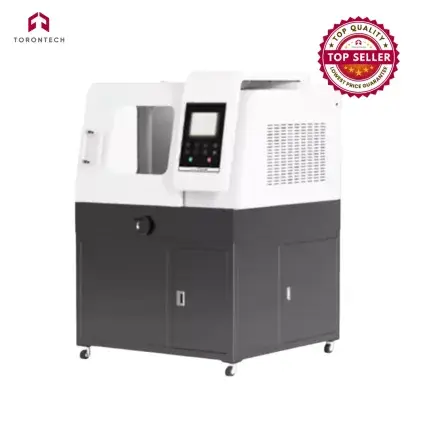
Automatic Abrasive Cutter Series
| Feature | ToronCut Auto-300 Series | ToronCut Auto-400YZ |
|---|---|---|
| Operation | Automatic | Automatic |
| Cutter type | Abrasive cutter (series) | Abrasive cutter (model) |
| Best for | Higher throughput abrasive sectioning with automation | Automated abrasive cutting when you need this configuration |
| Selection tip | Choose series based on sample size, cut frequency, and lab throughput | Choose if Auto-400YZ matches your sample handling and capacity needs |
Wafering Cut-Off Saw
| Feature | ToronCut M-150 (Wafering) |
|---|---|
| Operation | Manual |
| Cutter type | Precision wafering cut-off saw |
| Best for | Delicate, high-precision sectioning where minimal material loss matters |
| Selection tip | Choose when your specimens require wafering-style precision sectioning |
Accessory
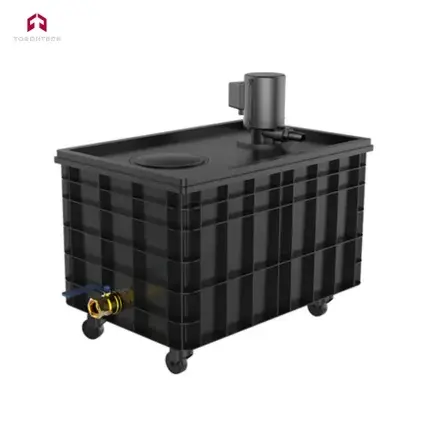
| Feature | ToronCut CT-Series (Coolant Tank) |
|---|---|
| Type | Recirculating coolant tank accessory |
| Best for | Supporting abrasive cutting workflows with coolant circulation |
| Selection tip | Choose when your cutter setup benefits from recirculating coolant support |
Metallographic abrasive cutters and precision sectioning saws make the first cut in sample preparation. A clean, low-deformation cut protects the true microstructure, which every later stage of analysis depends on.
Failure Analysis
Section failed parts to expose cracks, fractures, and defects. A controlled cut preserves the damage zone so the root cause stays visible under the microscope.
Quality Control and Incoming Inspection
Prepare cross-sections to check grain structure, coating thickness, and weld quality against specification, in line with methods such as ASTM E3.
Aerospace and Medical Device Manufacturing
Precision cutting suits hard alloys and small, high-value components where minimal material loss and an undamaged microstructure are essential.
Research and Education
Section new alloys, ceramics, and composites for material studies, and support teaching laboratories that train students in metallographic preparation.
1. Abrasive and Precision Cutting
Abrasive cutters handle routine sectioning of metals and tough materials, while precision cutters deliver fine, low-loss cuts for small or delicate specimens.
2. Flood Coolant System
A recirculating coolant flow cools the cut zone continuously, which limits heat buildup and protects the specimen from thermal damage.
3. Low-Deformation Cutting
Controlled feed and proper wheel selection keep the heat-affected zone small, so the cut surface reflects the material's real microstructure.
4. Secure Specimen Clamping
Vises and fixtures hold specimens firmly, including irregular shapes, for safe and accurate sectioning.
5. Wheel Compatibility
The cutters accept a range of cut-off wheels, including aluminum oxide, silicon carbide, diamond, and CBN, matched to the hardness of the material.
6. Enclosed Cutting Chamber
A sealed chamber contains coolant and debris, which keeps the workspace clean and supports safe operation.
Metallographic sectioning removes a representative sample from a larger part. The goal is a clean cut that does not alter the microstructure, because heat or deformation introduced during cutting would distort later analysis.
How Abrasive Cutting Works
A thin abrasive wheel spins at high speed while the operator or machine feeds it into the specimen. The abrasive particles bonded into the wheel grind away material along a narrow line, which separates the sample. Because grinding generates heat, this step needs careful control.
Protecting the Microstructure
A flood of coolant washes the cut continuously to carry away heat and debris. This keeps the heat-affected zone, the layer where the structure could change from cutting heat, as small as possible. Matching the wheel to the material also matters: a softer-bonded wheel suits hard materials, while a harder-bonded wheel suits soft materials. Precision cutters use finer wheels and lower forces for the cleanest possible surface. Following recognized practice, such as ASTM E3 for metallographic specimen preparation, keeps results consistent and the prepared surface true to the material.