
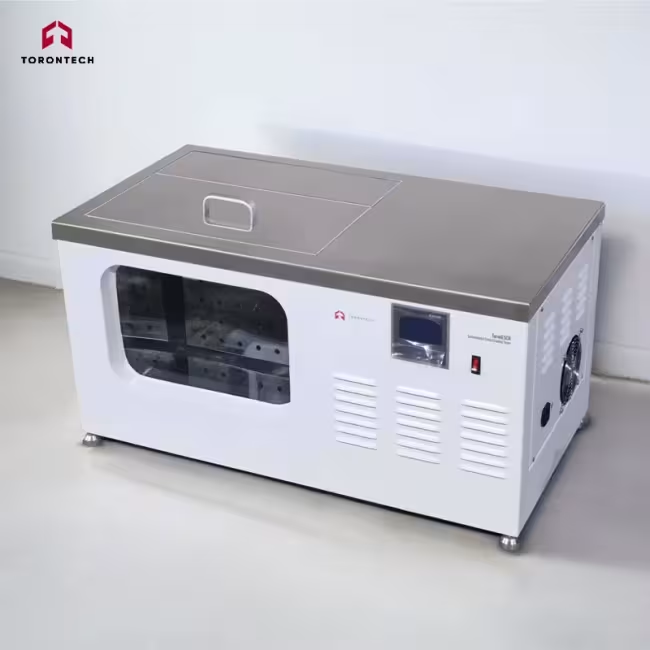
ESCR Environmental Stress Cracking Tester - ToronESCR™
Environmental Stress Cracking (ESC) is a common failure mechanism in plastics, where materials crack or fail due to environmental conditions such as exposure to chemicals, stress, and other factors. The ToronESCR™ Environmental Stress Cracking Tester by Torontech is designed to evaluate a plastic material's resistance to cracking under stress in harsh environments.
With advanced testing capabilities, the ToronESCR™ system enables precise and reliable testing, ensuring manufacturers can determine a material's durability in real-world conditions. This is crucial for industries like packaging, automotive, aerospace, and consumer goods, where material integrity under stress is critical for safety and performance.
The ToronESCR Environmental Stress Cracking Tester™ offers a user-friendly interface, rapid testing setups, and compliance with international testing standards, making it an ideal choice for research labs, quality control departments, and manufacturers aiming to enhance the long-term performance of their materials.
Application
The ToronESCR Environmental Stress Cracking Tester is used to determine the susceptibility of ethylene plastics (as defined in terminology D883) to environmental stress-cracking under the conditions specified by ASTM D1693-01. Ethylene plastics may exhibit mechanical failure by cracking when subjected to stress and exposed to environments such as soaps, wetting agents, oils, or detergents. In this test, bent specimens of plastic, each with a controlled imperfection on one surface, are exposed to the action of a surface-active agent. The proportion of the total number of specimens that crack within a given time is observed, providing valuable insight into the material's durability.
ASTM D1693 - Standard Test Method for Environmental Stress-Cracking of Ethylene Plastics
ASTM D1693 is the industry standard that governs the testing of environmental stress cracking in ethylene-based plastics. It outlines the procedures to expose materials to specific conditions (usually in the presence of chemicals) and measure their susceptibility to cracking. This test method is crucial for ensuring that materials can withstand environmental factors without premature failure, making it indispensable in the evaluation of plastic materials.
HowTorontech's ToronESCR Meets and Exceeds ASTM D1693 Standards
Torontech's ToronESCR Environmental Stress Cracking Tester is engineered to fully comply with the rigorous requirements of ASTM D1693, providing accurate and repeatable results. However, the ToronESCR goes beyond basic compliance:
Precision Control: The ToronESCR system provides enhanced control over testing variables like temperature, stress, and exposure time, ensuring greater accuracy and reliability in testing outcomes.
Rapid and Consistent Results: With a focus on automation and consistency, the ToronESCR allows for high-throughput testing while maintaining compliance with ASTM D1693 guidelines.
Customizable Testing Parameters: The system is designed to allow for customized testing conditions, accommodating different industry-specific requirements, ensuring your product testing is tailored to your needs.
Enhanced Data Analysis: ToronESCR Environmental Stress Cracking Tester comes with advanced software for data capture, analysis, and reporting, offering deeper insights into material performance and stress-cracking resistance.
ESCR Environmental Stress Cracking Tester - ToronESCR™ Features
| Number of Test Stations | 30 |
|---|---|
| Constant Temperature Levels | 50℃ & 100℃ |
| Temperature Accuracy | ±0.5℃ |
| Specimen Size | (38×13×Thickness) mm |
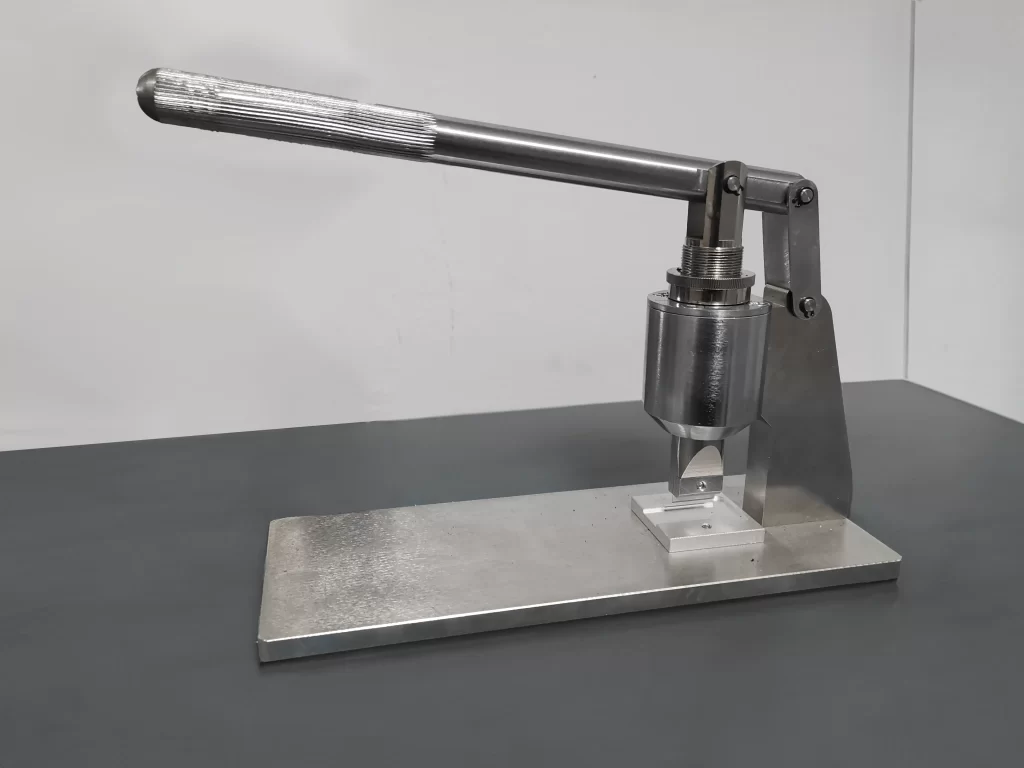
| Length of Nick | 19 mm |
| Heating Medium | Softened water (<90℃) or stator oil (>90℃) |
| Voltage | (220-15%~220+10%)VAC 50Hz (110V is also available) |
ESCR Environmental Stress Cracking Tester - ToronESCR™ Standard Configuration
- Thermostatic chamber
- Nicking device
- Shifting device
- Bending device
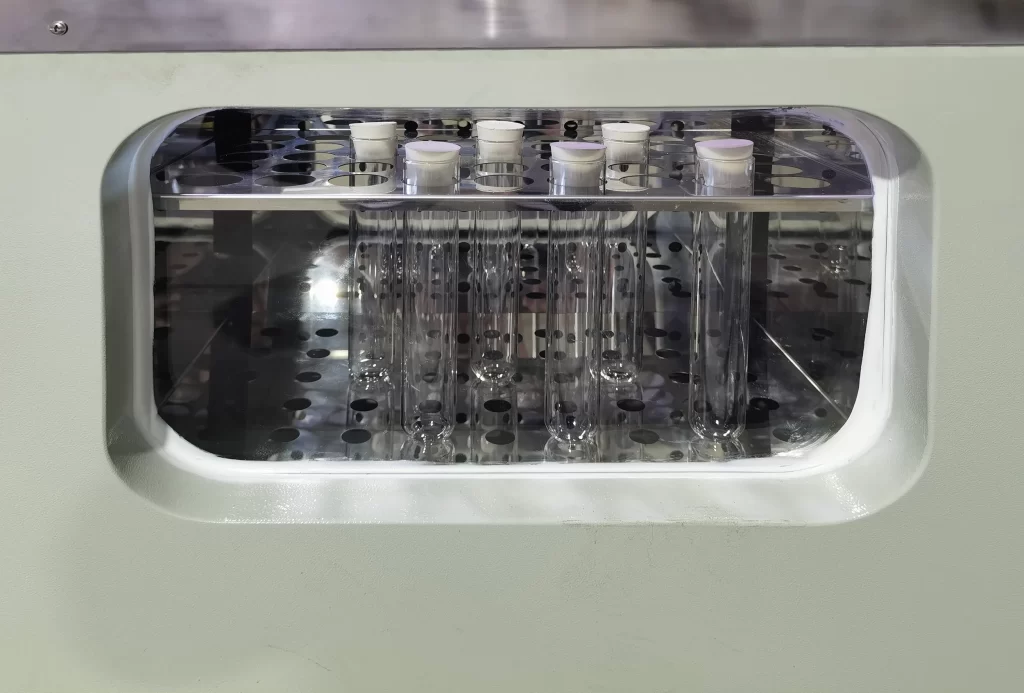
- Specimen holder (5 pcs)
- Test tube and plug (5 pcs)


