

Vacuum Oven
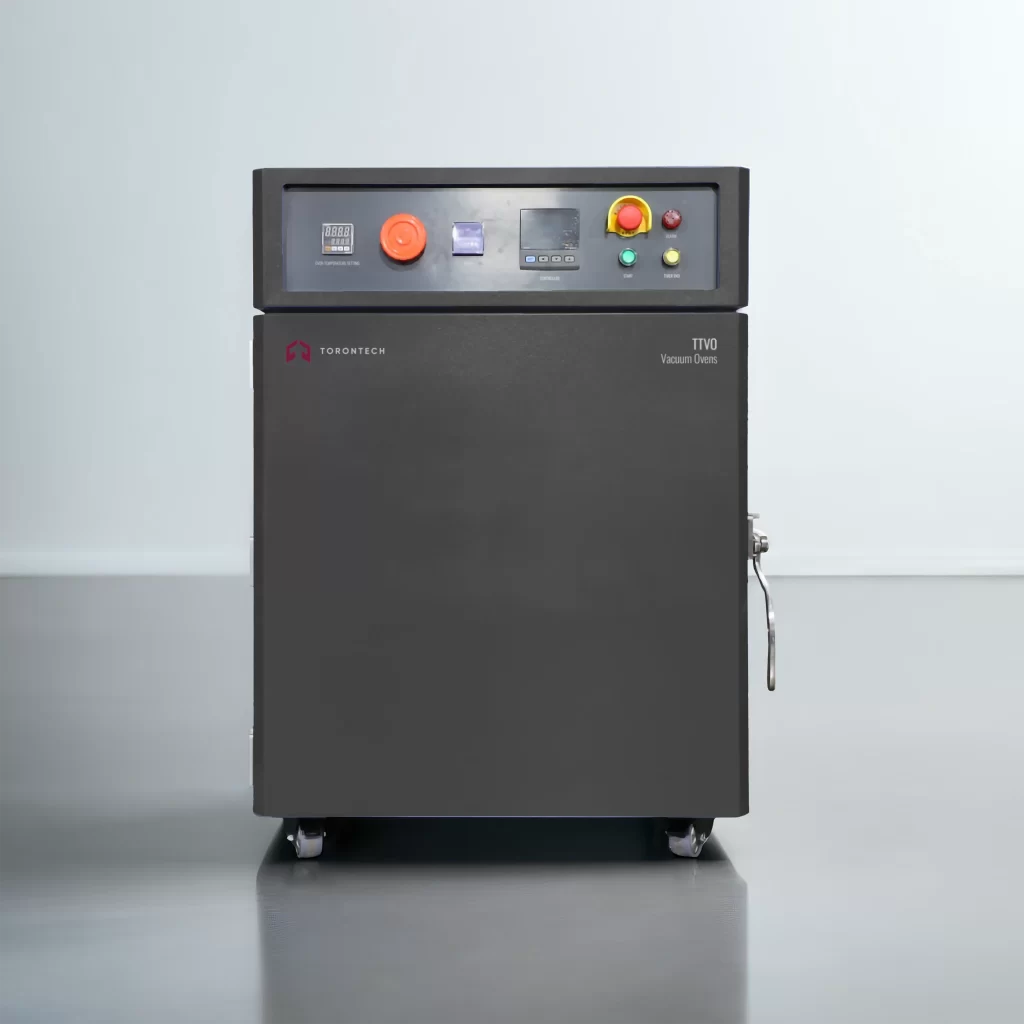
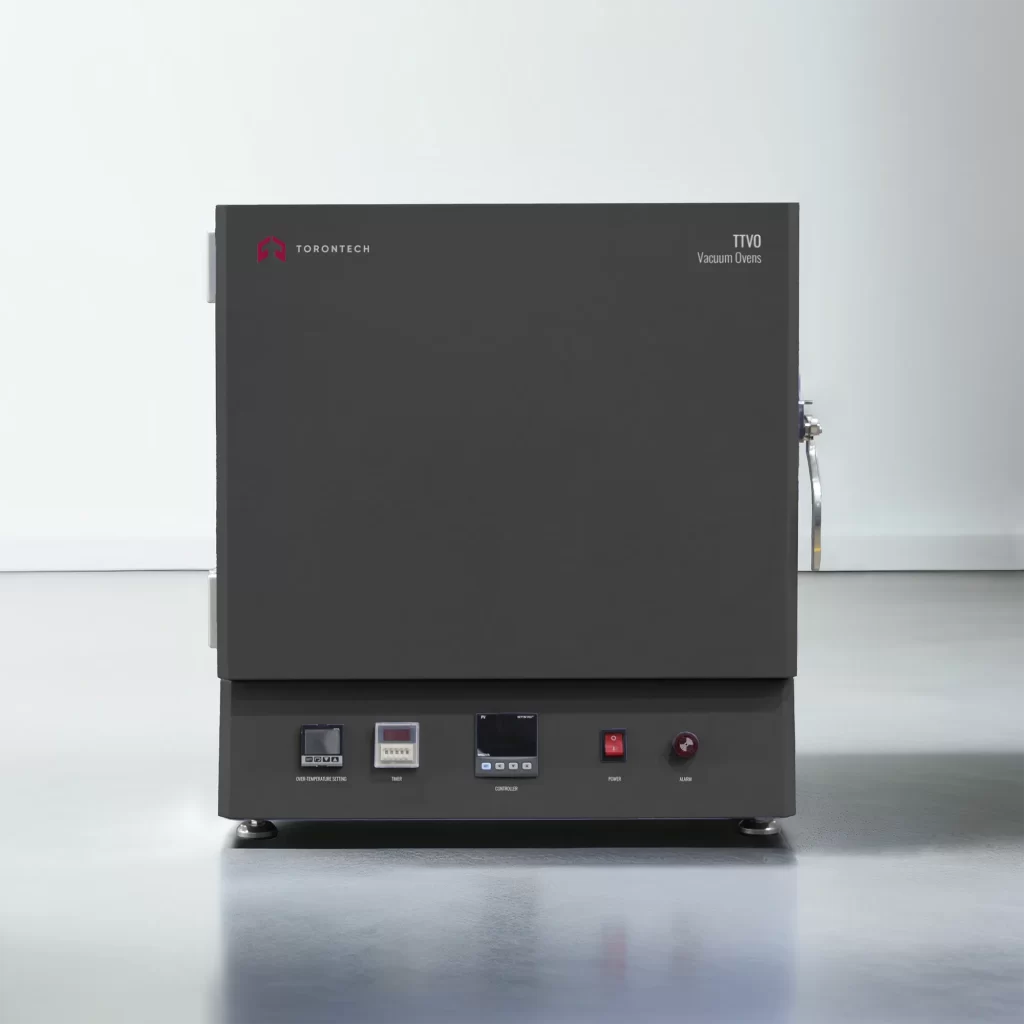
A vacuum oven, also known as a vacuum drying oven, is a laboratory equipment designed for precise drying, curing, degassing, and heat treatment under vacuum conditions.
By removing air and reducing pressure, vacuum ovens allow for gentle yet efficient drying, making them ideal for heat-sensitive materials. These ovens are widely used in industries such as electronics, materials science, biotechnology, pharmaceuticals, and more.
Applications of Vacuum Ovens
Vacuum ovens are widely used for:
- Electronics - Drying electronic components to remove moisture and prevent oxidation.
- Material Science - Processing advanced materials under controlled heat and vacuum conditions.
- Biotechnology & Pharmaceuticals - Sterilizing and drying sensitive biological and medical samples.
- Aerospace & Automotive - Heat treatment of precision-engineered components.
With high precision, reliability, and efficiency, a vacuum oven is a critical tool for laboratories and industrial applications requiring controlled heat treatment in a vacuum-sealed environment.
Application
Ideal for vacuum baking during battery core production, utilizing both vacuum and high temperatures to efficiently dry and remove moisture from electrode materials.
Warning: Using this oven for other purposes may result in personal injury or equipment damage.
Sample restrictions
- Testing and storage of flammable, explosive, and volatile substance samples.
- Testing and storage of corrosive substance samples.
- Testing and storage of biological samples.
- Testing and storage of strong electromagnetic emission source samples
Sample requirements
To ensure accurate and effective test data, follow these guidelines for proper use of the test chamber:
- The total load mass should not exceed 80 kg per cubic meter of chamber volume.
- The total load volume should not exceed 1/5 of the chamber's working volume.
- In any cross-section perpendicular to the airflow, the total load area should not exceed 1/3 of the chamber's cross-sectional area.
- Ensure proper airflow circulation by avoiding obstructions when placing the load.
Testing standards
- IEC 68-2-2: High-temperature test method (Test Bb).
- MIL-STD-202F: High-temperature aging test.
- MIL-STD-810D: High-temperature test method.
Key Features of Vacuum Ovens
- Durable Construction - Built with cold-rolled steel and stainless-steel plates, ensuring a solid and long-lasting structure.
- Superior Insulation - Features a rigid polyurethane foam insulation layer (flame retardant, Class B2) for optimal thermal efficiency.
- Vacuum Glass Observation Window - Provides a clear view of the drying process while maintaining a vacuum-sealed environment.
- Advanced Temperature Control - Utilizes a PID+SSR adjustment system for precise and stable temperature regulation.
- User-Friendly Control Panel - Includes an intuitive temperature controller, start switch, emergency stop switch, and buzzer for operational safety.
- Manual Inflation Valve - In the event of a vacuum power failure, the manual inflation valve allows for pressure restoration, ensuring the chamber can be safely opened.
| Model | TTVO-216A |
|---|---|
| Volume | 216L |
| Inner size | W 600 mm x H 600 mm x D 600 mm |
| Exterior size | W 900 mm x H 1300 mm x D 1400 mm |
| Space required | 1.26m² |
| Cooling method | Air cooling |
| Temperature range | RT+20°C ~ +200°C |
| Temperature fluctuation | ≤0.5°C |
| Temperature heating | Heating rate: RT+20°C ~ +200°C, average 3°C/min (no load) |
| Temperature cooling | Ambient air is supplied through the fresh air system (optimal room temperature: below 30°C) to cool the cabinet, with no specific cooling time required. Note: The door should only be opened when the internal temperature is below 90°C to prevent burns. |
| Maximum load | N/A |
| Pressure range | Atmospheric pressure ~ 0.1kPa |
| Pull-down time | From atmospheric pressure to 0.1kPa, within 30 min. (with no load, ambient temperature) |
| Pressure fluctuation | ±1Pa |
| Vacuum control accuracy | ≤±2Pa |
| Noise | ≤70(dB) (The noise detection device is measured 1m away from the equipment door) |
