

Melting Point Apparatus – ToronMPA™ 300
Melting Point Apparatus – ToronMPA™ 300
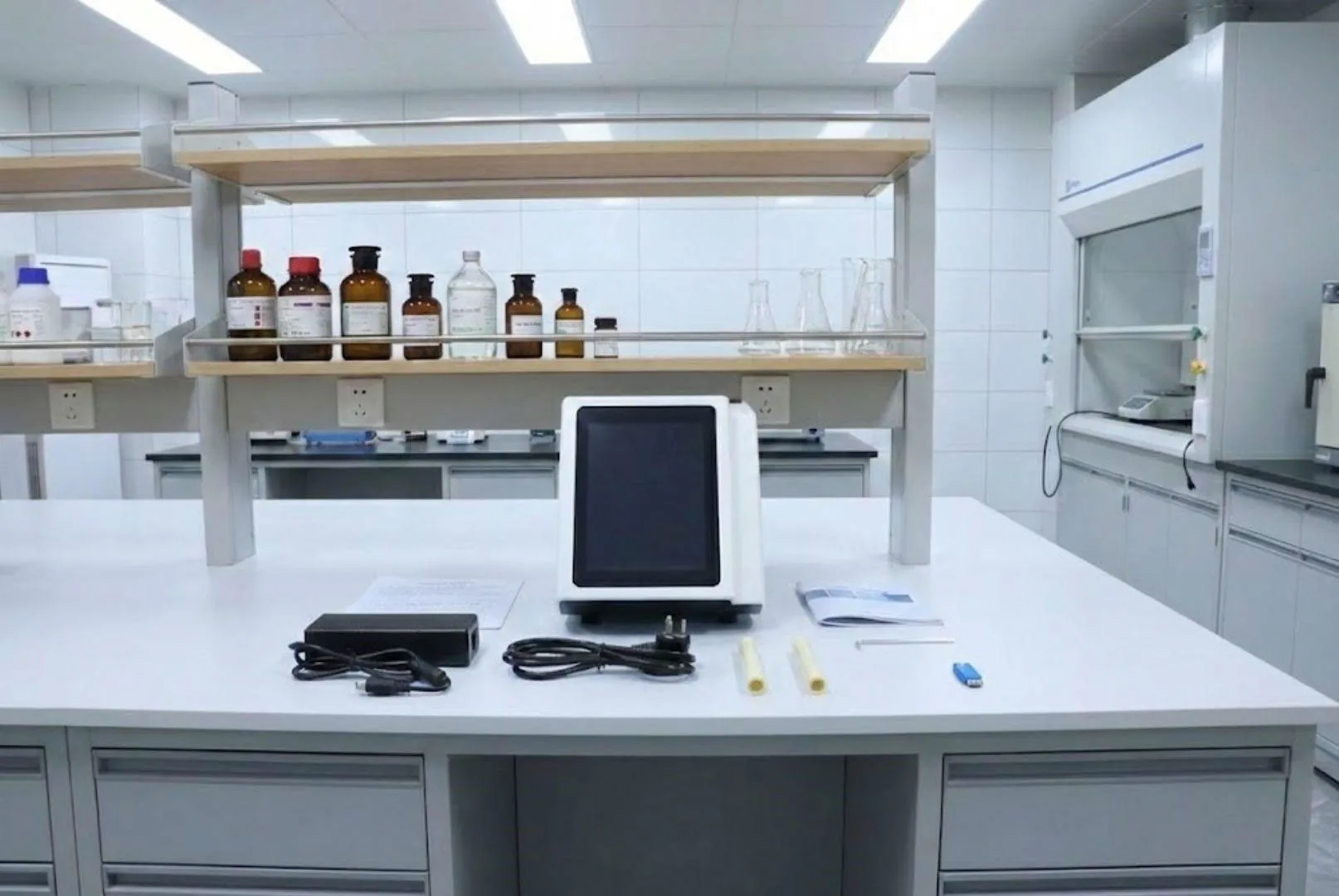
Melting Point Apparatus ToronMPA™ 300 is a fully automatic, video-based system for fast and consistent melting point work in QC and R&D. It measures four samples per batch and uses HD video to document the full melt process instead of microscope viewing. Automatic recording of initial melt and final melt points improves repeatability across operators and shifts. Options such as audit trail and electronic signatures support controlled documentation when compliance requirements apply.
ToronMPA™ 300 combines precise furnace control with an HD camera to capture melting behavior clearly and consistently. The system covers room temperature to 360 °C with 0.01 °C resolution, which supports tight method control during critical transitions.
PID temperature control and a closed furnace design help stabilize ramps and reduce drift between runs. A programmable ramp structure with up to 10 segments helps align testing with SOPs across different materials.
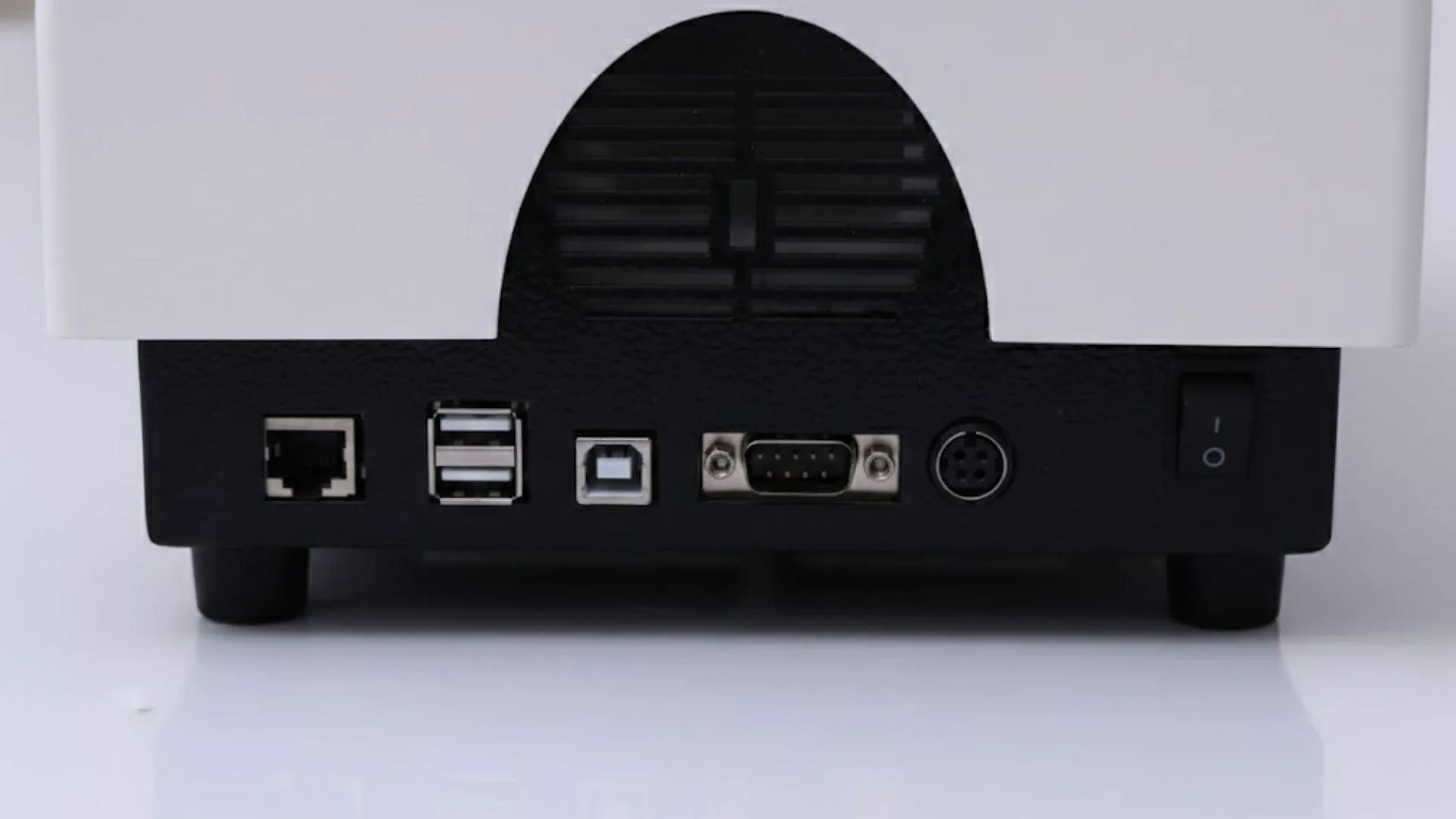
The interface is built around a large touch display and structured data storage for lab traceability. It stores results and “mapping” records, supports method management, and provides export formats such as PDF and Excel. Connectivity includes USB, RS232, SD, Wi-Fi, RJ45, and U-disk, supporting common lab data workflows. A scanner input option supports QR-code entry to reduce manual sample ID typing.
Melting Point Apparatus – ToronMPA™ 300 Applications
- Pharmaceutical research and QC release checks: Melting point and melting range results support identity screening and purity trend checks for APIs and excipients. Video records can also help with investigations and documentation during deviations.
- Chemical manufacturing and incoming inspection: Many crystalline chemicals show measurable melt behavior changes when composition shifts. A consistent ramp program helps compare lots under the same method settings.
- Food, flavors, and fragrance solids: Solid organic ingredients can show characteristic melting transitions that relate to processing and handling. Controlled heating programs support consistent internal benchmarks.
- Dyes and organic crystalline substances: Dyes and specialty organics often use melting behavior as a screening tool during product development and routine checks. Video observation helps confirm melt behavior visually for records.
Standards
- FDA 21 CFR Part 11 (scope and application guidance) — Applies when electronic records/e-signature controls are used for regulated documentation.
Melting Point Apparatus – ToronMPA™ 300 Key Features
- AI-assisted parameter setup to simplify routine method configuration and reduce operator variability.
- Four-sample batch testing to improve daily throughput while keeping test conditions consistent.
- HD video observation that replaces microscope viewing and provides clearer visual confirmation of melt behavior.
- Automatic melt-point recording that documents initial melt and final melt points for consistent reporting.
- PID temperature control with a closed furnace design to maintain stable ramps and repeatable results.
- Up to 10 programmable temperature segments to build repeatable heating profiles for different materials.
- Data integrity options including method locking, audit trail, and electronic signature for controlled documentation.
- Export and connectivity support with PDF/Excel output plus USB, RS232, SD, Wi-Fi, RJ45, and U-disk interfaces.
- QR-code scanner input support to speed up sample ID entry and reduce manual transcription.

Theory and Method
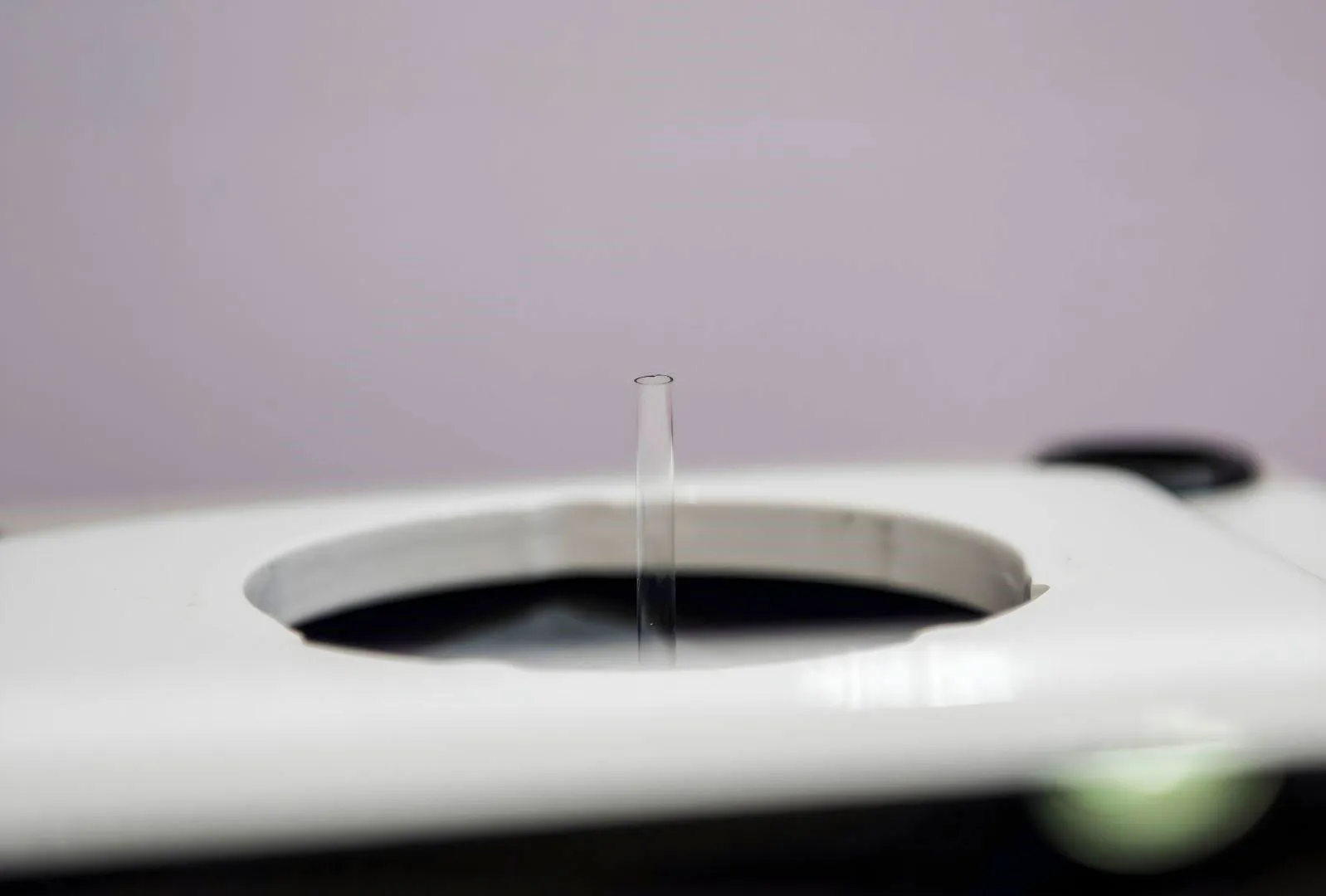
Melting point testing determines the temperature (or range) where a solid transitions to a liquid under controlled heating. A prepared sample is placed in a capillary tube, then heated at a defined ramp rate until melt onset and the clear point are observed or detected. Capillary results depend on method settings such as heating rate, sample packing, and verification using suitable reference materials.
ToronMPA™ 300 uses HD video observation and automatic event recording to capture the melt process and report initial and final melt points consistently. Programmable ramps (up to 10 segments) support repeatable method execution across products with different melting behaviors. Stored results, method controls, and optional audit features support traceability when documentation needs are strict.
Melting Point Apparatus – ToronMPA™ 300 Technical Specification
| Specification | ToronMPA™ 300 |
|---|---|
| Temperature range | Room temperature to 360 °C |
| Testing method | Fully automatic (compatible with manual) |
| Parameter settings | AI automatic |
| Sample capacity | 4 samples per batch |
| Temperature resolution | 0.01 °C |
| Heating rate | 0.1 °C to 20 °C (multi-step adjustable) |
| Temperature control | PID precise control, closed furnace design |
| Program segments | Up to 10 programmable segments |
| Accuracy (reported) | ±0.3 °C (≤200 °C); ±0.5 °C (>200 °C) |
| Repeatability (reported) | ±0.1 °C at 0.1 °C/min |
| Magnification | Standard 9× (other settings available) |
| Display | 10.4-inch TFT color touch screen |
| Data storage | 64 GB |
| Mapping preservation | 20,000 sets |
| Experimental methods | 150 sets |
| Method locking | Yes |
| User management | Four-level permission management |
| Audit trail | Yes |
| Electronic signature | Yes |
| Custom method library | Yes |
| Export verification | MD5 verification supported |
| Printing mode | Wi-Fi printing and serial port printing |
| Export formats | PDF and Excel |
| Interfaces | USB, RS232, SD, Wi-Fi, RJ45, U-disk |
| Scanner input | Supports QR-code scanner input |
| Capillary size | OD φ1.3 mm, ID φ1.1 mm |
| Package size | 430 × 320 × 370 mm |
| Voltage | 110–230 V, 50/60 Hz, 120 W |
| Weight | 6.50 kg |
Optional Accessories
- Melting point reference material: Naphthalene (GBW(E) 13234)
- Melting point reference material: Adipic acid / 1,6-hexanedioic acid (GBW(E) 130236)
- Melting point reference material: Anthraquinone (GBW 13238)
- Melting point capillary tubes: Standard capillaries
- Agate mortar and pestle (for sample grinding and preparation)
- Thermal printer (for direct result printouts)
- Needle-type printer (impact-style printing option)