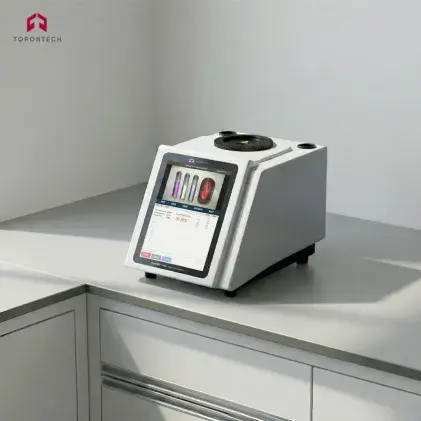
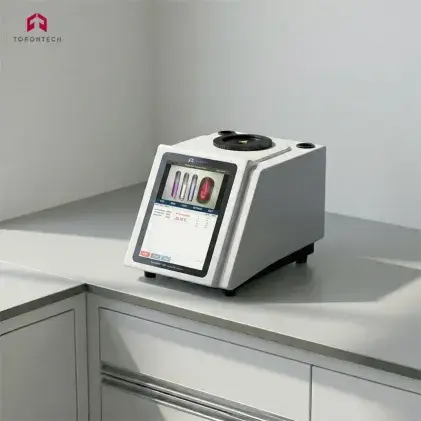
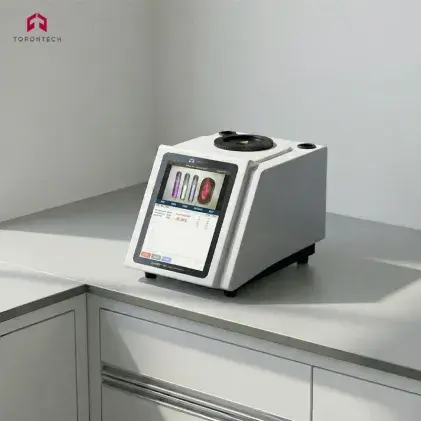
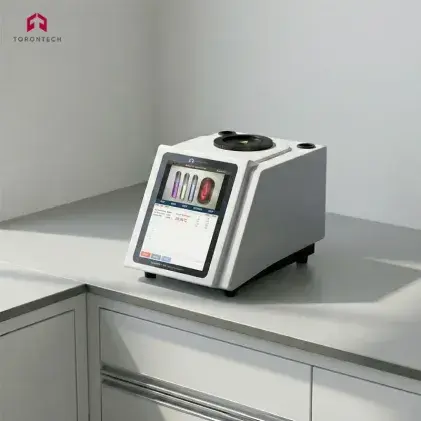
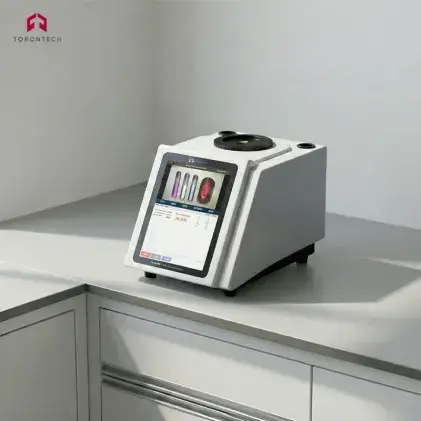
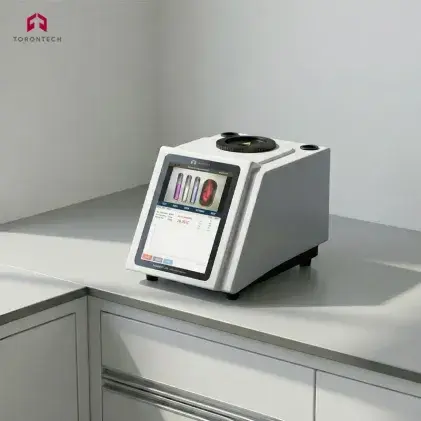
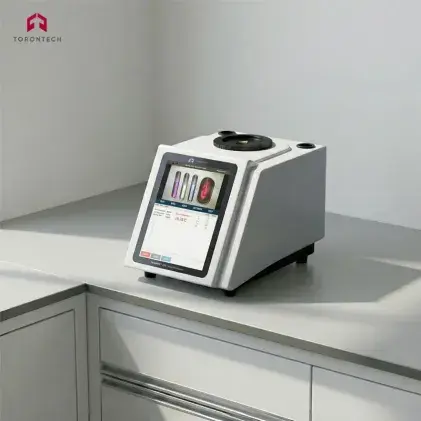
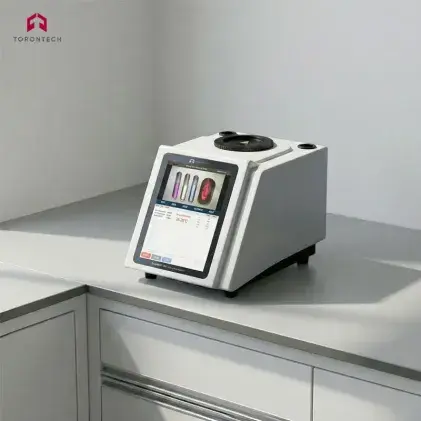
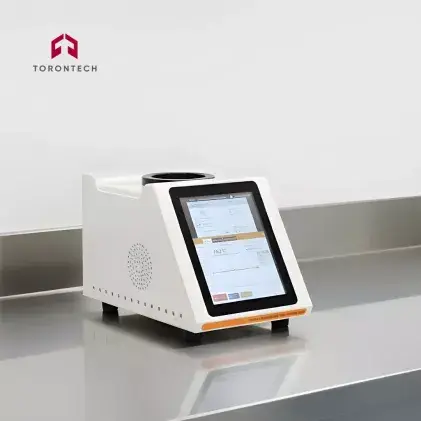
Melting Point Apparatus
Melting Point Apparatus
A Melting Point Apparatus helps QC and R&D teams confirm identity and screen purity by measuring initial melt, final melt, and melting range under controlled heating. Video-based melting point systems reduce subjective microscope interpretation and create clearer documentation for investigations and batch comparisons. Many labs also use melting point results to support incoming inspection and routine production checks across organic crystalline materials.
A Melting Point Apparatus heats a prepared sample at a controlled rate while observing phase transition endpoints. Typical workflows pack a sample into a capillary tube, insert it into a heating chamber, and apply a programmed ramp. The system records the melting range by capturing the first visible melt and the final clear melt, then reports results with traceable records. Programmable segments help standardize methods across operators and material types.
Applications
- Chemical and pharmaceutical research: Melting range data supports synthesis, purification, and formulation comparisons across batches. Video records help reviewers confirm fast transitions and keep stronger lab documentation.
- Production QC for organic crystalline substances: Labs use melting point trends for routine checks in food, drugs, spices, dyes, and similar materials. Standardized heating and recorded observation help improve consistency across shifts.
- Incoming inspection and raw material identification: Melting behavior can be compared against internal reference ranges to screen mix-ups and off-grade lots. This supports practical verification in receiving workflows before release decisions.
- Traceable documentation for regulated environments: Audit trail, electronic signatures, and method locking support controlled reporting. These functions help labs align documentation practices with compliance-driven SOPs.
Why choose ToronMPA™ for your Melting Point Apparatus?
ToronMPA™ systems are built around video observation and controlled furnace heating so teams can capture melting behavior with less operator subjectivity. Many models support multi-segment temperature programs to align ramps to internal SOPs and material behavior.
Several models include data integrity functions such as method locking, audit trail, electronic signatures, and MD5 verification for exported files. Reporting and transfer options support typical lab documentation flows, including direct printing plus PDF/Excel outputs and common interfaces.
Table Comparison of ToronMPA™ Series
| Model | Automation level | Temperature range | Data integrity & reporting highlights | Best fit |
|---|---|---|---|---|
| ToronMPA™ 800 | Fully automatic, video-based | Room temperature to 420 °C | Audit tracking + e-signatures + pharmacopeia-focused documentation; PDF/Excel export; direct printing | For manufacturers needing melting point production qualification or authorized production applications |
| ToronMPA™ 700 | Fully automatic, video-based | Room temperature to 420 °C | Audit tracking + e-signatures; PDF/Excel export; direct printing | Regulated and production-facing workflows needing controlled documentation |
| ToronMPA™ 600 | Automatic (manual compatible) | RT to 420 °C | Method locking; audit trail; e-signature; MD5 verification; PDF/Excel export; broad connectivity | High-throughput labs that want broader temperature range |
| ToronMPA™ 500 | Fully automatic (manual compatible) | RT to 400 °C | Audit tracking; e-signature; method locking; MD5 verification; Wi-Fi/serial printing; PDF/Excel export | Pharma and chemical QC needing automated capture and reporting |
| ToronMPA™ 400 | Fully automatic, video-based | RT to 400 °C | Audit trail + e-signatures; PDF/Excel export; multiple interfaces | Labs needing traceable, standardized melting results with video review |
| ToronMPA™ 300 | Fully automatic + AI parameter settings | RT to 360 °C | Method locking; audit trail; e-signature; MD5 verification; Wi-Fi/serial printing; PDF/Excel export | Routine melting point work with AI-assisted setup and solid data controls |
| ToronMPA™ 200 | Semi-automatic, video-based | RT to 400 °C | Programmable segments; PID closed furnace control; reporting options available | QC and research labs that want video observation with semi-automatic detection |
| ToronMPA™ 100 | Semi-automatic, video-based | RT to 360 °C | Programmable segments; PID closed furnace control; PDF/Excel export | Core melting point workflows where 360 °C range is sufficient |