

Melting Point Apparatus – ToronMPA™ 200
Melting Point Apparatus – ToronMPA™ 200
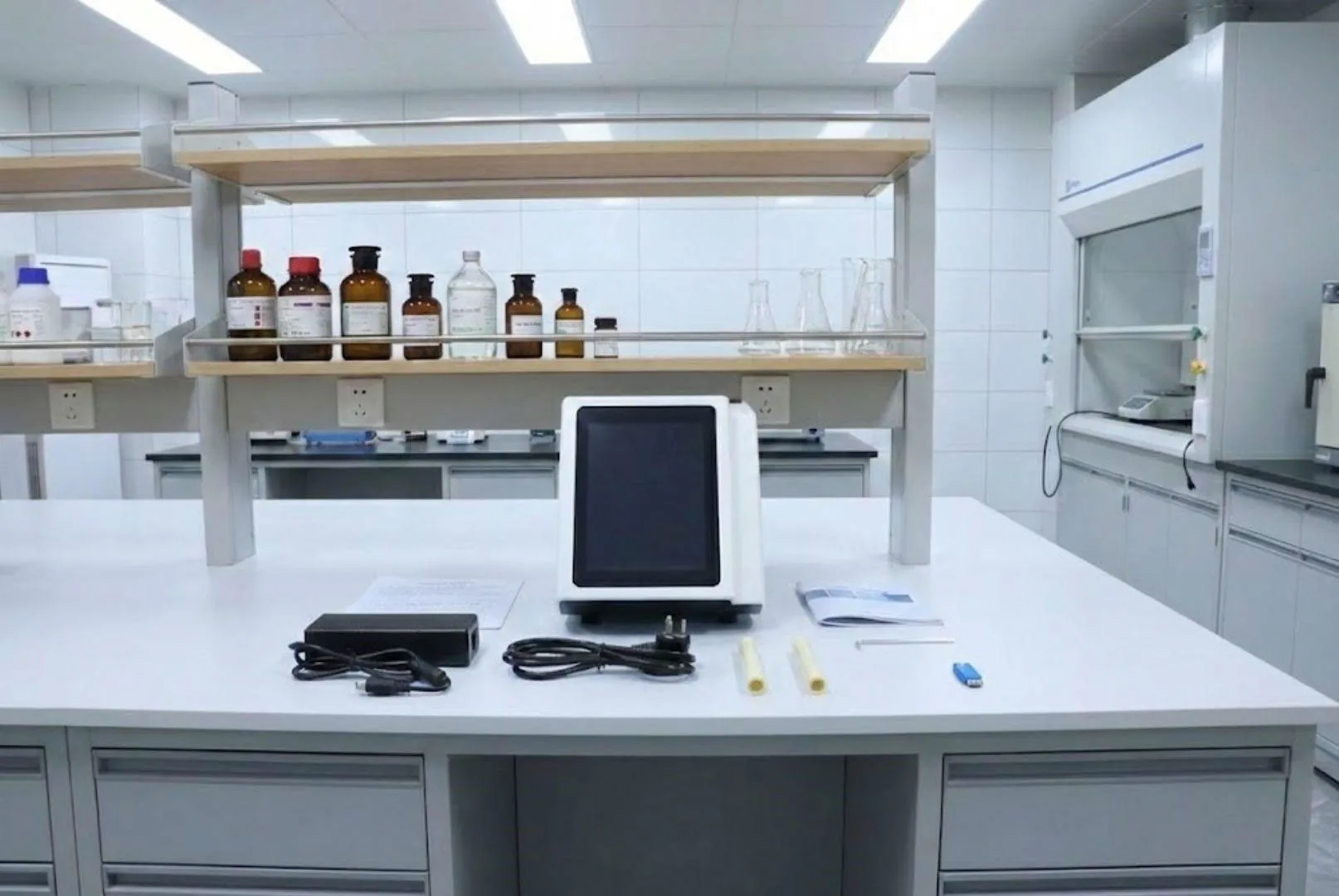
Melting Point Apparatus ToronMPA™ 200 is a video-based system designed for reliable melting point work in QC and research labs. The instrument uses semi-automatic detection and provides repeatable melt-point results through controlled heating programs and documented observations. Features such as audit trail and electronic signature are available for documentation needs, including workflows aligned with electronic record requirements.
ToronMPA™ 200 combines precise temperature control with a video camera to simplify visual confirmation during melting point testing. It operates from room temperature to 400 °C with 0.01 °C resolution, supporting controlled ramps when melt transitions happen quickly.
PID-based closed furnace control helps maintain stable heating behavior and consistent conditions between runs. A programmable temperature profile supports up to 10 segments, helping labs run repeatable methods across different materials.
The system is designed for daily lab workflow with touch-screen operation, stored methods, and exportable reports. Results can be printed through supported printing modes and exported as PDF and Excel for reporting and traceability. Multiple interfaces support data transfer in common lab setups, including Wi-Fi and RJ45.
Melting Point Apparatus – ToronMPA™ 200 Applications
- Pharmaceutical research and QC: Melting point and melting range results help confirm material identity and detect purity shifts for APIs and excipients. Video observation supports visual confirmation when investigating out-of-spec behavior or method variation. The four-sample batch format supports routine checks without slowing daily throughput.
- Chemical manufacturing and incoming inspection: Crystalline chemicals often show measurable melting range changes when composition or contamination shifts. Controlled heating programs and consistent furnace behavior help compare lots under the same settings. Semi-automatic detection supports fast screening when paired with a defined SOP.
- Food, flavors, and fragrance solids: Many organic solids used in formulation have characteristic melting transitions that affect handling, storage, or processing. Standardized ramp profiles support internal benchmarks and batch comparisons. Video makes melt behavior easier to confirm without microscope-based viewing.
- Dyes and other organic crystalline substances: Dyes and specialty organics commonly use melting behavior as a screening tool in development and routine checks. Clear video observation supports documentation and operator-to-operator consistency. Repeatable ramps help maintain comparable results across shifts and labs.
Standards
- 21 CFR Part 11 (electronic records and electronic signatures, when applicable to your documentation controls).
Melting Point Apparatus – ToronMPA™ 200 Key Features
- Simplified parameter setup to speed up routine method configuration and reduce operator variation.
- Four-sample batch workflow to improve throughput for daily QC and repeat screening.
- High-definition video observation to view the full melting process clearly without microscope-style viewing.
- Semi-automatic melt evaluation to support consistent initial and final melting point decisions with visual confirmation.
- PID temperature control with a closed furnace design to keep heating ramps stable and repeatable.
- Up to 10 programmable gradient segments to build repeatable heating profiles for different materials and SOPs.
- Controlled documentation options including audit trail and electronic signature for traceable records when required.
- Direct printing support using Wi-Fi or serial printing modes for fast reporting.
- Export and connectivity with PDF/Excel output plus USB, RS232, SD, Wi-Fi, RJ45, and U-disk interfaces.
- Method control tools including method locking, custom method library, and MD5 verification for exported files.


Theory and Method
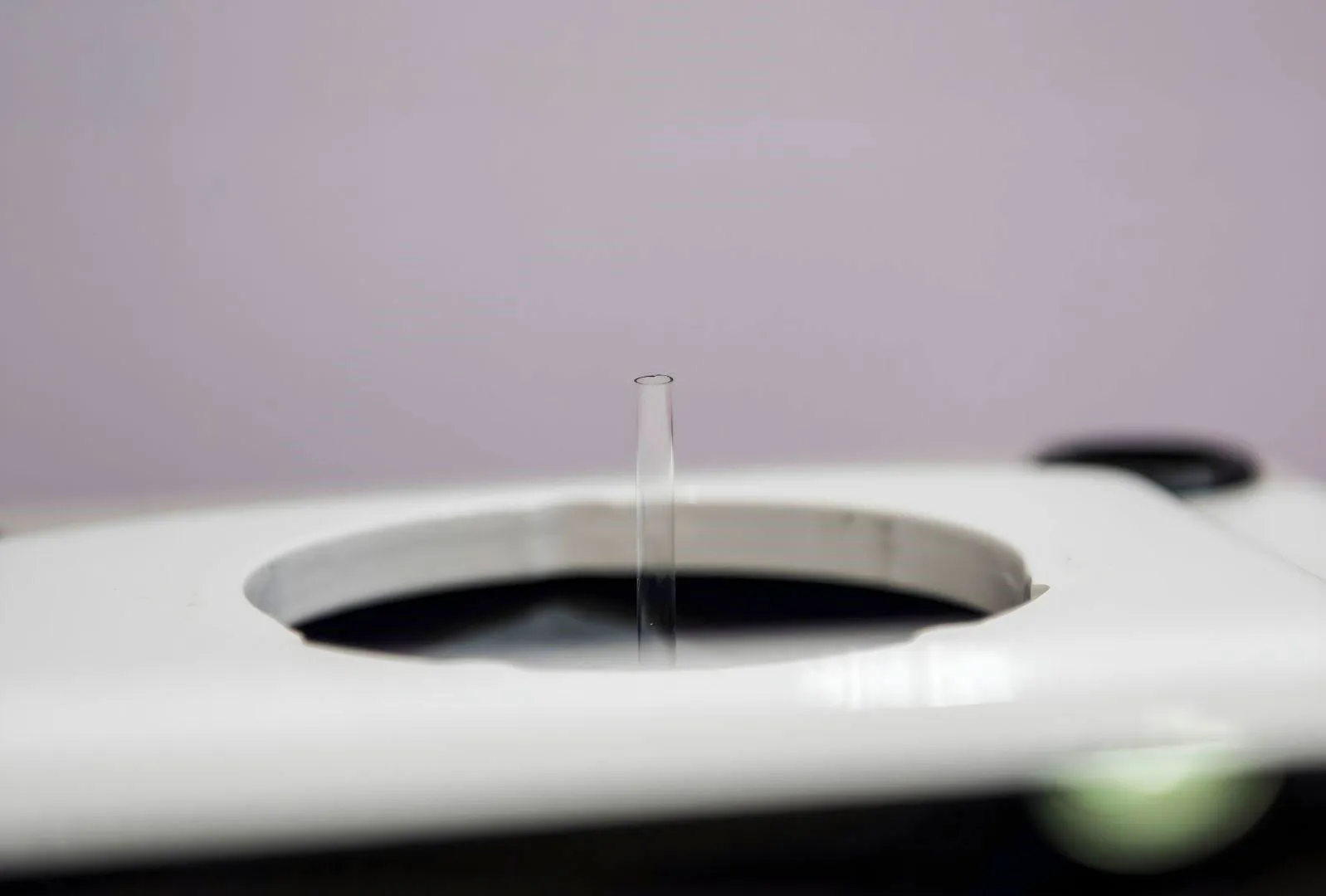
Melting point testing measures the temperature or temperature range where a solid transitions into a liquid under controlled heating. A sample is placed in a capillary tube and heated using a defined ramp rate, then melt onset and the clear point are observed or detected. Pharmacopeial and ASTM approaches emphasize consistent sample preparation, controlled heating rate, and verification using suitable reference materials.
ToronMPA™ 200 uses video observation to show the melt process clearly while a PID-controlled, closed furnace manages the heating profile. The system supports segmented temperature programming so labs can match different material behaviors and SOP requirements. Semi-automatic detection and stored methods help keep execution consistent across operators.
Melting Point Apparatus – ToronMPA™ 200 Technical Specification
| Specification | ToronMPA™ 200 |
|---|---|
| Temperature range | Room temperature to 400 °C |
| Detection method | Semi-automatic |
| Sample capacity | 4 samples per batch |
| Temperature resolution | 0.01 °C |
| Linear heating rate error | ±5% |
| Heating rate | 0.1 °C to 20 °C (200 levels, stepless adjustable) |
| Program segments | Up to 10 programmable gradient segments |
| Temperature control | PID precise temperature control, fully closed furnace design |
| Accuracy (reported) | ±0.2 °C (≤200 °C); ±0.4 °C (>200 °C) |
| Repeatability (reported) | ±0.1 °C at 0.1 °C/min |
| Magnification | Standard 9× (other multiples can be set) |
| Display | 10.4-inch color touch screen |
| Data storage | 64 GB |
| Experimental methods | 60 sets |
| Permission management | Four levels |
| Audit trail | Yes |
| Electronic signature | Yes |
| Custom method library | Yes |
| Method locking | Yes |
| Export file verification | MD5 verification supported |
| Printing mode | Wi-Fi printing and serial port printing |
| Export formats | PDF and Excel |
| Interfaces | USB, RS232, SD, Wi-Fi, RJ45, U-disk |
| Capillary size | OD φ1.3 mm, ID φ1.1 mm |
| Package size | 430 × 320 × 370 mm |
| Voltage | 110–230 V, 50/60 Hz, 120 W |
| Weight | 6.50 kg |
Optional Accessories
- Melting point reference material: Naphthalene (GBW(E) 13234)
- Melting point reference material: Adipic acid / 1,6-hexanedioic acid (GBW(E) 130236)
- Melting point reference material: Anthraquinone (GBW 13238)
- Melting point capillary tubes: Standard capillaries
- Agate mortar and pestle (for sample grinding and preparation)
- Thermal printer (for direct result printouts)
- Needle-type printer (impact-style printing option)