
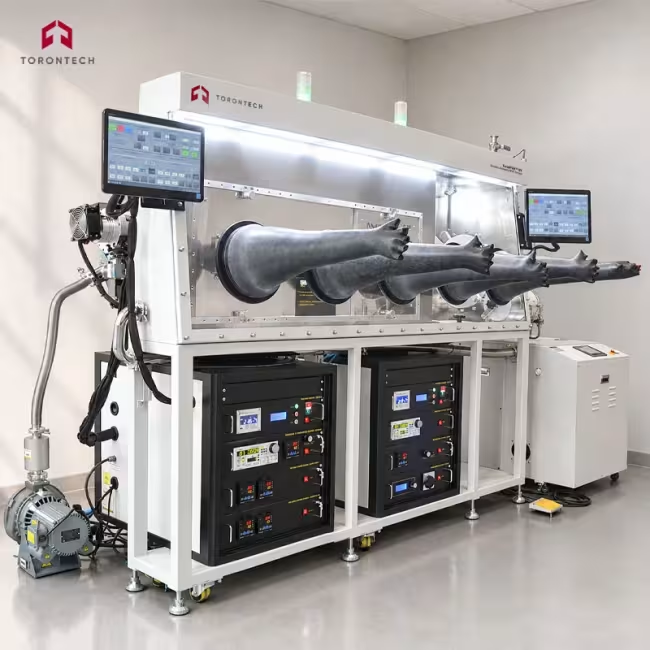
Glovebox-Integrated PVD System
Glovebox-Integrated PVD System - ToronPVD™ GV
ToronPVD™ GV is a glovebox-integrated PVD system for organic and inorganic thin film deposition, adapted for direct connection to an inert-atmosphere glovebox through sliding-door access. A prismatic SS304 chamber (30 × 40 × 50 cm) with electro-polished interior surfaces supports thermal evaporation, organic effusion cells, e-beam, and sputtering in a single platform. The chamber reaches 10⁻⁸ Torr base pressure for a fully loaded system, using Inficon wide-range vacuum measurement. A 1.5-hour experiment cycle at 10⁻⁷ Torr supports multi-run daily throughput.
Four thermal inorganic evaporation sources and two to six organic effusion cells provide multi-material deposition capability within a single vacuum cycle. PID-controlled effusion cells for organic materials operate across 25 to 600 °C at ±1 °C, providing the temperature stability needed for organic semiconductor and OLED emitter deposition. A dual-channel film thickness controller with 0.1 Å/s precision monitors deposition rate and cumulative thickness across two sources. A substrate heater at 100 to 600 °C and 2 to 30 rpm sample rotation support film uniformity.
Vacuum chamber feedthroughs use KF25, CF40, and 1-inch port standards with 200 °C resistant viton o-rings, supporting high-temperature feedthrough configurations when substrate heaters and effusion cells are active simultaneously. A 100 mm UV-blocking observation window with rotatable protective shutter provides direct process monitoring. Automatic vent, throttle, and isolation valves combined with an automatic closed-loop water cooling system manage chamber temperature and pressure throughout the deposition cycle. Single-phase 220VAC, 16A power supply supports straightforward facility integration.
Glovebox-Integrated PVD System - ToronPVD™ GV Applications
The ToronPVD™ GV serves organic electronics research and advanced device fabrication programs where deposition must occur under strict atmospheric exclusion to protect moisture-sensitive and oxygen-sensitive materials. Its glovebox-adapted architecture, multi-source configuration, and PID effusion cell control make it suited to multilayer organic device fabrication and heterogeneous PVD research programs.
- OLED and Organic Light-Emitting Device Research: sequential deposition of organic emitter, transport, and metal electrode layers without air exposure between steps, preserving interface quality in multi-layer device stacks
- Organic Photovoltaic Cell Fabrication: vacuum deposition of donor, acceptor, and electrode layers for organic solar cell prototypes requiring strict atmospheric exclusion during processing
- Organic Semiconductor Research: thin film deposition of moisture-sensitive small molecules for OFET, diode, and memory device research where ambient air exposure changes material properties
- Perovskite Solar Cell Development: vacuum deposition of perovskite and charge transport layers in an inert atmosphere, reducing defects introduced by ambient humidity and oxygen exposure
- Battery Electrode and Solid Electrolyte Research: deposition of air-sensitive cathode, anode, and solid electrolyte thin films for next-generation lithium-ion and solid-state battery device research
- Two-Dimensional Material Device Fabrication: vacuum metallization and contact deposition on graphene, MoS₂, and other 2D materials without air exposure between preparation and deposition steps
- Heterogeneous Multilayer PVD Research: multi-material deposition combining inorganic thermal evaporation and organic effusion sources in a single vacuum cycle for complex mixed organic-inorganic device layer stacks
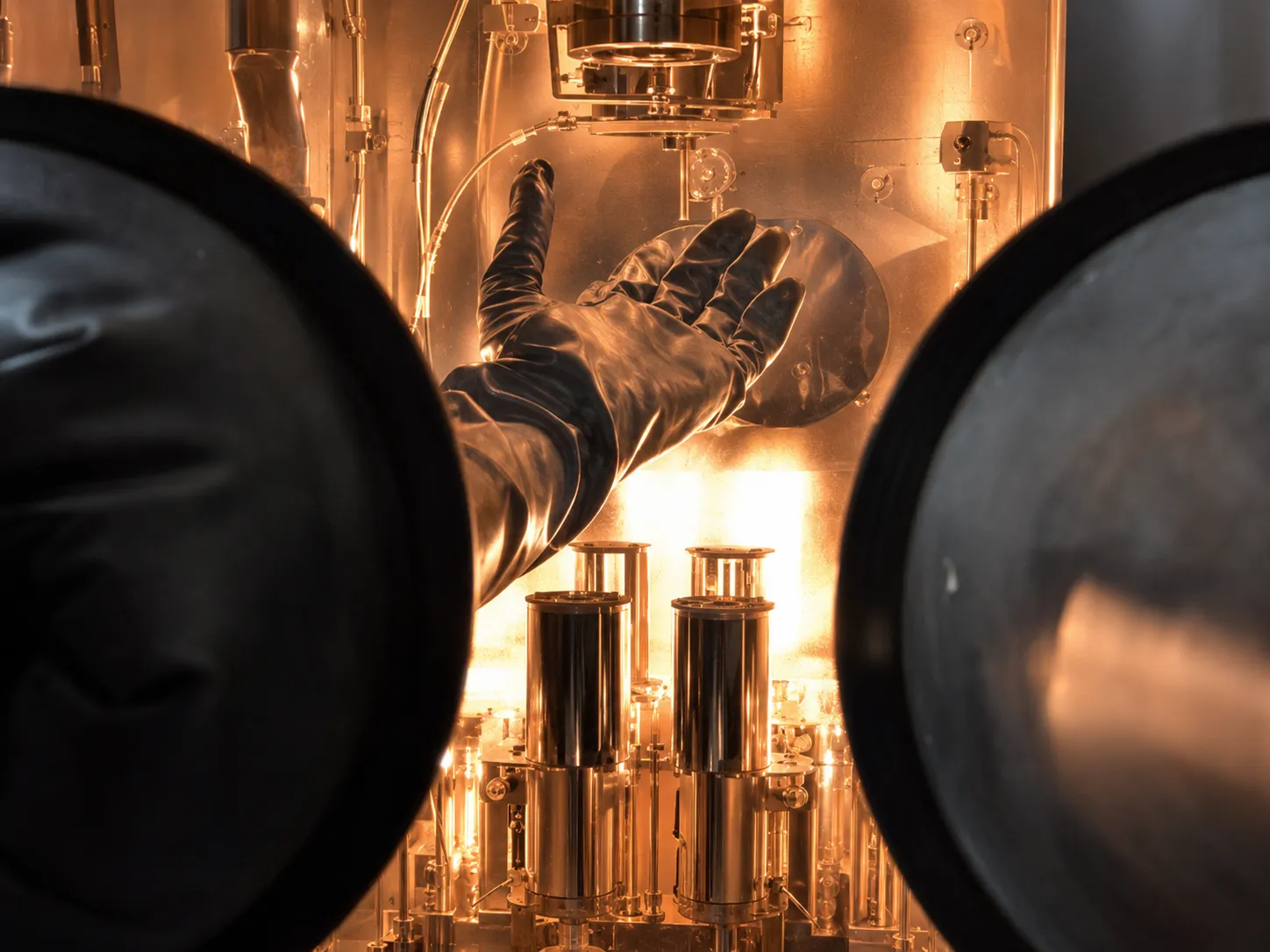
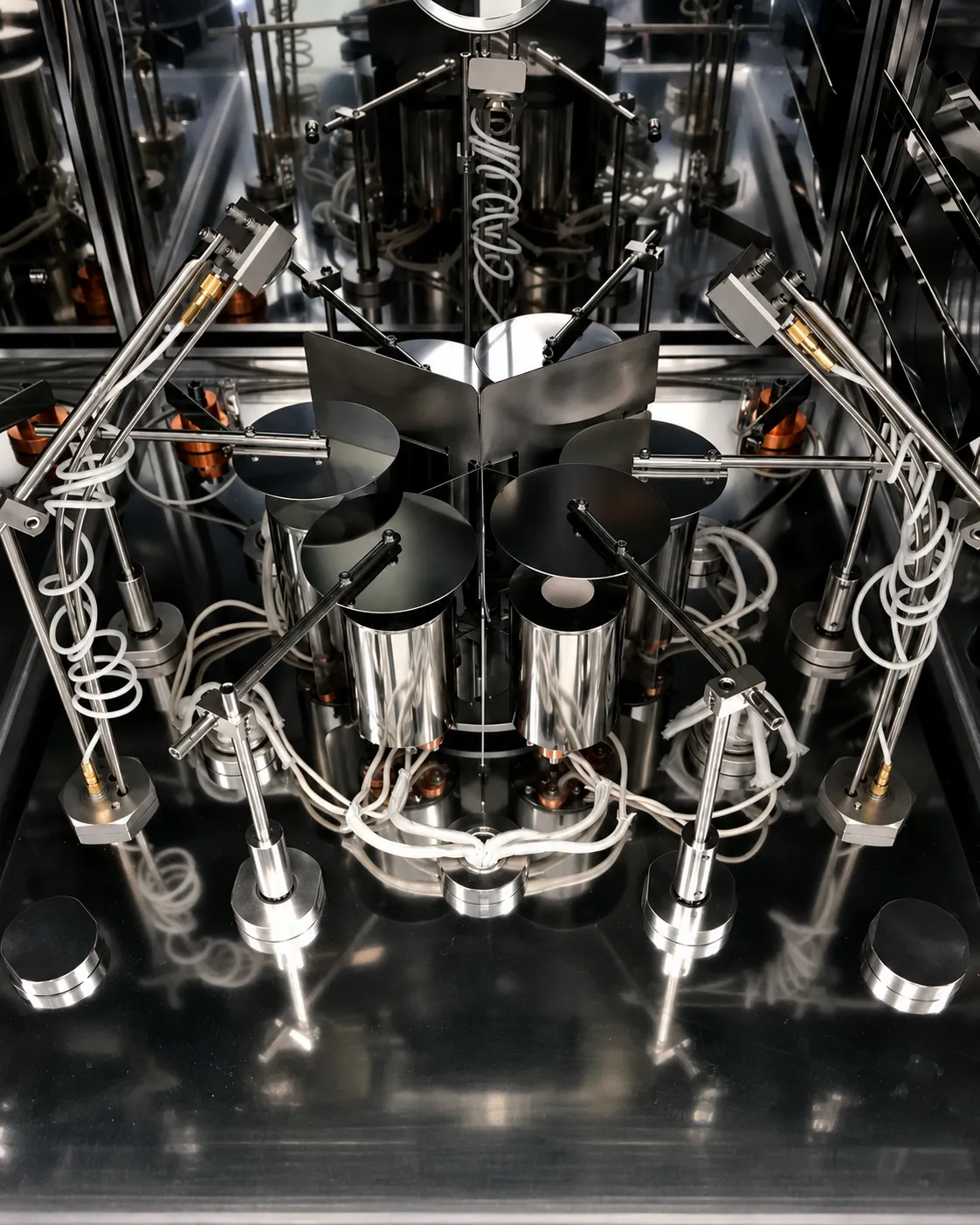
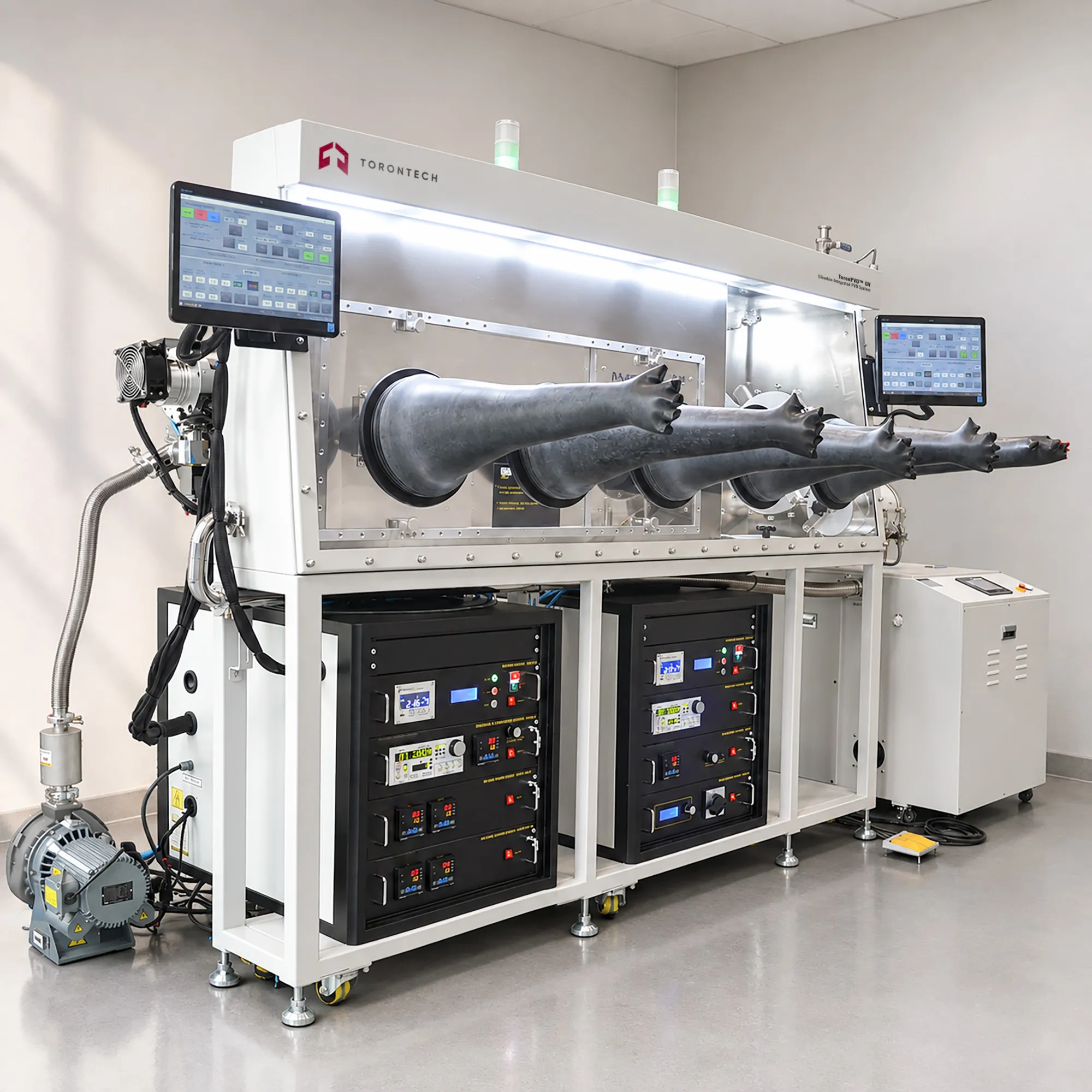
Glovebox-Integrated PVD System - ToronPVD™ GV Key Features
The ToronPVD™ GV combines glovebox-compatible sliding-door access, multi-source PVD capability, Knudsen effusion cells, and automated computer control in a single high-vacuum platform for moisture-sensitive and organic thin film research.
- Prismatic SS304 Chamber with Glovebox Sliding Doors: 30 × 40 × 50 cm chamber built for direct connection to inert-atmosphere gloveboxes, with sliding-door access preserving glovebox atmosphere during substrate and sample transfer
- Electro-Polished Interior and Exterior Surfaces: feather-touch clean, electro-polished chamber surfaces reduce outgassing and particulate generation for high-purity deposition of sensitive organic and inorganic materials
- Multi-Process Deposition Platform: supports thermal evaporation, e-beam deposition, sputtering, and vacuum furnace operations within the same chamber body through source and tooling configuration changes
- Front Viewing Window with Rotatable Protection Shutter: front-mounted viewing access for direct process monitoring, with a rotatable shutter for precise deposition timing and chamber protection between runs
- 100 mm UV-Blocking Observation Window: large-format front observation window with UV-blocking glass allows continuous process monitoring without operator UV exposure during active deposition
- KF25, CF40, and 1-Inch Feedthrough Ports with 200 °C Viton O-Rings: configurable feedthrough port standards with high-temperature o-ring seals support simultaneous high-power and signal feedthrough connections under demanding deposition conditions
- Inficon Wide-Range Vacuum Measurement (1000 to 10⁻⁸ Torr): Inficon vacuum measurement system covers the full range from atmospheric pressure to base vacuum, providing reliable pressure data throughout the pump-down and deposition cycle
- 10⁻⁸ Torr Base Pressure, Turbomolecular and Mechanical Pump Stack: pump combination achieves 10⁻⁸ Torr base pressure for a fully loaded system, meeting the vacuum requirements for high-purity organic and inorganic thin film deposition
- Automatic Vent, Throttle, and Isolation Valves: automated valve configuration manages all chamber pressure transitions, including vent sequencing, deposition pressure control, and glovebox isolation
- 4 Thermal Inorganic and 2 to 6 Organic Evaporation Sources: simultaneous access to multiple inorganic thermal sources and organic effusion cells in a single chamber supports complex multilayer and co-deposited device stacks
- PID-Controlled Effusion Cells (25 to 600 °C, ±1 °C): high-precision organic evaporation cells with ±1 °C temperature accuracy across the full operating range, providing the flux stability organic materials and OLED emitters require
- Automatic Closed-Loop Water Cooling System: automated cooling management protects chamber and source components during extended deposition and high-temperature substrate heating cycles
- Fully Automatic Computer Control with Touch Screen Panel: all system operations including vacuum management, source power, substrate heating, and data logging are managed through a touch screen interface
- 2 to 30 rpm Rotation with 100 to 600 °C Substrate Heater: adjustable substrate rotation and integrated heater provide simultaneous film uniformity control and substrate temperature management across a wide range
- 0.1 Å/s Dual-Channel Precision Thickness Measurement: two-channel rate and thickness monitoring at 0.1 Å/s precision supports simultaneous real-time tracking of deposition from two independent sources
- 1.5-Hour Experiment Cycle at 10⁻⁷ Torr: rapid pump-down and cycle design allows multiple experiments per day, supporting iterative device fabrication and research programs
- Single-Phase 220VAC, 16A Power Supply: standard single-phase power simplifies laboratory installation and reduces facility infrastructure requirements
- Full Warranty for Materials, Design, and Workmanship: comprehensive coverage for system components, design quality, and manufacturing supports long-term laboratory investment confidence
Theory and Method
Glovebox-integrated PVD systems address a core challenge in organic electronics: the materials forming the most promising thin films are the same ones most sensitive to moisture and oxygen. Standard chambers require substrates to transit through ambient air between glovebox and deposition tool, exposing organic interfaces to trace humidity that degrades device performance. A glovebox-adapted chamber eliminates this transfer by connecting directly to the inert atmosphere enclosure through sealed sliding doors. Substrates and finished devices remain in a controlled environment throughout preparation, deposition, and post-deposition handling.
Organic thin film evaporation uses Knudsen effusion cells rather than the resistive evaporation boats used for metals. An effusion cell heats organic material in a crucible at a controlled temperature, generating a stable molecular flux through a small orifice. PID temperature control at ±1 °C across 25 to 600 °C maintains the evaporation rate stability organic materials require, since small temperature variations produce disproportionate flux changes. Dual-channel thickness monitoring at 0.1 Å/s precision tracks deposition rate and cumulative film thickness in real time.
The platform supports thermal evaporation, e-beam, sputtering, and vacuum furnace processing within the same chamber body, adapting to different device stack requirements through source and tooling changes. Four inorganic thermal sources and two to six organic effusion cells can operate within the same vacuum cycle, enabling co-deposition or sequenced growth of mixed organic-inorganic structures. Substrate rotation at 2 to 30 rpm distributes vapor flux for homogeneous film growth. Fully automatic computer control with touch screen management covers source power, substrate temperature, rotation, and vacuum sequencing.
Glovebox-Integrated PVD System - ToronPVD™ GV Technical Specifications
| Parameter | Specification |
|---|---|
| Chamber Material | SS304 (prismatic) |
| Chamber Dimensions | 30 × 40 × 50 cm |
| Chamber Surface Finish | Electro-polished, interior and exterior |
| Glovebox Access | Sliding doors |
| Base Pressure | 10⁻⁸ Torr (fully loaded system) |
| Working Vacuum (Cycle Time) | 10⁻⁷ Torr; ~1.5 hours per experiment |
| Vacuum Measurement Range | 1000 to 10⁻⁸ Torr (Inficon system) |
| Pump Configuration | Turbomolecular + Mechanical |
| Valve Configuration | Automatic vent, throttle, and isolation valves |
| Inorganic Thermal Evaporation Sources | 4 |
| Organic Evaporation Sources | 2 to 6 effusion cells (Knudsen type) |
| Effusion Cell Temperature Range | 25 to 600 °C |
| Effusion Cell Temperature Control | PID, ±1 °C |
| Sample Rotation Speed | 2 to 30 rpm |
| Substrate Heater Temperature Range | 100 to 600 °C |
| Thickness Monitoring | Dual-channel; 0.1 Å/s precision |
| Feedthrough Ports | KF25, CF40, 1-inch |
| Feedthrough O-Ring Material | 200 °C resistant viton |
| Observation Window | 100 mm front, UV-blocking glass |
| Shutter | Front rotatable protection shutter |
| Cooling System | Automatic closed-loop water cooling |
| Control System | Fully automatic computer control; touch screen panel |
| Voltage | Single phase, 220VAC, 16A (110V is also available) |
| Supported Processes | Thermal evaporation, e-beam, sputtering, vacuum furnace |
| Warranty | Full (materials, design, and workmanship) |