

Dual Analysis Ferrograph – ToronFG™ 300
Dual Analysis Ferrograph – ToronFG™ 300
Ferrograph testing supports condition monitoring by separating wear debris from in-service lubricating oils and presenting particles on a ferrogram for microscopy-based diagnosis.
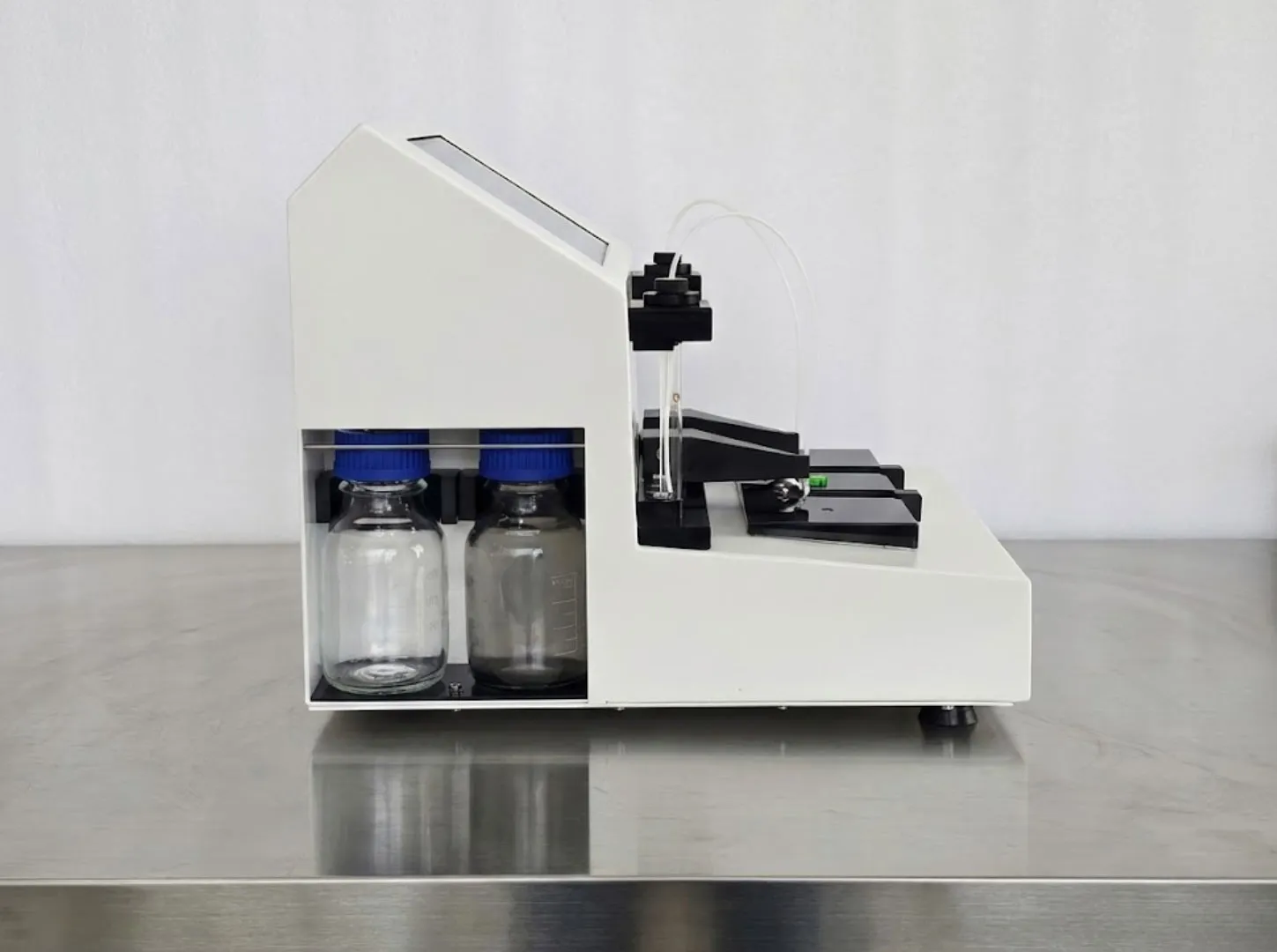
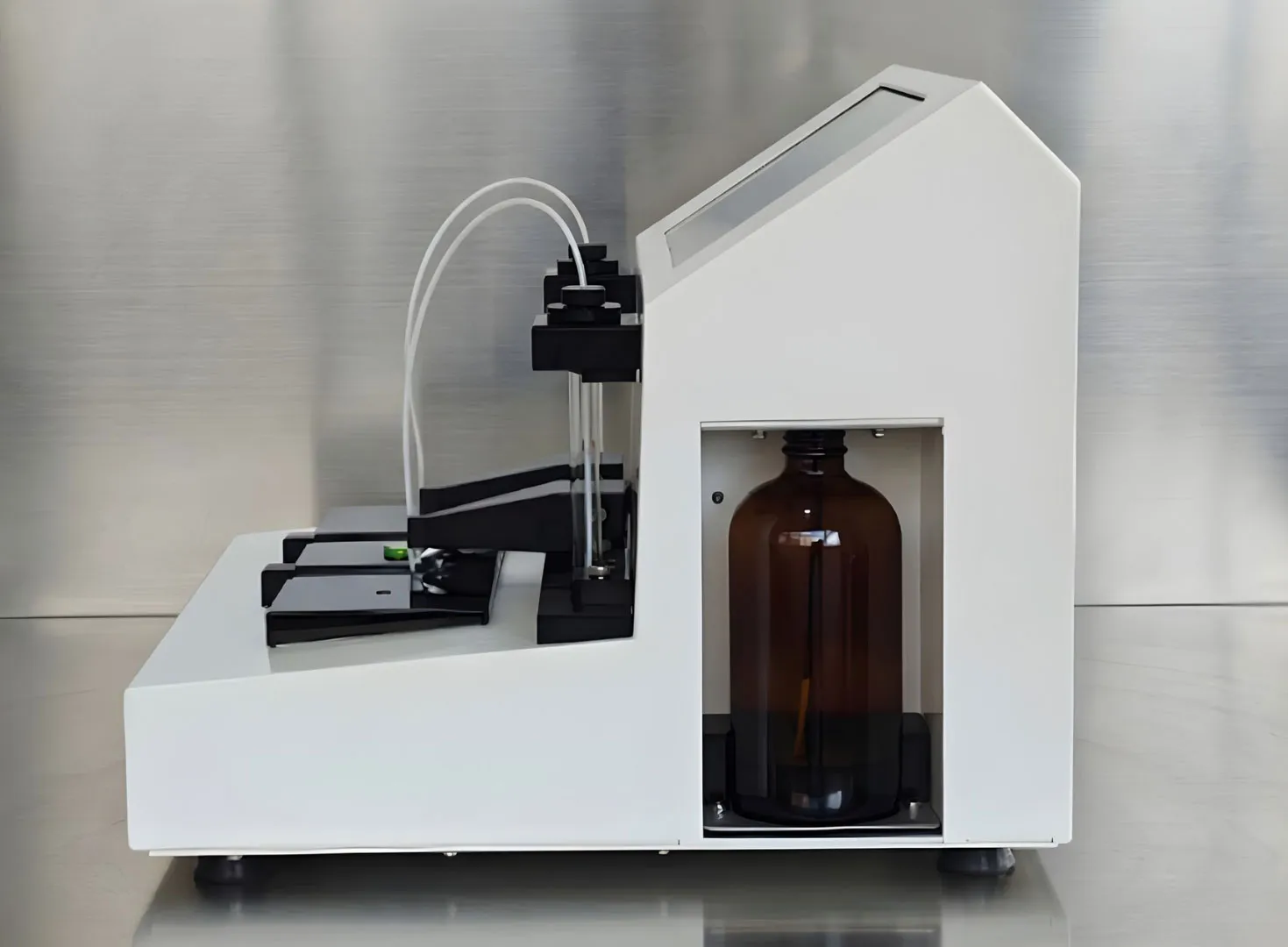
Dual Analysis Ferrograph – ToronFG™ 300 prepares two ferrograms in parallel, helping labs handle higher sample volume while keeping deposition consistent. The system uses a high-gradient magnetic field and controlled flow to arrange particles by magnetization response and size for faster interpretation.
ToronFG™ 300 is a dual-channel analytical ferrograph designed for wear particle separation and ferrogram preparation from lubricating and hydraulic oils. The instrument automates sample injection, deposition, and cleaning steps so routine sample preparation can run with less operator involvement. Dual-channel synchronous preparation supports side-by-side comparison of suspect and baseline samples, or faster throughput for predictive maintenance programs.
A clear ferrogram deposition track helps distinguish metallic, organic, and nonmetallic debris under a microscope. This improves root-cause evaluation when routine oil analysis results, particle counts, or ferrous debris monitoring indicate abnormal wear trends. (Related wear-particle context and how ASTM practices are used together is discussed in industry guidance.)
Dual Analysis Ferrograph – ToronFG™ 300 Applications
- Transportation and heavy fleets (locomotives, trucks, off-highway): Wear debris trends help detect abnormal wear in bearings, gears, and pumps before failures disrupt availability. Ferrograph microscopy adds particle morphology detail that supports stronger maintenance decisions than concentration-only signals.
- Iron and steel plants (fans, drives, hydraulic systems): Large rotating assets often face high load and contamination risk. Ferrograph analysis helps identify abrasive particles, fatigue particles, and contamination debris so teams can connect particle type to likely wear mechanisms.
- Electric power (generator sets and auxiliaries): Generators and supporting equipment rely on stable lubrication for long runtimes. Ferrograph results help validate wear severity when vibration, temperature, or oil screening tests begin to drift.
- Marine and defense (drive gearboxes and propulsion systems): Gearboxes in marine duty cycles experience variable loads and water exposure. Dual-channel preparation is useful for confirmation runs and comparative checks across similar assets.
Standards
ToronFG™ 300 aligns with common international practices used for analytical ferrography programs:
- ASTM D7690 — Standard practice for microscopic characterization of particles from in-service lubricants by analytical ferrography.
- ASTM D7684 — Guide used for consistent terminology and characterization framework for particle microscopy results, often used alongside D7690 and related sample prep standards.
- SH/T 0573 — Analytical ferrography method used widely in oil analysis labs.
Dual Analysis Ferrograph – ToronFG™ 300 Key Features
- Oil water content has limited impact on ferrogram preparation, supporting routine field samples.
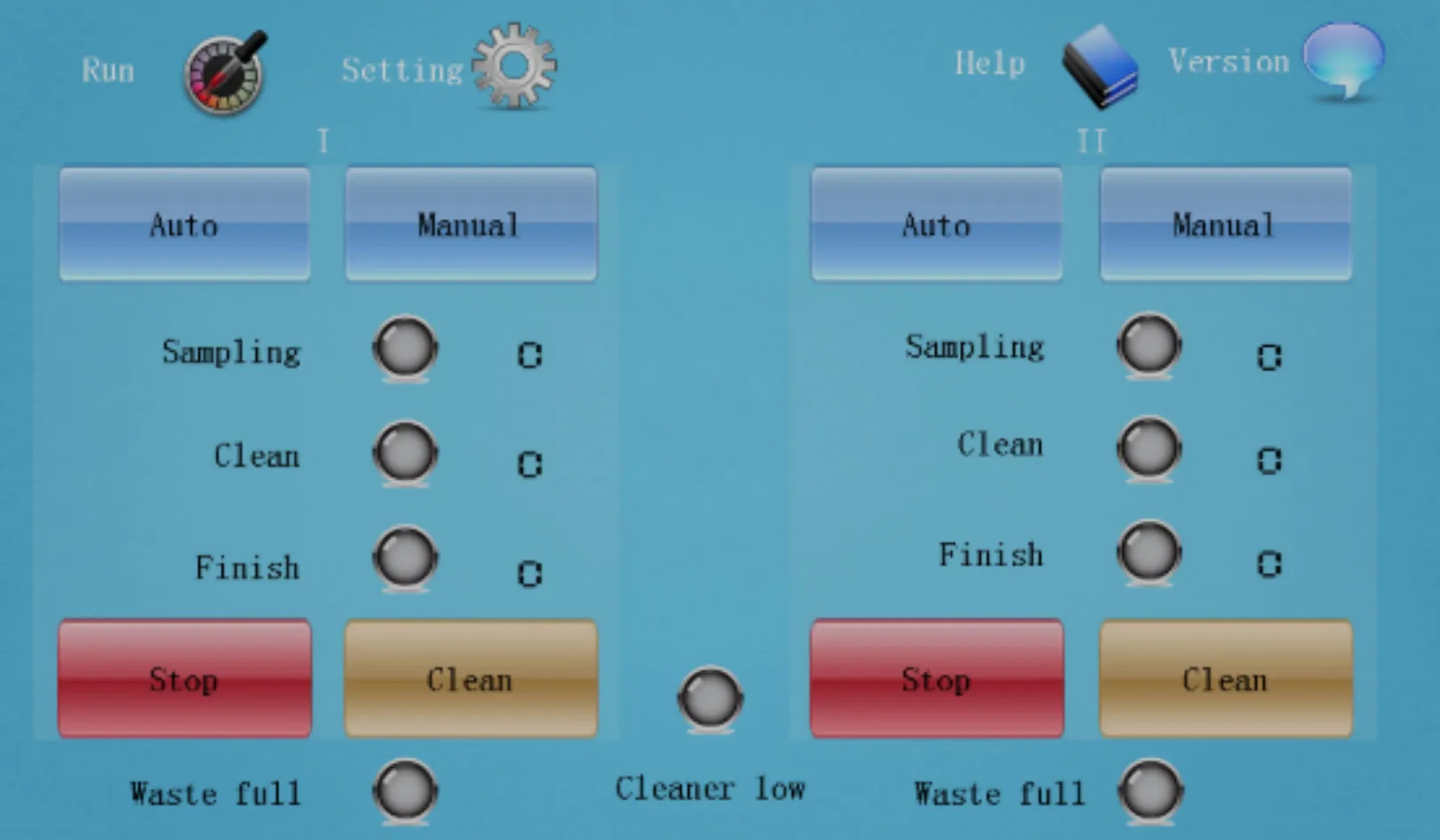
- Automatic operation after sample insertion lets the operator focus on microscopy and reporting.
- Adjustable sample flow rate supports consistent deposition and repeatability.
- Dual-channel synchronous preparation enables two ferrograms within a single run cycle.
- Typical dual preparation can be completed in under 20 minutes, supporting routine lab throughput.
- Clear deposition track supports separation of metallic, organic, and nonmetallic particles for easier diagnosis.
- Particles deposit in an ordered pattern tied to magnetization response and size, improving analysis speed.
- Particle stacking is reduced, making the track easier to observe during microscopy.
Theory and Method
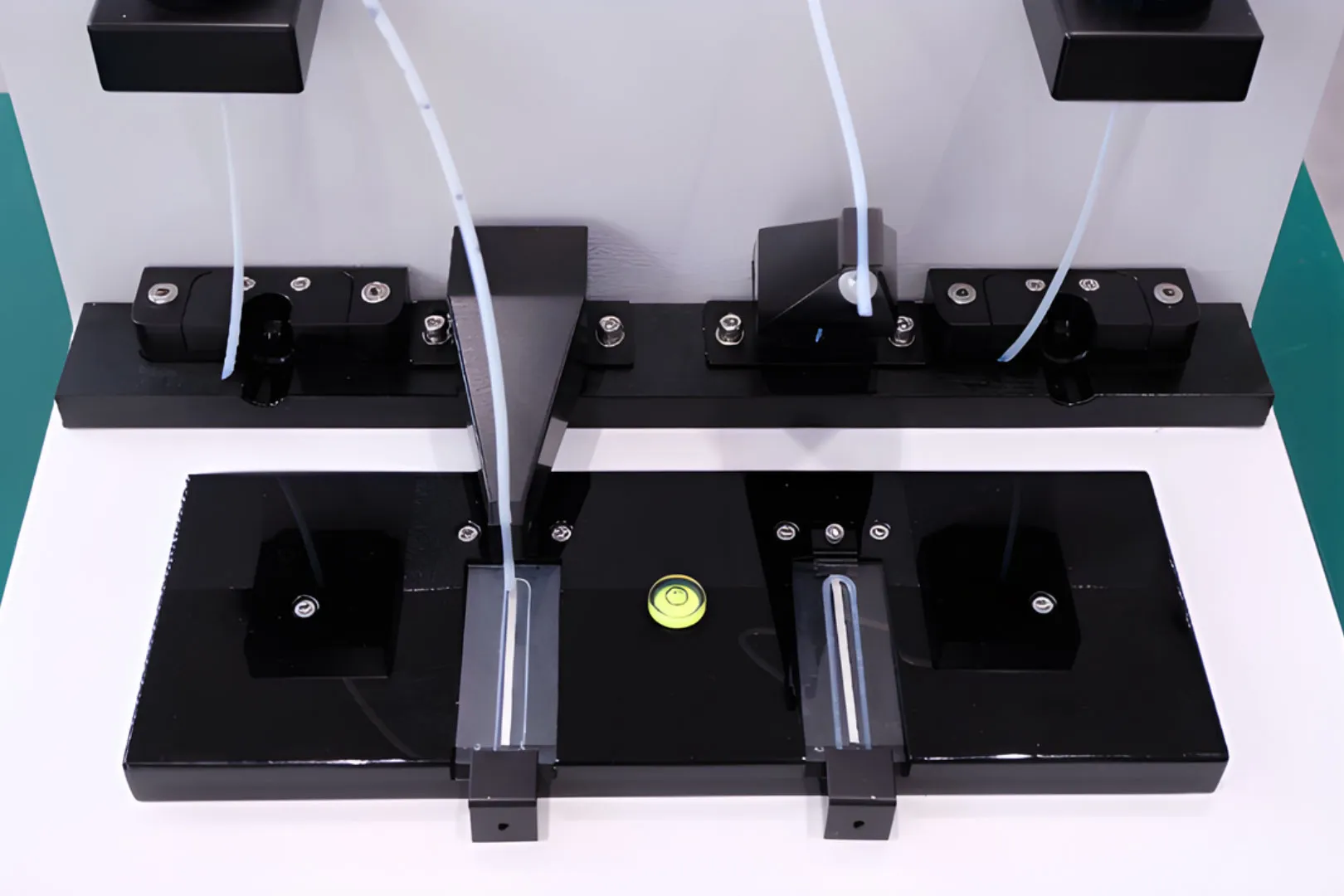
A ferrograph separates solid debris from an oil sample while the fluid passes across a glass substrate positioned in a magnetic field. Ferrous particles deposit strongly along the magnetic gradient, while non-ferrous and contaminant particles deposit based on flow and settling behavior. The resulting deposition track tends to place larger and more strongly magnetized particles earlier on the slide, which speeds up microscopy-based classification.
After preparation, the ferrogram is examined under an optical microscope to classify particle type, size range, surface texture, and wear mechanism indicators. These observations help support severity ranking and corrective action decisions in condition monitoring programs.
Dual Analysis Ferrograph – ToronFG™ 300 Technical Specification
| Parameter | ToronFG™ 300 |
|---|---|
| Voltage | AC 220 V (110V is also available), 50 Hz; equipped with 12 V power adapter |
| Wear particle measurement range | 0 μm to 800 μm |
| Injection method | Micro-pump pressure type, automatic sampling |
| Cleaning method | Automatic cleaning and manual cleaning (two modes) |
| Magnetic field | Max magnetic flux density 1.8 T (±0.1 T); max magnetic field gradient >0.5 T/mm |
| Magnet design | Permanent magnet, high-gradient field; helps reduce accumulation |
| Dilution / cleaning solvent | Tetrachloroethylene |
| Ferrogram preparation | Dual-channel synchronous preparation |
| Plate inclination | 1° to 5° (adjustable range as listed in brochure) |
| Display | 10.1-inch LCD touch screen |
| Oil sample transport | Adjustable flow range 10 to 30 mL/h |
| Cleaning agent flow | Adjustable; maximum flow rate >100 mL/h |
| Measurement resolution | 1 µm |
| Sample volume per analysis | 1 mL |
| Oil delivery pipe size | OD 2.6 mm, ID 1.8 mm |
| Ferrographic substrate size | 60 × 24 × 0.17 mm |
| Standards reference | ASTM D7690, ASTM D7684, SH/T 0573 |
| Waste handling | Built-in waste liquid collection device; vacuum pump transfers waste to bottle |
| Size (L × W × H) | 395 × 355 × 335 mm |
| Weight | About 14 kg |