Ship On-Shade to Europe With a Portable Color Spectrophotometer in Morocco
A garment order that lands in Spain half a shade off can trigger a rejection, a chargeback, and a lost repeat order. For Moroccan factories working to tight European delivery windows, there is rarely time to re-dye, repaint, or remold.
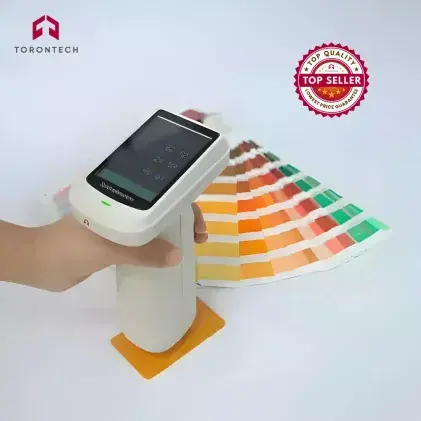
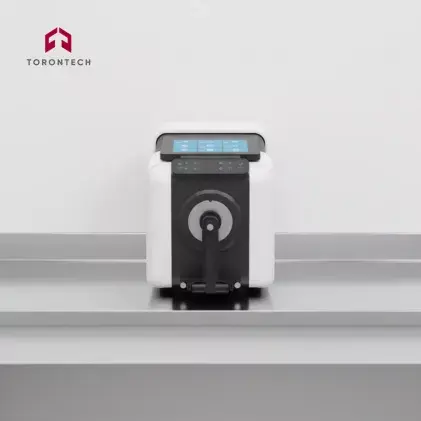
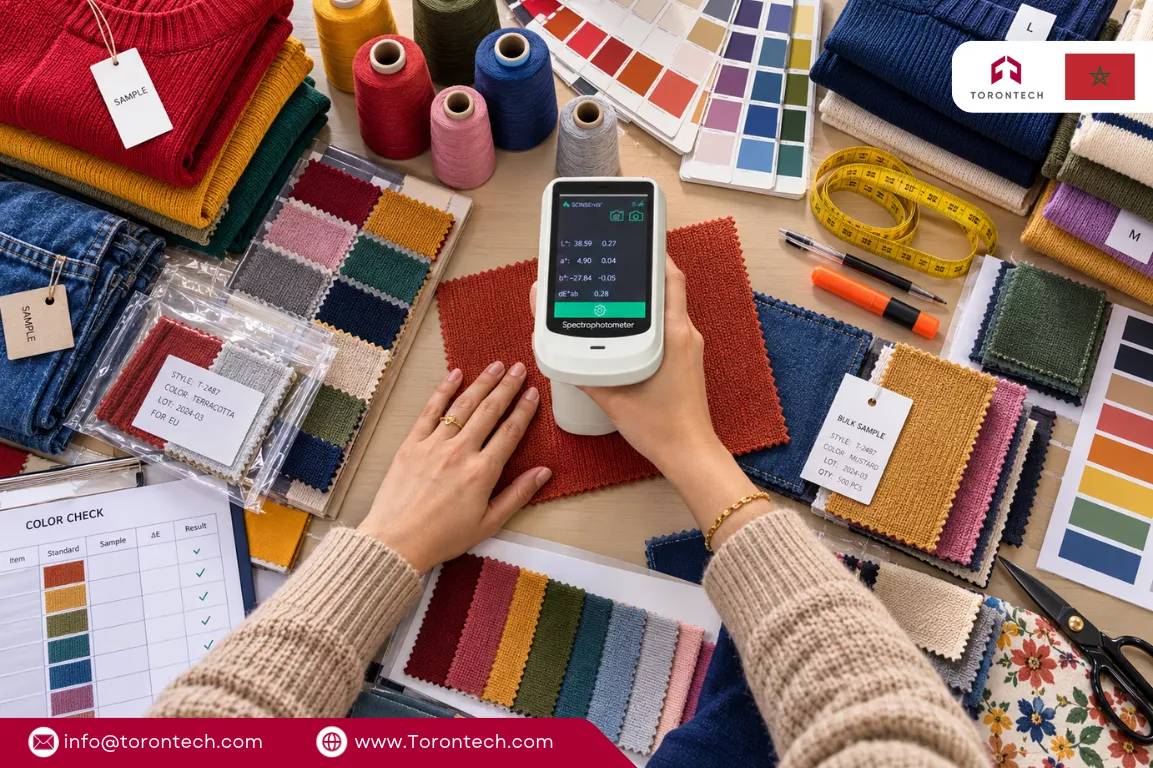
A portable color spectrophotometer in Morocco gives quality teams numeric color data at the cutting table, the paint line, or the receiving dock. Torontech supplies the ToronSpec 700D portable color spectrophotometer so plants can approve shade on-site before goods cross the Strait of Gibraltar.
Why Visual Shade Checks Fall Short for Moroccan Exporters
Morocco's apparel makers sell into demanding markets. Based on AMITH and Office des Changes data reported in 2025, Morocco climbed to eighth place among the EU's textile and clothing suppliers.
Spain remains the largest destination. Moroccan textile exports there topped €243 million in the first two months of 2025, a 17 percent rise, while Germany also grew strongly.
Those buyers specify color in numbers, not opinions. Brand QC teams typically set a ΔE tolerance against a master standard and check it under defined illuminants such as D65 and TL84. A light booth and a trained eye cannot document that result.
Lead times add pressure as well. Moroccan suppliers often compete on production cycles of five to seven weeks, so a shade problem found after shipment costs far more than catching it at the factory.
Where a Portable Color Spectrophotometer in Morocco Pays Off
Color control now spans several industrial hubs, and a handheld unit moves easily between them. The table below maps typical uses by sector.
| Sector | Key Hubs | What Teams Measure |
|---|---|---|
| Textiles, denim, and knitwear | Tangier, Casablanca | Lab dips, bulk fabric, wash-down shades |
| Automotive parts and trim | Tangier, Kenitra | Molded plastics, coated parts, seat fabrics |
| Paints and coatings | Casablanca region | Batch color, tinting accuracy, panel approval |
| Printing and packaging | Casablanca, Tangier | Brand colors, ink density, label consistency |
The automotive base drives much of this demand. Renault built 413,600 vehicles across its Moroccan sites in 2024, and its local integration rate has reached 65 percent. Meanwhile, Stellantis targets 75 percent integration at Kenitra by 2030.
Higher integration means more local suppliers must hold color tolerances on parts that sit side by side in one vehicle. A gray door trim from one supplier has to match a gray console from another under showroom lighting.
In coatings, Casablanca-based producers such as Colorado manufacture building, industrial, and automotive refinish paints, including tinting-machine bases. Both in-plant and point-of-sale tinting need fast, repeatable readings to keep batches consistent.
Inside the ToronSpec 700D
The 700D is built for floor and field use rather than a fixed lab bench. Key capabilities include:
- d/8 geometry with SCI and SCE for glossy, matte, and textured surfaces
- 400 to 700 nm spectral range at 10 nm intervals, with LED plus UV illumination
- Four apertures (11 mm, 6 mm, 3 mm, and 1 x 3 mm) for fabrics, small parts, and narrow trims
- Repeatability of ΔE*ab 0.025 or better, with inter-instrument agreement of ΔE*ab 0.25 or better
- About 8,000 measurements per charge, plus a built-in camera for precise targeting
- USB and Bluetooth links to Android, iOS, and Windows software
The instrument reports CIELAB, LCh, Hunter Lab, and other color spaces, together with ΔEab, ΔEcmc, ΔE94, and ΔE00. As a result, a Tangier supplier can report in the same formula its European customer uses.
Around 40 illuminants, including D65, TL84, and CWF, also help teams flag metamerism. That way, a shade that matches in the factory does not fail under a retailer's store lighting.
Standards Behind the Readings
The 700D product page lists the following international references for its measurement method and calculations:
- CIE No. 15 for colorimetry
- ISO 7724-1 for colorimetry of paints and varnishes
- DIN 5033 Teil 7 for object-color measuring conditions
- ASTM E1164 for obtaining spectrometric data for object-color evaluation
- ASTM E313 and ASTM D1925 for whiteness and yellowness index calculations
Locally, IMANOR has served as Morocco's national standards body since 2010. It publishes Moroccan NM standards and runs sector certification commissions, including one dedicated to textiles and leather.
Factories should confirm which NM standards or buyer test methods govern their products. They can then configure the instrument's tolerances, illuminants, and color-difference formula to match those requirements.
Portable, Benchtop, or Inline?
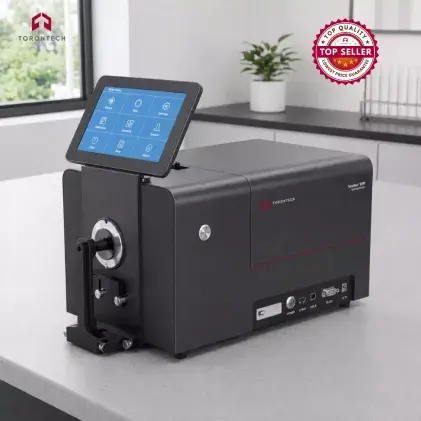
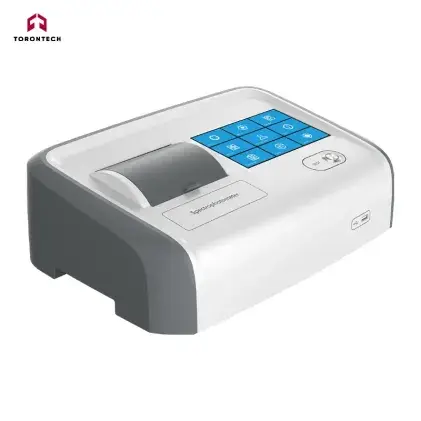
Not every Moroccan plant needs the same format. A handheld unit suits multi-site QC, although some tasks call for a different instrument:
- Choose the portable 700D for receiving inspection, shop-floor checks, and supplier audits across sites.
- Add a benchtop color spectrophotometer when your lab needs transmittance readings or larger apertures for formulation work.
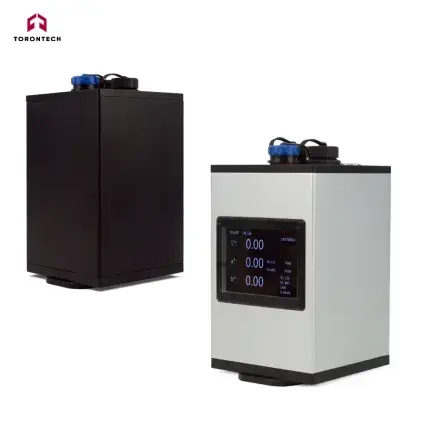
- Consider a non-contact online color sensor for continuous monitoring on coating, textile, or plastic lines.
Many exporters pair a benchtop master instrument in the lab with portable units on the floor. With shared digital standards, every reading speaks the same language.
Set Up Shared Color Standards Across Your Moroccan Sites
Color disputes rarely start with one bad reading. Instead, they start when the dye house, the sewing unit, and the buyer each judge shade differently. A portable color spectrophotometer in Morocco closes that gap by putting every site on the same digital standard.
Torontech supports buyers across the Middle East and Africa through Torontech ME FZE in Dubai. The team can help you choose apertures, set ΔE tolerances that reflect your customers' specifications, and plan how master standards move between plants.
To map out your shade-approval workflow, reach out to the Torontech team or contact the Dubai office directly at +971 488 19252 or me@torontech.com.