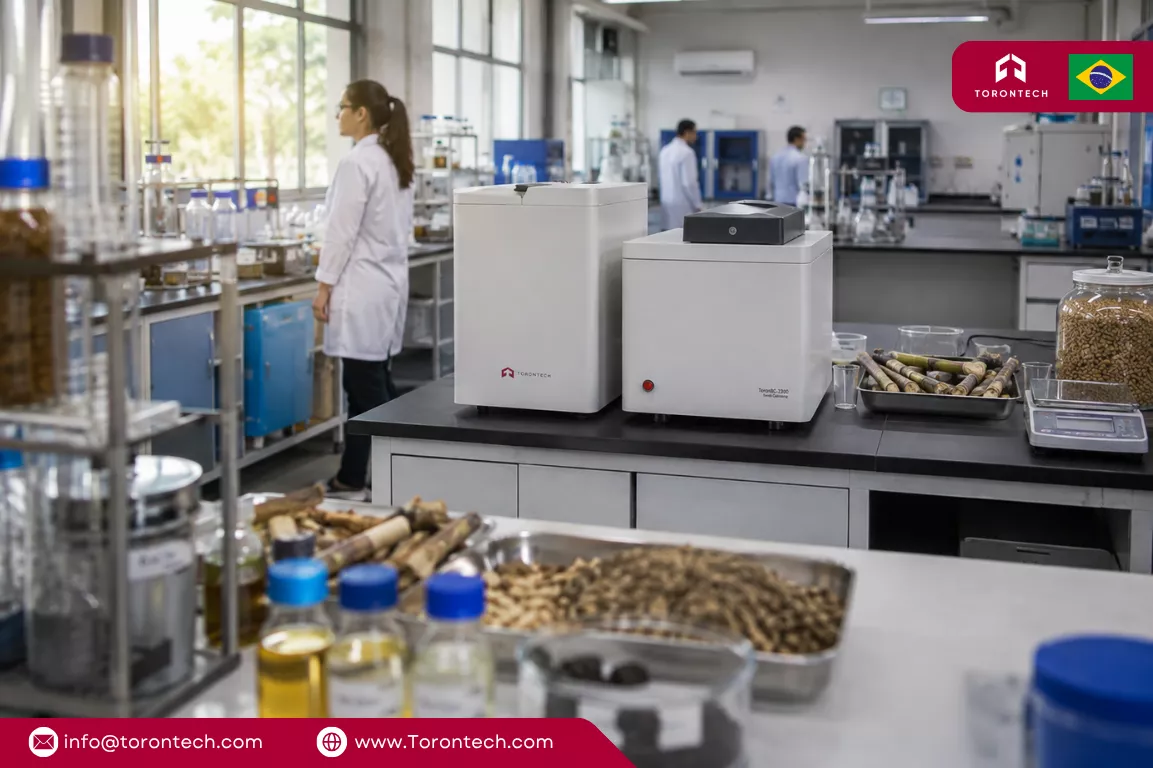
Certified Calorific Data for Brazil's Biofuel and Energy Labs
Brazil's energy economy runs on numbers that must be proven, not estimated. A sugarcane mill selling surplus bioelectricity, a biodiesel producer earning carbon credits, and a cement plant burning alternative fuels all rely on one figure: verified calorific value.
Guessing that figure carries real cost. An oxygen bomb calorimeter measures the heat of combustion directly, giving laboratories the defensible data that RenovaBio certification and ANP fuel specifications demand. Sourcing the right bomb calorimeter in Brazil begins with understanding where that data drives value.
Where Bomb Calorimetry Powers Brazil's Industries
Brazil is the world's largest sugarcane producer, and roughly 9% of its electricity comes from bagasse burned in mill cogeneration boilers. Each ton of cane yields about 280 kg of bagasse, and every megawatt sold to the grid depends on knowing that residue's energy content.
Demand extends well beyond ethanol plants. Calorific testing underpins several sectors across the country:
- Bioenergy and cogeneration: Bagasse, wood chips, and black liquor feed boilers across São Paulo, Minas Gerais, and the sugar-alcohol belt.
- Biodiesel and liquid fuels: With the B15 blend now mandatory, producers verify the heat of combustion of soybean-based and tallow-based feedstocks.
- Cement co-processing: Plants replace coal and petcoke with refuse-derived fuel and biomass, which must clear a minimum net calorific value to run the kiln economically.
- Coal and thermal power: Mines in Santa Catarina and Rio Grande do Sul characterize run-of-mine coal and washery waste before combustion.
- Waste-to-energy and research: Universities and recyclers assess the energy potential of municipal and industrial residues.
Every application shares one requirement: repeatable gross calorific value data that an auditor will accept.
How the Oxygen Bomb Method Works
The instrument burns a weighed sample inside a sealed vessel pressurized with oxygen. Combustion releases heat into a surrounding water bucket, and the temperature rise reveals the energy released in joules. Because the reaction happens at constant volume, the measurement reflects true gross calorific value rather than a calculated estimate.
Laboratories standardize each unit against benzoic acid to fix its heat capacity. That calibration step is what converts a temperature reading into a traceable calorific value, which is exactly what Brazilian auditors and buyers expect to see documented.
Meeting ASTM, ISO, and RenovaBio Requirements
Torontech bomb calorimeters conform to ASTM D5865, ISO 1928, and DIN 51900, the core methods for gross calorific value of coal, coke, and solid and liquid fuels. Specific ToronBC models add conformance to ASTM D240 for liquid hydrocarbon fuels and ISO 18125 for solid biofuels.
These international methods sit inside Brazil's own regulatory framework. Buyers should understand where each element fits:
- ANP sets the fuel-quality specifications that ethanol and biodiesel must meet before sale.
- RenovaBio and the RenovaCalc tool translate measured energy data into CBIO decarbonization credits.
- INMETRO accreditation to ISO/IEC 17025 governs which laboratories can issue recognized results.
- ABNT NBR standards define the Brazilian testing methods that reference these ISO procedures.
This framework rewards accuracy. In the most recent RenovaBio cycle, hundreds of production units certified their fuels using measured energy data rather than estimates.
ABNT NBR and ISO/IEC 17025 describe the market framework a laboratory operates within, not certifications carried by the instrument itself. Specifying a bomb calorimeter in Brazil therefore means matching a standards-compliant analyzer to that accreditation pathway.
Choosing a Bomb Calorimeter in Brazil
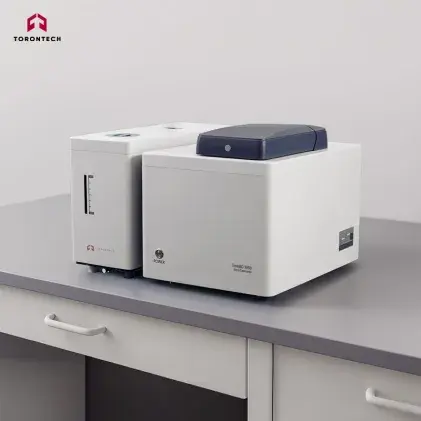
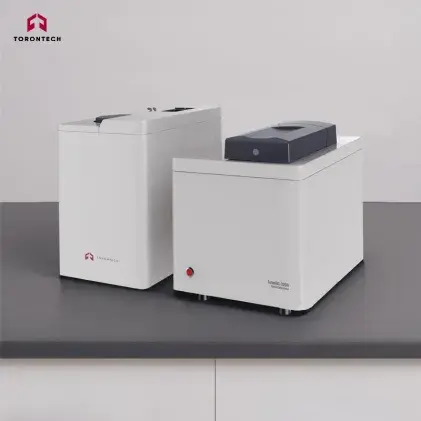
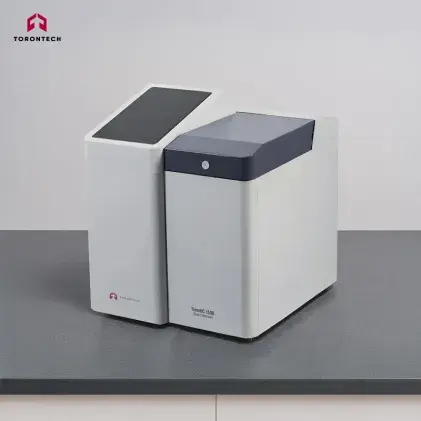
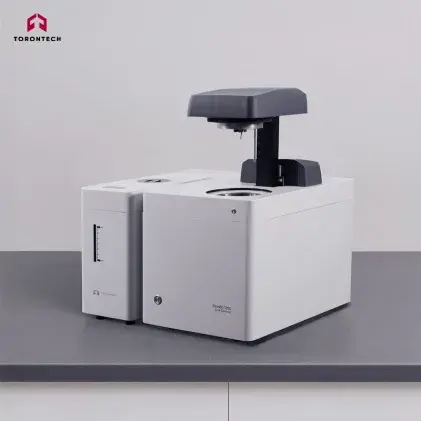
The ToronBC Series spans four isoperibol models, so labs can align throughput and automation with their real workload. A high-volume biodiesel lab has very different needs than a university teaching bench. Matching the instrument to the application protects both budget and turnaround time.
| Model | Analysis Time | Standout Feature | Best Fit |
|---|---|---|---|
| ToronBC-1000 | 14 min or less | Helix Tube isothermal design, software-free results | Sites with variable ambient conditions |
| ToronBC-1200 | Under 10 min (fast mode) | Fully automatic oxygen and bomb handling | Higher-throughput routine QC |
| ToronBC-1500 | 7.5 min | Compact all-in-one, no external water tank | Space-limited labs needing speed |
| ToronBC-3200 | 14 min or less | Networked RS232, 282 mL bomb | Central labs integrating data systems |
Beyond the model number, weigh three practical factors before you buy:
- Sample type: Solid biomass, liquid biodiesel, and waste-derived fuels behave differently in the crucible.
- Automation level: Automatic oxygen filling and bomb handling speed up high-volume production runs.
- Data integration: Network-ready units suit labs that feed results into a quality-management system.
Explore the full range of oxygen bomb calorimeters to compare configurations, or review the automated ToronBC-1200 model built for busy production labs.
Equip Your Lab for Brazil's Energy Market
From bagasse cogeneration in São Paulo to biodiesel certification under RenovaBio, Brazilian laboratories need calorific results that hold up to audit. The right instrument protects both regulatory compliance and commercial reputation.
Torontech supports buyers across Latin America with configuration guidance, calibration documentation, and application advice tailored to biofuel, cement, and power testing. Our team helps you match bomb capacity and automation to your specific sample mix.
To specify the right analyzer for your throughput and standards, contact the Torontech team for a consultation and quotation.