

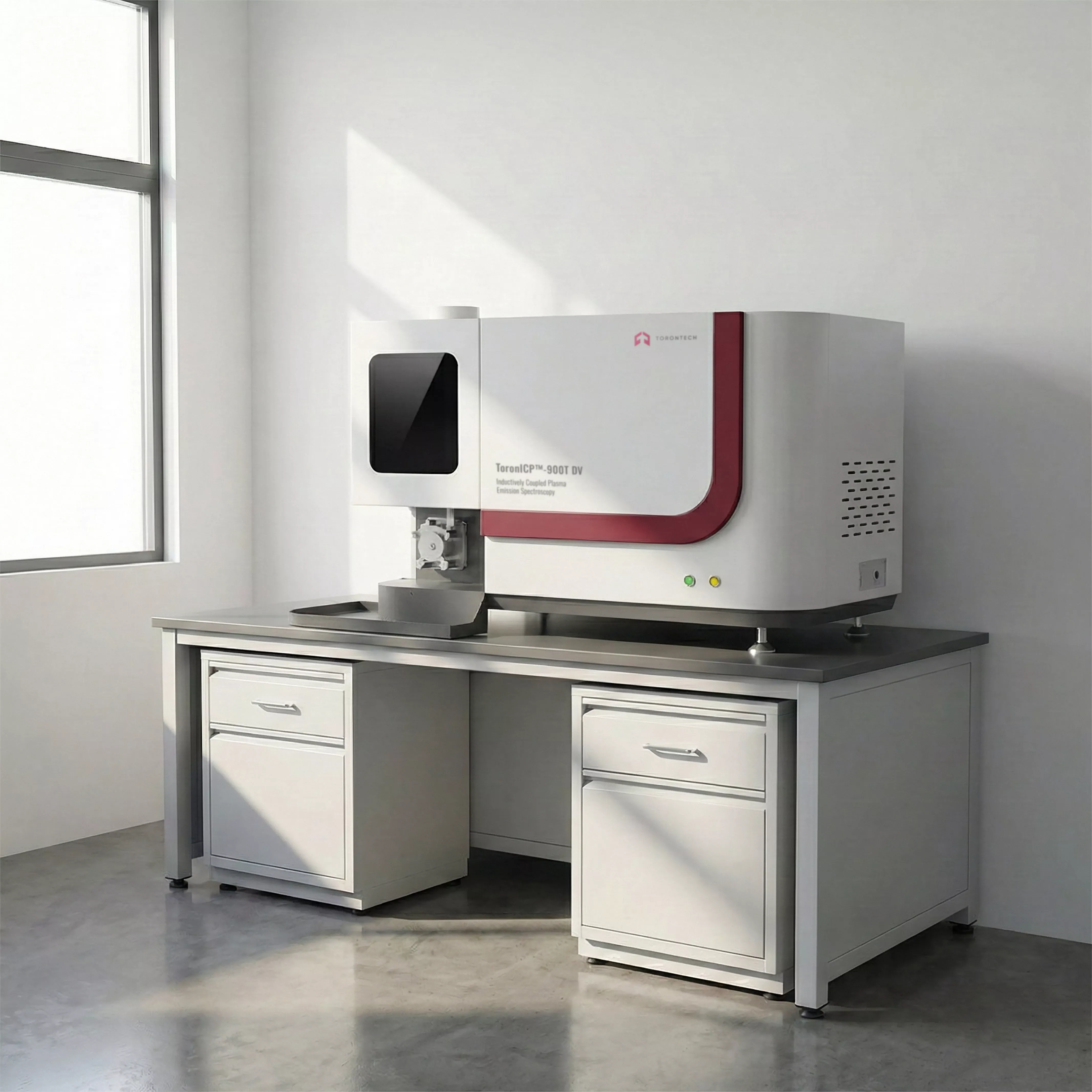
Inductively Coupled Plasma Emission Spectroscopy (ICP-OES) – ToronICP™ 900T DV (Bidirectional Observation)
Inductively Coupled Plasma Emission Spectroscopy (ICP-OES) – ToronICP™-900T DV is a fullspectrum, direct-reading inductively coupled plasma spectrophotometer engineered for highaccuracy, multi-element analysis. The system generates a stable, high-temperature inductively coupled plasma that excites atoms in liquid samples, allowing their characteristic emitted light to be measured for precise elemental identification and quantification.
This advanced inductively coupled plasma emission spectroscopy platform features bidirectional plasma observation with selectable axial and radial viewing modes, enabling optimal sensitivity for trace analysis while maintaining robustness for complex sample matrices. Intelligent plasma monitoring, real-time operation status visualization, and automated plasma control ensure consistent performance, making the system suitable for routine laboratory testing as well as demanding research and industrial applications.
Applications
The Inductively Coupled Plasma Emission Spectroscopy (ICP-OES) – ToronICP™-900T DV is suitable for:
- Environmental analysis, including water, soil, and pollution monitoring
- Food safety testing, for trace and contaminant elemental analysis
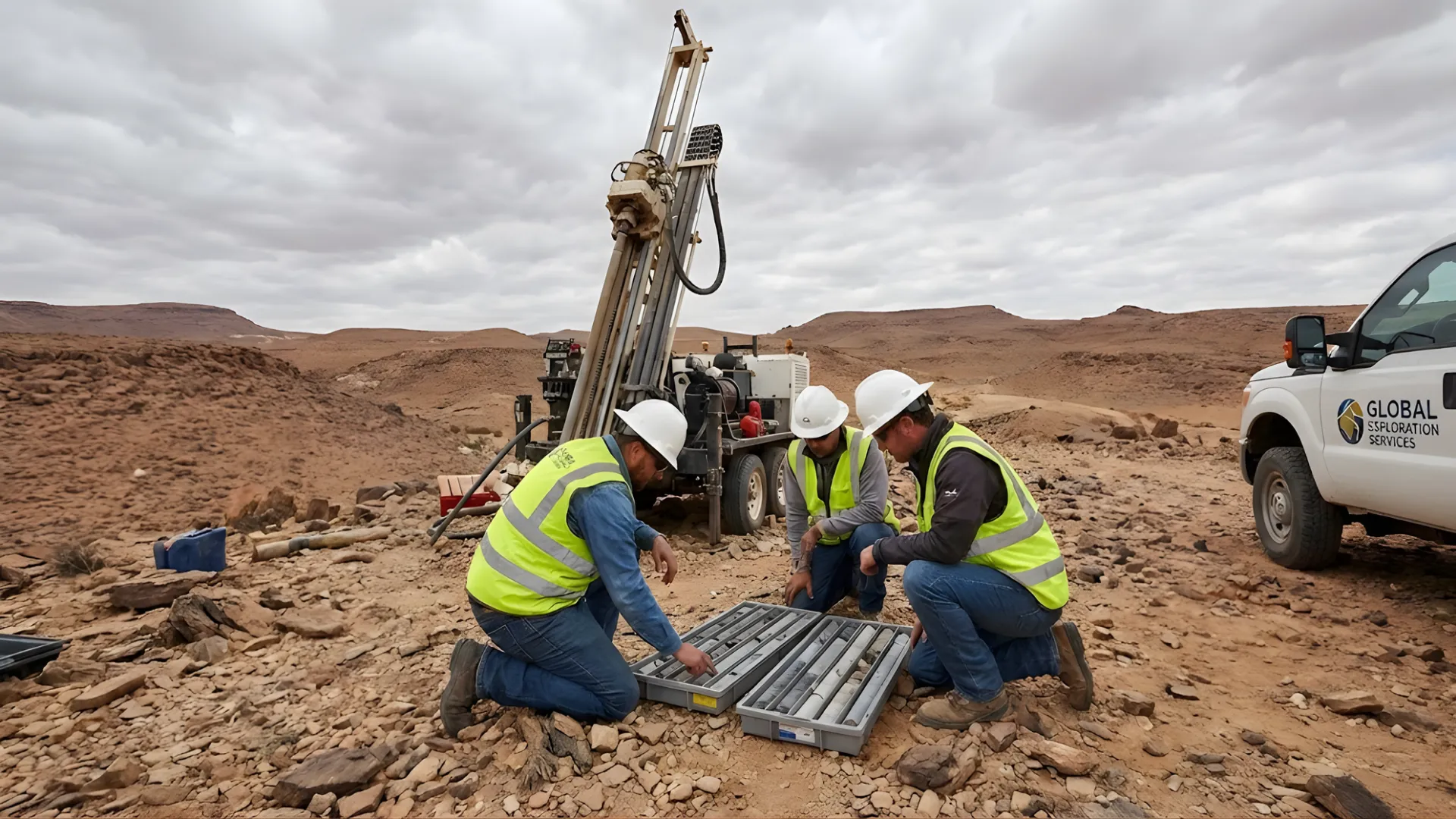
- Geology and mineral resources, including ores and rare earth elements
- Metallurgy and non-ferrous metals, for composition and impurity control
- Chemical engineering laboratories, supporting raw material verification
- Clinical and pharmaceutical research, for inorganic element analysis
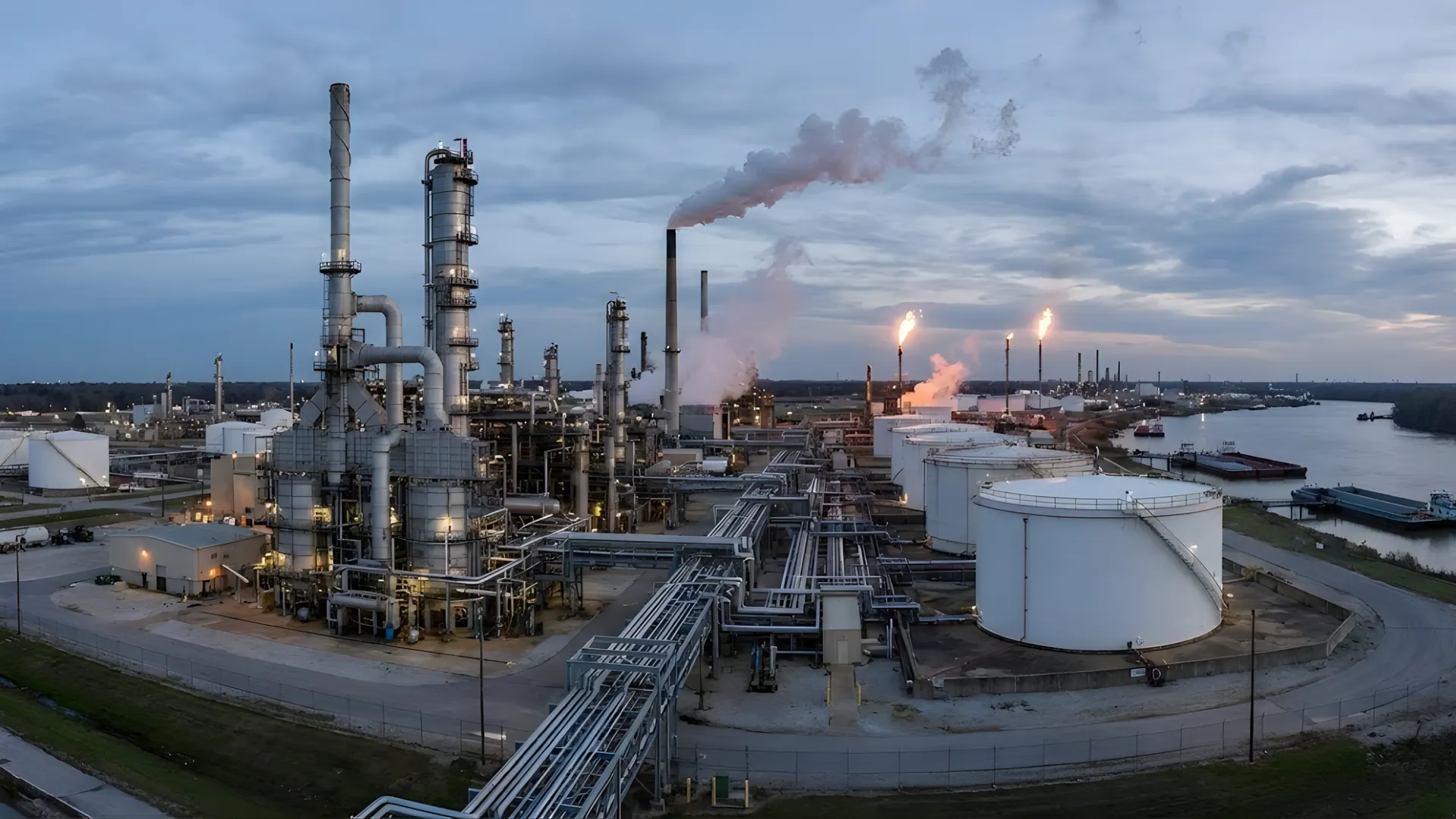
- Petroleum and petrochemical testing, including fuels and lubricants
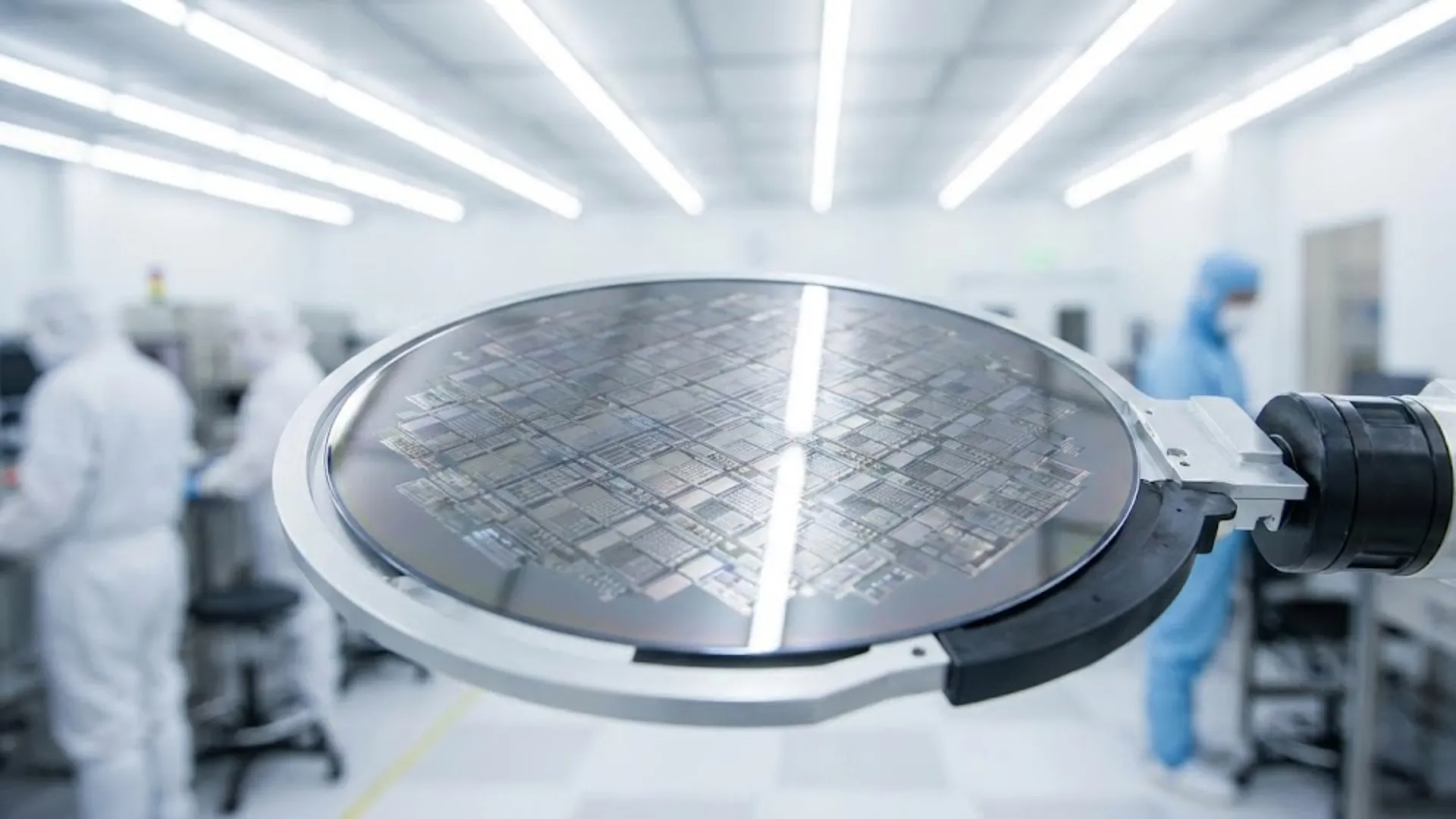
- Semiconductor and electronic materials analysis
- Agricultural research, including fertilizers and trace nutrient studies




Inductively Coupled Plasma Emission Spectroscopy – ToronICP™ 900T DV (Bidirectional Observation) Key Features
- Inductively coupled plasma emission spectroscopy (ICP-OES) for multi-element analysis
- Bidirectional plasma observation (axial and radial view) to balance sensitivity and interference resistance
- Full-spectrum direct-reading optical system, enabling simultaneous element detection
- Intelligent flame monitoring function, providing real-time plasma condition feedback
- Visualization of instrument operation, monitoring component status and fault diagnosis
- Stable and safe airflow protection system, with argon gas monitoring and automatic shutdown
- Vertical torch tube design, offering stronger adaptability and longer maintenance cycles
- Optional automation configurations, supporting different injection and sampling requirements
- Compact, modern instrument architecture, suitable for space-efficient laboratories
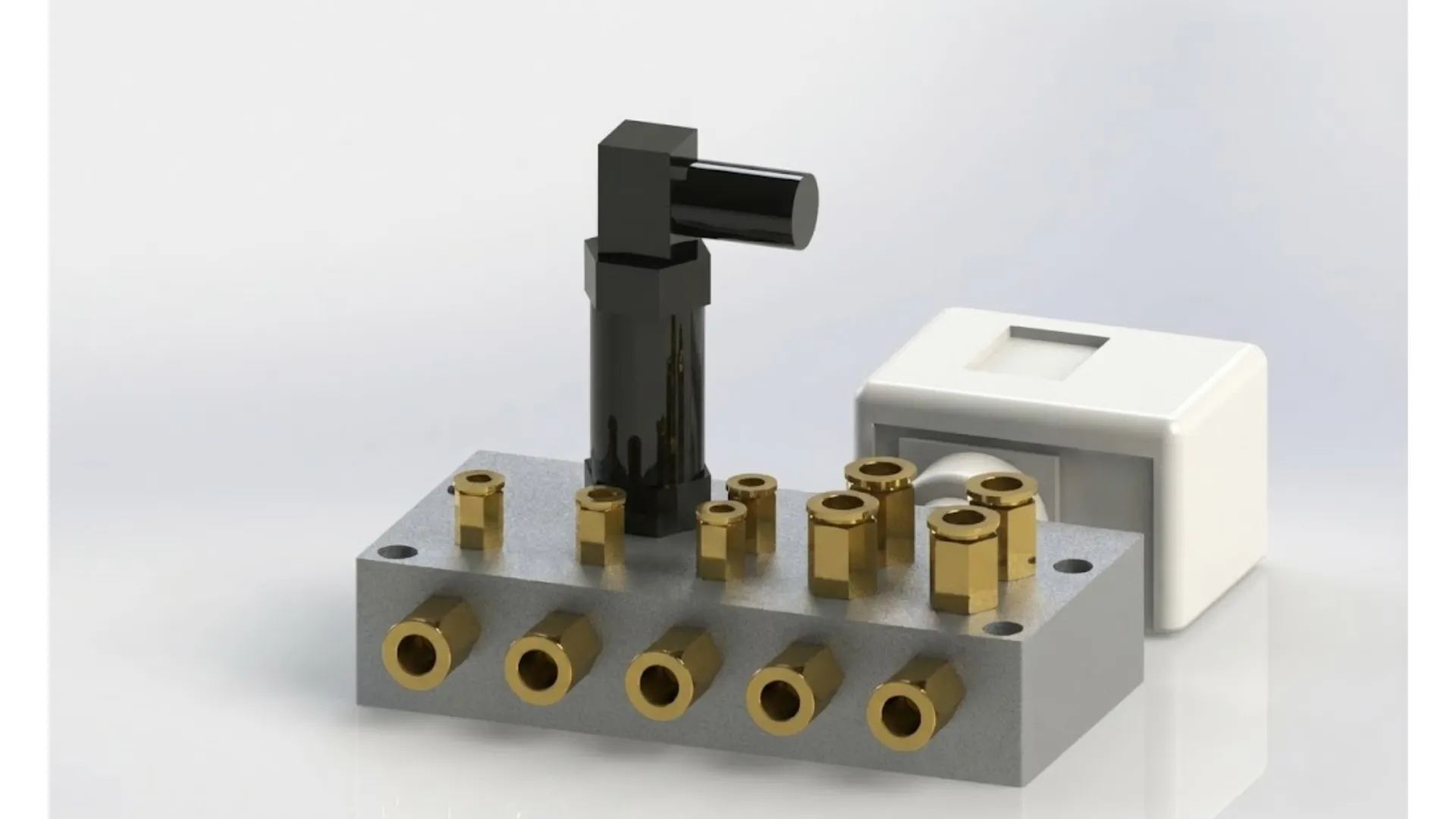
Stable and safe airflow protection system
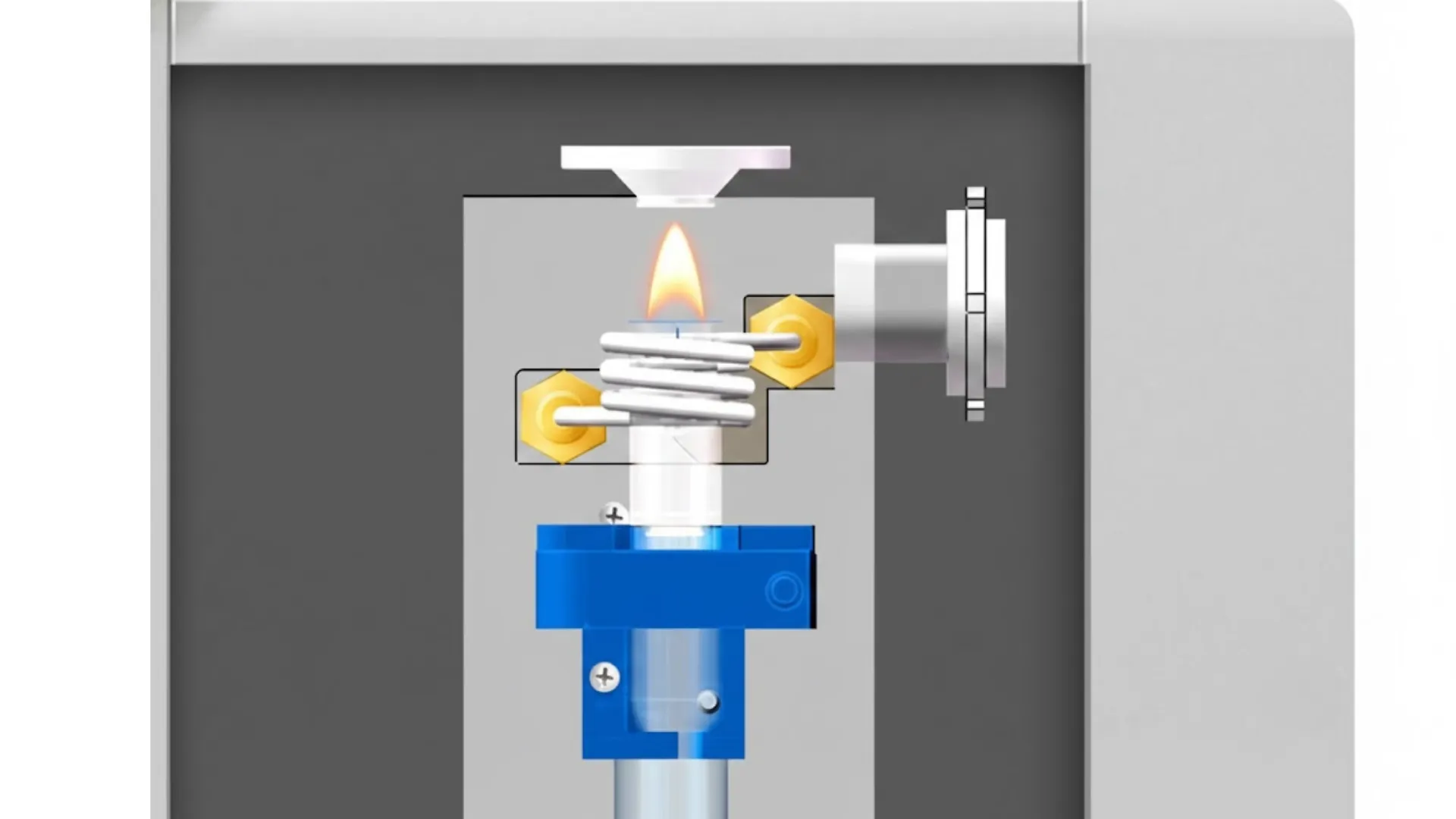
Bidirectional plasma observation (axial and radial view)
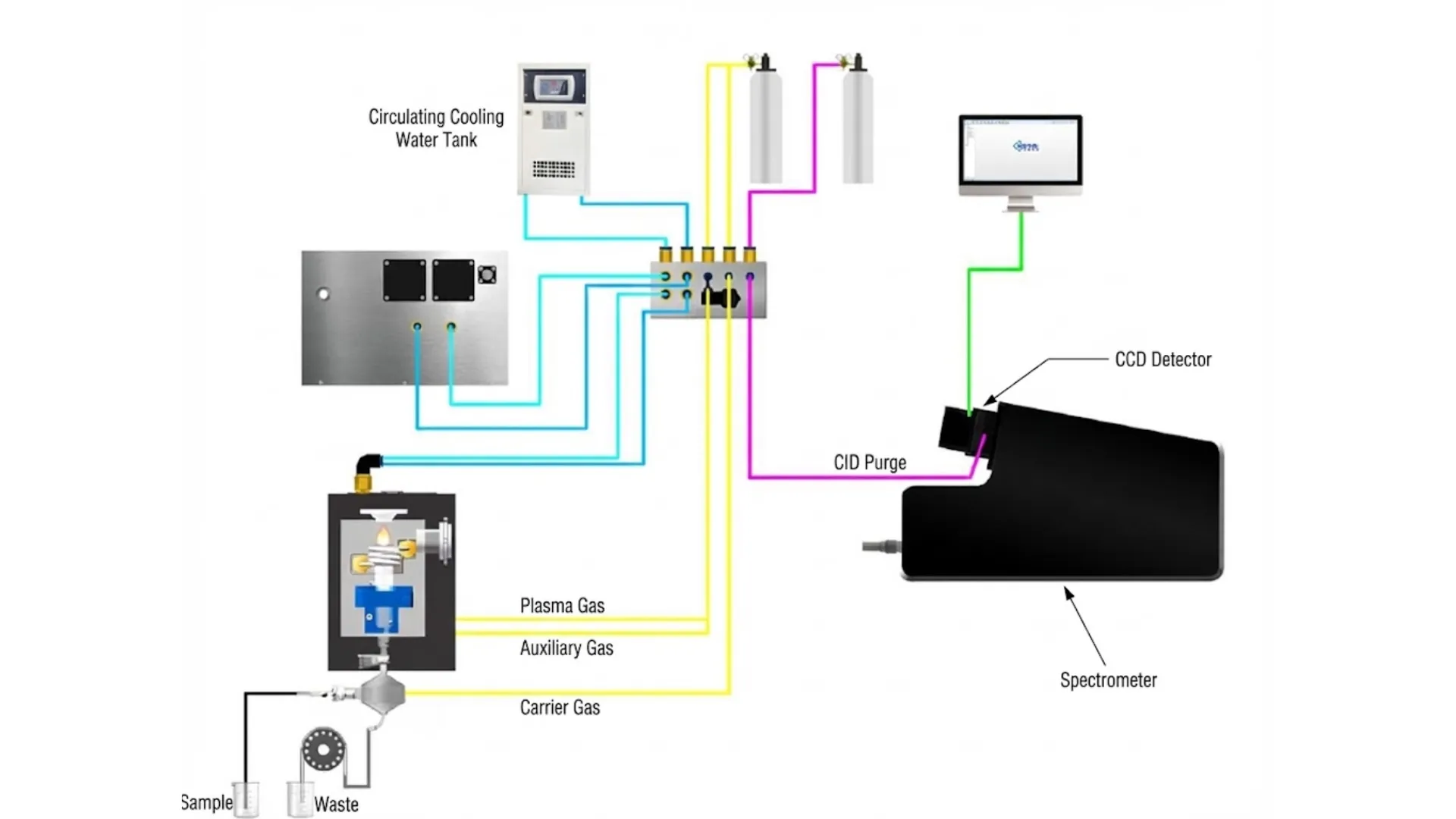
ToronICP™ 900T DV running status monitoring module
Theory
Inductively Coupled Plasma-Optical Emission Spectroscopy (ICP-OES) is a highly reliable technique for simultaneous, multi-element analysis, employed across fields like environmental testing, metals analysis, industrial quality control, and scientific research.
The method uses Inductively Coupled Plasma (ICP), a high-temperature, electrode-less, ionized argon gas generated by a radio-frequency electromagnetic field. This plasma serves as a powerful energy source, reaching temperatures over 10,000 K.
For analysis, a liquid sample is converted into a fine aerosol and introduced into the plasma. At this extreme temperature, the elements within the sample become excited and emit light at wavelengths specific to each element. An inductively coupled plasma spectrophotometer then detects this emitted light, allowing for the simultaneous identification and quantification of multiple elements.
ICP-OES is valued for its key benefits: fast analysis, high accuracy, excellent sensitivity, minimal chemical interference, and a broad linear measurement range.
Inductively Coupled Plasma Emission Spectroscopy (ICP-OES) – ToronICP™ 900T DV (Bidirectional Observation) Technical Specifications
| Model | ToronICP™ 900T DV |
|---|---|
| Analytical Technique | Inductively Coupled Plasma Emission Spectroscopy (ICP-OES) |
| Instrument Type | Inductively Coupled Plasma Spectrophotometer |
| Plasma Observation | Bidirectional (Axial and Radial) |
| Optical System | Full spectrum, direct reading |
| Detection Capability | Qualitative, semi-quantitative, and quantitative analysis |
| Detection Limit | Down to ppb level |
| Plasma Monitoring | Intelligent real-time flame monitoring |
| Airflow Protection | Argon gas monitoring with automatic power-off protection |
| Torch Configuration | Vertical torch tube design |
| Automation Support | Optional autosampler and injection modules |
| Software Functions | Operation visualization, fault diagnosis, and data analysis |
| Typical Applications | Environmental, food safety, metallurgy, petrochemical, research |