

Fully Automatic Microtome – ToronTome™ 550
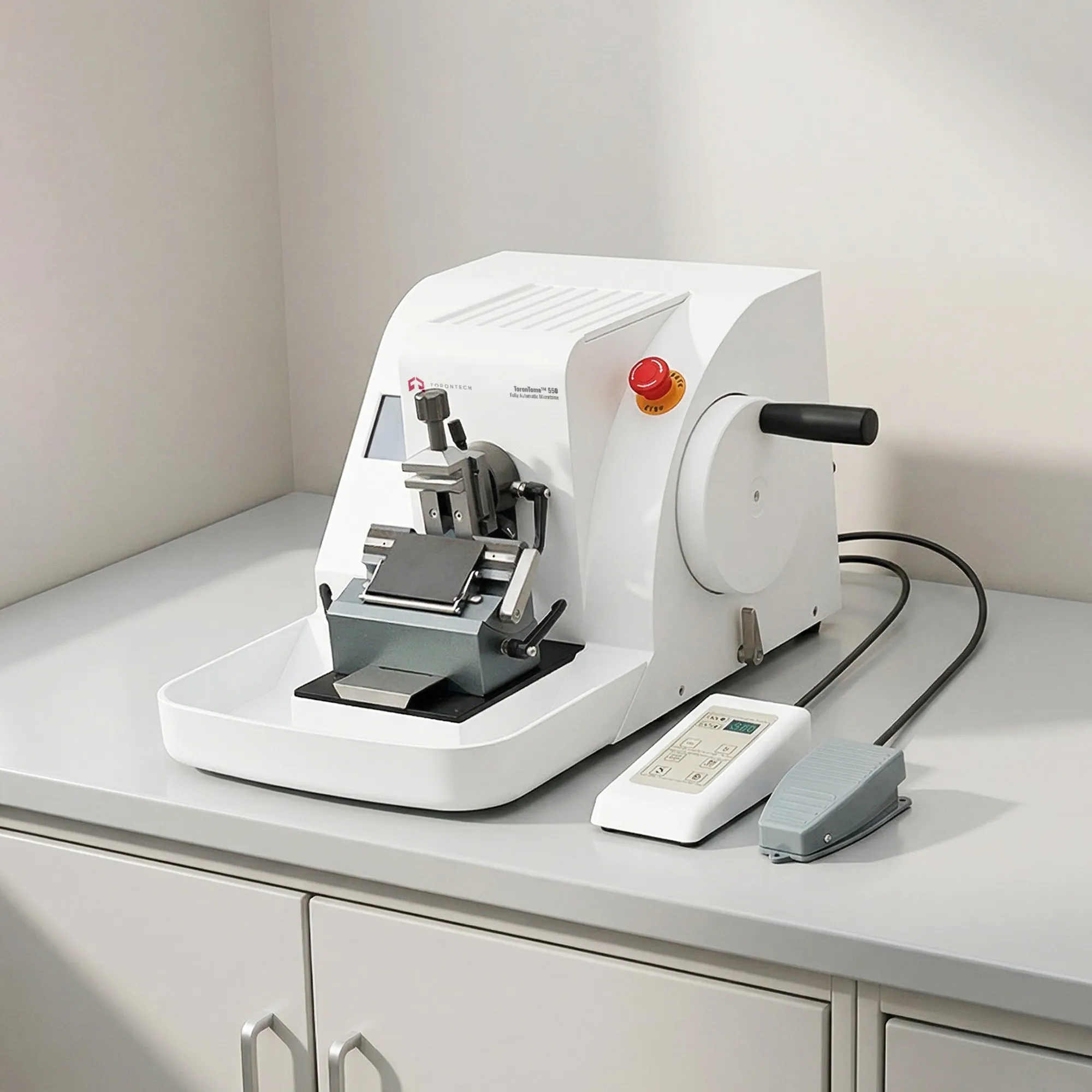
Fully Automatic Microtome ToronTome™ 550 is a precision Microtome designed for repeatable paraffin sectioning, controlled trimming, and flexible manual or motorized operation in pathology, biology, medical, and industrial laboratories. This instrument is a dual-control system that combines automated cutting with manual sectioning, touchscreen setup, specimen retraction, and memory positioning for smoother cuts and better blade protection.
Built around a stepper-motor drive, this Rotary Microtome supports fine section control, multiple cutting modes, adjustable feed behavior, and clamp options for different sample workflows. A rocking function, programmable memory return, and optional remote or foot-switch control, which makes the unit suitable for labs that need higher throughput without giving up operator control.
ToronTome™ 550 is well suited for users who need clean ribbon formation, stable sectioning, and practical safety features such as handwheel locking, overload protection, alarms, sleep protection, blade guarding, and emergency-stop capability
Fully Automatic Microtome – ToronTome™ 550 Applications
- Histology and pathology laboratories: this Microtome is suitable for routine paraffin sectioning in hospital, reference, and research histology labs. It supports the preparation of thin, repeatable sections for staining, microscopic review, and diagnostic workflow.
- Research and life science labs: the system fits academic and life science environments that need controlled section thickness, specimen orientation adjustment, and repeatable trimming during tissue preparation. Its motorized operation and programmable return functions can help reduce repetitive setup during serial work.
- Industrial and materials laboratories: the platform is suitable for industrial laboratories. That makes it relevant for labs preparing embedded or relatively firm samples where stable feed, precise blade positioning, and manual override options are useful.
- High-throughput sectioning workflows: labs with frequent trimming and repeated block approach cycles can benefit from the rocking mode, section counter, touchscreen control, optional remote panel, and optional foot switch. These functions help streamline repeated motions during busy sectioning runs.
Standards
- ISO 9001:2008 is a foundational international standard for quality management systems that mandates strict process control and comprehensive documentation to ensure manufacturing consistency. Within the industrial testing sector, it established the rigorous framework for quality manuals and corrective actions required to guarantee that equipment consistently meets exact technical specifications and global regulatory compliance.
Fully Automatic Microtome – ToronTome™ 550 Key Features
- Dual-control operation: ToronTome™ 550 combines fully automatic motorized sectioning with manual sectioning capability. This gives labs the flexibility to use the instrument as a motorized Microtome for repeatable production work or as a manual Rotary Microtome for hands-on trimming and section control.
- Precision stepper-motor drive: an advanced stepper-motor system designed for smooth, quiet, and accurate sectioning. This helps improve cut consistency while reducing vibration and operator fatigue during long runs.
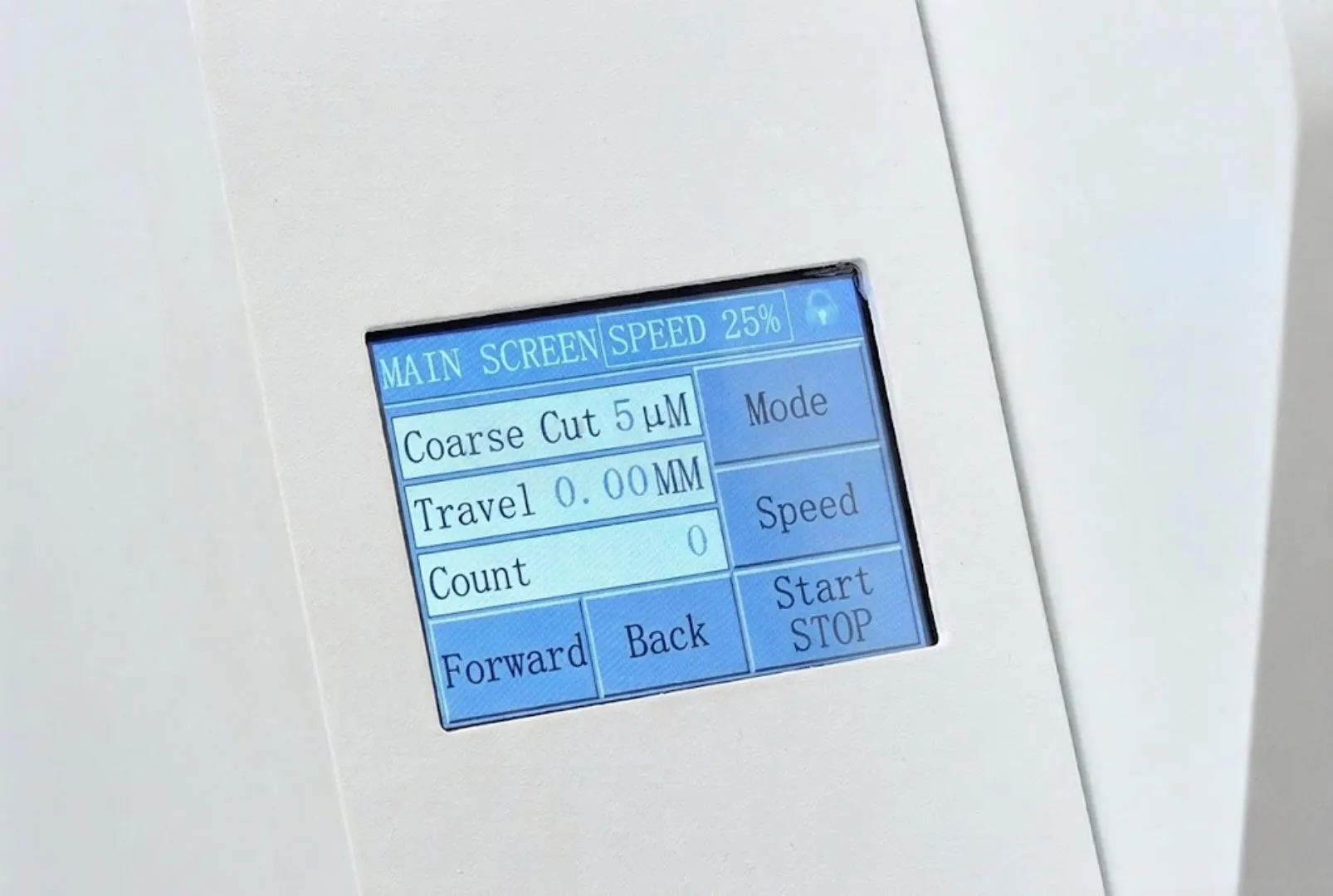
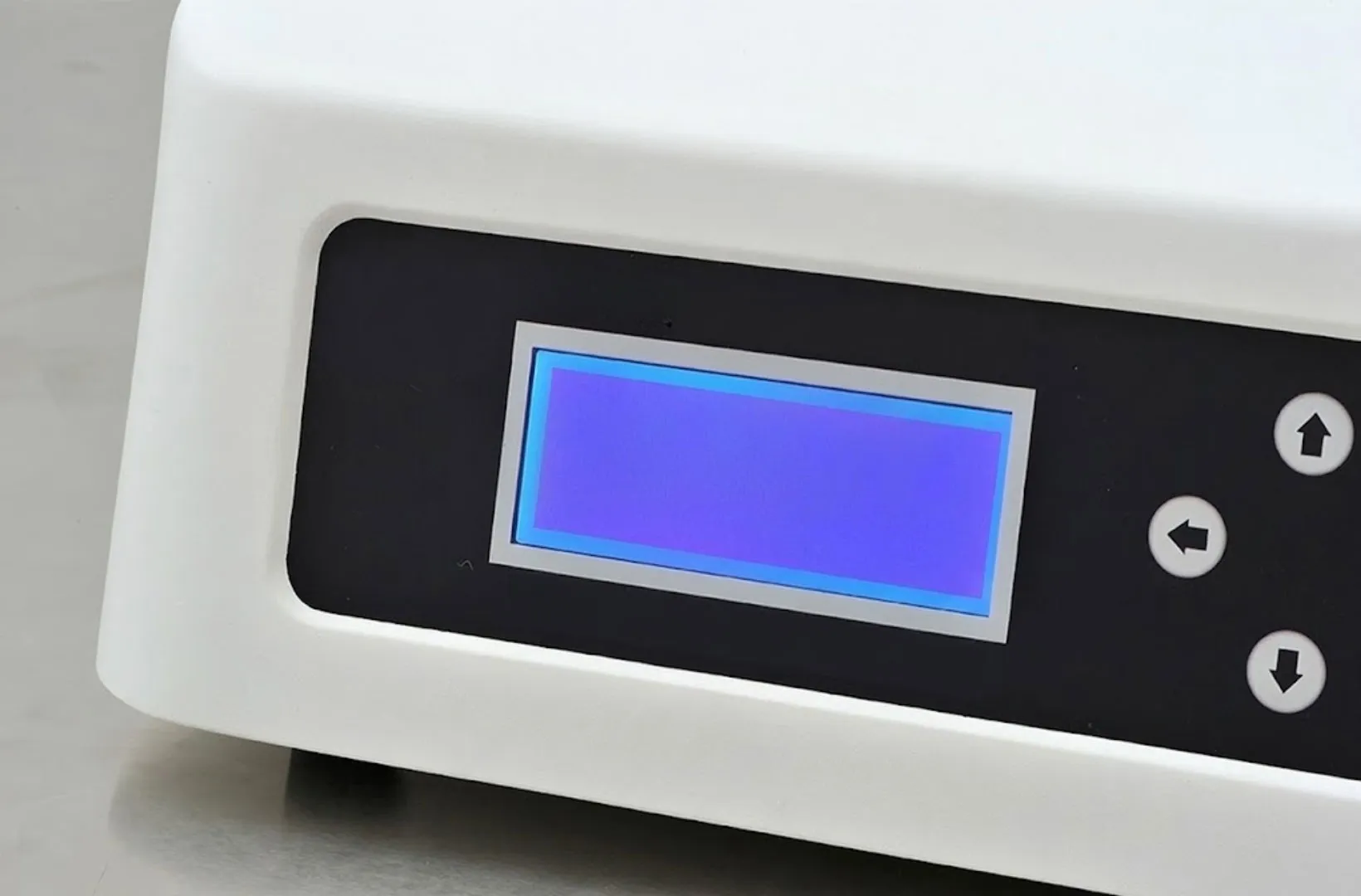
- Touchscreen control with live parameter display: a built-in touchscreen displays section thickness, trimming thickness, counters, cutting mode, speed, and clamp feed distance. This interface makes common adjustments faster and helps the operator verify settings before cutting begins.
- Sample retraction and memory positioning: the system includes adjustable specimen retraction to reduce reverse-contact friction between the sample and blade. It also offers one-touch return to a saved memory position, which can help with repeated trimming cycles and reduce unnecessary blade repositioning.
- Rocking mode for fast controlled trimming: the rocking function allows short back-and-forth handwheel movement instead of full-rotation operation. This gives the operator a faster manual trimming method while preserving the benefits of the retraction system.
- Multiple cutting modes: various cutting modes such as single, continuous, step, and rocking modes. This gives the instrument flexibility for different sectioning habits, block conditions, and sample-preparation stages.
- Flexible clamp and blade options: the system supports standard and universal cassette clamps, quick-release clamping, high-profile and low-profile disposable blades, and optional accessories for steel knives or alternate blade carriers. This expands usability across different lab preferences and specimen types.
- Adjustable blade geometry and lateral travel: the blade carrier supports adjustable cutting angle, integrated blade guarding, blade removal support, and multiple lateral positions so more of the blade edge can be used before replacement. This helps support section quality and blade economy.
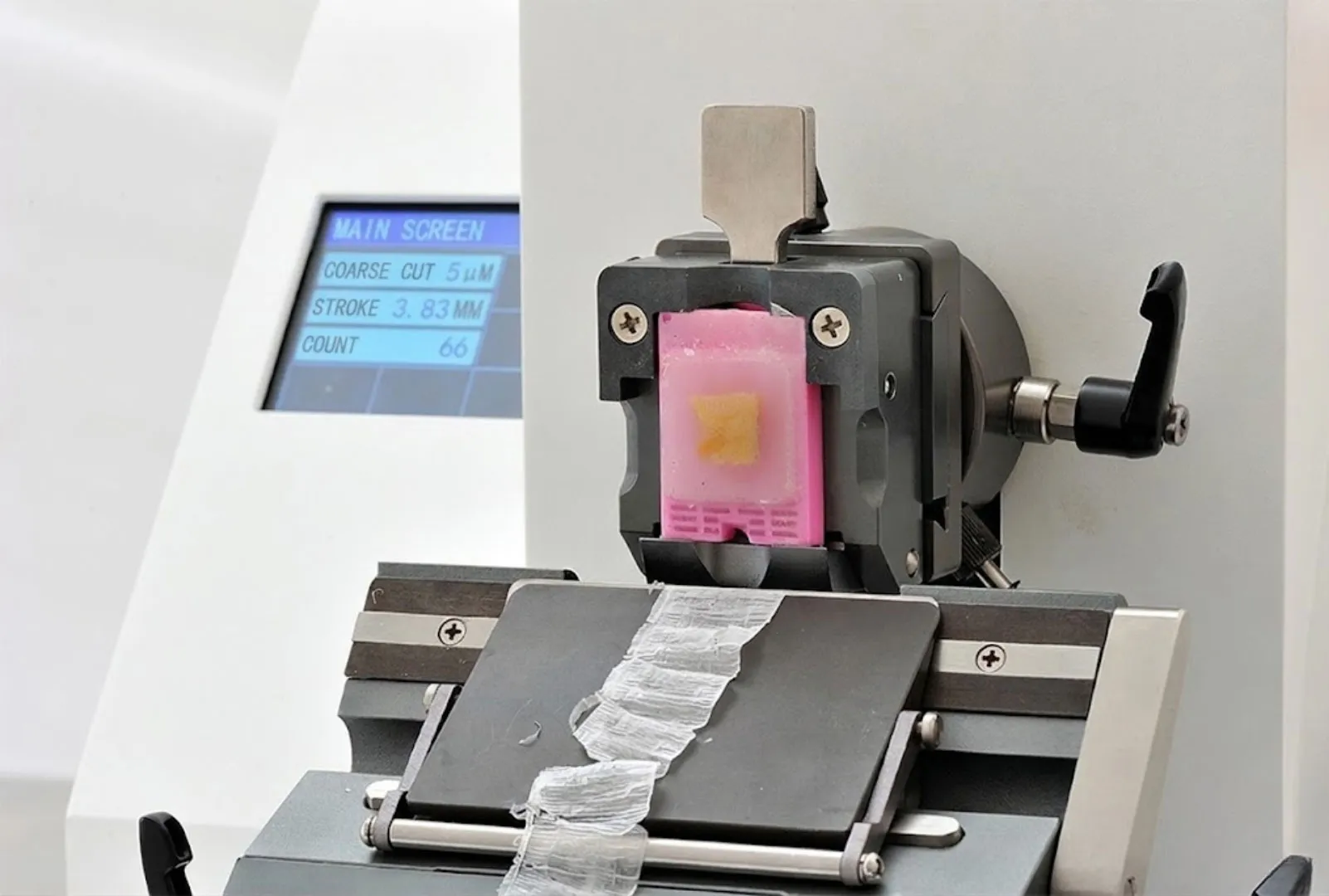
- Balanced handwheel and full-position locking: the handwheel is designed with a balancing system for smoother rotation, and it can be locked at any position. A dedicated high-point lock for added safety during operation and sample handling.
- Safety and operator protection: safety functions described include overload protection, alarm functions, sleep mode, blade guard, handwheel lock, and optional emergency stop. These features support safer daily use in busy laboratory environments.
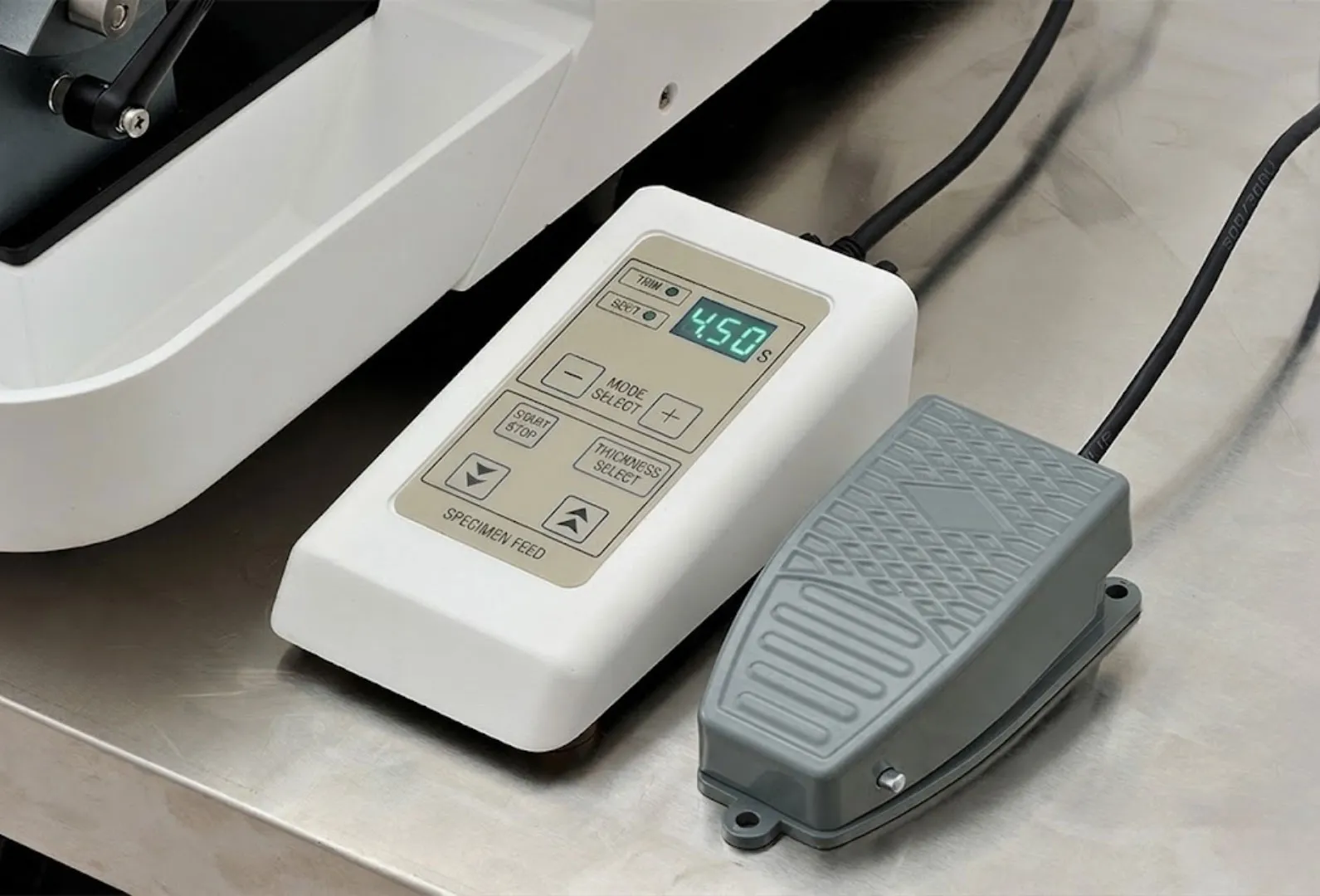
- Remote and foot-switch options: optional remote control and foot-switch operation allow users to start or stop cutting and adjust thickness, feed distance, and speed away from the main body of the instrument. This can improve ergonomics and convenience in repetitive workflows.
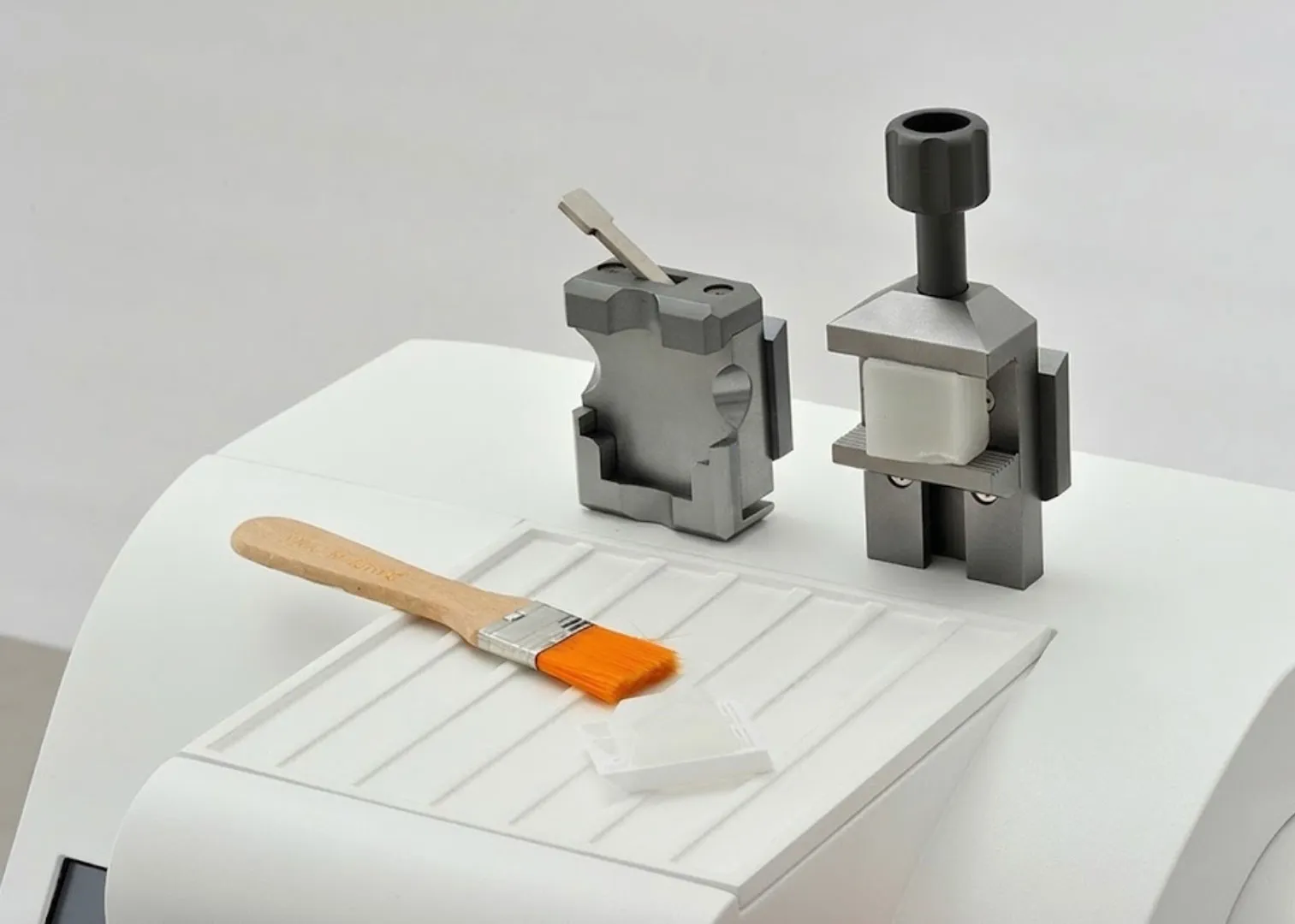
- Easy cleaning and lower maintenance: a removable waste tray, removable upper accessory holder, and a long-life internal rail and bearing design intended to reduce frequent lubrication needs. These features help simplify cleanup and routine care.
Theory and Method
A Rotary Microtome works by advancing a specimen block toward a blade in controlled increments so the sample can be sliced into thin sections for microscopy and downstream analysis. In routine use, the operator secures the specimen, aligns the block, selects trimming or section thickness, and then removes material through manual or motor-driven cutting cycles.
ToronTome™ 550 uses a motorized feed system with touchscreen parameter control. The instrument supports both automatic and manual sectioning, which lets the operator switch between fast trimming and fine section production depending on sample condition and workflow preference. A specimen retraction function that pulls the sample slightly away from the blade during return travel to reduce contact on the back stroke.
A rocking mode that allows short forward-and-back handwheel movement without completing a full rotation. This method is helpful when the operator wants controlled trimming while maintaining retraction behavior. Programmable memory return also lets the user return to a saved position, which can reduce repetitive adjustment during repeated block facing.
Blade angle, lateral blade position, specimen orientation, and feed settings all affect section quality. This is why the system includes adjustable blade geometry, clamp orientation control, multiple cutting modes, and selectable feed behavior to support stable section formation across different specimen types.
Fully Automatic Microtome – ToronTome™ 550 Technical Specifications
| Parameter | ToronTome™ 550 |
|---|---|
| Product type | Fully Automatic Microtome / Rotary Microtome |
| Operating concept | Dual-control, motorized plus manual sectioning |
| Section thickness range | 0.25 to 999 µm |
| Minimum section increment | 0.25 µm |
| Trimming thickness range | 0.5 to 1000 µm |
| Minimum trimming increment | 0.5 µm |
| Section thickness increments | 0.25 to 0.5 µm in 0.25 µm steps; 0.5 to 2 µm in 0.5 µm steps; 2 to 10 µm in 1 µm steps; 10 to 20 µm in 2 µm steps; 20 to 50 µm in 5 µm steps; 50 to 100 µm in 10 µm steps; 100 to 200 µm in 20 µm steps; 200 to 600 µm in 50 µm steps; 600 to 999 µm in 100 µm steps |
| Trimming thickness increments | 0.5 to 2 µm in 0.5 µm steps; 2 to 10 µm in 1 µm steps; 10 to 20 µm in 2 µm steps; 20 to 50 µm in 5 µm steps; 50 to 100 µm in 10 µm steps; 100 to 200 µm in 20 µm steps; 200 to 600 µm in 50 µm steps; 600 to 1000 µm in 100 µm steps |
| Positioning system | Sample clamp with zero-position indicator |
| Specimen orientation | X/Y-axis universal 8° adjustment with zero-scale marking |
| Maximum horizontal displacement (feed) | 20 mm or 28 mm ±1% customizable |
| Maximum vertical displacement (feed) | 60 mm or 70 mm ±1% customizable |
| Feed speed | 300 µm/s and 800 µm/s, customizable |
| Sample retraction | 0 to 999 µm, adjustable or disable selectable |
| Cutting speed | 0 to 420 mm/s; 450 to 500 mm/s customizable |
| Handwheel feed | Slow mode 350 µm/rev; fast mode 1000 µm/rev |
| Maximum cutting area | 50 × 70 mm |
| Blade compatibility | High-profile and low-profile disposable blades; optional steel-knife support |
| Cutting modes | Single, Continuous, Step, Rocking |
| Power input | AC 110 to 230 V |
| Frequency | 50/60 Hz |
| Precision error | ±5% |
| Net weight | 32 kg |
| Dimensions | 520 × 450 × 300 mm |