

Automatic Digital Polarimeter – ToronADP™ 100
Automatic Digital Polarimeter – ToronADP™ 100
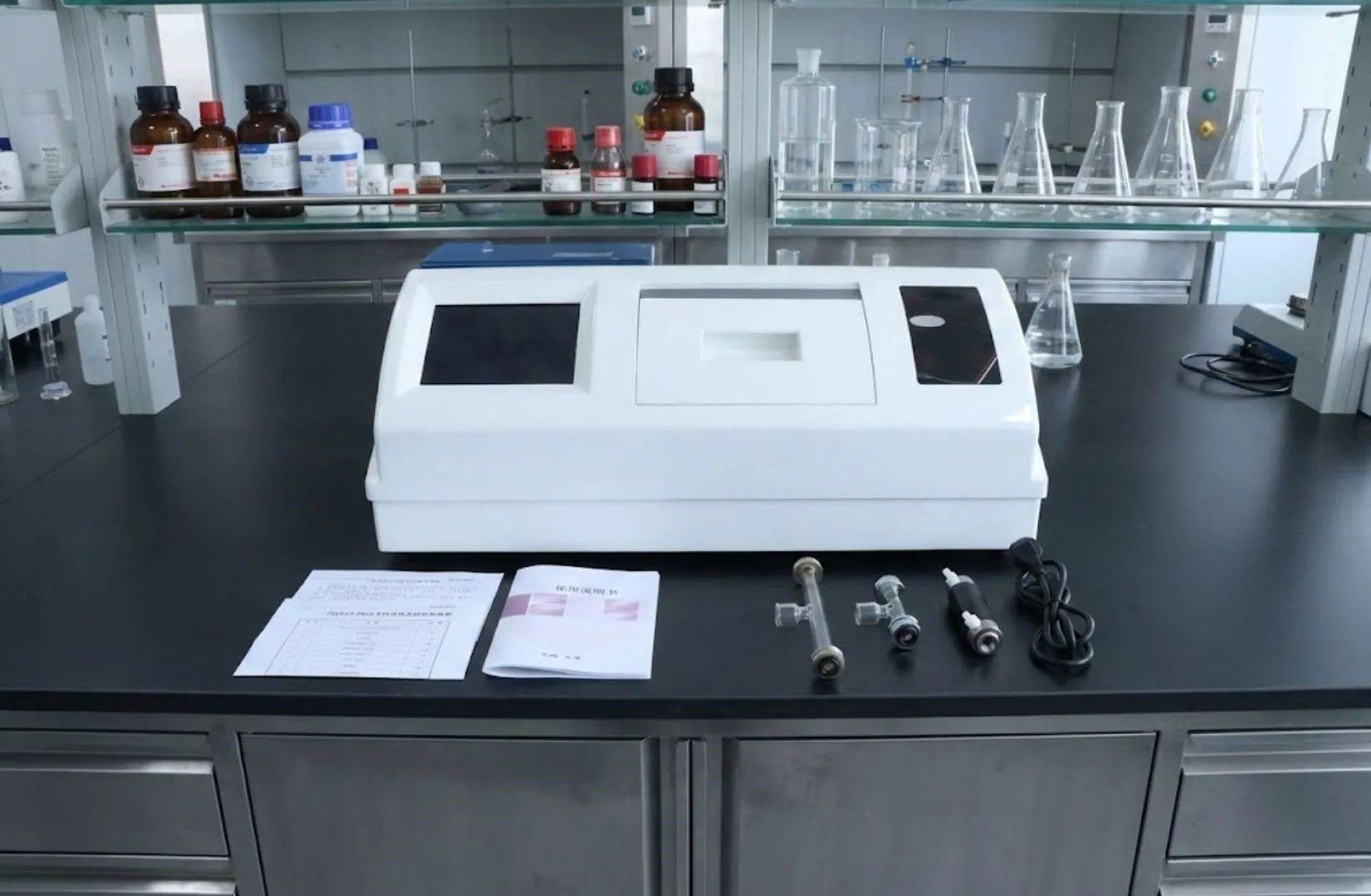
Automatic Digital Polarimeter ToronADP™ 100 is a fully automatic polarimeter designed to measure optical rotation and calculate specific rotation, concentration, and sugar degree using a stable LED light source and digital detection. Built-in Peltier temperature control helps maintain measurement stability when temperature-sensitive samples are tested. The system supports audit trail and electronic signature options for labs that need controlled electronic records.
ToronADP™ 100 provides multiple measurement modes, including optical rotation, specific rotation, concentration, sugar, and custom calculation formulas. A LED cold light source with a high-precision interference filter supports stable wavelength operation at 589.3 nm and reduces lamp maintenance compared with older sodium-lamp designs.
A touch-screen interface and method management tools support repeatable workflows across operators. Multi-level permission control, audit tracking, and electronic signatures can be enabled to support documentation control needs. Data can be exported to common formats such as PDF and Excel and printed through supported printing modes.
Automatic Digital Polarimeter – ToronADP™ 100 Applications
- Pharmaceutical QC and R&D: Optical rotation testing helps confirm identity and consistency for chiral APIs and intermediates. Specific rotation calculations support batch trending and investigation workflows when results drift. Pharmacopoeial-style documentation is easier when audit trail and electronic signature options are used.
- Flavors, fragrances, and essential oils: Many natural extracts and essential oils are optically active. Optical rotation can support incoming inspection and lot-to-lot consistency checks when formulation changes are suspected. A stable light source and temperature control help reduce variability across repeated runs.
- Sugar industry and sucrose-related analysis: Polarimetry is widely used to express sugar results in °Z using standard polarimetric scales. Sugar mode supports routine lab checks and production monitoring, especially when a consistent temperature window is required.
- Chemical manufacturing and academic research: Optical rotation supports concentration estimation, purity screening, and method development for optically active compounds. Custom formulas and multiple measurement modes help labs standardize calculations across different sample types.
Standards
- FDA 21 CFR Part 11 applies when electronic records and electronic signatures are used for regulated documentation.
Automatic Digital Polarimeter – ToronADP™ 100 Key Features
- Built-in Peltier temperature control to stabilize readings for temperature-sensitive samples.
- Multiple measurement modes for optical rotation, specific rotation, concentration, sugar degree, and custom formulas.
- LED cold light source with interference filter to support stable wavelength operation and reduce lamp-related maintenance.
- Single, multiple, and continuous measurement options for routine testing and method development workflows.
- Controlled documentation tools including audit trail and electronic signature to support traceable records when required.
- Role-based access control with permission management for methods and results.
- Automatic calibration support to simplify routine verification and reduce manual steps.
- AI-assisted parameter settings to speed up routine setup and reduce operator input errors.
- Wi-Fi printing plus PDF/Excel export to streamline reporting and documentation.
- QR-code scan input support to reduce manual sample ID entry steps.
- Broad connectivity through USB, RS232, VGA, and Ethernet for common lab integration needs.
- Real-time monitoring functions including optical rotation timing and real-time spectrum support.
Theory and Method
Optically active substances rotate the plane of polarized light by an angle that depends on the sample, wavelength, temperature, and path length. Polarimeters measure this rotation (α) and then calculate specific rotation using sample concentration and tube length, which supports consistent reporting across different setups.
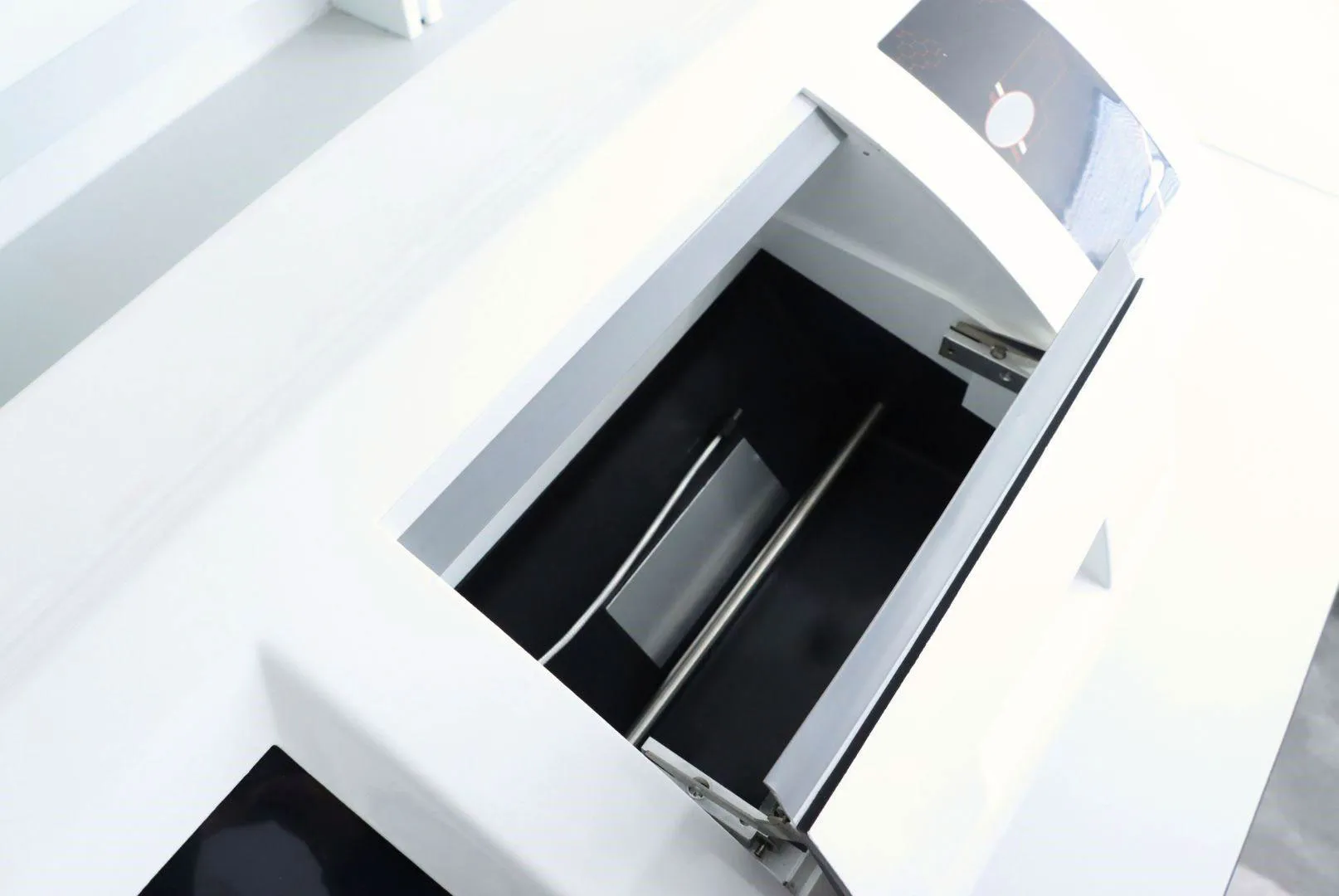
ToronADP™ 100 uses an LED light source at 589.3 nm and provides single, multiple, and continuous measurement modes. Peltier temperature control stabilizes the sample environment within a defined temperature control range. The system can also support real-time monitoring functions for rotation timing and spectrum-style tracking to help verify stability during measurement windows.
Automatic Digital Polarimeter – ToronADP™ 100 Technical Specification
| Specification | ToronADP™ 100 |
|---|---|
| Measurement modes | Optical rotation, specific rotation, concentration, sugar, custom formula |
| Light source | LED cold light source + high-precision interference filter |
| Working wavelength | 589.3 nm |
| Measurement functions | Single, multiple, and continuous measurement modes |
| Measurement range | Optical rotation ±90°; sugar degree ±259 °Z |
| Minimum reading | 0.001° |
| Accuracy | ±0.004° |
| Repeatability | 0.002° (standard deviation, optical rotation) |
| Temperature control range | 10 °C to 50 °C (Peltier temperature control) |
| Temperature resolution | 0.01 °C |
| Temperature control accuracy | ±0.1 °C |
| Display | 8-inch TFT true color touch screen |
| Standard tubes | 200 mm, 100 mm standard; 100 mm temperature-control type (options available) |
| Transparency | 0.1% |
| Data storage | 32 GB |
| Automatic calibration | Yes |
| Audit trail | Yes |
| Electronic signature | Yes |
| Method library | Yes |
| Multifunction retrieval | Yes |
| Wi-Fi printing | Yes |
| Cloud services | Optional |
| MD5 verification | Optional |
| QR scanning input | Supported (scanner can input sample number via QR code) |
| Export formats | PDF, Excel |
| Communication interfaces | USB, RS232, VGA, Ethernet |
| Real-time monitoring | Optical rotation timing and real-time spectrum support |
| Operating system | Android-based system with audit tracking and user controls |
| Voltage | 220 V ±22 V, 50 Hz ±1 Hz, 250 W (110V is also available) |
| Net weight | 28 kg |