A Portable Octane and Cetane Tester Built for Algeria's Fuel Sector
A tanker of gasoline that fails octane spec at a NAFTAL terminal, or a diesel batch that slips below cetane requirements before it leaves a refinery gate, creates costly delays. Waiting days for laboratory confirmation is rarely an option for Algeria's fast-moving fuel supply chain.
A Portable Octane and Cetane Tester in Algeria gives refiners, distributors, and inspectors an on-site answer in seconds. Torontech's TT-131 measures both octane and cetane values without damaging the sample, keeping fuel moving while confirming it meets the required grade.
Algeria's Refining Buildout Raises the Stakes for Fuel Quality
Sonatrach has committed up to $60 billion through 2030 to expand exploration, production, and downstream capacity. A new five-million-tonne refinery at Haoud El Hamra in Hassi Messaoud is expected to start production by 2027, alongside planned plants at Tiaret and Biskra.
These additions join established refineries at Skikda, Arzew, and Algiers, where a new naphtha cracking unit and an MTBE plant are boosting domestic gasoline output. Every new production line raises the volume of fuel that needs octane and cetane verification before it reaches distributors.
Algeria's retail stations sell unleaded gasoline rated at 95 RON through NAFTAL's exclusive distribution network, while diesel fuels much of the country's trucking, agriculture, and power-generation equipment.
Confirming that fuel reaching these end uses carries the octane or cetane value printed at the pump protects consumers and keeps refiners and distributors accountable to the grade they certify.
How a Portable Octane and Cetane Tester in Algeria Supports Field Verification
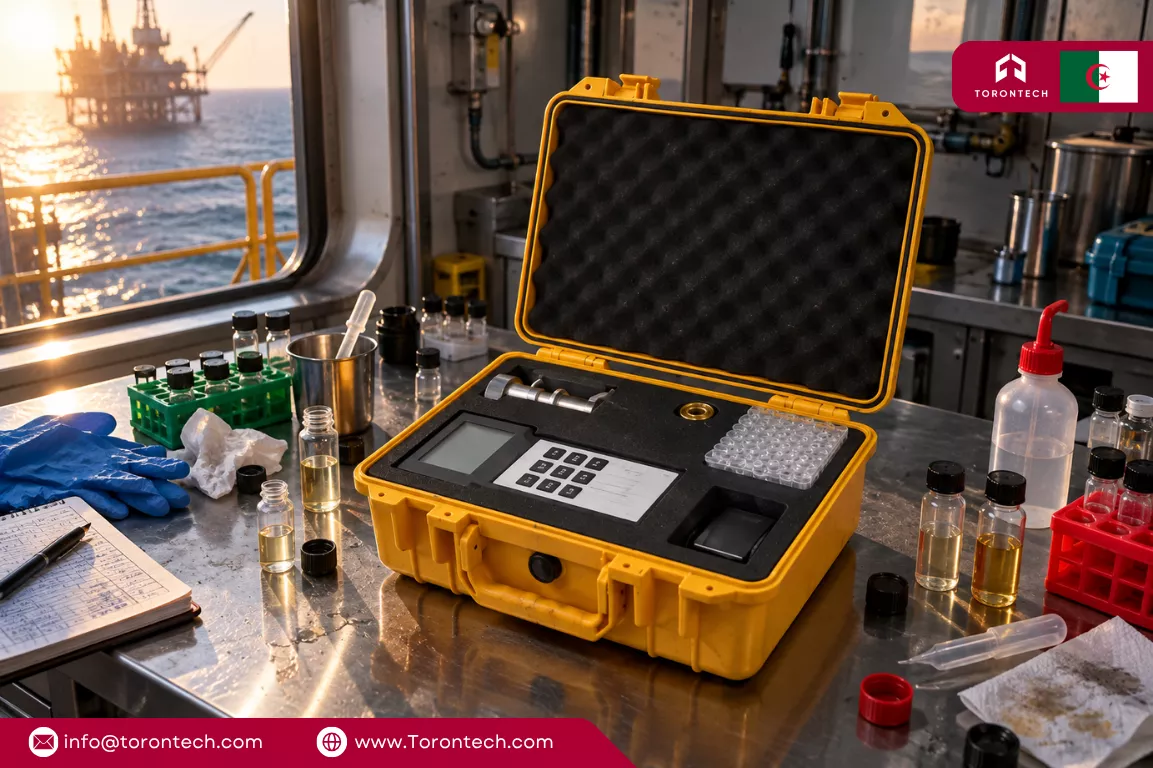
The TT-131 uses inductive sensing and onboard correction to read octane values for motor, methanol, and ethanol-blend gasoline, plus cetane values for general, blended, and biodiesel diesel. One-point, two-point, and three-point calibration against reference oil keeps readings accurate as conditions change.
Buyers testing only one fuel type can also specify the single-purpose variants. The TT-LAB 132 handles diesel cetane analysis, and the TT-LAB 133 handles gasoline octane analysis, both built on the same platform as the combined TT-131.
Inspectors working refinery gates, NAFTAL depots, or roadside checkpoints benefit from several built-in features:
- Temperature adjustment that corrects octane readings for ambient conditions
- An EL backlit display for overnight terminal or depot inspections
- Automatic sleep and power-off functions that extend battery life in the field
- A case resistant to vibration, impact, and electromagnetic interference in transit
- Storage and printing of measurement records for compliance documentation
Protecting Subsidized Fuel From Terminal to Border
Algeria's fuel prices remain among the lowest in the world, a subsidy structure that has driven persistent cross-border diversion toward Morocco, Tunisia, and Sahel markets. Authorities have tightened checkpoint enforcement for years to keep subsidized gasoline and diesel inside the domestic supply chain.
A portable analyzer gives customs officers and NAFTAL inspectors a way to confirm fuel identity and grade on the spot, without waiting for a laboratory. Torontech supplies its testers under standards verified on its own product pages, including ASTM D2699 and D2700 for octane and ASTM D613 for cetane.
Algeria's energy ministry has cited losses running into the billions of dollars from fuel diverted across land borders over the years. Enforcement crackdowns along the western border with Morocco and Tunisia remain a recurring theme in regional trade reporting.
IANOR, Algeria's national standardization body, references international test methods when setting domestic fuel specifications. Because the TT-131's documented compliance covers ASTM methods rather than IANOR standards directly, buyers should confirm any IANOR-specific reporting requirements with their own quality team.
Deploying the Tester Across Algeria's Desert and Coastal Conditions
Algeria spans coastal refineries near Skikda and Arzew and Saharan production sites near Hassi Messaoud. Summer surface temperatures at desert sites routinely exceed the TT-131's rated -5°C to +30°C operating range.
Field teams get the most reliable readings by testing in shade, a vehicle cabin, or an air-conditioned site office rather than in direct desert sun. The instrument's rugged, vibration-resistant case still travels well between these locations.
A Portable Octane and Cetane Tester in Algeria earns its keep at several points along the supply chain:
| Testing Point | Why It Matters |
|---|---|
| Refinery blending units | Confirms RON and MON before product release |
| NAFTAL storage terminals | Screens incoming shipments for spec compliance |
| Filling stations | Flags off-spec deliveries reaching consumers |
| Customs and border posts | Verifies fuel identity during cross-border inspection |
Because the tester runs on AA batteries rather than mains power, teams can carry it into locations without grid access, an advantage across Algeria's vast southern provinces. Data storage and printer connectivity let inspectors document results on site instead of transcribing readings by hand.
Get Fuel Testing Support for Your Algerian Operation
Algeria's refining expansion and long-standing fuel subsidy program both raise the same requirement: verifiable fuel quality at every handoff point. A Portable Octane and Cetane Tester in Algeria closes the gap between production and inspection without adding lab turnaround time.
Torontech ME FZE, the company's Middle East and Africa office in Dubai, supports customers across the region with configuration guidance and calibration support, reachable at me@torontech.com or +971 488 19252.
For pricing, lead times, or help matching a testing mode to your fuel grades, contact the Torontech team to discuss your requirements.