Skip the Lab Queue With an XRF Analyzer in Canada
A drill program in northwestern Ontario burns daylight waiting on assay results. A scrap yard in Hamilton misroutes a bin of stainless because nobody could confirm the grade. In both cases the material sat in hand while the answer sat elsewhere.
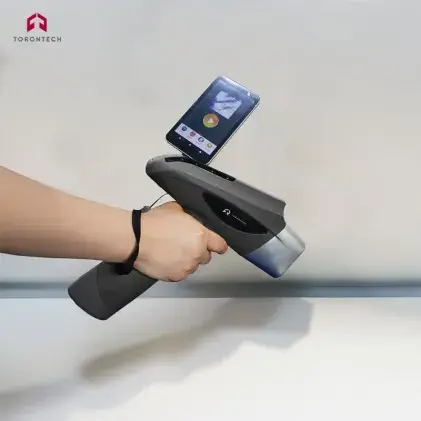
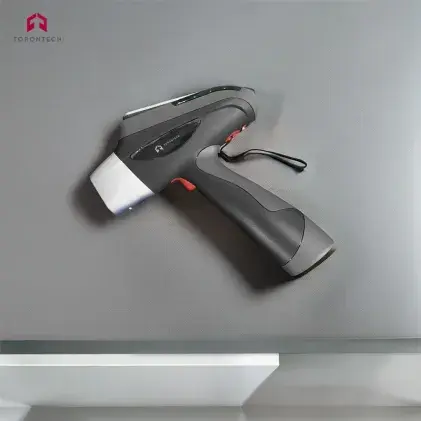
An XRF analyzer in Canada moves that answer to the sample itself. Torontech supplies the ToronXRF handheld portable XRF analyzers, which report elemental composition in seconds without cutting, prepping, or shipping a single specimen.
Operator Certification Comes Before First Use
Canada regulates handheld X-ray fluorescence more tightly than most markets, and buyers often discover this after the purchase order clears. Health Canada's Safety Code 32 carries an addendum covering portable handheld X-ray tube based open-beam XRF devices.
That addendum requires the people who operate these instruments to hold certification. Natural Resources Canada delivers the program through its National Non-Destructive Testing Certification Body, which developed the scheme in collaboration with Health Canada.
The program adopts International Standard ISO 20807:2004 with modifications. It combines radiation safety training with written examination, and certified operators appear in a public directory with renewal and recertification dates.
Note what the rule actually targets. Certification applies to the operator, not to the instrument. Safety Code 32 flows into the Canada Labour Code for federally regulated sectors, so confirm with your own regulator how the requirement reaches your workplace.
Where Canadian Operations Rely on Elemental Screening
Demand across the country clusters into four sectors, each testing on site for a different reason:
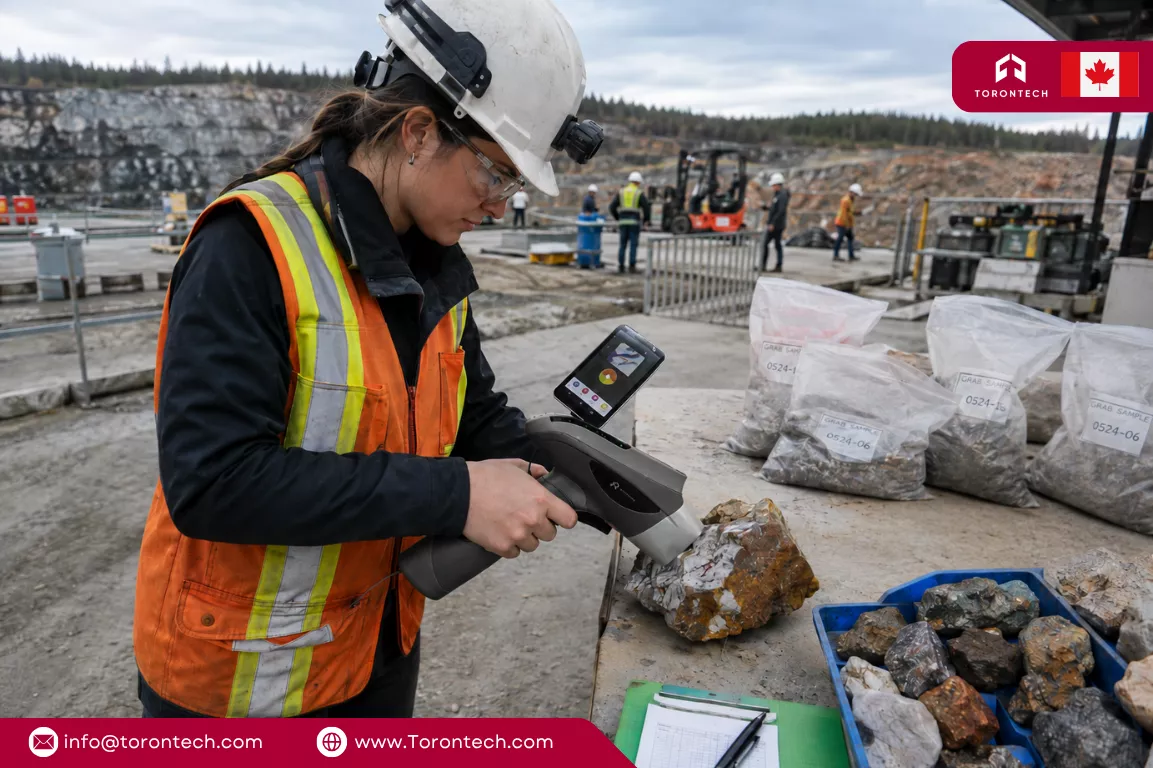
- Mineral exploration and mining: Canada's Critical Minerals Strategy now tracks 34 listed minerals. Crews working the Abitibi greenstone belt, the Sudbury Basin, and the Athabasca Basin screen drill core, chips, and soil before committing samples to assay.
- Fabrication and positive material identification: pressure equipment shops in Alberta and refining contractors around Sarnia verify chrome-molybdenum and stainless grades before welding rather than after a failure.
- Scrap and electronics recycling: sorters separate alloy families at the bin, where a missed grade turns recoverable value into mixed-metal pricing.
- Consumer goods and electronics manufacturing: exporters screen against the EU RoHS Directive, while Health Canada enforces lead limits in children's products under the Canada Consumer Product Safety Act.
Different as these sectors look, they ask an XRF analyzer in Canada for the same thing: a defensible number at the point of decision rather than a week later.
Choosing Among the Three ToronXRF Models
The series splits into three calibrations rather than one general-purpose instrument. Match the model to your dominant application:
| Model | Built For | What Sets It Apart |
|---|---|---|
| Handheld XRF RoHS Analyzer (3000R) | Electronics, toys, packaging, e-waste | Screens for restricted elements including lead, cadmium, and mercury |
| Handheld XRF Alloy Analyzer (3000A) | Fabrication, aerospace, PMI, scrap sorting | Intelligent curve matching for alloy grade identification |
| Handheld XRF Mineral Analyzer (3000M) | Exploration, grade control, soil screening | Built-in GPS tagging plus multiple mining calibration modes |
All three run on the same analytical platform. A 50kV silver-target miniature X-ray tube excites the sample, and a silicon drift detector resolves the returning photons at 128 eV. Digital multi-channel processing then sorts them at up to 500,000 counts per second.
Detection time spans 1 to 60 seconds across the range. Short counts suit high-volume sorting lines, while longer counts pull trace elements out of the spectrum with tighter confidence.
Specifying an XRF Analyzer in Canada for Field Conditions
Canadian deployment adds constraints that temperate markets never test. Weigh these figures against where the instrument will actually work:
- Operating temperature: rated for -20°C to +50°C, which covers most shoulder-season and summer field campaigns
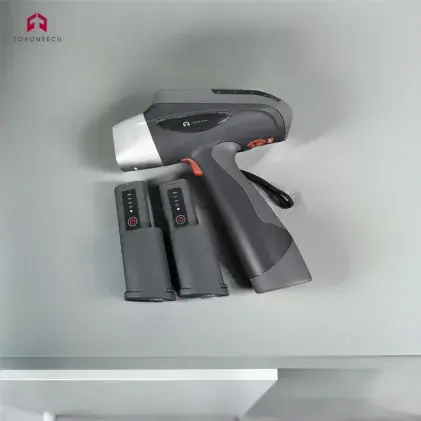
- Runtime off grid: the standard 9,000mAh lithium battery supports up to 12 hours of use
- Carry weight: 1.7 kg, light enough for one-handed measurement across a full shift
- Detection floor: approximately 5 ppm, varying by element and sample matrix
- Element range: atomic number 12 to 92, magnesium through uranium
- Sample types: solids, liquids, and powders, with no preparation step
That element range sets a genuine boundary worth planning around. XRF does not detect carbon, nitrogen, or oxygen, so it cannot separate alloy grades that differ only by carbon content. Route those decisions to optical emission or laboratory methods instead.
For winter work below the rated minimum, plan on vehicle-based warming between readings. Cold also shortens battery life, so crews on remote programs should carry a spare and a charging option in the truck.
Specify Your Analyzer With a Toronto-Based Team
Canadian buyers evaluate two things at once: which calibration fits the samples, and what the certification path costs in training time before anyone pulls a trigger. Getting the first choice wrong is expensive, and getting the second wrong stalls deployment entirely.
Torontech works from Toronto and supplies testing and measurement equipment across North America, backed by calibration service and technical support. Our team helps you match detection limits, calibration mode, and accessories to your samples and throughput before you commit.
Tell us whether your priority is restricted-substance screening, alloy identification, or ore grade control, and we will recommend the model that fits. Reach out to the Torontech team for pricing, lead times, and configuration guidance.