Carbon and Sulfur Analyzer Solutions for UAE Metals and Cement Labs
A steel batch with unverified sulfur content can compromise weld integrity on a Dubai tower project before anyone notices. A cement clinker sample with the wrong carbon signature can delay a shipment out of Ras Al Khaimah for days.
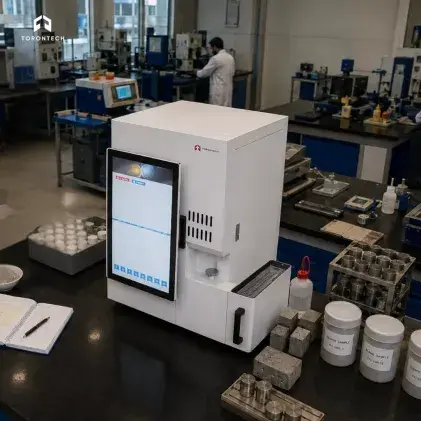
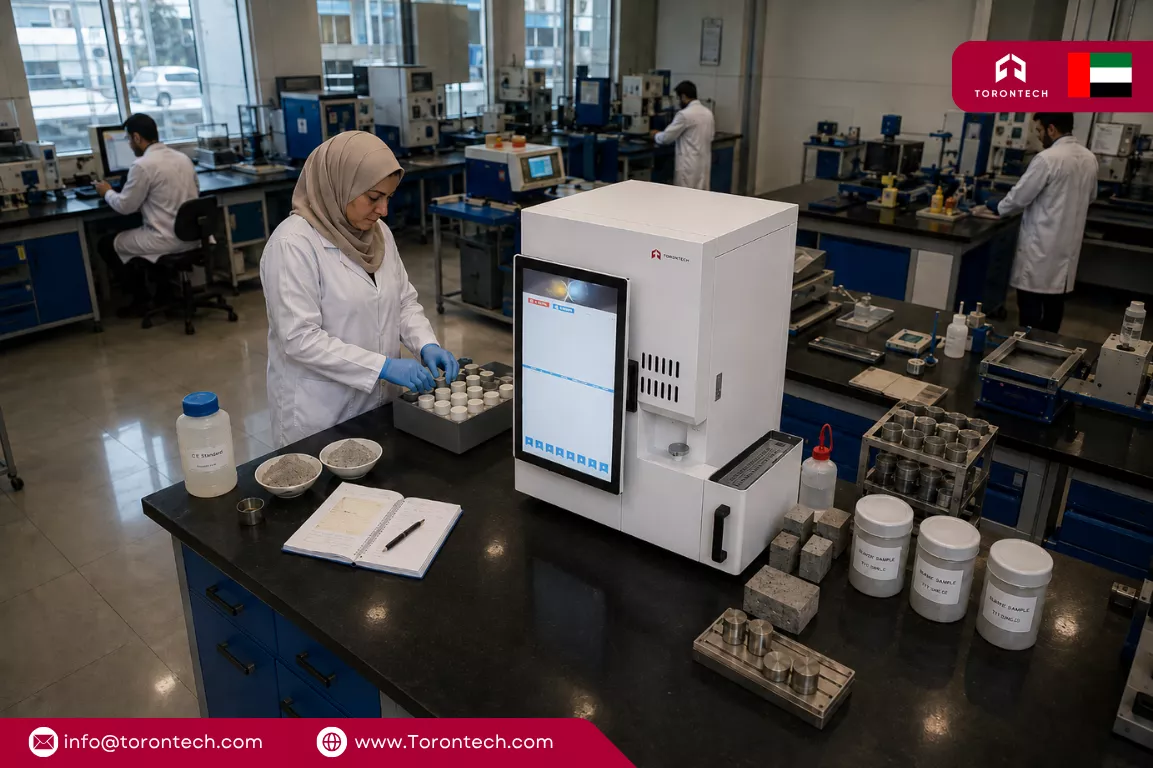
A Carbon and Sulfur Analyzer in UAE production labs closes that gap. Torontech's Carbon and Sulfur Analyzer, the TT-CSA1500, delivers combustion-based results in under a minute, giving quality teams the data they need before the next batch ships.
How the TT-CSA1500 Delivers Fast, Reliable Results
The TT-CSA1500 burns a solid sample inside a sealed, oxygen-pressurized ceramic crucible using a high-frequency furnace. Solid-state infrared detectors then read the resulting CO2 and SO2 gases to calculate carbon and sulfur content.
A full analysis typically finishes in 26 to 60 seconds. That speed matters on a UAE production floor, where quality control cannot afford to hold a batch for lab turnaround while a shipment waits at the port.
The analyzer's automatic crucible cleaner removes combustion dust without a vacuum step, which keeps maintenance demands low in high-throughput environments. For labs running multiple shifts across a Dubai or Abu Dhabi production site, that translates into fewer stoppages between samples.
Carbon and Sulfur Analyzer in UAE Steel and Metals Production
The UAE's steel sector runs on tight elemental tolerances. EMSTEEL's Musaffah operations in Abu Dhabi and Conares' Jebel Ali mill both supply rebar, pipe, and structural sections for major infrastructure projects. Every batch needs documented carbon and sulfur values before it leaves the yard.
Hamriyah Steel in Sharjah and other regional rolling mills face the same requirement. High sulfur content weakens weldability and increases the risk of hot cracking. As a result, a Carbon and Sulfur Analyzer in UAE metallurgical labs functions as a routine production control checkpoint, not an occasional audit tool.
Laboratories supporting these mills often pursue ISO/IEC 17025 accreditation through the Emirates International Accreditation Center (EIAC). EMSTEEL's own metallurgical testing lab holds this accreditation, which requires equipment with documented calibration and traceable measurement performance.
Mining and quarrying operations in Fujairah and the Hajar Mountains also submit ore and mineral samples for elemental screening before processing decisions. Fast, repeatable carbon and sulfur readings help geologists and process engineers grade material without waiting on off-site laboratory contracts.
Supporting UAE Cement, Ceramics, and Construction Materials
Ras Al Khaimah anchors the UAE's cement industry, home to Union Cement, Gulf Cement, and Star Cement, several of which produce sulfate-resistant grades for coastal and marine construction. Carbon and sulfur data feeds directly into clinker quality control and cement chemistry verification.
The large limestone quarries feeding these plants, including operations around Khor Khwair, generate a constant stream of raw material samples that need quick elemental screening before they enter the kiln. Consistent sulfur readings help plant chemists flag feed variability early.
RAK Ceramics, recognized as the world's largest ceramics manufacturer, and the region's glass and construction materials producers rely on similar inorganic analysis for raw material screening. The table below outlines how different sectors apply this testing.
| Industry | Typical Material | Why Carbon and Sulfur Data Matters |
|---|---|---|
| Steel and Metallurgy | Rebar, billets, structural steel | Weldability, hardness, hot cracking risk |
| Cement | Clinker, raw meal | Sulfate resistance, setting behavior |
| Ceramics and Glass | Clays, frits, raw minerals | Firing consistency, raw material screening |
| Geology and Mining | Ore samples | Grade assessment, processing decisions |
Standards and Local Accreditation Context
The TT-CSA1500 Carbon and Sulfur Analyzer is built to ASTM E1019, DIN EN ISO 9556, and DIN ISO 15350. These are the core international methods for carbon and sulfur determination in metals and inorganic materials, and the standards UAE labs cite on certificates of analysis.
UAE product and laboratory compliance runs through the Emirates Authority for Standardization and Metrology (ESMA) and its accreditation arm, formerly known as ENAS, now operating under EIAC. Consider the following when specifying equipment for accreditation purposes:
- Documented calibration records that support ISO/IEC 17025 scope applications
- Repeatable measurement uncertainty across your typical sample range
- Compatibility with the specific standard your certification body requires
- Consistent uptime for facilities running multiple shifts
The local standard your lab reports against, whether an ESMA-recognized method or a customer specification, sits alongside these international methods rather than replacing them. Verify your accreditation body's exact scope before finalizing a purchase.
Equip Your UAE Lab for Faster Elemental Analysis
Whether you run a steel mill in Abu Dhabi or a cement plant in Ras Al Khaimah, elemental testing throughput directly affects how fast product moves. The same holds for ceramics facilities elsewhere in the Emirates. Slow lab turnaround holds up shipments and frustrates production planning.
Torontech ME FZE supports UAE customers from its Dubai office, helping labs match furnace capacity, detection range, and accessory configuration to their sample volume and material mix. Our team also advises on documentation needed for EIAC and ISO/IEC 17025 accreditation scopes.
To discuss your carbon and sulfur testing requirements, reach out to the Torontech team for a consultation. We will help you configure the right furnace power, detection sensitivity, and sample handling setup for your facility.