Choosing an Atomic Absorption Spectrophotometer in Mexico for NOM Compliance
Mexican water utilities, mining labs, and food testers now face stricter metals limits than a decade ago. Consequently, an instrument that handled yesterday's thresholds may not reach today's detection limits for arsenic, lead, or cadmium.
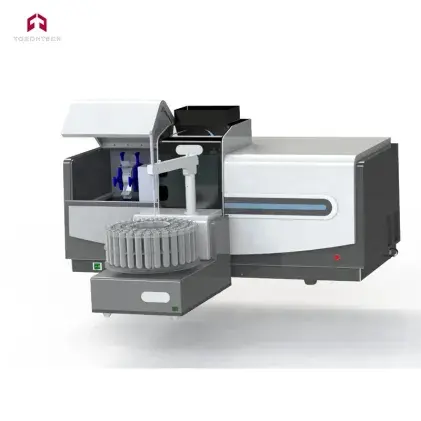
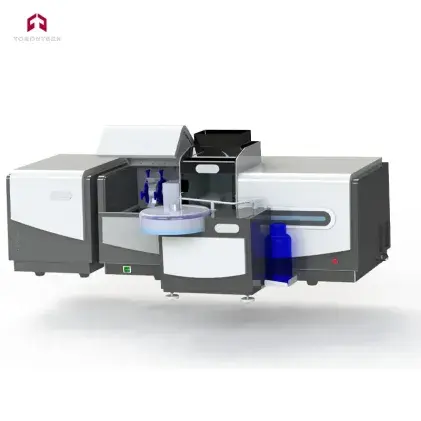
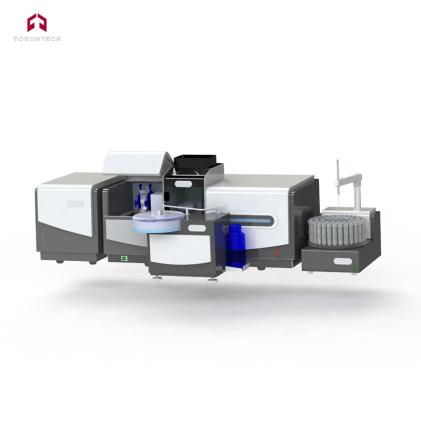
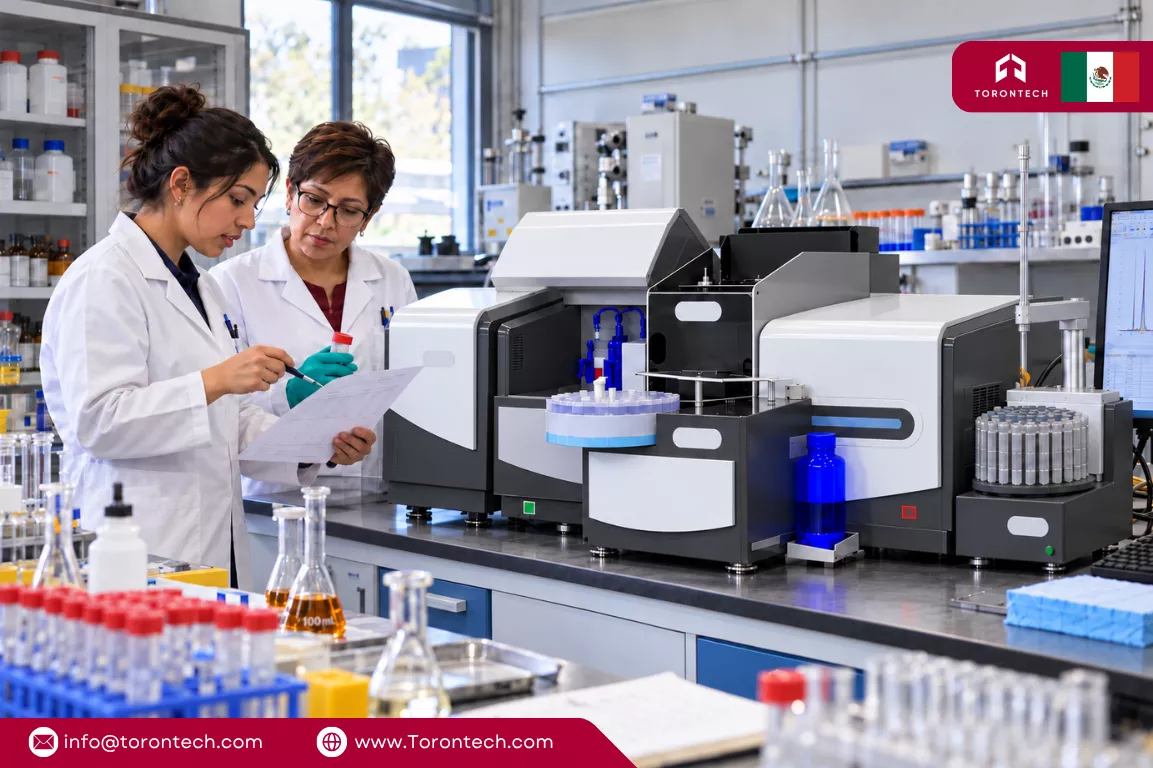
An atomic absorption spectrophotometer in Mexico gives these laboratories a proven, cost-efficient route to element-by-element results. Torontech supplies flame and graphite furnace AAS instruments configured for the sample types and regulatory limits that Mexican labs handle every day.
Why Mexican Labs Are Rethinking Metals Testing Capacity
Three federal standards drive most of the current demand. Each one sets limits that labs must verify, and each one pushes detection requirements lower than the rules it replaced.
The following table maps each regulation to the testing burden it creates:
| Regulation | What It Controls | Typical AAS Technique |
|---|---|---|
| NOM-127-SSA1-2021 | Drinking water quality, including lead and arsenic | Graphite furnace or hydride generation |
| NOM-001-SEMARNAT-2021 | Wastewater discharges to national water bodies | Flame for most metals, furnace for traces |
| NOM-117-SSA1-1994 | AAS test method for metals in food and water | Flame, furnace, and hydride methods |
NOM-127-SSA1-2021 became mandatory in April 2023. It sets lead at 0.01 mg/L and tightens arsenic limits toward 0.010 mg/L on a phased schedule. As a result, many municipal operators need lower detection limits than their flame-only systems deliver.
Similarly, NOM-001-SEMARNAT-2021 introduced a dedicated table of metals and cyanide limits that took effect in April 2023. Industrial dischargers now report parameters such as arsenic, cadmium, copper, and chromium more rigorously.
Matching an Atomic Absorption Spectrophotometer in Mexico to Your Sample Load
The right configuration depends on your lowest required detection limit and your daily sample volume. Torontech offers three models built on the same optical platform, so the choice comes down to atomization capability and automation.
| Model | Atomizer | Typical Fit |
|---|---|---|
| AAS3000F | Flame | Mine assay labs, fertilizer plants, routine copper and zinc work |
| AAS3000FG | Flame plus graphite furnace | Water utilities and environmental labs needing parts-per-billion results |
| AAS3000FG-Pro | Flame plus graphite furnace, Pro version | High-throughput contract labs and high-purity materials testing |
The AAS3000F flame model suits labs measuring metals at higher concentrations. It reaches a copper detection limit of 0.002 μg/mL, which covers ore grade control and most process samples.
For drinking water and discharge monitoring, the AAS3000FG adds a longitudinally heated graphite furnace. Its cadmium detection limit of 0.4 pg supports trace work, and the flame and furnace switch automatically without manual realignment.
Meanwhile, the AAS3000FG-Pro adds a visual observation system for the furnace. That feature helps analysts confirm sample injection and drying behavior on difficult matrices.
From Zacatecas Ores to Laguna Groundwater
Mexico remains the world's largest silver producer. Zacatecas leads national output of silver, lead, and zinc, while Sonora dominates copper. In these districts, flame AAS handles daily ore grade control and concentrate quality checks with low operating cost per sample.
Groundwater presents a different challenge. In the Comarca Lagunera, natural arsenic in aquifers exceeds the 10 µg/L limit in many wells around Torreón. Labs serving these utilities typically pair a graphite furnace or hydride generator with careful sample digestion.
Beyond mining and water, AAS also supports several other Mexican sectors:
- Food and beverage exporters: verifying lead and cadmium in raw materials and finished products
- Agriculture: analyzing soils and fertilizers for micronutrients such as iron, manganese, and zinc
- Third-party laboratories: running accredited methods for clients across multiple industries
Laboratories seeking EMA accreditation under ISO/IEC 17025 need traceable calibration and documented procedures. The optional audit trail software adds electronic signatures, user management, and data traceability to support those quality systems.
Features Suited to Mexican Lab Conditions
Field conditions vary widely, from humid Gulf Coast labs to remote mine sites in the Sierra Madre. Therefore, Torontech designed these instruments with practical features that keep them running reliably.
Key capabilities include:
- Gas-liquid separation system: maintains stable operation in high humidity or when gas supply runs low
- Oxygen-rich high-temperature flame (optional): analyzes aluminum, barium, molybdenum, and vanadium without nitrous oxide
- Hydride vapor generator (optional): extends analysis to hydride-forming elements such as arsenic and selenium
- Deuterium and self-absorption background correction: reduces matrix interference in complex digests
- Modular construction: allows fast part replacement, which matters when a lab sits far from a service center
- Eight-lamp turret: preheats multiple lamps at once, so multi-element runs start sooner
Plan Your Metals Testing Around Mexico's Regulatory Calendar
Mexico's water and discharge standards now demand lower detection limits and more frequent reporting. Labs that plan their instrument choice around those requirements avoid costly upgrades later.
Torontech can review your target element list, required detection limits, and sample matrices before recommending a configuration. Our team also advises on accessories such as autosamplers and hydride generators that match your daily throughput.
Reach out to the Torontech team to discuss the right AAS setup for your laboratory. You can also contact Torontech North America LLC at +1 866 383 7919 or info@torontech.com. Our corporate office is at 601 Brickell Key Drive, Suite 700, Miami 33131, USA (fax: +1 416 981 7652).