Catch Off-Spec Fuel Fast: Portable Octane and Cetane Tester in Brazil
A tanker of gasoline C reaches your distribution base, and the certificate says RON 94. A laboratory result takes days. By then, the product has already moved on to stations, and any off-spec fuel has become your problem.
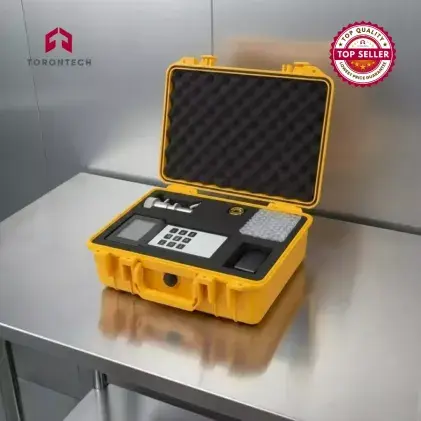
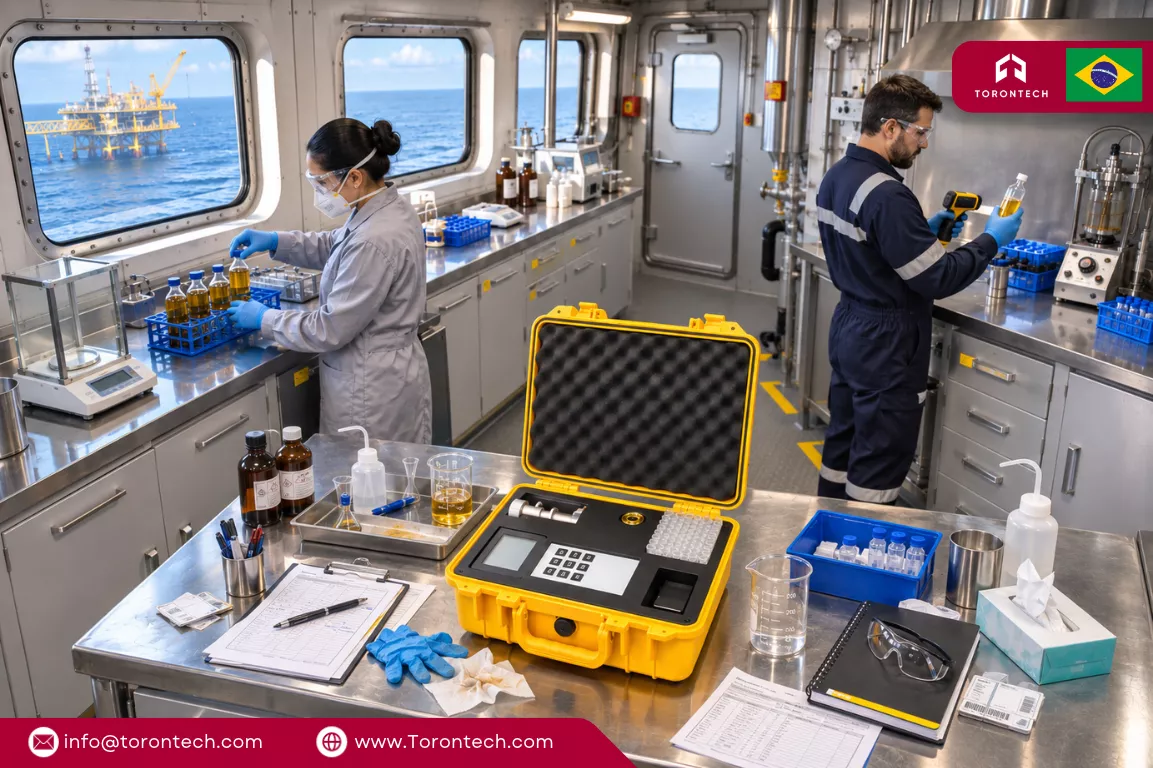
A portable octane and cetane tester in Brazil closes that gap. Torontech's Portable Octane and Cetane Tester TT-131 screens gasoline and diesel on the spot, without destroying the sample, so distributors, fleets, and inspectors can act before fuel moves.
Why E30 and B15 Raise the Stakes for Fuel Quality Checks
Brazil changed its fuel recipe on August 1, 2025. The National Energy Policy Council (CNPE) raised anhydrous ethanol in gasoline from 27% to 30%, and biodiesel in diesel from 14% to 15%.
Specifications tightened along with the blends. ANP Resolution 988/2025 lifted the minimum research octane number (RON) for regular gasoline C from 93 to 94. Meanwhile, the Fuel of the Future Law allows ethanol content to climb as high as 35%.
Each change gives blenders, distributors, and retailers a new number to hit. In addition, every transfer between refinery and pump adds a chance for contamination, mixing errors, or deliberate adulteration. Therefore, more checkpoints now need fast screening.
What the Portable Octane and Cetane Tester in Brazil Measures
The TT-131 reads the octane number of gasoline and the cetane number of diesel in one handheld kit. Octane number describes resistance to engine knock. Cetane number describes how readily diesel ignites under compression.
Importantly for this market, the instrument includes dedicated inspection modes for blended fuels. Its capabilities include:
- Gasoline modes: motor gasoline, ethanol gasoline, methanol gasoline, and aromatic gasoline
- Diesel modes: general diesel, blended diesel, and biodiesel
- Custom modes: five user-defined gasoline modes and five diesel modes
- Correction: one-point, two-point, or three-point correction against standard fuel samples
- Reporting: stored results and direct printing through a designated micro printer
- Field readiness: backlit display, battery indicator, automatic power-off, and a carry case
The custom modes matter here. Operators can build a mode around a characterized E30 or B15 reference sample, then correct readings against it. As a result, screening values relate to the fuel actually sold in Brazil.
Where the Tester Fits in Brazil's Fuel Supply Chain
Brazil moves fuel over long distances, from coastal refineries to agricultural frontiers in Mato Grosso and the North. Consequently, quality needs confirmation at several handoffs. The table below maps the main fuel grades to their ANP minimums.
| Fuel Grade | ANP Minimum | Who Typically Screens It |
|---|---|---|
| Regular gasoline C (E30) | RON 94 | Blending terminals, distributors, station networks |
| Premium gasoline | RON 97 | Distributors, premium retail brands |
| Diesel S10 (B15) | Cetane number 48 | Truck fleets, bus operators, agribusiness depots |
| Diesel S500 (B15) | Cetane number 42 | Rural distributors, farm and construction fleets |
Diesel deserves particular attention. Agribusiness, road freight, and mining fleets run high-value engines on B15, and low cetane shows up as hard starting, rough combustion, and higher maintenance costs. A depot check before unloading reduces that risk.
Screening in the Field, Confirming in the Lab
Official results in Brazil remain engine-based. Reference methods such as ASTM D2699 for RON and ASTM D613 for cetane number define the values that ANP specifications enforce. ASTM D613 also serves as the referee method in cetane disputes.
A portable tester does not replace those methods. Instead, it works as a rapid screening instrument that shows which loads deserve a closer look. Suspect samples then go to an accredited laboratory for confirmation.
ANP itself is moving in this direction. In September 2025, the agency approved a pilot project for in-field verification devices targeting biodiesel content and methanol, with flagged fuels sent for laboratory analysis. Its Fuel Quality Monitoring Program (PMQC) relies on 13 contracted laboratories.
Private operators can apply the same logic with the TT-131 portable fuel tester: screen first, confirm second. This approach extends coverage to every delivery while keeping laboratory budgets focused on real exceptions.
Practical Points Before You Buy
Brazilian operating conditions call for a few planning decisions. Consider the following:
- Ambient temperature: the instrument operates from -5°C to +30°C, so plan measurements in shaded or air-conditioned spaces during hot months.
- Humidity: the rating is 80% relative humidity at or below 25°C, which matters at coastal and Amazon sites.
- Power: AA batteries (6 V DC) suit remote depots without reliable mains power.
- Reference fuels: keep characterized standard samples on hand for periodic correction.
- Scope: choose the combined TT-131, the TT-LAB 132 for diesel cetane only, or the TT-LAB 133 for gasoline octane only.
Build a Faster Fuel Screening Routine With Torontech
Higher blends and tighter limits mean Brazilian fuel handlers verify more product, more often. A portable octane and cetane tester in Brazil gives your team a first answer at the truck, the tank, or the pump.
Torontech helps you match the instrument to your routine. That includes which model fits your fuel mix, how custom modes handle local blends, and how field screening sits alongside your laboratory testing.
Share your fuel grades, sampling points, and daily test volume, then contact the Torontech team for a quotation and configuration advice. You can also review the portable octane and cetane tester specifications before you reach out.