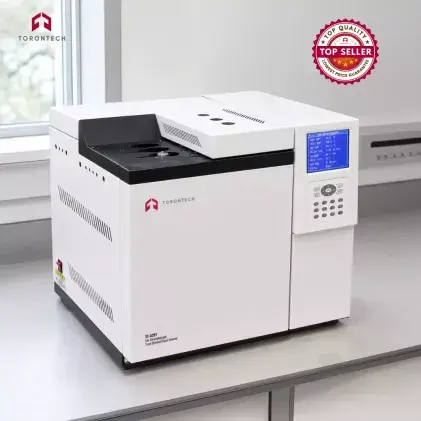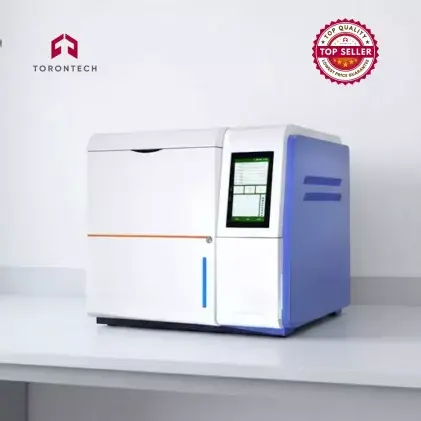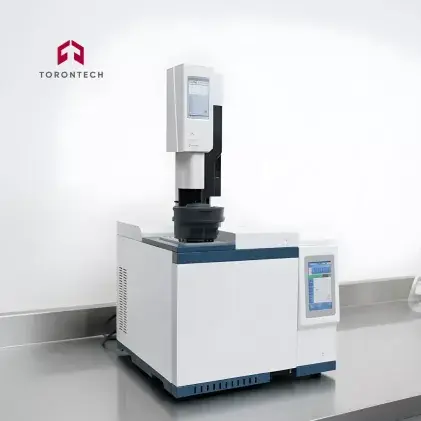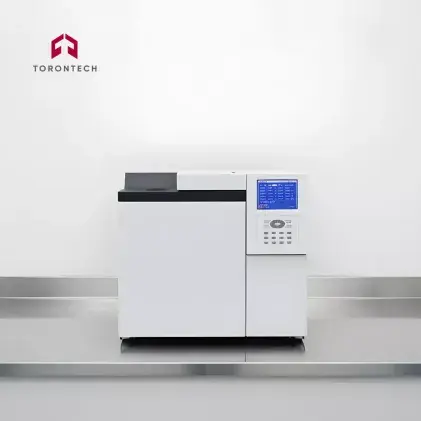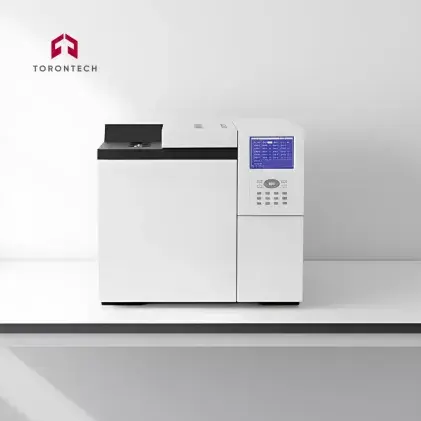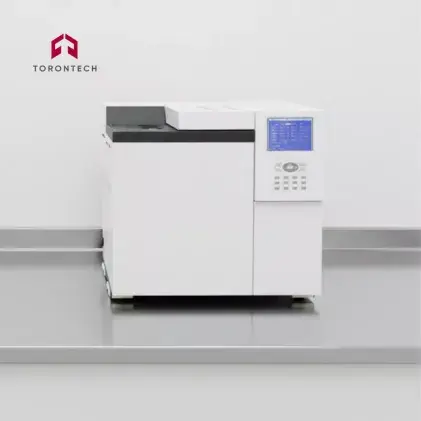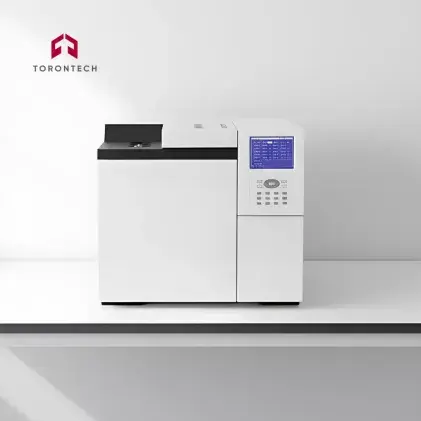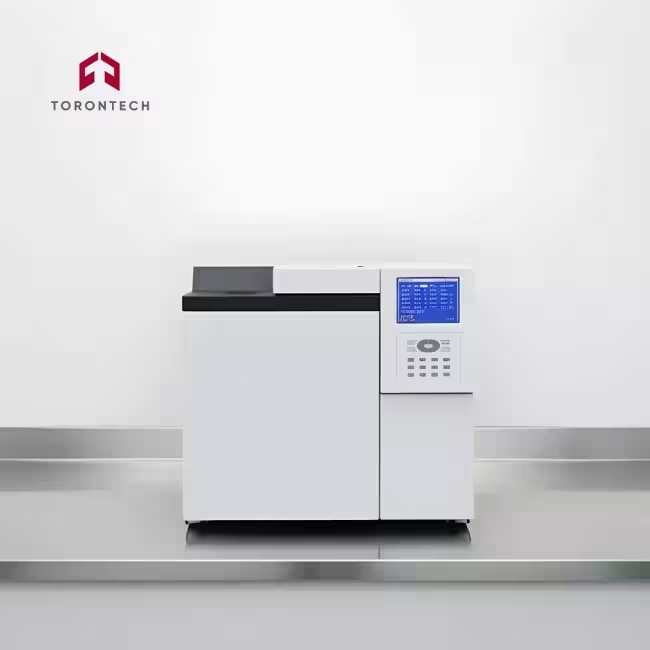
Gas Chromatography (GC Systems)
Gas Chromatography (GC Systems)
Gas chromatography (GC) is the gold standard analytical technique for the detailed compositional analysis of complex petroleum mixtures, gaseous fuels, and volatile organic compounds. By separating individual chemical species within a sample based on their interaction with a chromatographic column, gas liquid chromatography provides quantitative identification and measurement of specific compounds that cannot be distinguished by bulk physical property tests.
Torontech offers a specialized portfolio of petroleum-specific gas chromatography systems, each configured and validated for a specific petroleum product analysis application. Rather than general-purpose laboratory GC instruments requiring extensive user configuration, Torontech's GC systems are pre-engineered for their target application — delivering faster deployment, simpler operation, and immediately compliant results for critical petroleum analysis tasks.
Application
Torontech's gas chromatography systems address a wide range of specialized petroleum analysis applications:
- Dissolved gas analysis (DGA) in transformer oil: TOGA gas chromatography detects hydrogen, methane, ethylene, acetylene, and other fault gases dissolved in transformer insulating oil, enabling early fault diagnosis and transformer condition monitoring per IEC 60567 and ASTM D3612.
- Ethylene glycol contamination in used engine oils: GC detection of coolant leakage into engine oil, a critical diagnostic tool for engine condition monitoring and used oil analysis programs.
- Oxygenate analysis in gasoline: Gas chromatography determination of MTBE, ETBE, TAME, ethanol, and other oxygenate blending components in gasoline per ASTM D4815 and EN 13132.
- Naphtha detailed hydrocarbon analysis (DHA): Gas liquid chromatography characterization of naphtha composition for reformer feed assessment and petrochemical feedstock quality control.
- LPG hydrocarbon composition: GC analysis of propane, butane, and other hydrocarbon species in liquefied petroleum gas per ASTM D2163 and GPA 2186.
- Natural gas composition: Gas chromatography determination of methane, ethane, propane, C4+, CO2, and N2 in pipeline and process natural gas per ISO 6974 and ASTM D1945.
- Biodiesel quality analysis: Biodiesel GC systems quantify FAME content, free glycerol, total glycerol, and methanol in biodiesel per EN 14103 and ASTM D6584.
Why Choose Torontech's Series for Your Gas Chromatography Analysis?
Torontech's petroleum-dedicated gas chromatography systems offer significant advantages over general-purpose GC instruments for petroleum application laboratories:
- Application-Specific Configuration: Each Torontech GC system is pre-configured with the correct column, detector, carrier gas, temperature program, and calibration standards for its target petroleum analysis method — eliminating the time-consuming and error-prone method development typically required with general-purpose gas liquid chromatography instruments.
- Standards-Compliant Results: Torontech's GC systems are validated against the ASTM, EN, ISO, IEC, and GPA standards that govern each specific petroleum analysis application, ensuring results are immediately accepted for regulatory and commercial purposes.
- Specialized Petroleum Applications: From transformer oil fault gas analysis (TOGA) to biodiesel quality testing and natural gas composition measurement, Torontech's GC portfolio covers petroleum analysis applications that generic laboratory GC suppliers do not specifically address.
- Simplified Operation: Application-dedicated GC systems reduce operator training requirements and minimize method setup errors, enabling petroleum laboratory technicians to achieve expert-level results without specialized chromatography expertise.
- Comprehensive Petroleum Coverage: With seven specialized gas chromatography systems covering transformer oil, engine oil, gasoline, naphtha, LPG, natural gas, and biodiesel, Torontech's GC portfolio addresses a broader range of petroleum matrix applications than any competitor.