Audit-Ready Melting Point Apparatus for Saudi Arabia's QC Labs
A batch of active pharmaceutical ingredient sitting in a Jeddah warehouse cannot move to production until its identity is confirmed. For quality control managers across the Kingdom, an inconclusive or undocumented melting result means delayed release, idle inventory, and mounting storage costs.
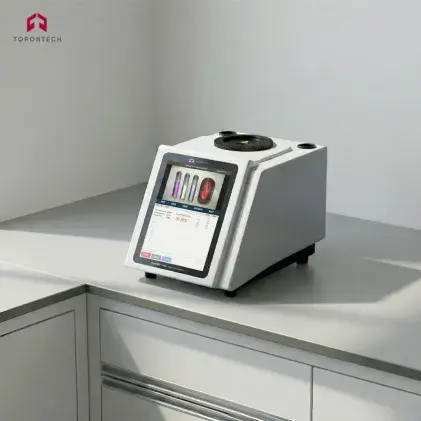
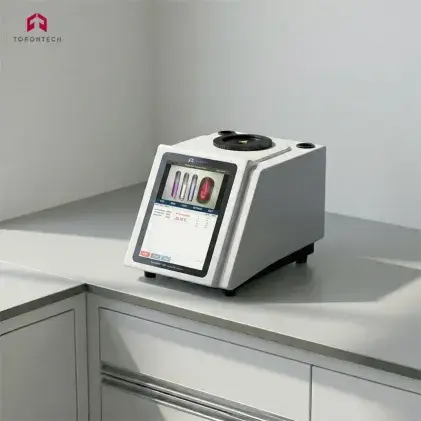
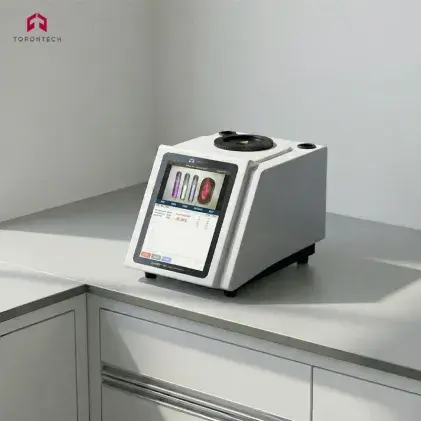
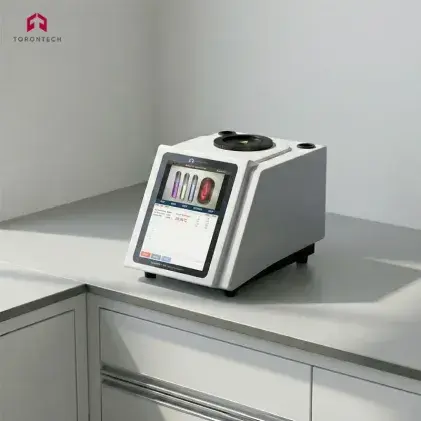
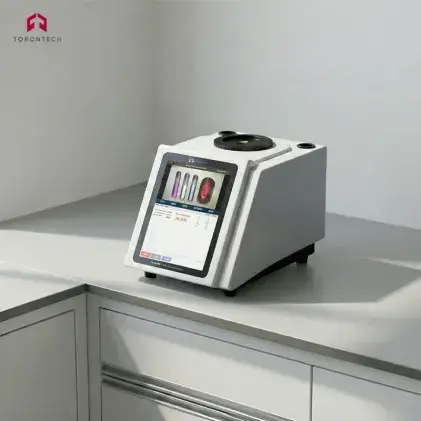
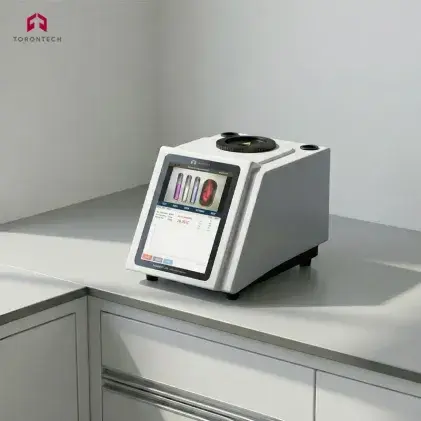
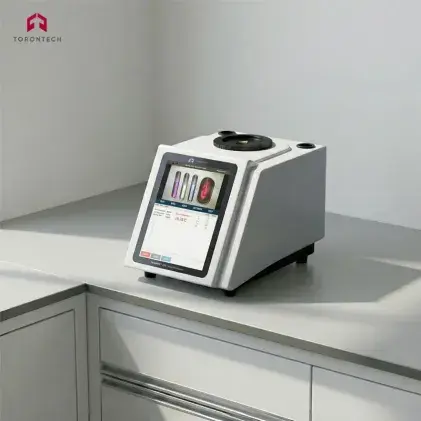
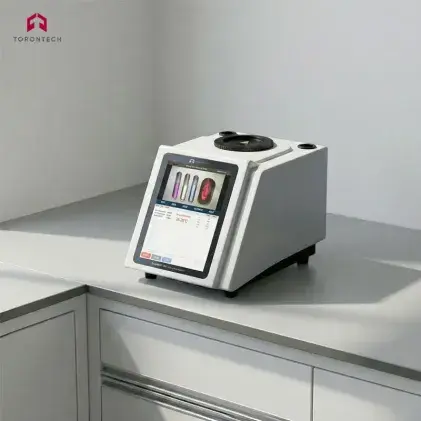
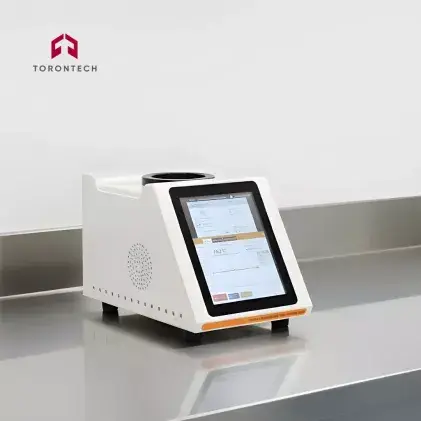
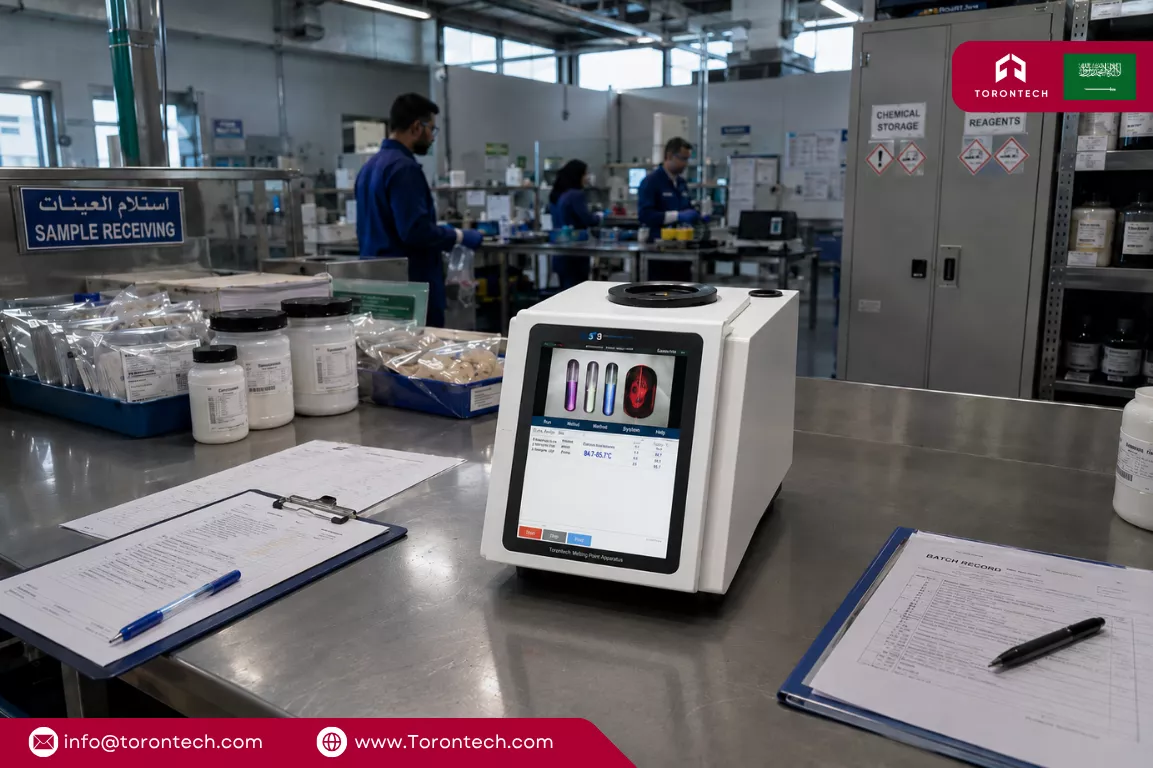
A melting point apparatus in Saudi Arabia gives pharmaceutical, petrochemical, and research laboratories the documented melting range data that regulators and production teams both require. Torontech supplies the ToronMPA™ series, video-based systems built for consistent detection and traceable reporting.
Melting Point Apparatus in Saudi Arabia: Where Demand Is Growing
Saudi Arabia's pharmaceutical sector is expanding fast. Vision 2030 targets a much larger share of domestically produced medicines, and manufacturers including SPIMACO, Tabuk Pharmaceuticals, and Jamjoom Pharma now operate across more than 50 SFDA-approved factories.
That growth extends upstream. The Kingdom's active pharmaceutical ingredient market is expanding as more producers localize raw material supply, and every incoming lot of API or excipient needs identity and purity confirmation before it reaches a formulation line.
Petrochemical and chemical producers add a second demand driver. Facilities linked to SABIC, Saudi Aramco affiliates, and independent petrochemical companies rely on melting behavior data to characterize polymers, waxes, and specialty chemical intermediates during incoming inspection and production QC.
Food, spice, and dye processors round out the buyer base. These industries use melting range trends as a routine identity check on organic crystalline raw materials, comparing incoming lots against internal reference ranges before releasing them into production.
How the ToronMPA™ Video-Based System Works
A prepared sample is packed into a capillary tube, inserted into a heating chamber, and heated at a programmed rate. A digital camera observes the sample continuously, replacing the subjective judgment calls that come with manual microscope readings.
The system captures the first visible melt and the final clear point, then reports the melting range alongside a timestamped video record. Programmable heating segments help standardize methods across shifts and material types.
That consistency matters in labs running multiple shifts with rotating analysts. A locked method removes guesswork over ramp rate or endpoint criteria, so a result from the morning shift matches a result from the night shift on the same material.
Useful capabilities for a busy QC lab include:
- Automated melt detection that reduces operator-to-operator variation
- Multi-segment temperature programs for different material classes
- PDF and Excel export for lab information systems
- Method locking to prevent unauthorized parameter changes
Meeting SFDA, ISO 17025, and SABER Requirements
The Saudi Food and Drug Authority regulates the safety and quality of pharmaceutical products sold in the Kingdom and recognizes PIC/S GMP guidelines for manufacturing oversight. Laboratories supporting SFDA-registered production need melting point results they can defend during an audit.
Many QC and research labs run melting range determinations under methods such as USP <741> and Ph.Eur. 2.2.14, the pharmacopeia procedures most manufacturers use as internal test methods. ToronMPA™ systems support that workflow with audit trail, e-signature, and MD5 file verification.
Laboratories pursuing ISO/IEC 17025 accreditation, a common requirement among Saudi testing bodies working with SABIC and Saudi Aramco, also need calibration records and traceable procedures that a manual, unrecorded melting point method cannot easily provide.
Sourcing a melting point apparatus in Saudi Arabia with built-in audit trail support removes much of that documentation burden.
Importing lab instruments into Saudi Arabia also means clearing the SASO product safety program. Shipments typically require registration through the SABER platform before customs release, so buyers should plan lead time for certification alongside procurement.
Choosing the Right ToronMPA™ Configuration
Match the instrument to your regulatory environment and sample volume. Key factors include automation level, temperature range, and the depth of data integrity features your quality system demands.
| Model | Automation | Temperature Range | Best Fit |
|---|---|---|---|
| ToronMPA™ 800 | Fully automatic, video-based | RT to 420°C | Regulated production with pharmacopeia-focused documentation |
| ToronMPA™ 600 | Automatic, manual compatible | RT to 420°C | High-throughput labs needing a broad temperature range |
| ToronMPA™ 300 | Fully automatic, AI-assisted | RT to 360°C | Routine QC with AI-assisted method setup |
| ToronMPA™ 100 | Semi-automatic, video-based | RT to 360°C | Core melting point workflows on a tighter budget |
Labs supporting NUPCO tenders or multinational contract manufacturing agreements typically choose higher-tier models for the audit trail and e-signature documentation those relationships demand.
Get the Right System for Your Saudi Arabia Lab
Saudi Arabia's push to localize pharmaceutical and chemical production is raising the bar on documented, defensible quality data, and melting point testing is one of the simplest places a lab can strengthen that record.
Whether the goal is SFDA registration, ISO/IEC 17025 accreditation, or faster batch release, the underlying need is the same: a result an auditor can trust.
Torontech ME FZE, the company's regional office in Dubai, supports customers across Saudi Arabia and the wider Middle East with configuration guidance and after-sales service. Reach the team directly at +971 488 19252 or me@torontech.com.
For a full technical consultation on temperature range, automation level, and documentation features, contact Torontech to match a melting point apparatus to your lab's testing volume and compliance requirements.