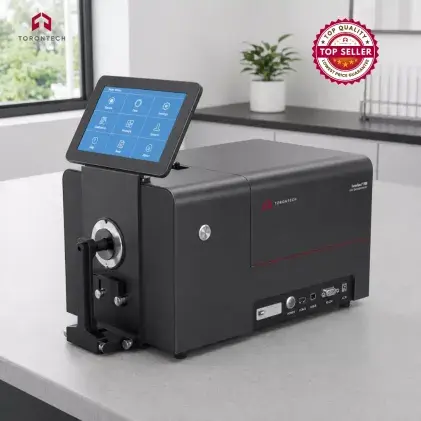
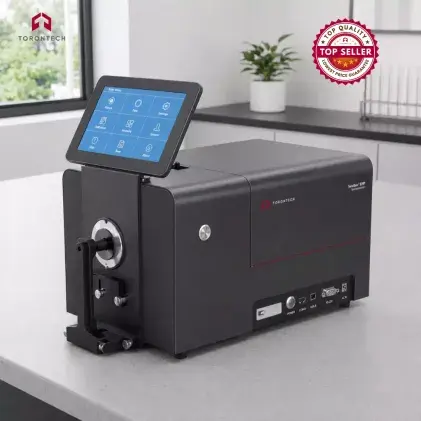
Selecting the Best Colorimeter for Coating & Paint Analysis
Nailing a flawless, head-turning finish on every batch is a massive win for your production. When the shade is satisfyingly spot on, your brand stands out as a total leader.
At Torontech, we know that hitting these marks keeps your clients coming back. Clever light-measuring tools make these perfect matches happen every day. Finding the best colorimeter for paint is your first move toward total success.
Key Takeaways
- Lock in the Win: Precise measuring tools ensure your colors are a total match every time. This keeps your quality high and your clients happy.
- Know Your Tools: Standard colorimeters are absolutely perfect for quick factory floor checks, while heavy-duty spectrophotometers handle the tricky lab formulas.
- Match the Gear to the Job: Getting the right aperture size or choosing non-contact scanners is critical for measuring bumpy textures or wet mixtures accurately.
- Follow the Global Rules: Choosing equipment that meets international standards (like ASTM and ISO) ensures your color data is respected everywhere.
The ROI of Using a Precision Colorimeter for Paint and Coating
Trying to judge a color with just your own two eyes is total guesswork. The way the sun hits the wall, the colors sitting in the background, and even how tired the person looking at the sample feels can totally mess with the results.
We’ve noticed that even the pros who’ve been doing this for decades can give different answers depending on the time of day or the light bulbs in the ceiling.
Picture a situation where a massive batch of office wall paint looks perfectly fine under your bright factory lights, but the second it dries under a client's harsh fluorescent office lighting, it turns completely green. Utilizing a dedicated colorimeter for coating kicks that guesswork and costly risk right out the door.
By turning a color into those fancy number-crunching formulas, such as CIELAB, Lab, and ΔE*, these tools let the people in charge set clear, no-nonsense rules for what’s a winner and what’s a dud. Research confirms that quantifying these metrics is essential for ensuring color quality and consistency in modern production.
We’re convinced that putting high-accuracy colorimeters for the paint & coating business to work is the smartest way for facilities to:
- Maintain Long-Term Consistency: Make sure the bucket you stir up today is a 100% twin of the one you made six months ago.
- Accelerate R&D Cycles: Spend way less time in the lab trying to nail that weird custom shade a client just asked for.
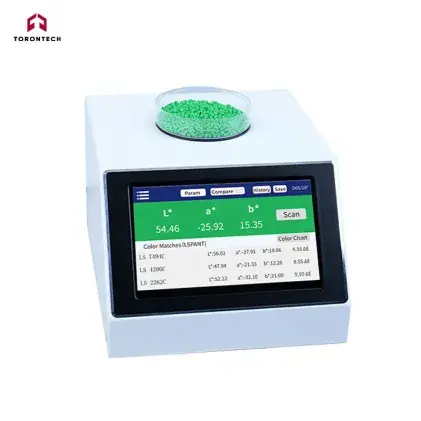
- Reduce Material Waste: Spot a funky batch early on before you have filled a thousand cans with the wrong stuff. Checking the wet mixture directly with a liquid-focused specialist like the ToronSpec™ TT-LC2 saves a massive headache later.
- Standardize Global Production: Make sure your different factories are churning out the exact same look using the same rock-solid data.
Colorimeter vs. Spectrophotometer: Technical Differences
People mix these two up all the time, but they serve different precision needs.
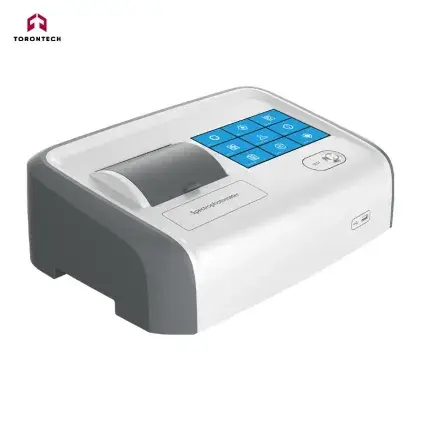
Think of a standard colorimeter for coating as a great tool for rapid, "looks-good-to-me" checks. But a spectrophotometer like the ToronSpec™ 820P is a real brainy machine meant for complex lab matching. Because it handles both reflectance and transmittance, it is the absolute required tool for analyzing tricky transparent plastic plates, petroleum, and precise printing ink.
When searching for the best colorimeter for paint, it is worth noting that we generally suggest spectrophotometers for high-stakes R&D, while colorimeters are the win for quick floor-side spot checks. Multi-angle devices are often necessary to handle complex surfaces, such as metallic automotive paints, enabling precise quality control and batch corrections.
For a deeper look at which tech fits your facility, check out our other big guide: Colorimeter vs Spectrophotometer: Key Technical Insight
Essential Attributes of Colorimeters for the Paint & Coating Industry
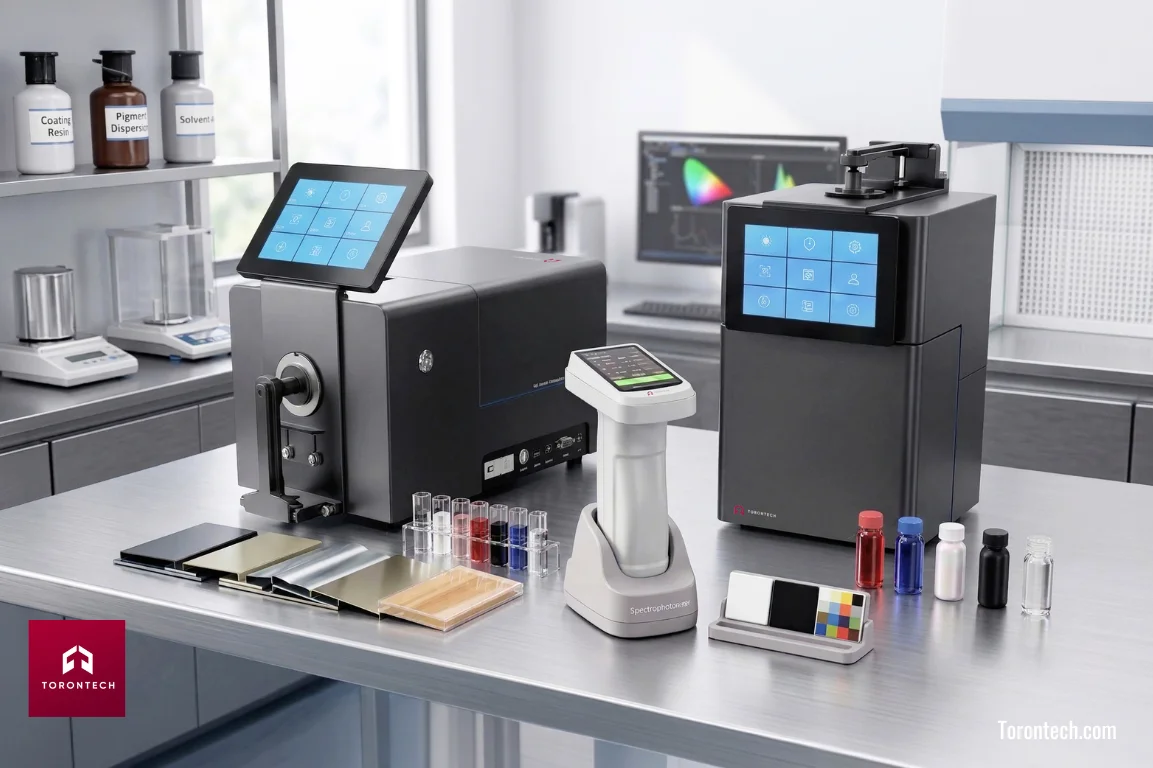
When you are shopping for new gear, not every gadget is built the same. We think you should focus on these big points to make sure you are buying something that will last:
Portable Handhelds vs. Benchtop Analyzers
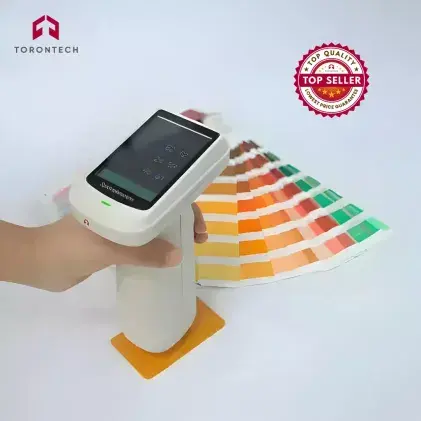
If your team needs to do quick checks on a car frame or a giant wall that is not moving, you need a gadget you can actually carry around. Handheld colorimeters for the paint & coating floor, like the ToronSpec™ 700D, are fantastic for being mobile.
Recent advances have even enabled cost-effective solutions that can estimate CIELAB values from RGB data, expanding accessibility for on-site measurements. But we will stand by our opinion; for the most serious lab work, nothing beats the steady, rock-solid feel of a heavy-duty bench unit like the ToronSpec™ 800 Series.
Read more: Choosing a Handheld vs Benchtop Colorimeter
Aperture Size and Surface Texture
We see it all the time: folks getting wonky readings because that little circular window on the machine was way too small for the bumpy texture of the paint. Picking a tool with the right size window makes sure you are getting a true look at the surface, not just a tiny, skewed speck.
Think about trying to measure a bumpy exterior stucco or a hammered metal finish; a tiny window simply will not get the job done. That is exactly why we suggest grabbing something like the ToronSpec™-LA, which packs a massive 50mm window specifically for those bumpy textures.
Inline Non-Contact Measurement
Checking wet paint or a fresh layer that has not dried yet is a bit of a nightmare. From what we’ve seen, "don't-touch" units like our Online Color Sensor are an absolute must-have for fast-moving lines. Consider scanning freshly sprayed, sticky aluminum parts flying down a conveyor belt. They keep things clean and give you data in a snap without stopping the whole show.
Data Connectivity and Digital Integration
Everything is being run by computers these days. We are sure the best colorimeter for paint should not just show you a number. It should save it, track it, and talk to your PC so you can show the big bosses exactly how good your work is. Integration with internet-based color management platforms supports real-time quality assurance in production environments.
Global Compliance (ASTM, ISO, CIE, AATCC)
Buying gear that follows the global rulebooks is, in our opinion, a total must. It means your numbers are respected everywhere and you won't get caught out by a picky client. To stay completely competitive, your tools need to hit both the general industry baselines and the specific performance marks our units provide:
- ASTM Standards (D2244 & E313): While D2244 is the general baseline for calculating color differences, our specific gear locks in ASTM E313 compliance for measuring exact whiteness and yellowness. If your machine misses these marks, your data won't hold water in a serious dispute.
- ISO Standards (7724 & 2470): You need the general ISO 7724 for paint measurement, but our units also deliver ISO 2470 compliance for specific reflectance. Hitting these standards ensures your products pass inspection whether you are shipping next door or across the ocean.
- CIE and AATCC Rules: Keeping your quality checks completely airtight across borders means meeting the exact color space marks set by the CIE and the strict colorfastness rules of the AATCC.
Reliable calibration methods are vital to ensure reproducibility across different lighting conditions and materials.
Recommended Torontech Solutions
At Torontech, we’ve put together a lineup of gadgets that are built specifically for the tough work of the coating world. Since we already covered the big heavy-hitters above, here are a few extra tools that work like a charm for complete quality control:
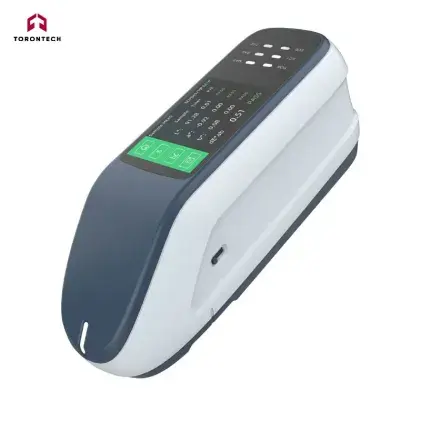
- ToronSpec™ 23/25/26D Series: Handheld wonders with extra precision. We are big fans of these for anyone who needs lab-quality numbers while walking the assembly floor.
- ToronHaze™ (TTH-Series) and Gloss Meters: A perfectly matched color looks terrible if the shine is wrong. These make sure your clear coats are totally flawless and crystal clear.
- TT-M60 Light Booth: We think you should always pair your digital tools with a color matching cabinet so you can see how things look under "real" lights and avoid any nasty surprises.
Partner with Torontech for Quality Excellence
Finding the best colorimeter for paint work shouldn't be a massive headache or a total drain on your funds. We are totally sure that the right partner makes picking gear that works like a charm a walk in the park.
Torontech has spent two decades in North America helping folks get their batches right. We take huge pride in offering cost-effective and innovative technologies that keep your wallet happy without cutting corners on results. In our view, getting the right color tools is the only path toward keeping your brand looking sharp.
Ready to quit the guesswork? Check out our full pile of Color, Paint, and Coating Test Equipment today or give our crew a shout to get your facility sorted.
References:
- Colorimetry (2022).
- Gangakhedkar, N. (2010). Colour measurement of paint films and coatings. 279-311.
- Sáez-Hernández, R., Luque, M., Morales-Rubio, Á., Cervera, M., & Mauri-Aucejo, A. (2024). A smartphone image-based method for the colorimetric characterization of historical pigments in mural paintings. MethodsX, 12.
- Zhu, Y. (2020). Colorimetry. Reports on Progress in Physics, 41, 469 - 510.