Guide to the IEC 60794 Standard for Fiber Cables
Your network is only as sturdy as the cable protecting it.
While most focus on data speeds, the physical guts matter most. To survive gritty dirt or a blistering sun, sticking to the IEC 60794 standard is a total must for anyone making or checking fiber quality.
Clearing up the confusion between IEC 60793 vs IEC 60794 is the first step toward picking the right gear to make sure your cables are as tough as nails.
Key Takeaways
- The Ultimate Physical Rulebook: IEC 60794 focuses purely on the physical toughness and environmental survival of complete fiber optic cables.
- Cable vs. Bare Fiber: While IEC 60793 makes sure the bare glass transmits light perfectly, IEC 60794 ensures the thick outer jacket keeps those delicate fibers safe from physical damage.
- Protecting the Bottom Line: Following these rules is a smart financial move to prevent massively expensive network outages in high pressure 5G and data center setups.
- Mandatory Stress Tests: Earning certification means passing a gauntlet of intense physical checks like heavy pulling, severe crushing, and extreme weather cycling.
- Smart Equipment Matters: Investing in affordable, high precision testing gear guarantees your products are ready for the field without draining your budget.
Overview of the IEC 60794 Standard
The IEC 60794 standard is basically the global rulebook for how much physical stress and outdoor exposure a fiber cable can manage before it gives out.
These standards do not exist in a vacuum. IEC 60793 and IEC 60794 sit at the center of a much larger ecosystem, acting as the foundation that makes sure products from completely different vendors play nicely together while meeting strict safety and performance needs.
While other rules worry about how clear the signal is, IEC 60794 is all about how the cable holds up when things get messy in the field. We see it as the bridge between a fancy drawing on a screen and a piece of equipment that actually works in the harsh conditions of the real world.
Guided by groups like IEC TC 86 SC 86A, this standard lays out exactly how to stress, pull, and freeze these cables to see if they will survive years of being stepped on, twisted around sharp corners, or left out in a freezing storm.
IEC 60793 vs. IEC 60794: Technical Distinctions
| The Focus | IEC 60793 Rules | IEC 60794 Rules |
|---|---|---|
| Primary Target | Just the naked glass strands. | The whole wrapped-up cable assembly. |
| Key Criteria | How well light zips through the core. | How much weight and weather it can handle. |
| The Main Goal | Keeping the signal crisp and clear. | Making sure the physical cable stays in one piece. |
| Parts Being Tested | The glass core and its thin coating. | The outer skin, the armor, and the structural guts. |
A lot of folks in the buying and testing space get these two mixed up. Here is how we see it:
IEC 60793 is all about the naked fiber. It defines the exact test methods for the optical, geometrical, and mechanical properties of the individual glass or plastic strands. This includes laying out product specifications for single-mode and multimode fiber families like OM2–OM5, and it regularly serves as the base for national adoptions like Ukraine's DSTU IEC 60793.
IEC 60794 is about the jacket protecting those fibers. It looks at how the entire bundle, including the tough outer skin, the metal armor, and the protective tubes, stands up to a heavy beating. This standard is the go-to reference for checking the mechanical and environmental performance of complete cables, including specialized gear like OPGW and power-line optical cables.
We have noticed that while everyone wants a fast signal, it is the physical protection that keeps your investment from going down the drain. Basically, IEC 60793 makes sure the light is perfect, while IEC 60794 makes sure the cable doesn't get crushed into dust once it hits the ground.
Core Applications for IEC 60794 Cables
These rules cover a massive range of gear. We usually split IEC 60794 optical fiber cables into three buckets based on where they are going to spend their lives:
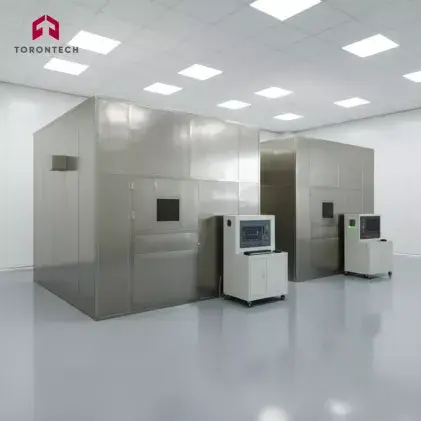
- Indoor Fiber Cables: These need to be flexible enough for tight spaces and shouldn't turn into a torch if there is a fire. Picture threading a thick bundle of lines through the crowded, sharp-cornered ceiling grid of a twenty-story office building without snapping a single glass core. That is exactly why gear like our Optical Cable Fire Resistance Tester (Model: TTOFTFS-2000) gets a heavy workout making sure these cables can take the heat.
- Outdoor Fiber Cables: These are built to handle nasty weather, blistering sun, and soaking wet soil. Think about a line strung across a windy, ice-covered mountain valley or buried deep in a rocky, waterlogged trench alongside a busy highway.
- Drop Fiber Cables: These are the ones that bring the internet that "last mile" to a customer's front door. Consider the line running from the neighborhood telephone pole directly to a suburban house, getting whipped around by every passing thunderstorm and chewed on by local squirrels.
Whether your cable is hanging off a utility pole or buried in a deep hole, it has to pass specific hurdles. We are big believers that picking the right ways to test for each specific environment is just as vital as the way you built the cable in the first place.
Critical Role of IEC 60794 in 5G and Data Center Projects
With 5G popping up everywhere and massive data centers growing like weeds, there is a ton of pressure on fiber setups. Companies are putting down miles of new cable every day, and that means the physical toughness of these lines is being pushed to the absolute limit.
In our eyes, sticking to the IEC 60794 standard is a smart financial move for any business looking to grow. Consider the actual fallout of a failed setup. A single crushed fiber line running under the floorboards of a heavily trafficked server facility can easily cause thousands of dollars in lost operational hours while technicians scramble to find and fix the break.
Doing the hard work of testing now keeps your network from going dark later on. Nobody wants to spend an absolute fortune digging up and replacing broken lines that could not handle the pressure of the job.
If you want your tech to actually work over the long haul, you need a solid foundation that won't crack under stress.
Essential IEC 60794 Compliance Tests
To get the thumbs up, manufacturers have to put their cables through a gauntlet of physical and weather-based challenges. Here are the ones we think are the real heavy hitters:
Tensile Performance Testing (Method E1)
Checking how hard you can yank a cable during setup before the fibers inside start to fail.
Picture a heavy-duty winch dragging a kilometer of line through a tight underground pipe. If the outer jacket stretches too much, the brittle glass inside snaps. Researchers have recently used IEC 60794 rules to qualify new power-line cables against extreme tension and corrosion.
Read more: Guide to Fiber Optic Tensile Strength & Testing
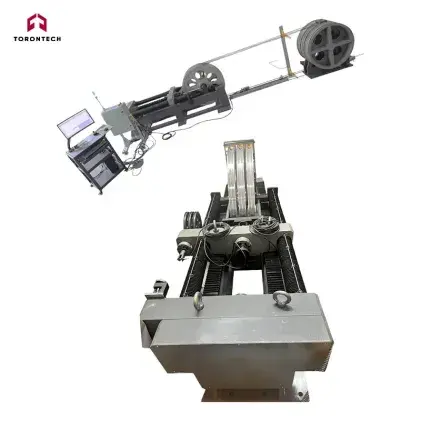
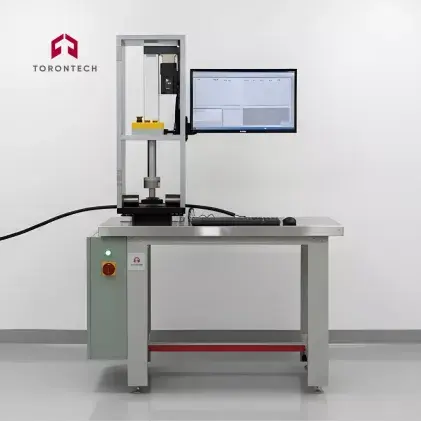
To guarantee these lines can take a serious stretching in your own lab, shops rely on setups like our Optical Fiber Cable Tensile Tester – Indoor & Outdoor Combo (Model: TT-OFCT-IDOD).
Crush Resistance Testing (Method E3)
Seeing if the cable can handle being flattened by heavy junk or trucks if it is buried underground. Think about a massive backhoe rolling directly over a freshly laid, poorly marked dirt trench.
We built the Optical Fiber Cable Crush & Cut through Testing Machine (TT-OFCCC Series) specifically to replicate that exact kind of heavy, destructive pressure.
Impact Resistance Testing (Method E4)
Dropping heavy weights on the cable to see if it can take a surprise hit without snapping. Consider a clumsy contractor dropping a heavy steel wrench straight from the top of a tall ladder onto an exposed line below.
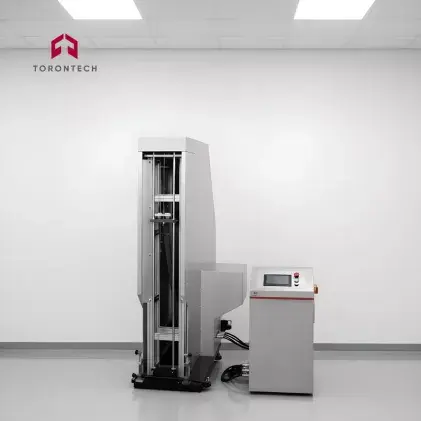
Tools like the Optical Fiber Cable Impact Testing Machine (TT-OFCI Series) drop the hammer in the lab so you do not get awful surprises in the field.
Temperature Cycling and Stability (Method F1)
Bouncing the cable between freezing cold and blistering heat to make sure it doesn't warp or degrade. Think about a line sitting out in the desert sun during a hundred-degree afternoon, then dealing with near-freezing temperatures by midnight.
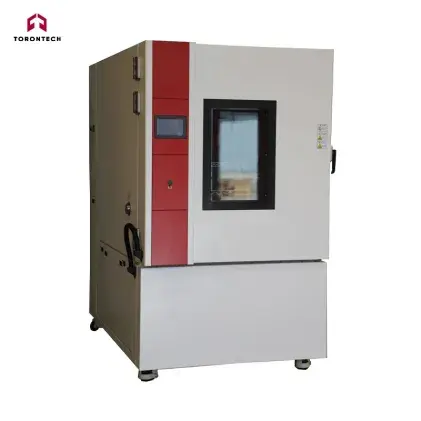
Throwing the cable into our Compact Temperature Cycling Chamber (TTOFTCC-1000 Series) proves it can survive those brutal weather swings.
Water Penetration Resistance (Method F5)
Making sure water can't sneak inside, which is an absolute dealbreaker for cables underwater or out in the rain. Picture a flooded underground utility vault sitting in standing water for six months out of the year.
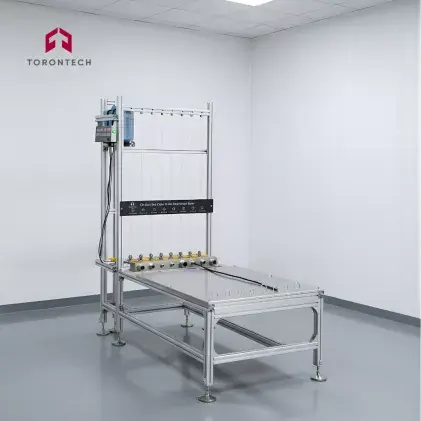
That muddy water absolutely cannot be allowed to reach the glass. Running it through the Optical Fiber Cable Water Penetration Tester (Model: TT-OFCWP) confirms your weatherproofing is actually waterproof.
Testing Solutions: The Torontech Advantage
Testing for IEC 60794 means you need gear that is spot-on and won't quit on you. Being based in North America, we totally get that you need to keep things high-quality without burning through your whole budget.
Our whole vibe is about giving you smart, affordable gear that uses fresh technology to get the job done right. We build our machines to be just as precise as the overpriced brands, but at a price that actually makes sense for your bottom line. We think everyone making quality cables should be able to afford top-tier testing gear that gets the job done.
Our lineup of testers has you covered:
- All-in-One Pull Testers like our TT-OFCT-IDOD model for both indoor and outdoor jobs.
- Squish and Cut-through Machines (the TT-OFCCC Series) that crush with total precision.
- Smack, Twist, and Bend Testers (including the TT-OFCI and TT-OFCRB lines) to simulate serious physical abuse.
- Small-but-Mighty Temperature Chambers like the TTOFTCC-1000 Series to bake and freeze your samples.
Every machine we make comes with easy-to-use software and parts that are built to last, making it a breeze to follow the IEC 60794 rules and stop guessing if your cables are good enough for the market.
Related article: OFC Kink Test: A Guide to Cable Durability
Trust Torontech for Reliable IEC 60794 Compliance
Getting your cables up to the IEC 60794 standard is the best way to prove they are ready for the real world. We are 100% sure that if you get a grip on these tough requirements and get the right tools in your lab, you can stand behind your products with total confidence.
If you are ready to step up your quality checks, Torontech is in your corner. We have been at this for over twenty years, and we are experts at getting you the smart, budget-friendly tools your shop needs to stay ahead of the pack.
Want to make your testing a whole lot easier? Check out our full stack of high-performance Optical Fibre Cable Testers right here and give us a shout for a quote that fits your needs!
References (Click to expand)
- De-Dong, S. (2003). The comparison between the standard of electric power industry for Optical fiber composite overhead ground wires (OPGW) and others. Telecommunications for Electric Power System.
- Juan, D. (2006). An Outline of Standards for Optical Fibers and Fiber Optic Cables. Optical Fiber & Electric Cable and Their Applications.
- Katok, V., & Krivutsa, V. (2005). Fundamental trends of optical fiber cables standardization. Proceedings of 2005 7th International Conference Transparent Optical Networks, 2, 217-220 Vol. 2.
- Madinov, M., & Rudenko, N. (2024). Standards as a basis for information and communication technologies. INNOVATIVE TECHNOLOGIES AND SCIENTIFIC SOLUTIONS FOR INDUSTRIES.
- Matsui, T., Yamada, Y., & Araki, N. (2020). Standardization Activities for Optical Fiber and Cable Technology in International Electrotechnical Commission. NTT Technical Review.
- Nai-Ying, X. (2007). Discussion on the power line optical cable with fibers in aluminum extruded tube. Telecommunications for Electric Power System.