Inorganic Sample Preparation Systems
Inorganic Sample Preparation turns real-world solids and liquids into analyzable solutions for metals and elemental testing. The right prep method helps reduce matrix effects, improve recoveries, and keep results consistent across batches. Torontech’s lineup supports both open-vessel hot plate digestion and closed-vessel microwave digestion, so labs can match the workflow to the sample type, throughput, and method requirements.
Introduction of Inorganic Sample Preparation
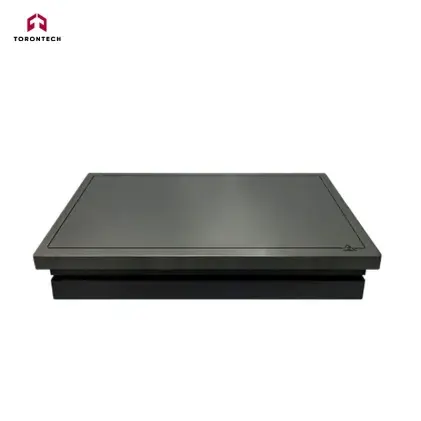
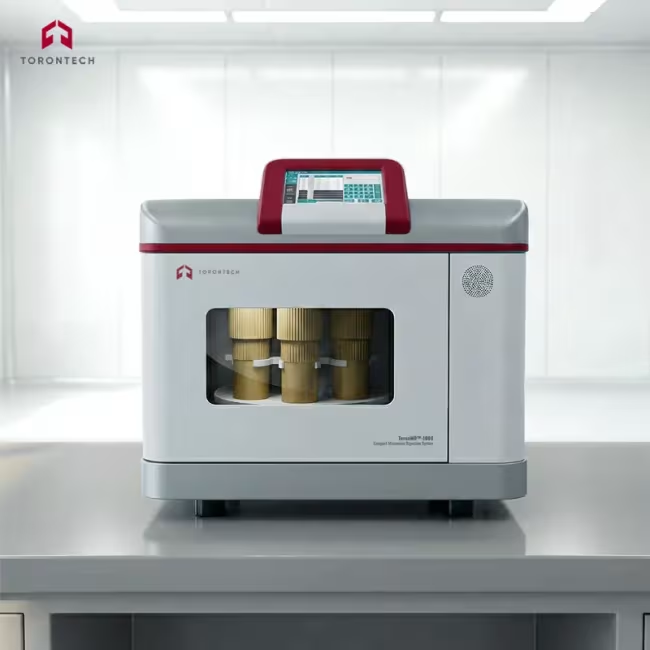
Many elemental analysis need a clean, stable digestate. Sample prep often includes acid digestion, controlled heating, evaporation, and dilution before ICP-OES, ICP-MS, or AAS runs. Open-vessel digestion on a hot plate can be a practical choice for routine acid digestion and concentration. Closed-vessel microwave digestion helps accelerate decomposition and can improve control for challenging matrices. Torontech supports both approaches through systems like the ToronHP Series and ToronMD Series.
Common Industries That Need Inorganic Sample Preparation
- Environmental testing
- Soil, sediment, sludgtes, and waste samples often require digestion before metals analysis and compliance reporting.
- Water and wastewater labs
- Industrial wastewater, leachate, and high-solids water samples may need contropare for trace elements testing.
- Food and feed safety
- Digestion supports heavy metals screening, nutritional element checks, and routine atrices.
- Metals, alloys, and manufacturing QA
- Metal powders, alloys, and engineered materials are commonly digestecks, contamination screening, and process control.
- Petrochemical and energy
- Petroleum-derived and difficult industrial samples often need controlled digestuce reruns and shorten turnaround time.
- Plastics, polymers, and consumer products
- Elemental screening supports additive verification, contaminatqualification, and failure investigations.
- Geology and mining
- Rocks, ores, and mineral-rich matrices can require higher-energy digestion workflows ling and process sampling.
Key Features
- Flexible digestion approaches for different labs
- Hot plate digestion systems support opgestion and sample evaporation, while microwave digestion systems support faster decomposition with tighter control on difficult matrices.
- Uniform heating and controlled temperature management
- ToronHP hot plates focus on consistent surface heating with digital PID control and high corrosion resistance. ToronMD microwave systems add non-contact temperature monitoring and method control to help keep conditions consistent across vessels.
- Safety-focused operation for harsh chemistry
- Microwave digestion models in the brochure emphasize multi-level safety protections, vessel pressure control, and designs intended for safer routine digestion.
- Scalable throughput
- By working area and configuration for different workloads. Microwave digestion options scale from compact batch processing to higher-throughput systems depending on lab demand.
Why You Should Choose Torontech?
Torontech offers an inorganic sample preparation lineup that fits both routine and demanding digestion work. Labs can start with an open-vessel hot plate platform for day-to-day digestion and evaporation, then expand into microwave digestion when speed, control, and batch consistency matter more. Product families are positioned to support common compliance methods and real lab woeparation steps before ICP-OES, ICP-MS, or AAS. The category structure also makes it easier to choose a system based on sample type, throughput, and safety expectations.