The Ultimate Guide to Print Densitometers
What if you could guarantee exceptional color consistency on every single print job?
For today’s print professionals, the answer lies in moving beyond subjective visual checks and embracing a tool that provides hard data: the densitometer. Whether your work involves commercial paper, corrugated packaging, flexible plastics, or even decorated metals, precise ink application is the key to a successful and profitable outcome.
This guide will clarify what these devices do and which modern features we believe provide a true operational advantage for your business.
Key Takeaways
- Objective Quality Control: A densitometer completely replaces subjective visual guessing with hard numerical data by measuring exactly how much light your printed ink absorbs or reflects.
- The Right Terminology: Make sure you know the exact difference. A densitometer checks optical print density, while a densimeter checks the physical weight of liquids in industrial settings.
- The Best of Both Worlds: Modern pressrooms rely heavily on hybrid color spectro-densitometers. These highly capable tools measure both basic ink thickness and highly specific color targets at the exact same time.
- Faster Return on Investment: Relying on precise optical measurements drastically cuts down your expensive setup waste and provides the exact numbers your shop needs to confidently pass strict industry certifications like G7 and FOGRA.
What Is a Densitometer for Printing?
At its very foundation, a densitometer acts as an incredibly observant optical instrument that measures the optical density of ink on printed materials. It focuses entirely on a single, highly specific job: quantifying precisely how much light is absorbed or reflected by the ink layer to fully assess print quality.
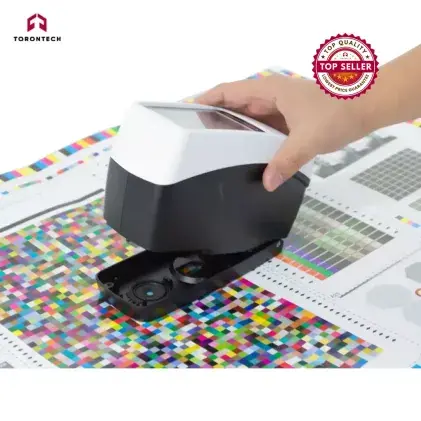
It functions by throwing a tightly focused beam of light right onto a printed patch, then calculating precisely the amount of that light the ink manages to swallow up. This straightforward process hands you a solid, indisputable number. That number clearly states whether your ink film thickness is perfectly on the mark, laid down way too thick (which basically guarantees messy smudges down the line), or applied far too thin (leaving the final image looking weak and washed-out).
We view this specific piece of hardware as the ultimate referee in the shop, serving as the one exact tool that instantly shuts down any lingering arguments over whether a specific color patch actually hit the required target.
Terminology Check: Densimeter vs. Densitometer
A frequent point of confusion comes from two very similar-sounding terms: densimeter and densitometer. They perform different functions for entirely different industries.
- Densitometer (Optical Density): This is the device for the graphic arts. It measures light absorption to determine the density of ink on a substrate.
- Densimeter (Physical Density): This is an instrument for lab or industrial settings. It measures the physical mass density, or specific gravity, of a liquid.
For any application involving quality control for ink on a substrate, the correct instrument is a densitometer.
The Two Main Types of Densitometers
There are two primary categories, and the right choice is determined by the specific physical materials you feed through your presses every single day.
Reflection Densitometer
This version stands as the most common sight on shop floors across the printing industry. It operates by capturing the specific amount of light that actively bounces right back off an opaque surface, making it the perfect match for completely solid, non-transparent materials.
Think about the everyday consumer goods rolling off the line, such as a brightly colored cereal box, a heavy-duty direct mail catalog, or a standard glossy corporate brochure. The reflection model handles all of these solid backgrounds perfectly.
Transmission Densitometer
Instead of looking at bounced light, this version measures the exact volume of light that manages to pass straight through a transparent or semi-transparent piece of material.
The light source actually sits on one side of the material while the sensor waits on the other. Common examples of where you absolutely need this setup include checking a clear plastic snack wrapper, a see-through beverage bottle label, or one of those glowing backlit displays you often spot inside retail stores.
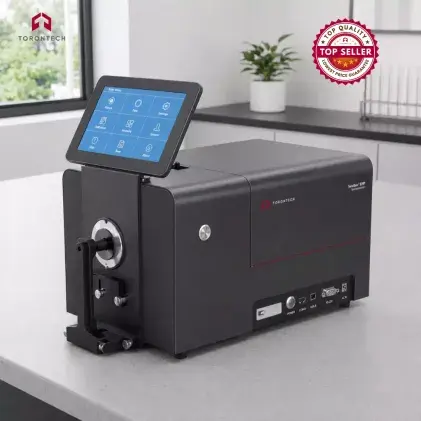
If your facility requires deep spectral data rather than just density for these clear materials, operations typically secure a Benchtop Spectrophotometer ToronSpec™ 820P for Reflectance and Transmittance.
How Densitometers Improve Print Quality Control
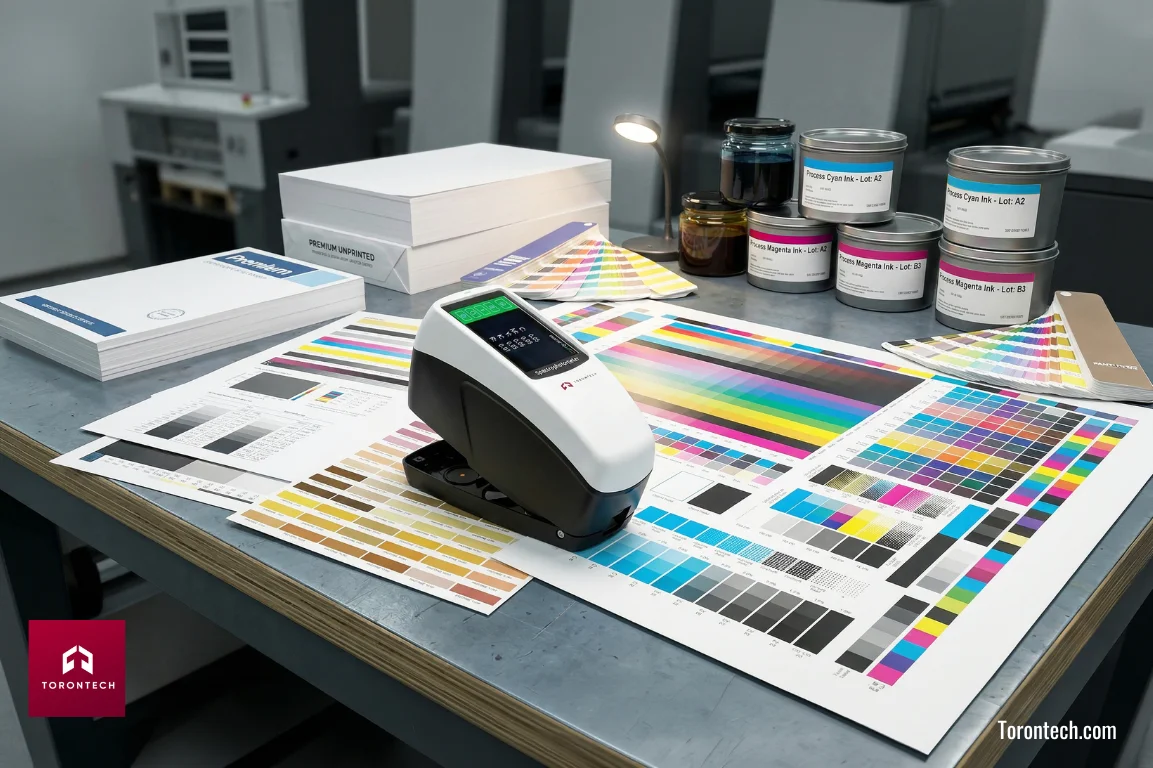
Integrating a modern reading device into your daily workflow accomplishes far more than simply adding another piece of shiny equipment to the bench; it acts as an incredibly smart strategic move. The financial return on this particular hardware purchase, from what we regularly observe, is one of the absolute quickest you'll ever see in the quality control space.
Achieve Key Industry Standardizations
Advanced devices hand over the exact spectral figures required to secure and hold onto strict global certifications like G7, FOGRA, and ISO 12647. Earning these badges gives your demanding buyers total, unwavering confidence in your shop's daily output, especially regarding strict color matching across long print runs.
Reduce Makeready Waste
We frequently notice shops completely misjudging the massive financial drain caused by painfully slow setups.
Consider preparing a complex, multi-color packaging run. Trusting human eyes to check the sheets often means burning through hundreds of expensive, premium-grade sheets while the operator guesses at the right ink key tweaks.
A proper measuring device hands over exact numerical targets right away, aggressively chopping down that pricey setup waste.
Ensure Job Consistency
Pulling periodic spot checks throughout a massive run provides objective, quantitative data on ink density and color consistency.
This guarantees that the ten-thousandth sheet rolling off the press looks completely identical to the very first approved pull. It successfully detects any subtle variations in printing pressure and register alignment across your print runs.
If you pair these strict density checks with regular readings from dedicated Gloss Meters, you guarantee the final finish stays exactly as uniform as the ink.
Minimize Client Rejections
Having hard, numerical quality control completely removes human opinion from the chat. Think about a stressful scenario where a major cosmetics brand challenges a recent production run, arguing the boxes look slightly wrong under their specific office ceiling lights.
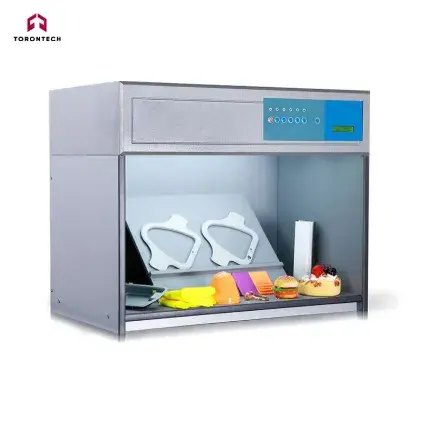
While evaluating print samples inside a totally neutral Light Booth / Color Matching Cabinet TT-M60 helps prevent visual disagreements upfront, holding onto fully documented, time-stamped density figures proves your shop nailed the agreed-upon numerical targets, safely shielding your business from having to absorb an unjustified financial loss.
How to Use a Densitometer in the Pressroom
Using this equipment correctly requires a highly systematic process of checking your freshly printed output directly against totally objective, pre-established targets.
Start with the Colorbar
That little strip of colored squares printed along the very edge of your press sheet serves as your primary diagnostic control center. It holds the 100% solid blocks and the lighter tinted patches you will rely on to take every single measurement.
Measure Solid Ink Density (SID)
By pressing the instrument against those 100% solid color blocks, the device hands the press operator a crystal-clear numerical target. In pressrooms, operators utilize these devices by measuring reflection densities at multiple points on printed sheets to monitor overall uniformity and adjust press settings accordingly.
Related article: Densitometer vs Density Meter: Which Do You Need?
This highly effective process often replaces outdated, subjective methods like physical feeler gauges or incredibly expensive image processing systems. This tells the crew exactly how much they need to open or close the ink keys to lay down the perfect, optimal layer of ink.
Track Dot Gain (TVI)
Dot gain, which is simply the unwanted spreading and swelling of tiny halftone dots during the printing process, can quickly make images look terribly dark or completely muddy. The measuring device tracks this exact spreading effect inside the lighter tint patches, giving the prepress department the precise data they need to build proper compensation curves.
For instance, if this spreading goes completely unchecked, the delicate, fine shadow details hiding in a portrait photograph will aggressively plug up, transforming into dark, unappealing blotches of ink.
Maintain Gray Balance
A truly neutral gray needs to consist of highly specific, perfectly balanced proportions of cyan, magenta, and yellow ink. The instrument easily spots any unwanted color cast sneaking into your gray patches, instantly pointing a finger at the exact ink color causing the problem.
If this delicate balance drifts without anyone noticing, a pristine photograph of a sleek silver sports car could suddenly shift, taking on an incredibly ugly pink or green tint.
Densitometer vs. Spectrophotometer: The Modern Reality
For a long time, print professionals had to choose between two completely different tools.
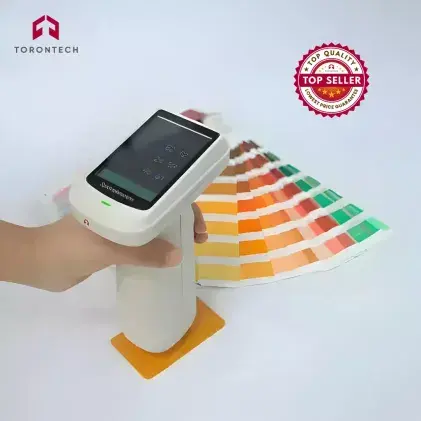
An older, basic densitometer only measured light and dark, making it essentially colorblind, while a dedicated spectrophotometer, like the Portable Color Spectrophotometer – ToronSpec™ 700D, measured the exact, specific color shade. Paying for and managing both pieces of equipment was an expensive headache.
Today, high-performance hybrid devices (often called Color Densitometers) wrap both of those critical jobs into a single, incredibly efficient piece of hardware. They measure the ink film thickness while calculating the precise color data at the exact same time.
Want the complete, detailed breakdown of exactly how these two distinct technologies stack up against each other? Go read our comprehensive comparison guide: Densitometer vs Spectrophotometer: Color Control Guide
Choosing the Right Densitometer for Your Pressroom
When the time arrives to finally select a brand new piece of hardware, there are several deeply important capabilities that we strongly advise our clients to push right to the top of their priority list:
Spot Color Measurement
If your shop handles big-name brand packaging, securing the ability to perfectly measure Pantone colors and other highly specific spot colors remains completely non-negotiable. You absolutely need a hybrid instrument capable of checking these critical brand colors against their strict numerical Lab* targets.
Substrate Flexibility
The tool you buy has to perfectly match the physical materials your shop prints on the most, whether your daily workflow demands reflection measurements for thick paper and cardboard or transmission capabilities for thin, clear packaging films.
Polarized vs. Unpolarized Light Options
Some densitometers use polarized or unpolarized light measurements. Research shows that the differences between these two measurement methods directly affect your final readings depending entirely on the specific paper type and wet or dry ink conditions.
Switchable Apertures & ISO Compliance
Daily print jobs vary wildly. A high-quality, dependable device featuring several different, interchangeable aperture sizes gives you the necessary flexibility to measure tiny colorbars just as easily as large ones. Total compliance with major testing standards like ISO and ASTM also remains completely essential for proving your data is actually legitimate.
Software & Data Connectivity
An instrument that connects effortlessly to a desktop computer no longer counts as a fancy luxury; it stands as an absolute requirement for quickly logging data, running deep analysis, and generating clean reports inside a modern, fast-moving workflow.
Simple, Reliable Calibration
Every single optical measuring instrument requires routine calibration. Advanced densitometers may include automated scanning and automatic calibration features to significantly enhance measurement accuracy and operational efficiency during real-time monitoring on the press. A system boasting a completely straightforward, operator-friendly calibration process secures maximum uptime and keeps the hardware highly accurate without forcing you to pack it up and ship it out for an expensive factory service call.
Recommended Solution: Torontech TT-Densito528™ Color Densitometer
Looking for a single device that delivers on both density and color?
It’s time to push past outdated visual guesswork. The Torontech Color Densitometer TT-Densito528™ operates as a highly precise, exceptionally capable hybrid spectro-densitometer built specifically to handle the heavy daily demands of modern printing facilities and busy packaging plants.
Whether your crew spends the day printing on thick corrugated board, thin flexible plastics, or standard commercial paper, the TT-Densito528™ delivers totally comprehensive process control by bringing these massive benefits to the table:
- High-Precision Accuracy & Simple Calibration: It consistently hits a highly precise dE*ab ≤ 0.02 mark, successfully tracking over 30 distinct color parameters. The surprisingly user-friendly, built-in calibration system makes absolutely sure this extreme accuracy stays locked in over the long haul without dragging down your daily workflow.
- G7 & FOGRA Compliant: The engineers built this unit specifically to deliver the exact spectral readings and density figures your shop requires to confidently secure and pass strict G7, FOGRA, and ISO 12647 testing protocols.
- Versatile Measurement Apertures: It arrives fully equipped with 3 easily switchable measurement openings, allowing the operator to quickly adapt the device to handle any weirdly sized print sample or stubbornly small colorbar.
- Adherence to International Standards: The hardware strictly follows all the major rules, staying completely compliant with CIE No.15 and ASTM E1164, ensuring the numbers you pull are totally reliable and universally accepted by clients everywhere.
- An Integrated Workflow: It ships with a highly capable ColorExpert desktop software package and a thoroughly useful companion mobile app, giving your team instant access to massive cloud-based color libraries and the ability to share finished quality control reports in seconds.
Upgrade Your QC with Torontech Densitometers
A densitometer is a foundational tool for any quality-focused pressroom. As client demands for color accuracy intensify and global standards like G7 become the norm, we believe operating with outdated tools is a significant business risk.
Investing in a modern hybrid spectro-densitometer with reliable calibration ensures precise CMYK and spot color control. This single upgrade leads directly to less waste, greater client satisfaction, and a stronger bottom line.
References:
- Dendge, R. (2019). Analysis of Printing Pressure Using Density Measurements of Printed Ink. SAMRIDDHI : A Journal of Physical Sciences, Engineering and Technology.
- Hauck, S., & Gooran, S. (2015). A novel method to determine register variation of a press by a densitometry tool. 4, 95-102.
- Lv, X. (2018). Color Matching Method of Three Wavelengths Based on Density Measurement. The 21st IAPRI World Conference on Packaging.
- Pınar, A., & Momeni, A. (2006). The inhibiting bisection problem.
- Schneider, D., Myers, B., & Altay, B. (2022). Investigating the agreement between polarized and unpolarized densitometry in offset lithography printing. Color Research & Application.
- Watt, P. (1956). A Densitometer for Colour Print Materials. The Imaging Science Journal, 4, 116-120.
- Шведова, К. (2021). SOME POSSIBILITIES OF APPLYING INSTRUMENTAL METHODS WHILE MAKING FORENSIC-TECHNICAL EXPERTISE OF DOCUMENTS MADE BY PRINTING. The rule-of-law state: theory and practice.
- Holland, W. D.. (2009). Calibrated reflection densitometer.