Petrochemical Physical Properties Testing Equipment
Petrochemical Physical Properties Testing Equipment
Physical properties testing is the foundation of petroleum product quality control. Before any advanced chemical analysis is conducted, the fundamental physical characteristics of a petroleum product its density, water content, distillation profile, sediment level, composition residues, and optical appearance define its identity, quality grade, and compliance with international specifications.
Torontech's Physical Properties Testing portfolio brings together a comprehensive range of purpose-built instruments covering seven essential measurement categories. From density and API gravity determination to water content, distillation characteristics, sediment and insoluble content, combined water and sediment by centrifuge, basic composition indicators (carbon residue and ash content), and optical/physical appearance every instrument in Torontech's physical properties range is engineered for petroleum laboratory precision and standards compliance.
Application of Petrochemical Physical Properties Testing Equipment
Torontech's Physical Properties Testing instruments serve the full spectrum of petrochemical and petroleum industry testing needs:
- Refineries and blending plants: Quality control of crude oil feedstocks and finished petroleum products at every stage of the refining process.
- Petroleum trading and custody transfer: Rapid, accurate physical property measurement at terminal loading and pipeline transfer points.
- Marine and aviation fuel testing: Compliance verification for bunker fuel (ISO 8217), jet fuel (ASTM D1655), and aviation gasoline specifications.
- Independent testing laboratories: Third-party quality assurance and certification services for petroleum product importers, exporters, and end users.
- Petrochemical plants: Monitoring of feedstocks and process streams including naphtha, solvents, and chemical intermediates.
- Power generation: Quality control of heavy fuel oils, residual fuels, and turbine oils used in electricity generation facilities.
- Lubricant manufacturers and formulators: Physical characterization of base oils, finished lubricants, greases, and hydraulic fluids.
Why Choose Torontech's Petrochemical Physical Properties Testing Equipment Series?
Torontech has developed its Physical Properties Testing portfolio with a clear focus on the real-world demands of petroleum quality laboratories:
- Complete Coverage: Seven interconnected instrument categories covering every major physical property test required for petroleum product quality control and specification compliance.
- Standards-First Design: Every instrument is engineered to comply with the relevant ASTM, IP, ISO, and EN standards, ensuring results that are accepted in global trade and regulatory contexts.
- Scalable Solutions: From single-method benchtop instruments to multi-sample automated systems, Torontech's range scales to fit laboratories of every size and throughput requirement.
- Integrated Quality Assurance: Using Torontech instruments across multiple physical property test categories ensures measurement consistency and simplifies quality system management.
- Global Application Experience: Torontech's instruments are applied in refineries, trading terminals, independent laboratories, and government inspection facilities worldwide.
- Dedicated Technical Support: Torontech's application and service teams provide installation, training, calibration support, and technical guidance across the entire Physical Properties Testing range.
Categories & Products Covered
Torontech's Physical Properties Testing range comprises the following sub-categories:
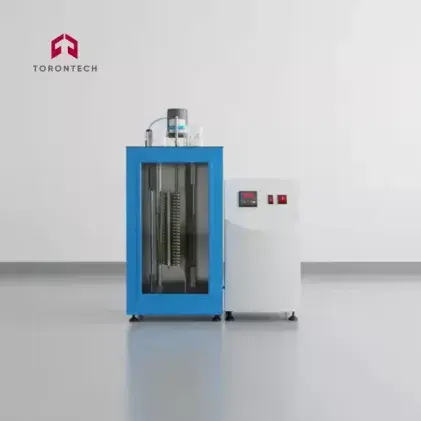
1. Density – API Gravity
Accurate density and API gravity measurement for crude oil and petroleum products, supporting API to specific gravity conversion and API specific gravity determination per ASTM D287 / D1298
2. Water Content Determination
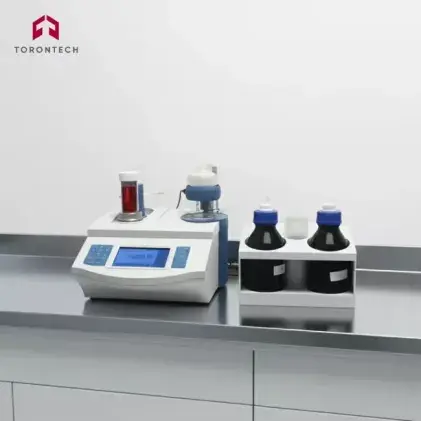
Complete coverage for determination of water content across all concentration ranges — from trace moisture by Karl Fischer titration to bulk water in crude oil by distillation.
3. Distillation Apparatus
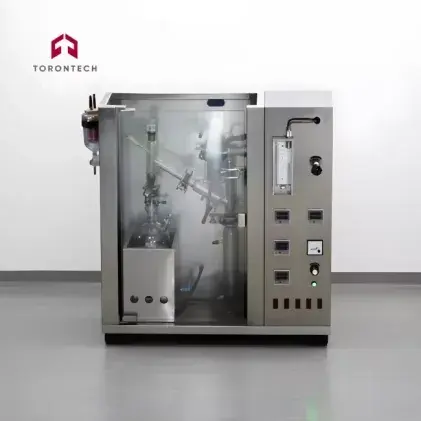
Atmospheric and vacuum distillation solutions for full boiling range characterization of petroleum fuels and heavy products per ASTM D86 and D1160.
4. Sediment & Insoluble Content
Extraction and hot filtration methods for accurate sediment and insoluble content measurement in crude oils and residual fuels per ASTM D473 and D4870.
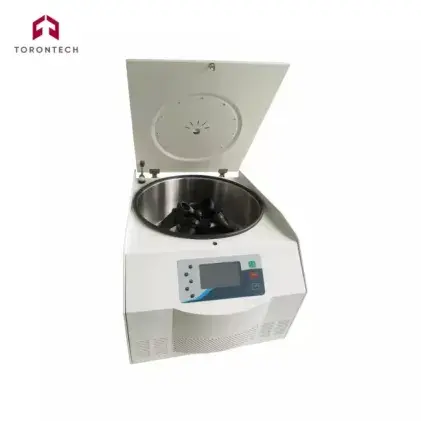
5. Water & Sediment Combined (Centrifuge Method)
Rapid combined BS&W (basic sediment and water) determination by the centrifuge method for custody transfer and fuel oil quality control per ASTM D96 / D1796.
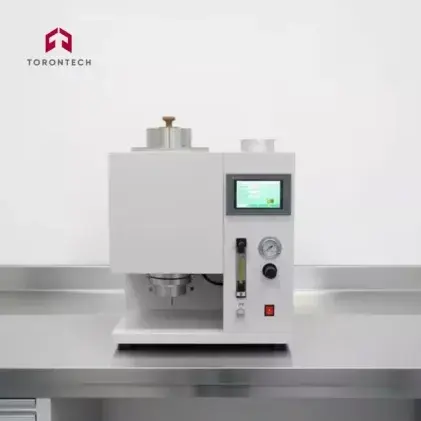
6. Basic Composition Indicators
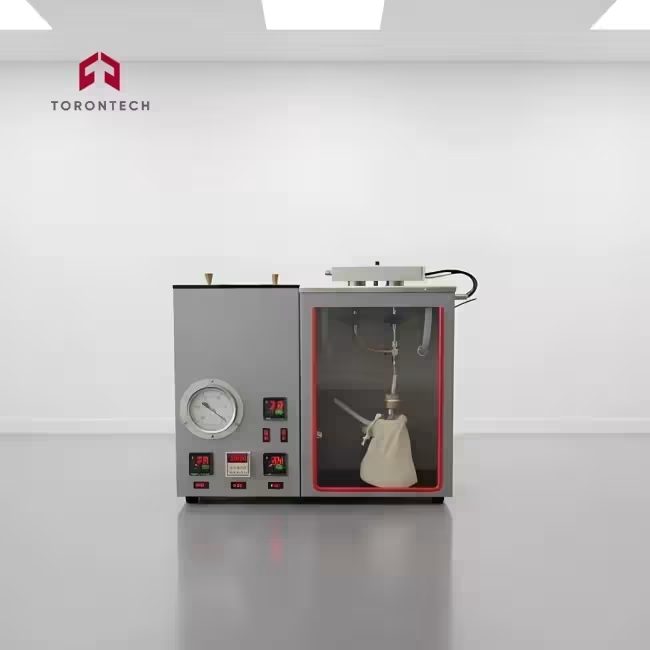
Carbon residue and ash content measurement covering ASTM D524, D4530, and D482 — essential composition indicators for fuels, lubricants, and refinery streams.
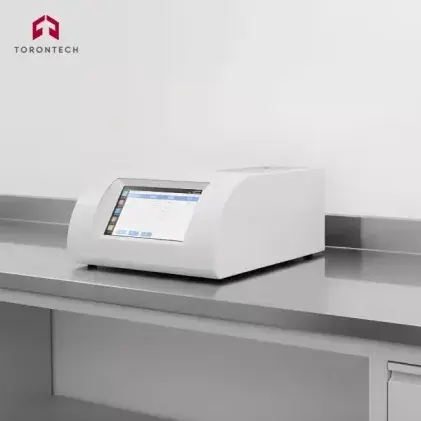
7. Optical / Physical Appearance
Color scale measurement (ASTM D1500) and digital refractometer analysis for rapid visual quality screening of petroleum products and industrial fluids.
Request Quote
What physical properties are most commonly tested in petroleum product quality control?
The most commonly tested physical properties for petroleum products include density and API gravity, water content (by Karl Fisc
How do Torontech's Physical Properties Testing instruments support ASTM compliance?
Each instrument in Torontech's Physical Properties Testing range is designed and validated to comply with the specific ASTM test
Can Torontech supply the complete Physical Properties Testing range to a new laboratory?
Yes. Torontech can supply the complete Physical Properties Testing instrument range to new laboratory projects, including refine