

Inductively Coupled Plasma Emission Spectroscopy (ICP-OES) – ToronICP™ MICS (Full Spectrum, Direct Reading)
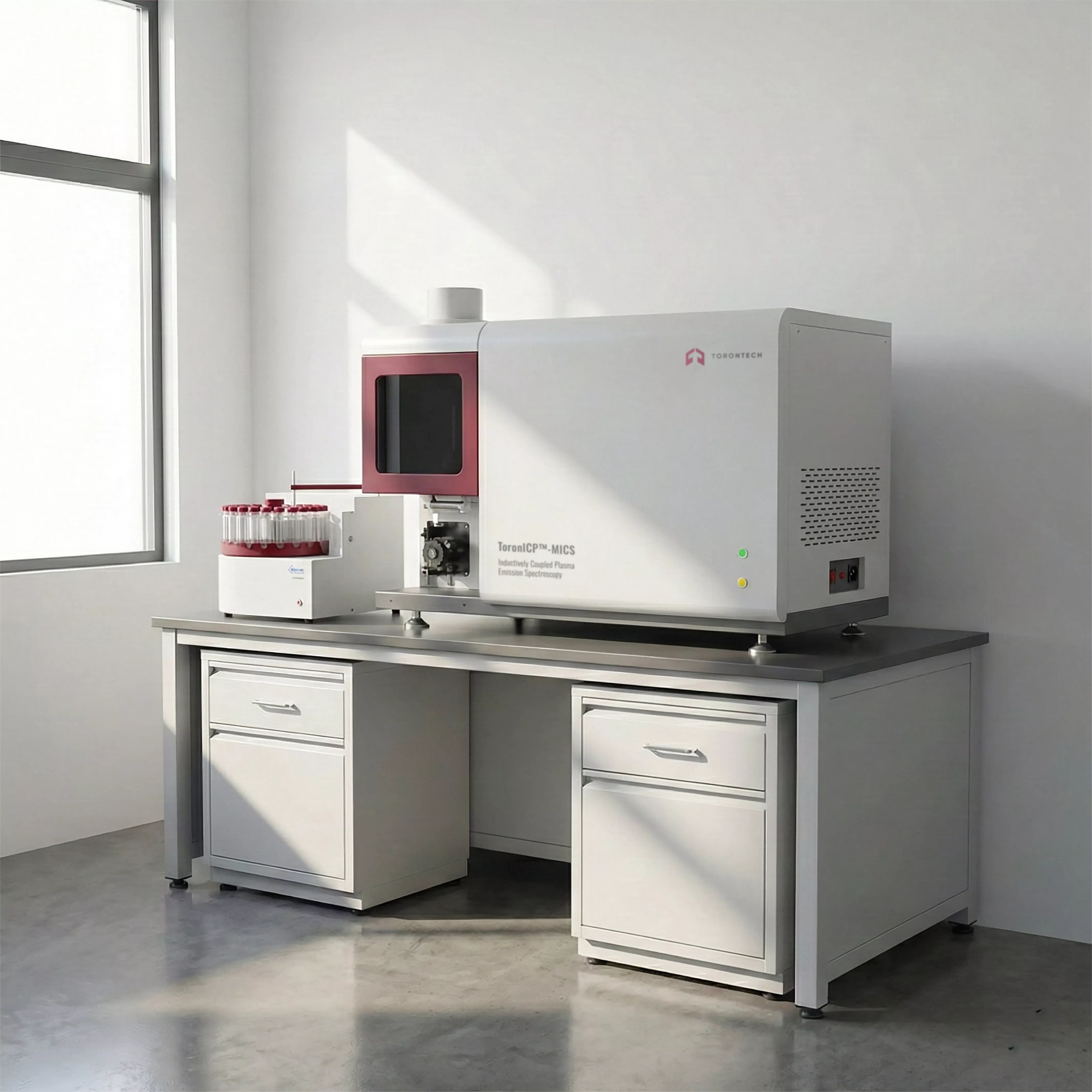
Inductively Coupled Plasma Emission Spectroscopy (ICP-OES) – ToronICP™-MICS is a compact, fullspectrum inductively coupled plasma spectrophotometer engineered for fast, accurate, and repeatable elemental analysis. The system generates a stable, high-temperature inductively coupled plasma that excites atoms in liquid samples, causing each element to emit characteristic wavelengths used to precisely determine elemental concentrations over a wide dynamic range.
This advanced inductively coupled plasma emission spectroscopy platform integrates a solidstate RF power supply, a research-grade CCD detector, and intelligent data-processing software to enable true simultaneous multi-element measurement with low detection limits and minimal chemical interference.
Its space-saving design, automated operating functions, and real-time system monitoring provide consistent performance, making it well suited for modern laboratories that demand efficiency, analytical stability, and high confidence in elemental results.
Applications
The Inductively Coupled Plasma Emission Spectroscopy – ToronICP™-MICS is suitable for:
- Environmental protection, including water, soil, and pollution monitoring
- Food safety testing, for trace and contaminant element analysis
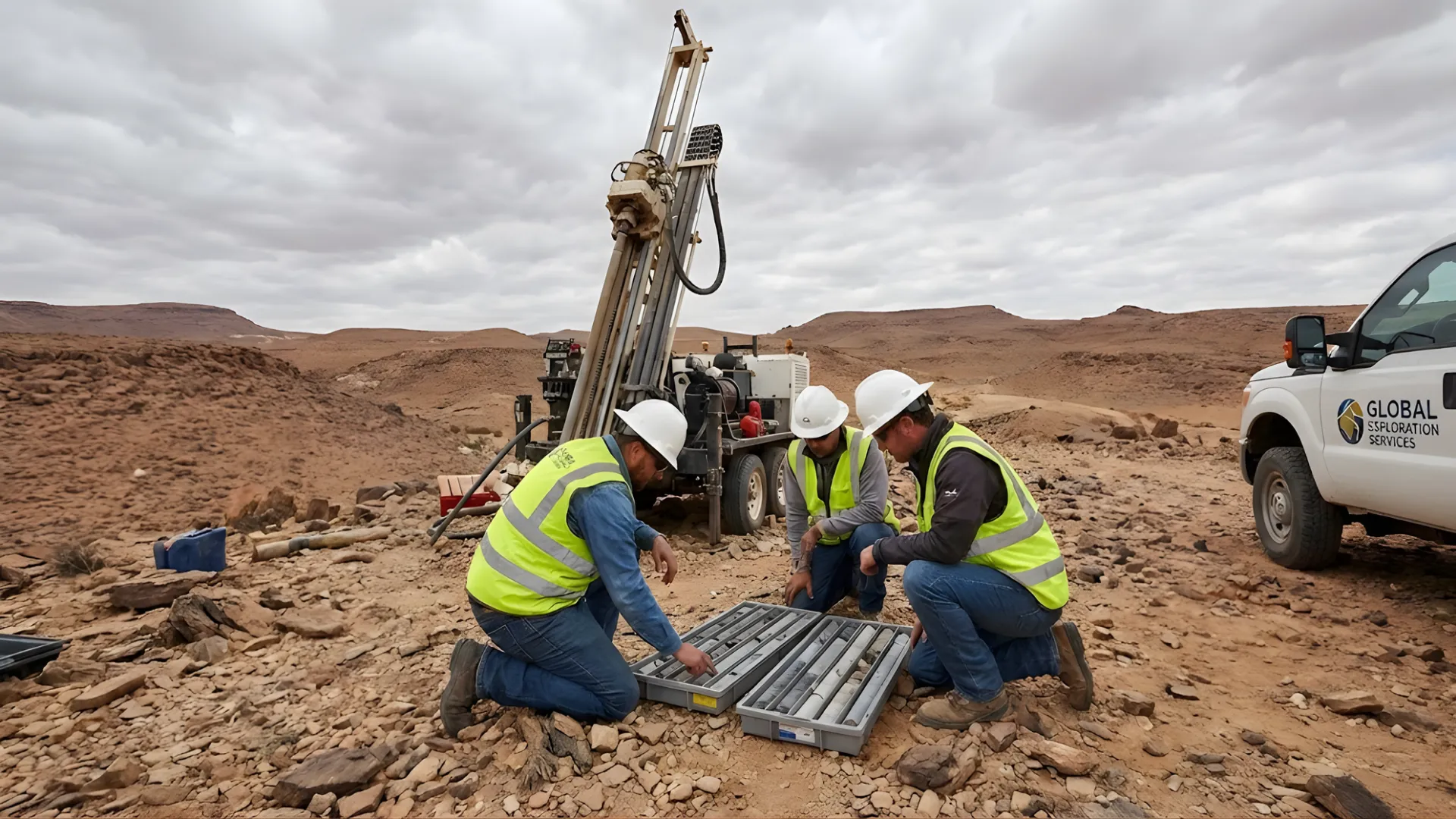
- Geology and mineral resources, including ore and elemental composition studies
- Metallurgy and non-ferrous metals, for quality control and impurity detection
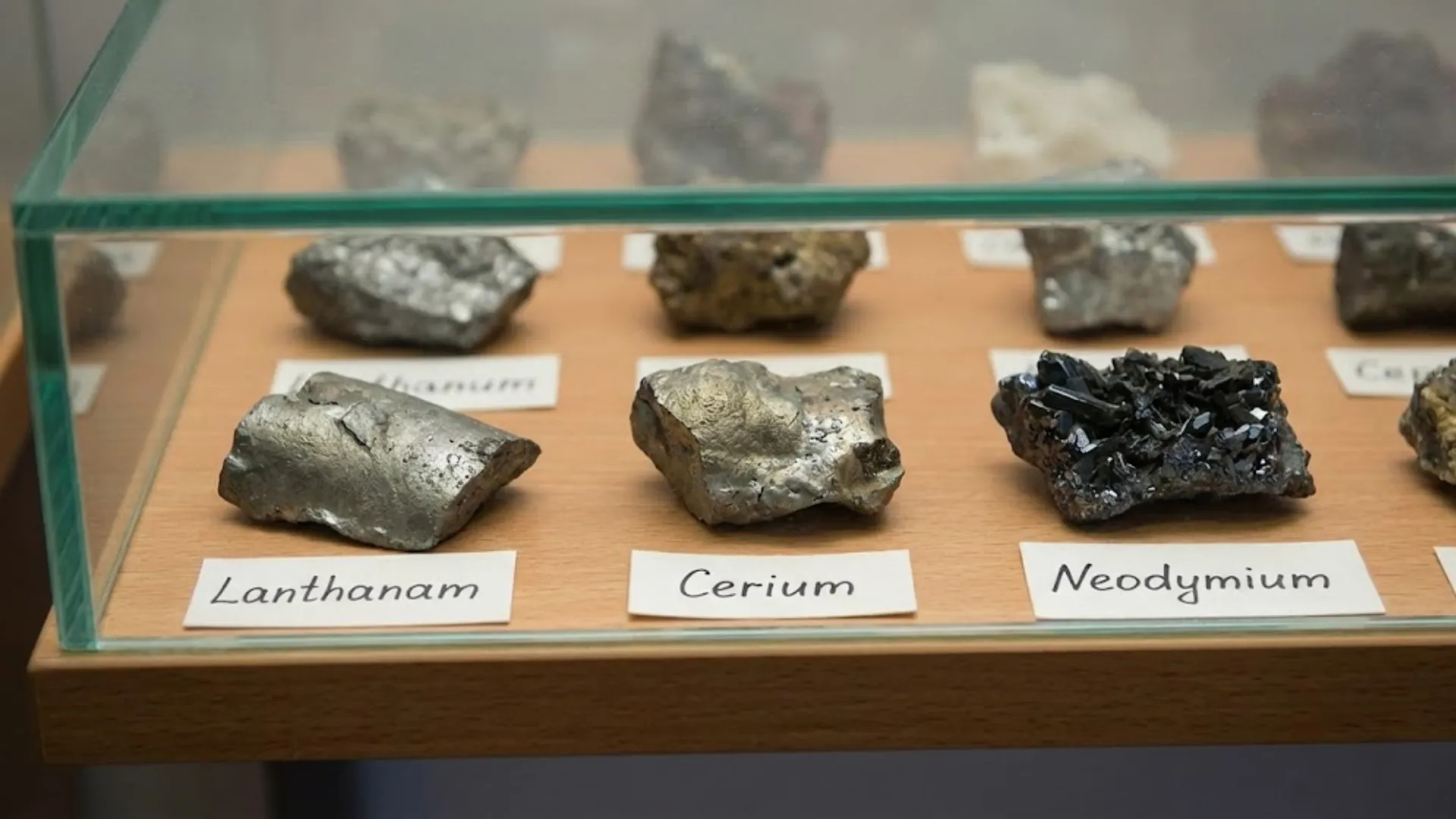
- Rare earth element analysis, supporting research and industrial processing
- Chemical engineering laboratories, for material and process evaluation
- Petroleum and petrochemical testing, including fuels and additives
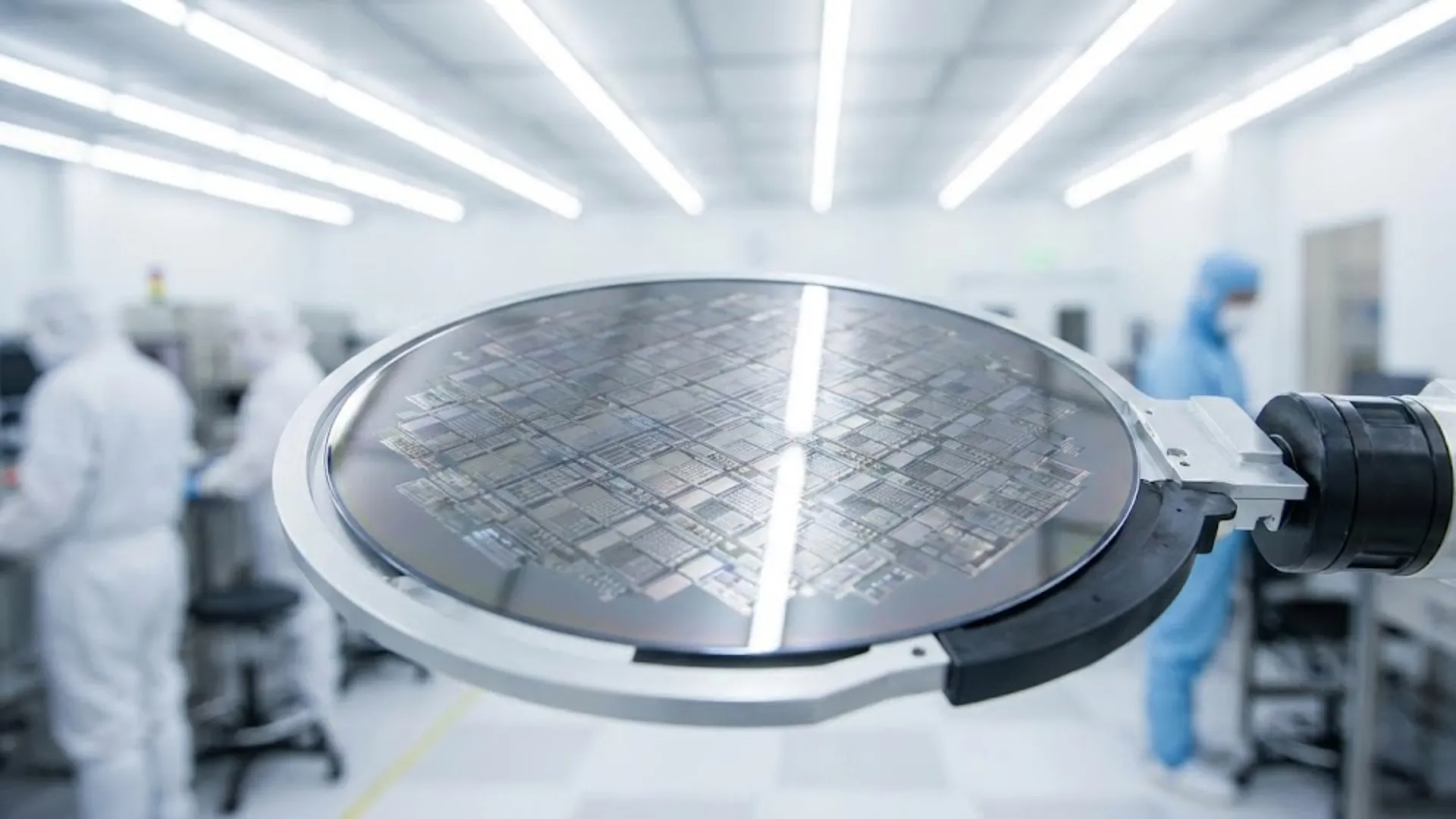
- Semiconductor and electronic materials analysis
- Agricultural and scientific research laboratories





Inductively Coupled Plasma Emission Spectroscopy (ICP-OES) – ToronICP™ MICS (Full Spectrum, Direct Reading) Key Features
- Inductively Coupled Plasma Emission Spectroscopy (ICP-OES) for accurate elemental analysis
- Full spectrum, direct-reading optical system, enabling simultaneous detection of all elements
- Research-grade large-format CCD detector, covering a wavelength range of approximately 160–900 nm
- Fast analysis speed, capable of measuring nearly 70 elements in a single sample within one minute
- Real-time plasma flame monitoring, with full-color visualization through the control software
- Automatic wavelength calibration, reducing setup time and improving measurement consistency
- Fully automatic ignition and matching technology, enabling one-click startup and stable plasma operation
- Low chemical interference, delivering more accurate and repeatable results
- Compact and intelligent design, optimized for modern analytical laboratories
- Safe argon airflow protection, with automatic shutdown and alarms to prevent equipment damage
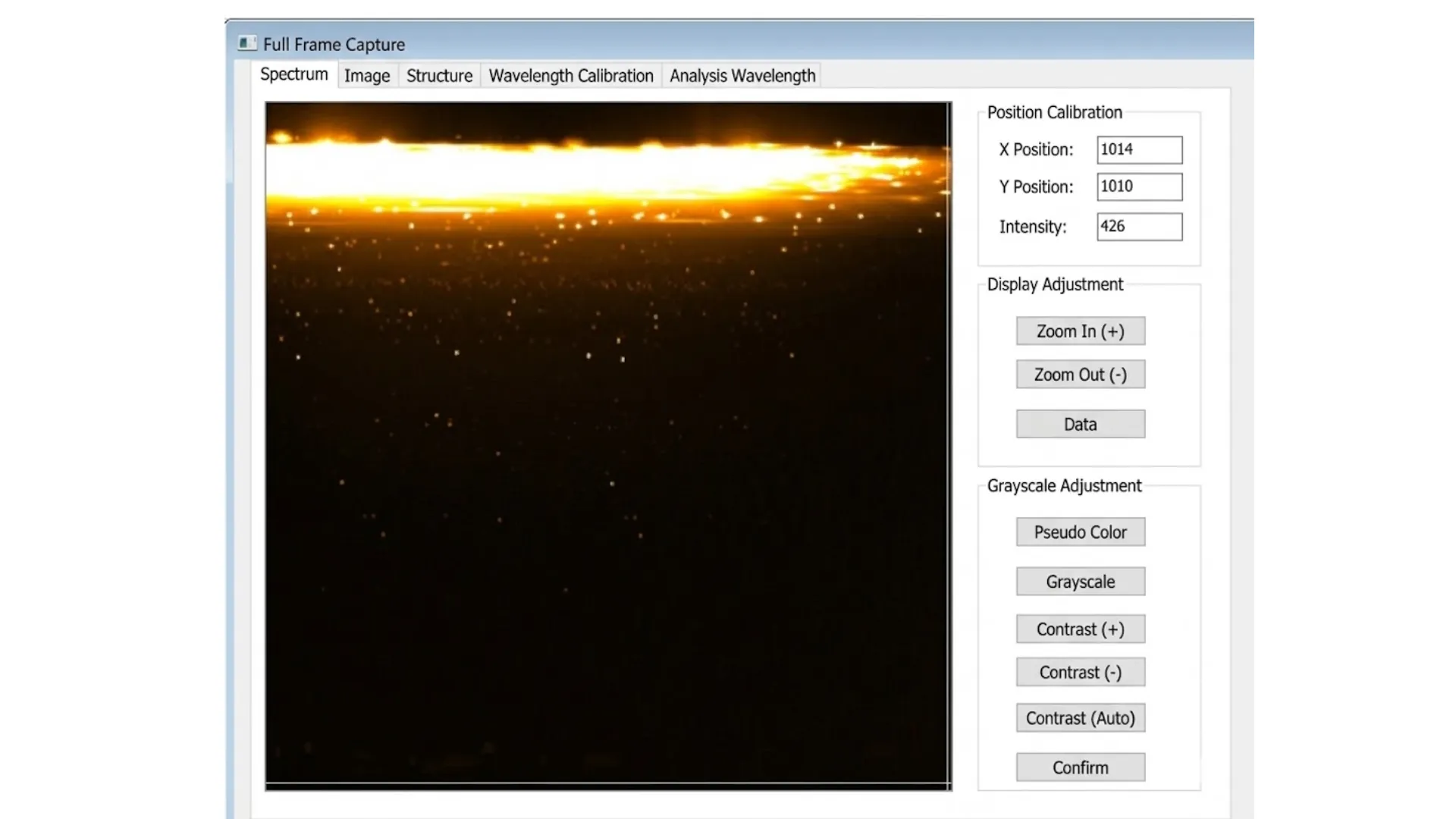
Automatic wavelength calibration
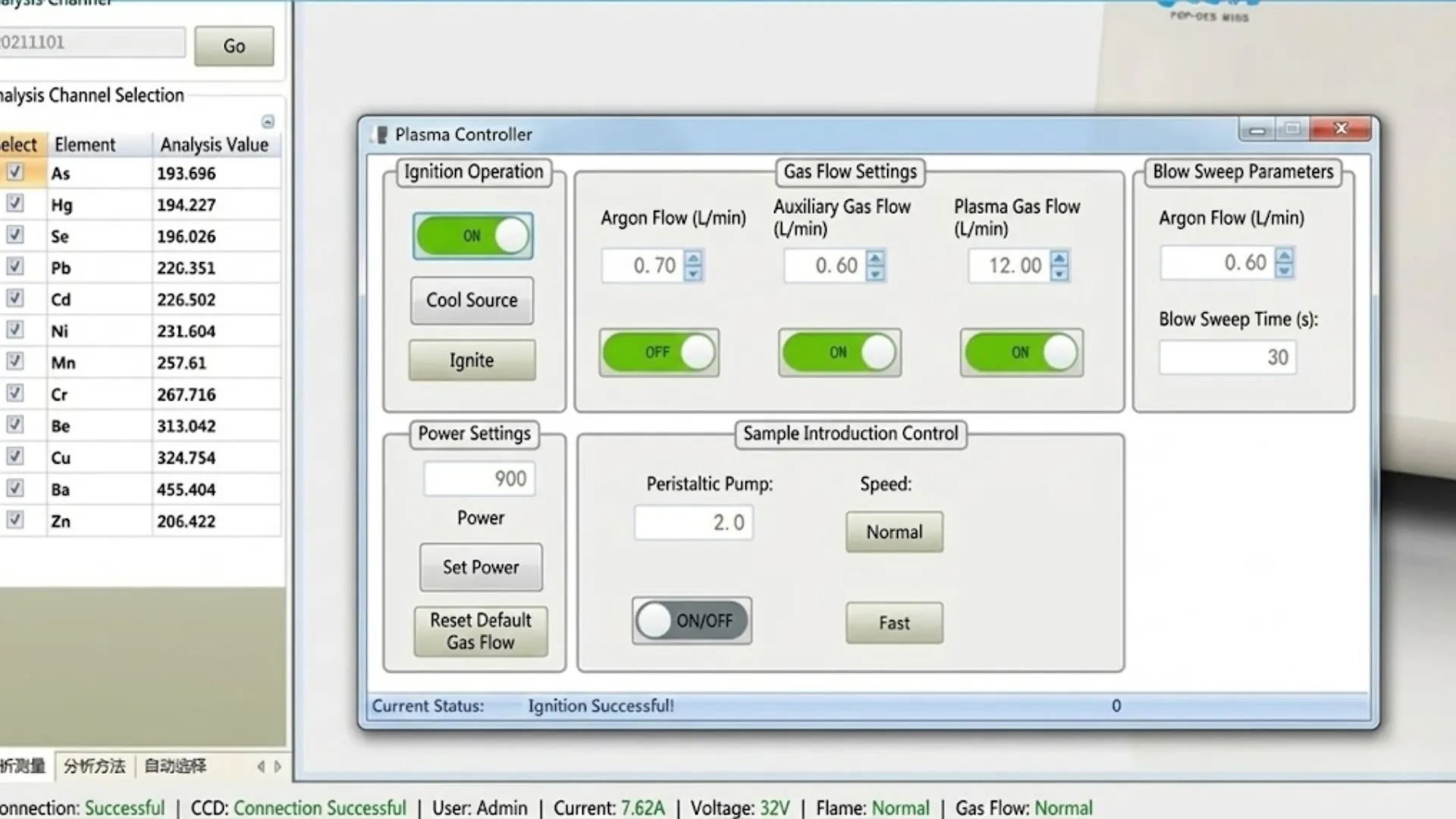
Fully automatic ignition and matching technology
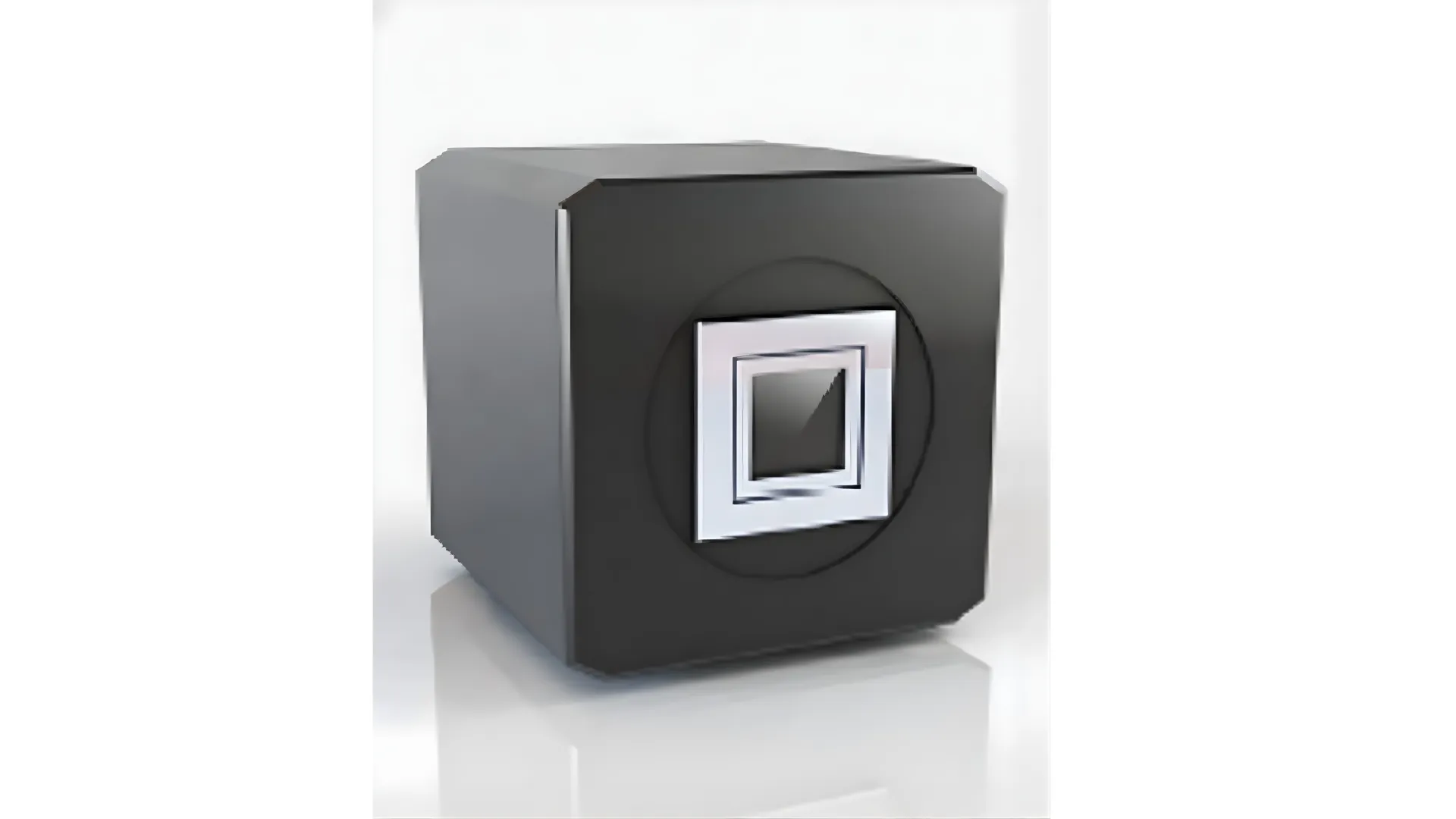
Research-grade large-format CCD detector
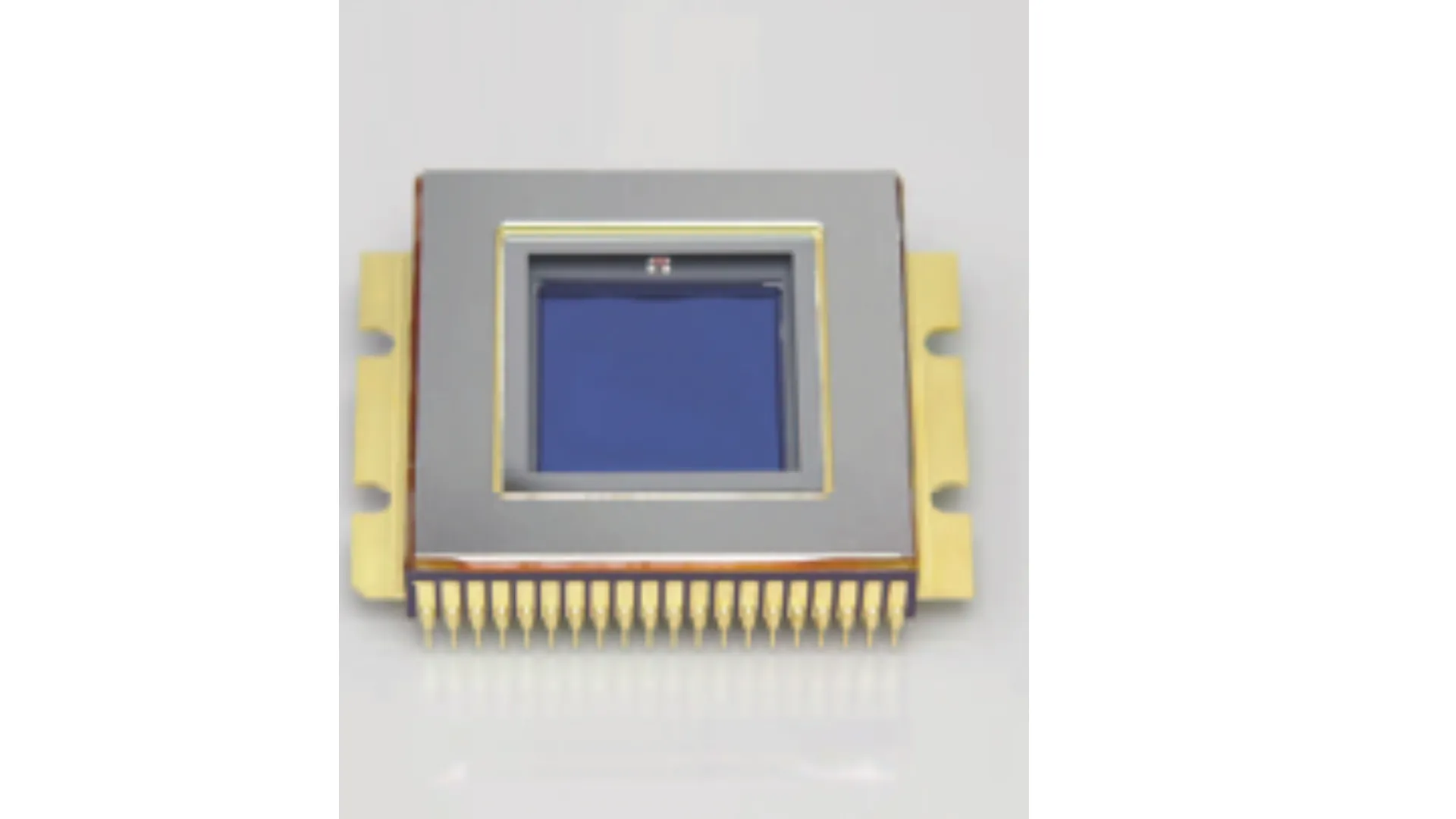
Research-grade large-format CCD detector
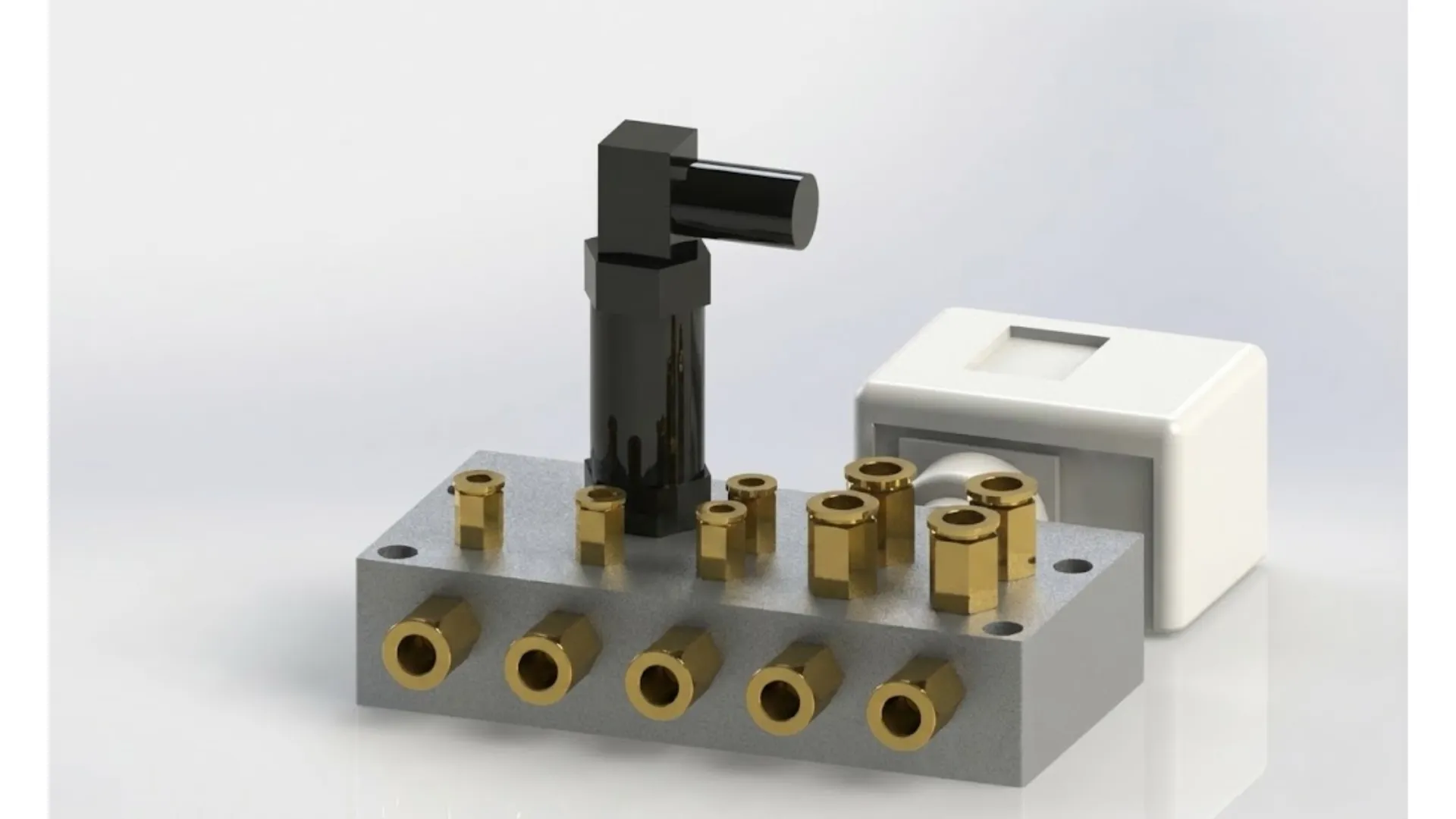
Safe argon airflow protection
Theory
Inductively Coupled Plasma Optical Emission Spectroscopy (ICP-OES) is a powerful and versatile method for elemental analysis. This technique operates by generating an extremely hot, stable plasma—reaching temperatures over 10,000 K—by energizing argon gas with a radio-frequency electromagnetic field.
The analytical process involves converting liquid samples into a fine aerosol and introducing this aerosol into the high-temperature plasma. Inside the plasma, the elements in the sample become excited, subsequently emitting light at wavelengths specific to each element. An inductively coupled plasma spectrophotometer then detects this emitted light, which enables the simultaneous identification and precise quantification of multiple elements.
ICP-OES is highly valued across various fields, including environmental monitoring, metals analysis, industrial quality control, and scientific research. Its reliability and versatility stem from key advantages such as speed, accuracy, high sensitivity, minimal chemical interference, and a broad linear measurement range
Inductively Coupled Plasma Emission Spectroscopy – ToronICP™ MICS (Full Spectrum, Direct Reading) Technical Specifications
| Model | ToronICP™ MICS |
|---|---|
| Analytical Technique | Inductively Coupled Plasma Emission Spectroscopy (ICP-OES) |
| Instrument Type | Inductively Coupled Plasma Spectrophotometer |
| Optical Mode | Full spectrum, direct reading |
| Detector Type | Large-format scientific CCD detector |
| Wavelength Range | Approximately 160–900 nm |
| Element Coverage | Nearly 70 elements |
| Analysis Mode | Simultaneous multi-element analysis |
| Analysis Speed | Up to one sample per minute |
| Detection Limit | Down to ppb level |
| Plasma Monitoring | Real-time full-color plasma flame observation |
| Calibration | Automatic wavelength calibration |
| Ignition System | Fully automatic ignition and RF matching |
| RF Power Supply | Solid-state RF power supply |
| Safety Features | Argon gas monitoring with automatic protection |
| Operating Frequency | 27.12 MHz |
| Frequency Stability | <0.01% |
| Output Power | 800W-1500W |
| Output Power Stability | <0.01% |
| Electromagnetic field leakage radiation intensity | At a distance of 30cm from the chassis, electric field: E < 10V/m; Magnetic field: H < 0.2A/m |
| Focal length | 440mm |
| Wavelength range | 175nm~870nm |
| Nitrogen purge | High speed blowing 6L/min, normal blowing 2L/min |
| Detection wavelength range | 65nm ~ 900nm |
| Refrigeration temperature | -45℃ |
| Nitrogen purging flow rate | 3L/min |