A Guide to Plastic Recycling Machines
The profitability of a plastics recycling operation comes down to the quality of its equipment. Turning large volumes of plastic scrap into high-value pellets requires reliable machinery that prevents the common jams and downtime that hurt your bottom line.
This guide covers the essential, heavy-duty machines built to perform consistently, from initial shredding to final pelletizing.
Key Takeaways
- Follow the Workflow: A profitable recycling line relies on a precise four-stage process of size reduction, washing, drying, and pelletizing to ensure the final pellets are clean and uniform.
- Know the Difference: Shredders and crushers serve distinct purposes. Use high-torque shredders for heavy, dense lumps and high-speed crushers to grind lighter materials into flakes.
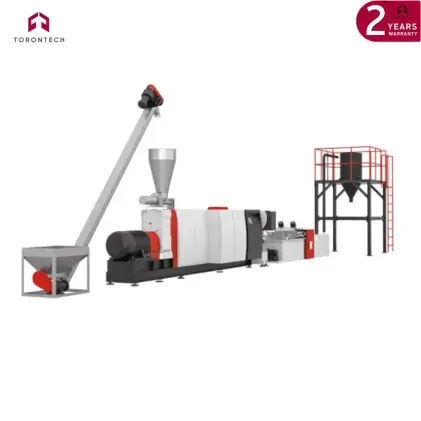
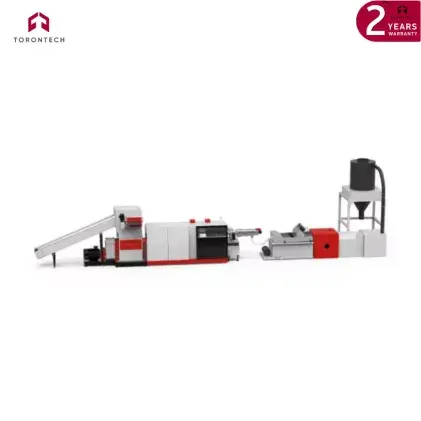
- Match Machine to Material: Specific waste types require specialized equipment. The Single Stage Cutter Compactor Pelletizing Line is essential for densifying light films, while rigid plastics need a standard shredder setup.
- Scale for ROI: Industrial efficiency depends on throughput. Torontech systems offer scalable capacities from 200 kg/h to over 3,000 kg/h to meet demanding production goals.
Machines Required for Plastic Recycling
A successful line is not just one machine; it is a sequence of them working in concert.
Having a clear process is what separates an efficient facility from one that constantly struggles with quality issues. The full set of plastic recycling equipment must operate in sync.
Related article: Virgin Plastic vs Recycled Plastic: Which is Best?
To visualize how this works, consider a hypothetical line processing dirty agricultural film, which is a notoriously difficult material:
Size Reduction
The film arrives in large, tangled bales. The first machine cuts these tough bundles into smaller, loose pieces so they can move through the system.
Washing and Separation
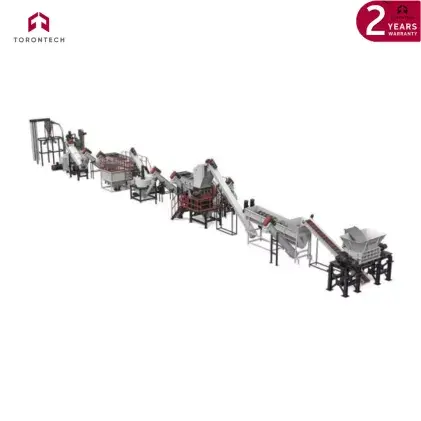
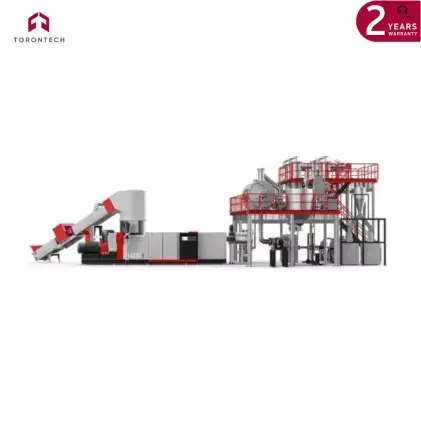
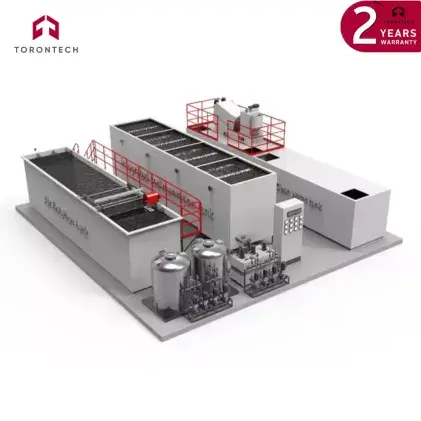
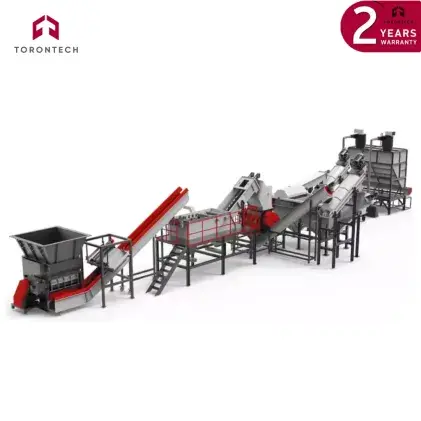
Since this film is likely covered in soil and grit from the field, it requires a complete Washing and Pelletizing Line. This integrated system scrubs off the mud and uses separation tanks to isolate the film from unwanted bits.
Drying
Film traps water like a sponge. Before it can be melted, it must be squeezed and dried thoroughly. If you skip this, the moisture turns to steam in the next step and ruins the plastic.
Pelletizing
Finally, the fluffy, dry film is compacted, melted, and pushed through a fine screen to catch any last microscopic bits of dirt before being cut into uniform pellets.
In our experience, facilities that perfect this sequence (ensuring the output of one machine matches the intake of the next) see the best and most consistent financial returns.
Key Types of Plastic Recycling Machine
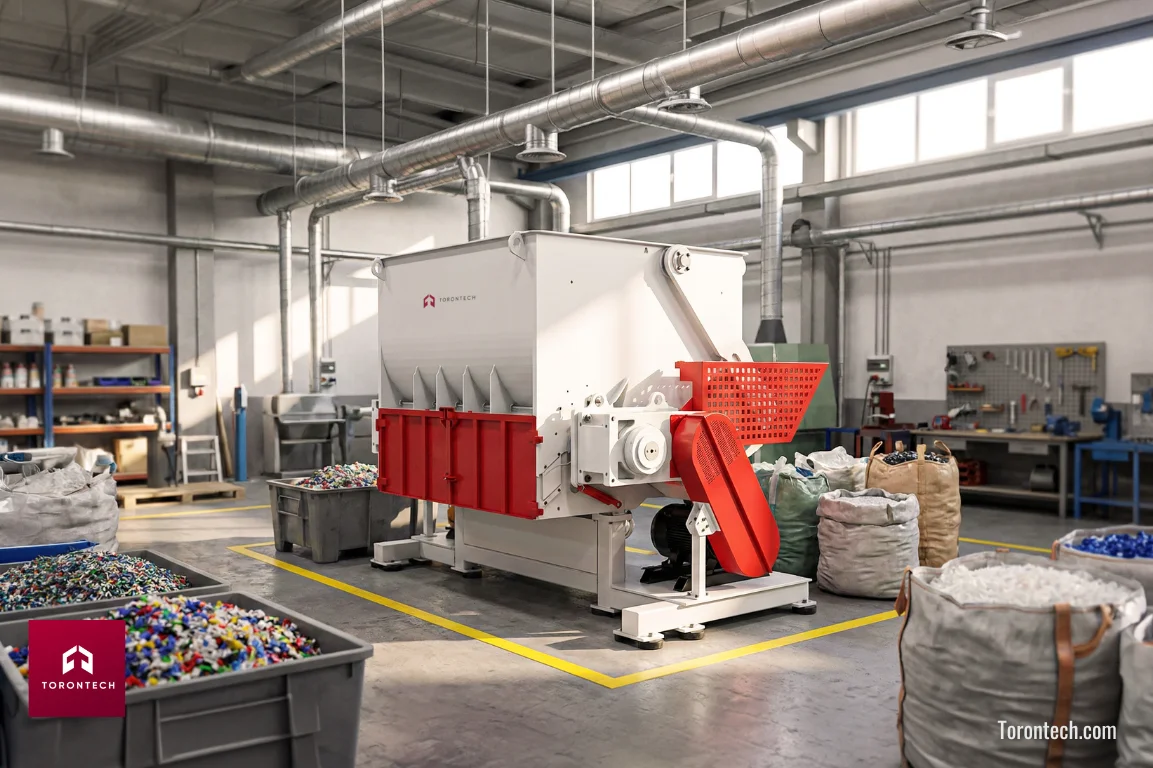
Matching the machine to the material is fundamental. You need the right tool from the various types of plastic recycling machine to get the results you expect without overworking your system.
1. Shredders vs. Crushers: The Size Reduction Stage
This is the heavy-lifting portion of the process. While they both cut plastic, their applications are quite different.
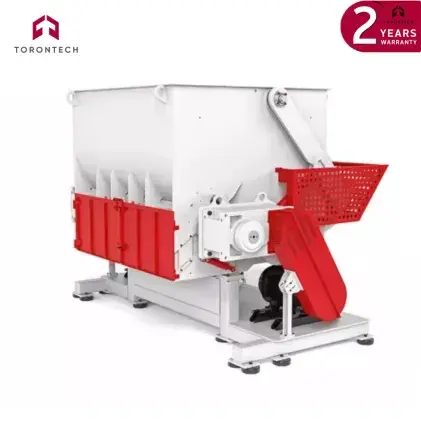
Plastic Shredders
These are the heavy-hitters. They operate at low speeds with very high torque, giving them the power to "chew" through dense materials without stalling. The specific design of the blades and shafts directly affects performance, allowing them to handle materials that would break a standard blade.
Example: You would use a heavy-duty Plastic Shredder for a solid, 50kg lump of factory purge.
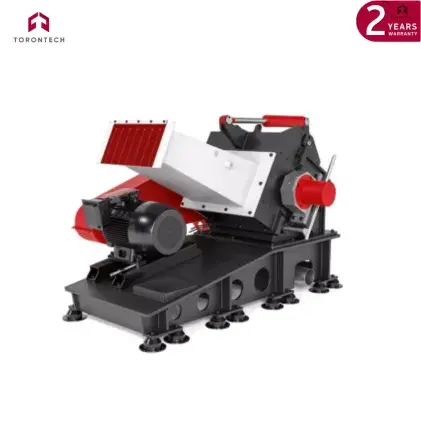
Plastic Crushers (Granulators)
These machines run at much higher speeds. Unlike shredders, crushers typically operate by squeezing and cutting plastics between rotating drums or blades to grind materials into smaller, evenly-sized flakes.
Related article: Plastic Crusher Machine: Industrial Scrap to Revenue
Example: For awkward shapes, like PVC conduits, we recommend a specialized Plastic Crusher Machine for Grinding Long Plastic Pipes. This variant allows you to feed long pipes directly without needing to pre-cut them manually.
2. Washing Lines: The Key to Purity
For any post-consumer or contaminated plastics, a capable washing system is non-negotiable. We believe the value of the final pellet is largely determined by the effectiveness of the washing and sorting stage.
Friction Washers
These units use high-speed paddles to aggressively scrub flakes against each other and a mesh screen. It is mechanical force that knocks off stubborn dirt and paper pulp.
Advanced Sorting
For high-end applications, mechanical washing might not be enough. Modern systems increasingly rely on automated technologies incorporating spectroscopy, machine learning (ML), and artificial intelligence (AI) to improve sorting accuracy.
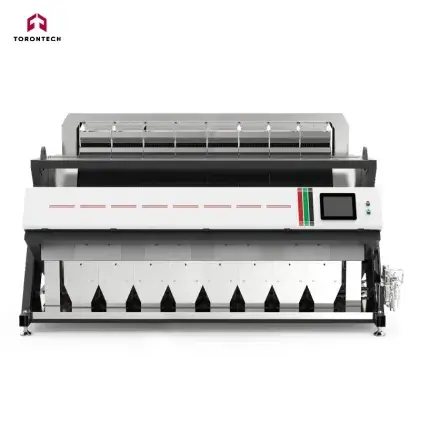
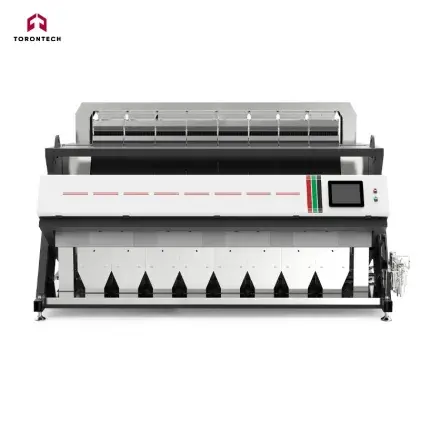
While challenges remain with difficult materials like film or dark multi-polymer plastics, these technologies are essential for separating plastics by type and color. Many plants now integrate the Flake Color Sorter ToronGV Series to automatically eject off-color flakes before they reach the extruder.
3. Extruders and Pelletizers: Creating the Final Product
This is the stage where clean flake is converted into a valuable raw material.
Melting and Forming
A good extruder utilizes melting chambers and mixers designed for the efficient blending of plastic waste. The goal is to melt and reform the plastics into new shapes, such as pellets, ropes, or strips, for remanufacturing.
Related article: Single vs Twin Screw Extruder: An Expert Comparison
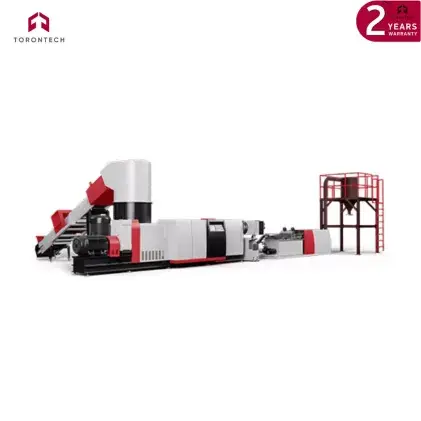
Cutter Compactor Systems
We find these to be exceptionally effective for low-density materials like film and bags.
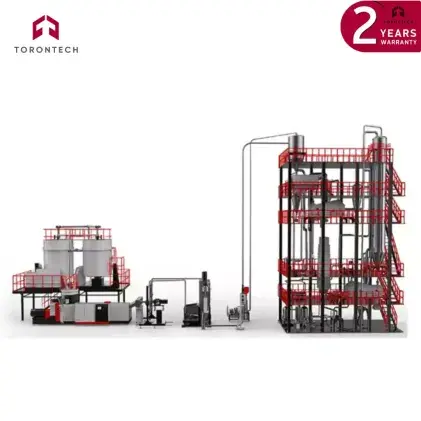
Example: If you try to feed lightweight grocery bags into a standard screw, they will bridge and clog. The Single Stage Cutter Compactor Pelletizing Line solves this by densifying and warming the material first. This ensures a smooth feed into the extruder.
Choosing Your Plastic Recycling Equipment
| Input Material | Common Form | Recommended Primary Equipment |
|---|---|---|
| PET Bottles | Post-consumer bales | PET Recycling Line + Twin Screw Extruder. Requires a thorough cleaning process. |
| PE/PP Films | Agricultural or commercial film, bags | Single Stage Cutter Compactor Pelletizing Line. The best solution for fluffy, low-density scrap. |
| Rigid Plastics | Pipes, drums, crates, automotive parts | A Single Shaft Shredder followed by a Granulator. This combination provides the needed power and final sizing. |
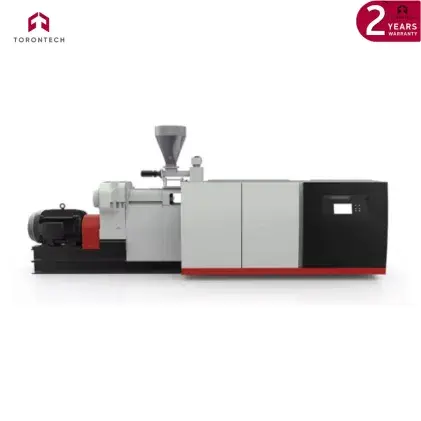
| Mixed/Hard Waste | Various hard plastics | Shredder Extruder Recycling Pelletizing System. An all-in-one solution for handling tough scraps. |
Related article: PET Recycling Line: Transforming Plastic Waste into Environmental Solutions
Why Partner with Torontech for Your Equipment?
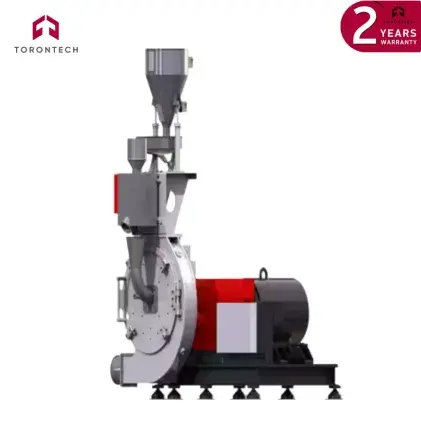
From individual components like the Plastic Pulverizer Machine to fully integrated recycling lines, Torontech provides the plastic recycling equipment for facilities across the globe. Our machinery is specified for:
1. Industrial-Scale Capacity
Throughput is a primary business driver. Our systems are built to meet demanding production targets, with standard configurations that can process from 200 kg/h to over 3,000 kg/h . This scalability allows our clients to meet their volume goals without creating process bottlenecks.
2. Global Standards and Compliance
We supply machinery to an international market, meaning our equipment is constructed to meet strict global standards. Our machines are compliant with CE safety regulations and other quality certifications, providing operational confidence and assurance for your team.
3. Efficient and Automated Operation
- Energy Consumption: Our machines are specified with high-efficiency motors to reduce power usage per kilogram of output.
- System Controls: You get modern control panels designed for ease of use and effective system monitoring.
If you are trying to determine which plastic recycling machine is the right fit for your facility's needs and budget, we can help. Contact our technical team today for a consultation, or review our full catalog online for detailed specifications.
Explore All Plastic Recycling Machines Here
References
- Damayanti, D., Saputri, D., Marpaung, D., Yusupandi, F., Sanjaya, A., Simbolon, Y., Asmarani, W., Ulfa, M., & Wu, H. (2022). Current Prospects for Plastic Waste Treatment. Polymers, 14.
- Ding, Q., & Zhu, H. (2023). The Key to Solving Plastic Packaging Wastes: Design for Recycling and Recycling Technology. Polymers, 15.
- K, R., L, S., S, N., & K, S. (2024). Plastic Crushing Machine. International Journal for Research in Applied Science and Engineering Technology.
- Lubongo, C., & Alexandridis, P. (2022). Assessment of Performance and Challenges in Use of Commercial Automated Sorting Technology for Plastic Waste. Recycling.
- Lubongo, C., Daej, M., & Alexandridis, P. (2024). Recent Developments in Technology for Sorting Plastic for Recycling: The Emergence of Artificial Intelligence and the Rise of the Robots. Recycling.
- Panuh, D., Astuti, P., Prayitno, B., Siwanto, A., Retno, D., Harmiyati, H., Suhada, E., & Isa, N. (2025). Design and Manufacturing of Plastic Waste Recycling Equipment in Tumpuk Tangah Village. Journal Of Human And Education (JAHE).
- Ragaert, K., Delva, L., & Van Geem, K. (2017). Mechanical and chemical recycling of solid plastic waste.. Waste management, 69, 24-58.
- S.R.Ikhar, S. (2025). Plastic Strip Making Machine – A Design and Development Approach. INTERNATIONAL JOURNAL OF SCIENTIFIC RESEARCH IN ENGINEERING AND MANAGEMENT.
- Sarwar, S., Shaibur, M., Farzana, F., & Howlader, M. (2024). Conversion of PP-type plastic caps to plastic rope and the instruments involved: a case report. Case Studies in Chemical and Environmental Engineering.
- Wong, J., Gan, M., Chua, B., Gakim, M., & Siambun, N. (2022). Shredder machine for plastic recycling: A review paper. IOP Conference Series: Materials Science and Engineering, 1217.