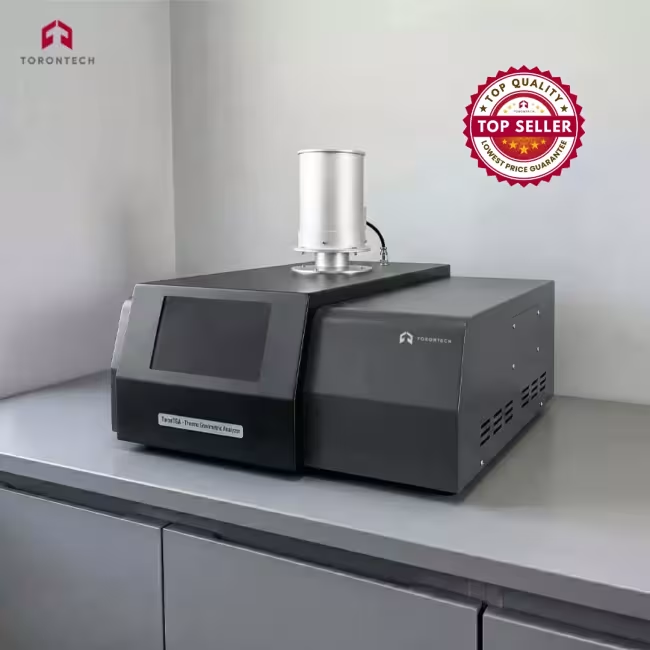
TGA Thermogravimetric Analyzer - ToronTGA™

Thermogravimetric analysis (TG, TGA) measures changes in a sample’s mass as it is heated, held at a constant temperature, or cooled. This technique helps determine a material’s thermal stability and composition.

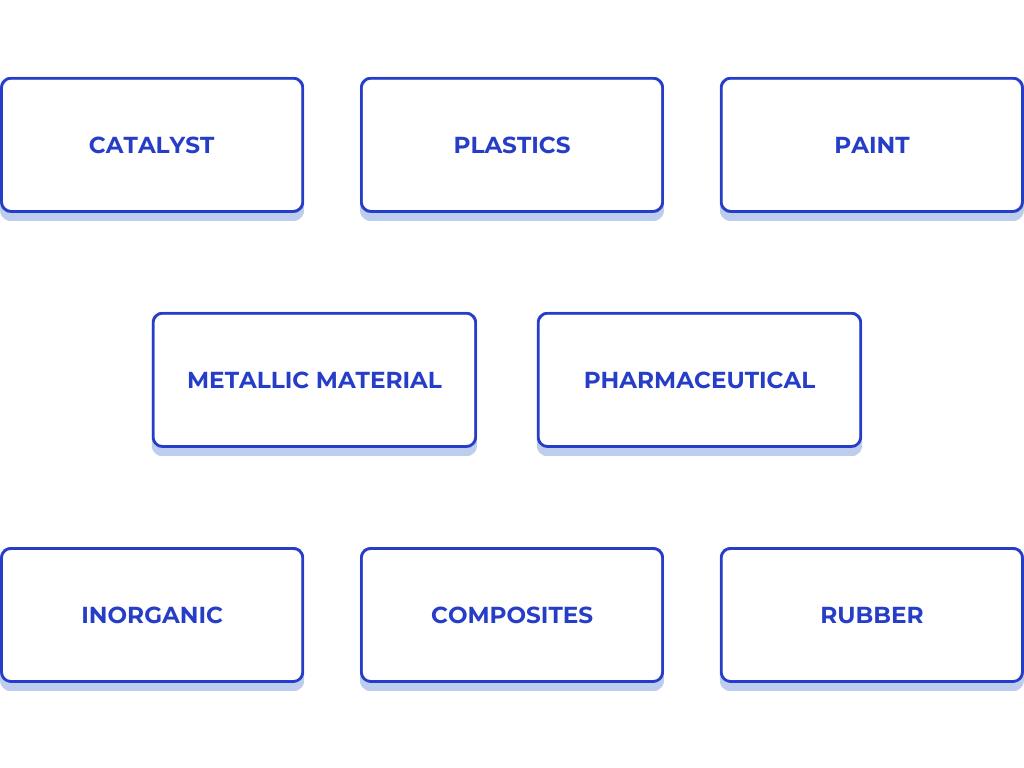
It is widely used in R&D, process optimization, and quality control across various industries, including plastics, rubber, coatings, pharmaceuticals, catalysts, inorganic substances, metals, and composites.
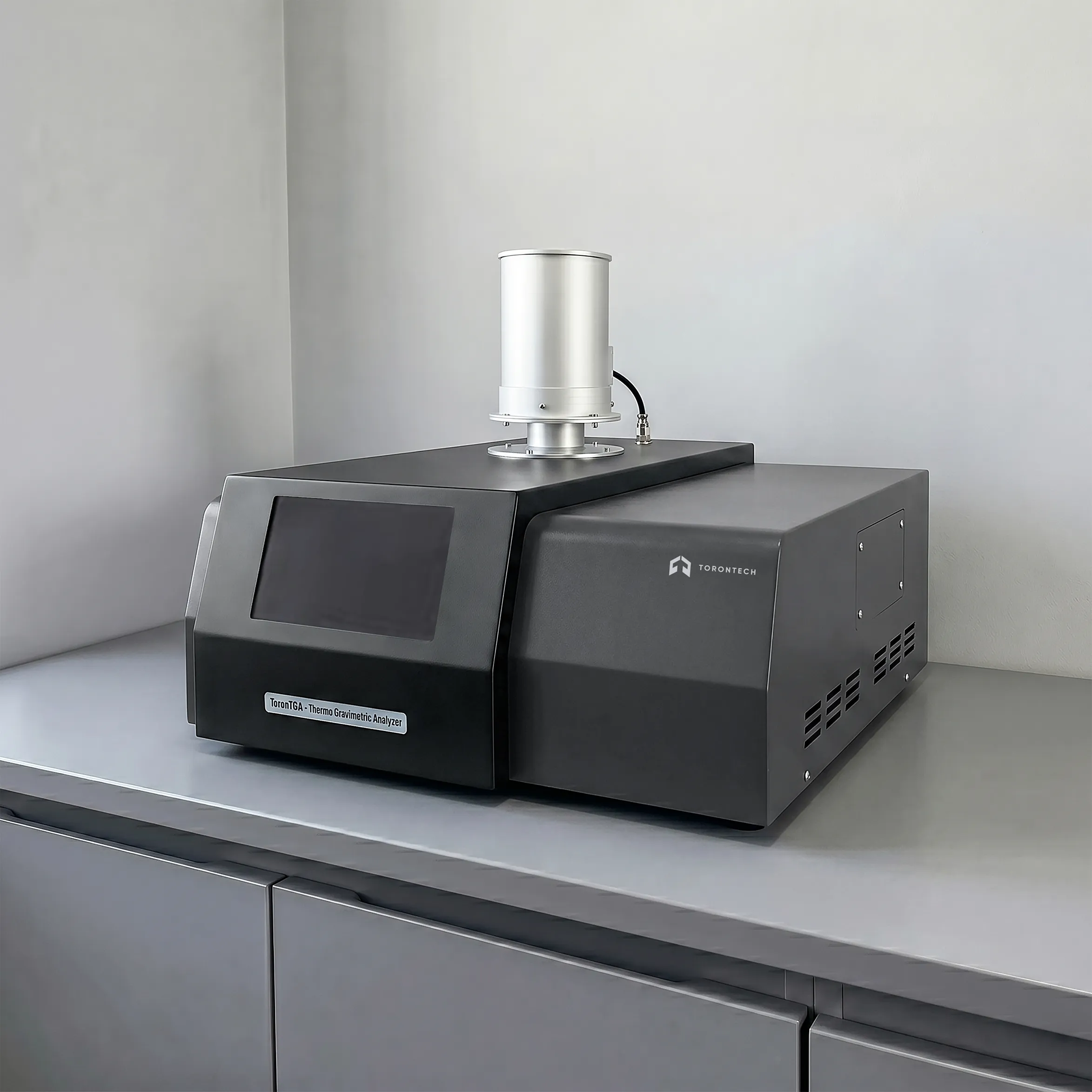
TGA Thermogravimetric Analyzer - ToronTGA

TGA Thermogravimetric Analyzer - ToronTGA

Applications

TGA Thermogravimetric Analyzer - ToronTGA

TGA Thermogravimetric Analyzer - ToronTGA Measure and Study The Following Properties Of The Material

Thermal StabilityDecomposition Process
Adsorption And DesorptionOxidation And Reduction
Quantitative Analysis of IngredientsEffects of Additives and Fillers
Moisture And Volatile MatterReaction Kinetics

Performance Advantages

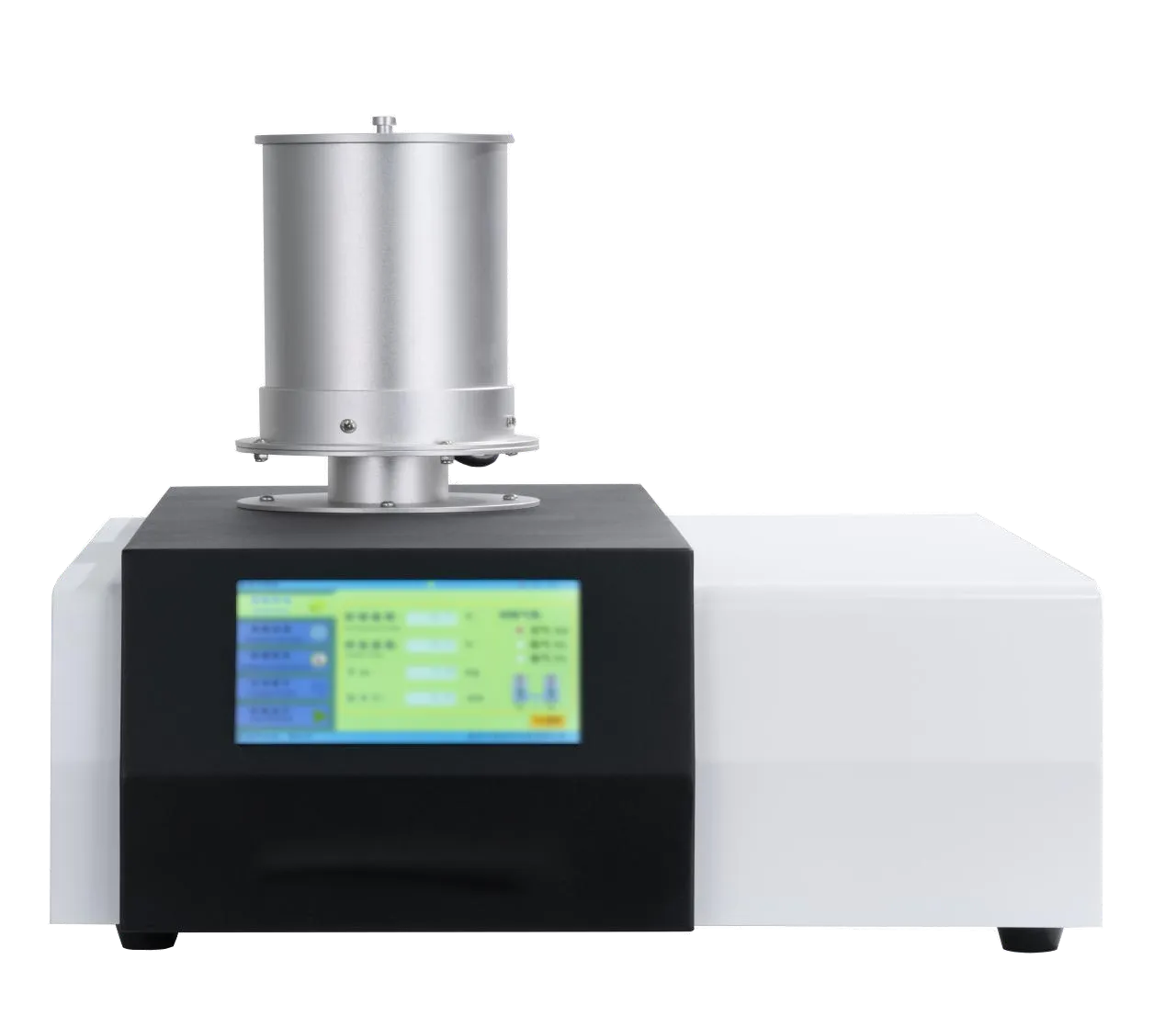
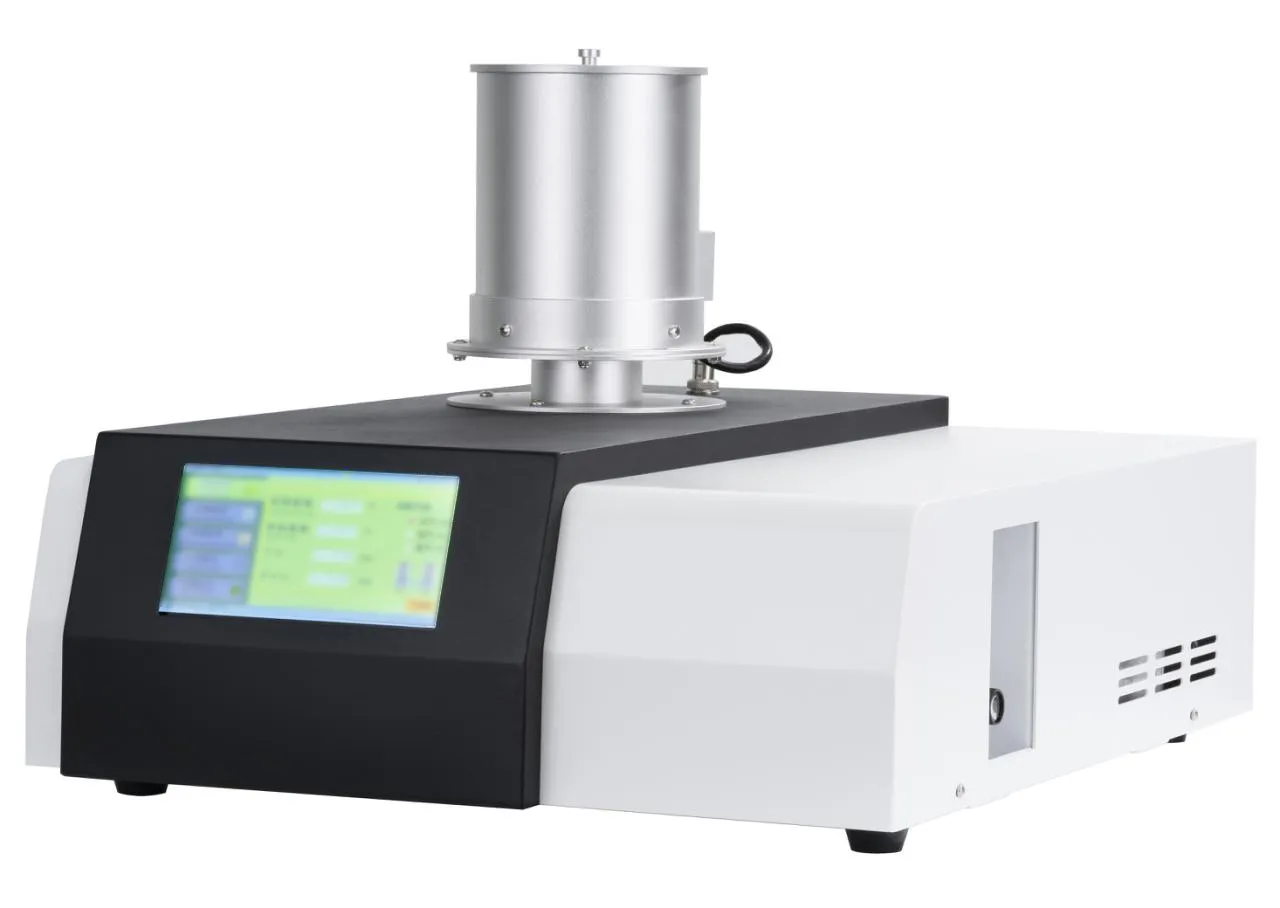
The redesigned furnace structure features a top-opening cover, making sample placement and testing more convenient. Heating is achieved through a dual-row coil of precious metal alloy wire, offering excellent heat resistance and reduced signal interference.

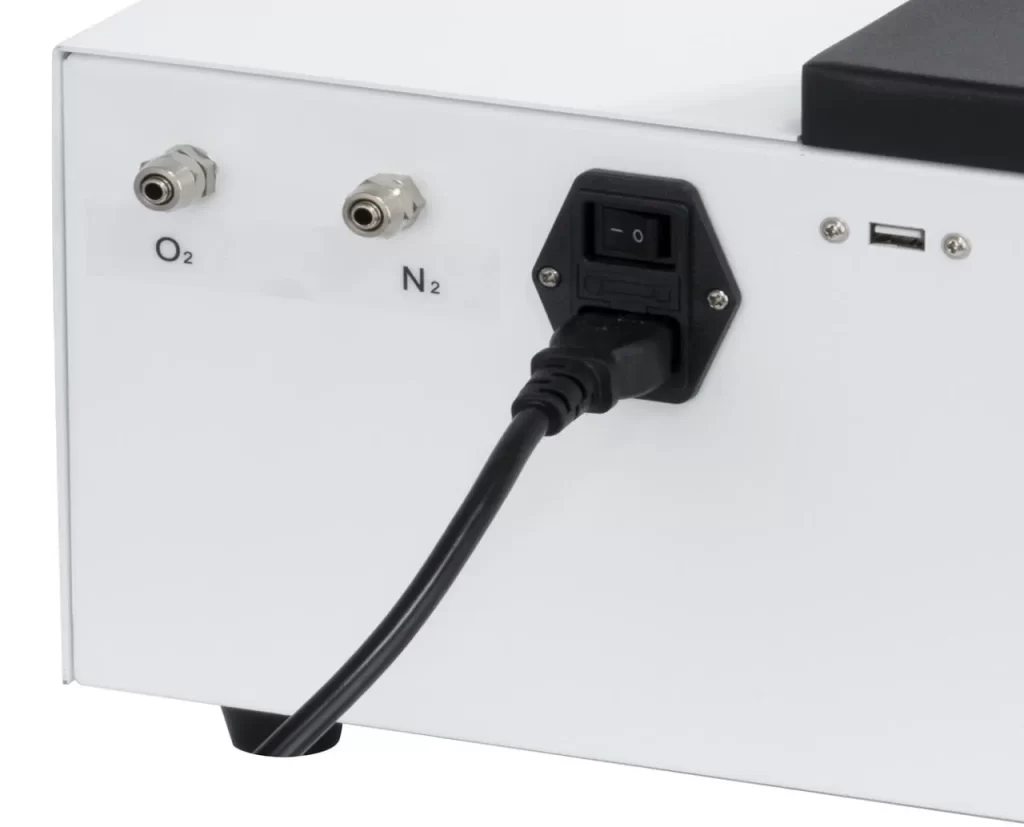
The tray sensor is crafted from a precious metal alloy disc, providing strong resistance to high temperatures, oxidation, and corrosion. The TGA Thermogravimetric Analyzer - ToronTGA includes an automatic dual-gas flow switch for faster transitions and reduced stabilization time, along with an additional input for protective gas.

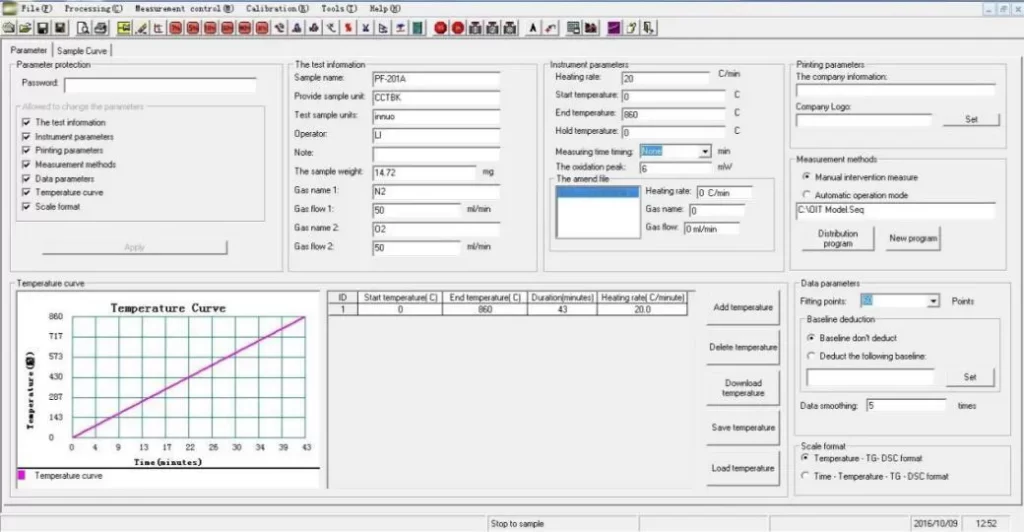
Temperature control is managed through a multi-stage PID algorithm, allowing for both staged heating and consistent temperature holding. The Thermogravimetric Analyzer - ToronTGA supports dual-mode operation via the instrument interface or connected computer for enhanced experimental efficiency.

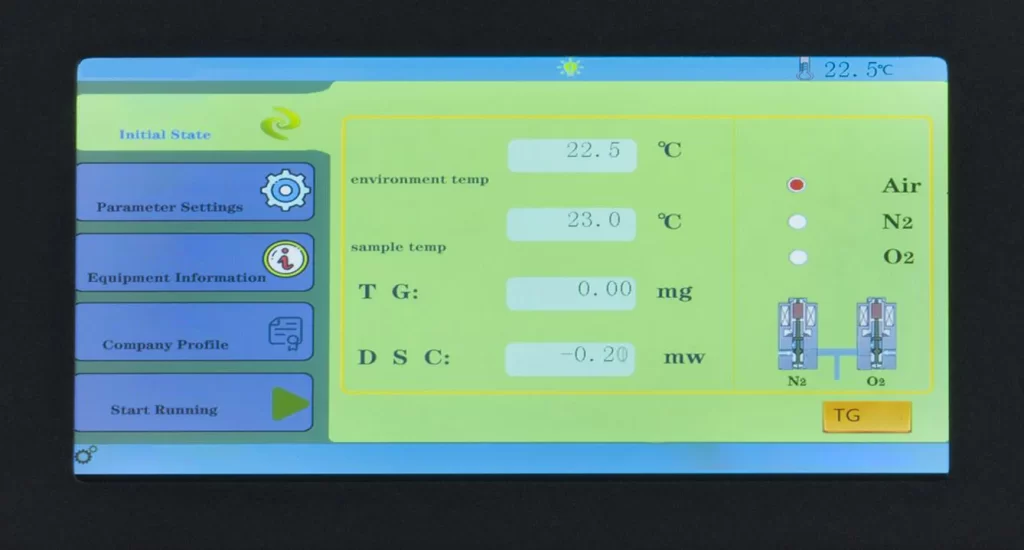
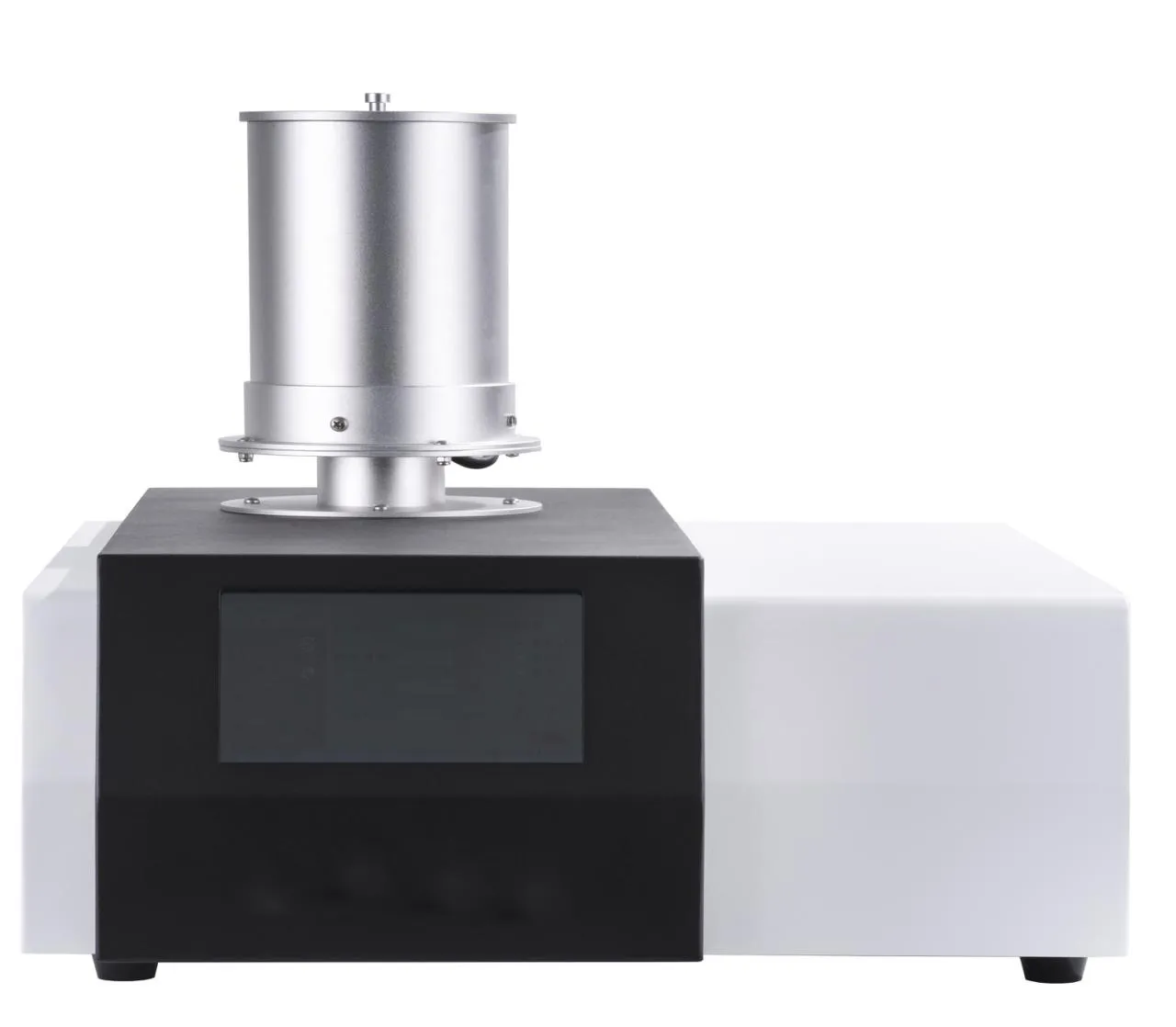
The included software enables precise tracking of material changes during thermal analysis, with spectrum collection for data interpretation. A 7-inch color touchscreen offers an intuitive interface with clear, comprehensive display of operational data.

To minimize thermal and vibration impact on the microbalance, the power supply, heat dissipation unit, and main system are designed as separate modules.
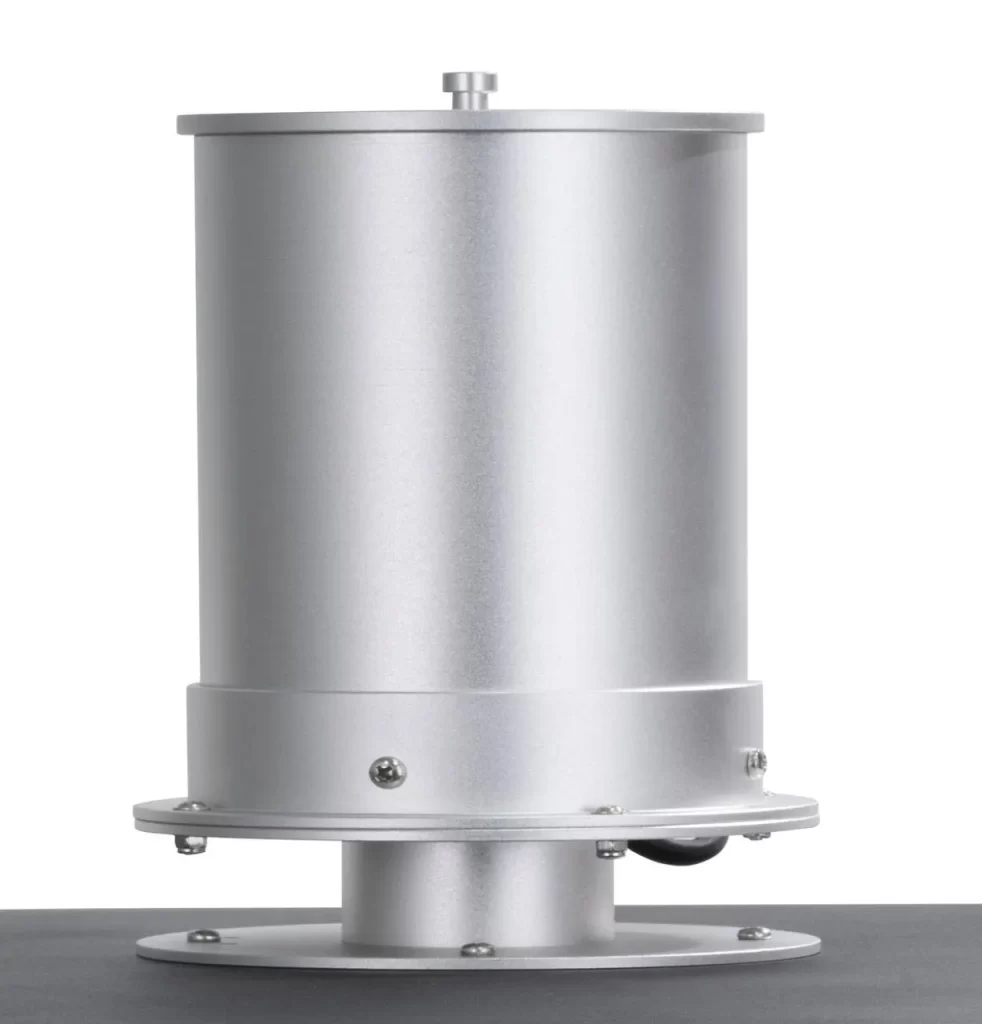
TGA Thermogravimetric Analyzer - ToronTGA

New Furnace Design

TGA Thermogravimetric Analyzer - ToronTGA

Color Touch Screen

TGA Thermogravimetric Analyzer - ToronTGA

Two-way Gas Automatic Switching

Technical ParametersToronTGA™-101ToronTGA™-103ToronTGA™-105
Temperature RangeRoom temperature~1250℃Room temperature~1350℃Room temperature~1550℃
Temperature Resolution0.01℃0.01℃0.01℃
Temperature Fluctuation±0.1℃±0.1℃±0.1℃
Heating Rate0.1~100℃/min0.1~100℃/min0.1~100℃/min
Temperature Control MethodPID temperature control, heating and constant temperature
Balance Measurement Range0.01mg~3g, can be expanded to 30g
Sensitivity0.01mg0.01mg0.01mg
VoltageAC220V/50Hz (110V is also available)
Constant Temperature TimeArbitrary setting
Atmosphere DeviceBuilt-in gas flow meter, including two-way gas switching and flow control
SoftwareIntelligent software automatically records TG curves for data processing, TG/DTG, mass, and percentage coordinates can be switched arbitrarily
Data InterfaceStandard USB interface
Test RangeThermal stability, decomposition process, adsorption and desorption, oxidation and reduction, etc.
Is it CustomizableCustomizable
SoftwareSupporting software, free update and upgrade
OptionalComputer
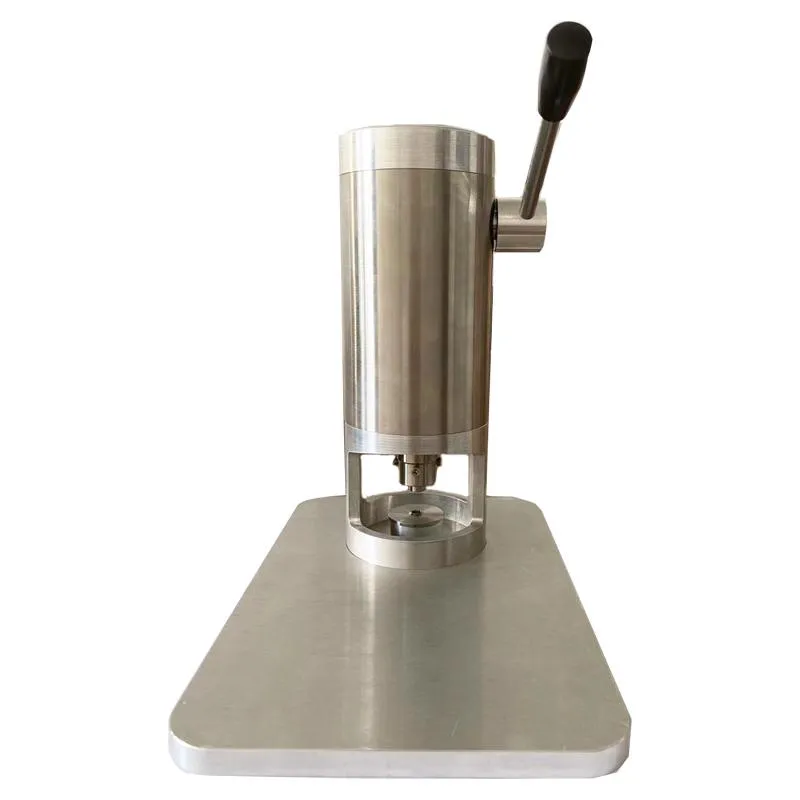
AccessoriesAccessory box, one standard substanceAccessory box, one set of standard material, tablet press
Instrument photosBasic model imageUpgrade model imageAdvanced model image

Software and Accessories

Variety of crucibles are available, including ceramic crucibles, aluminum crucibles, and crucibles with lids.
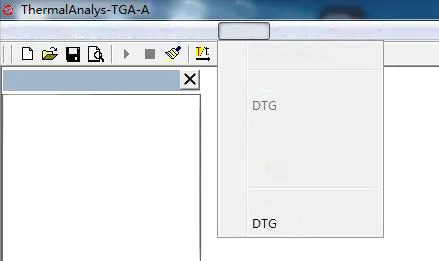
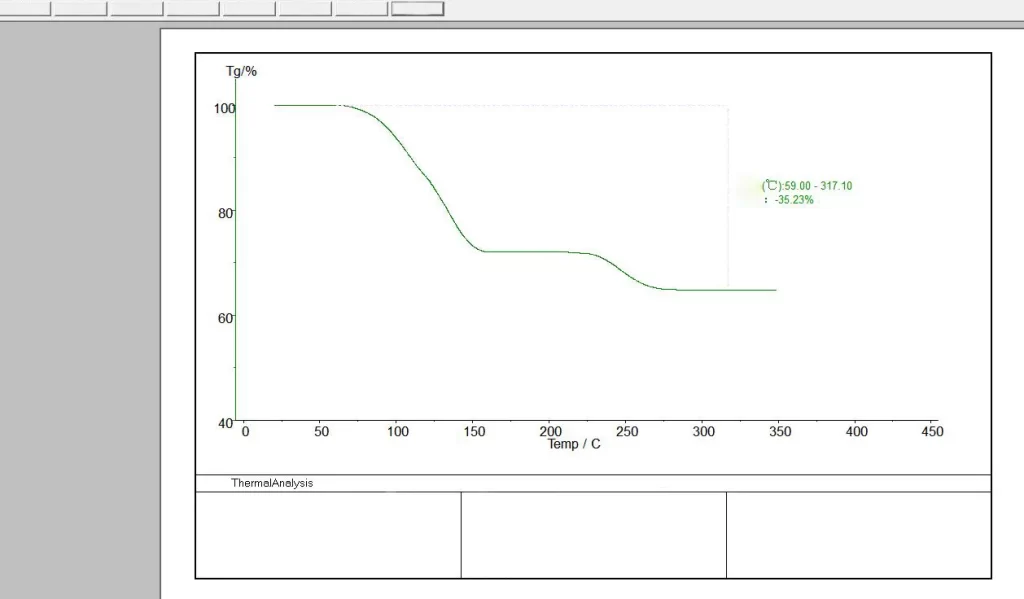
TGA Thermogravimetric Analyzer - ToronTGA

TGA Thermogravimetric Analyzer - ToronTGA

TGA Thermogravimetric Analyzer - ToronTGA
Accessory Box, Tablet Press, Various Crucibles, Optional Computer

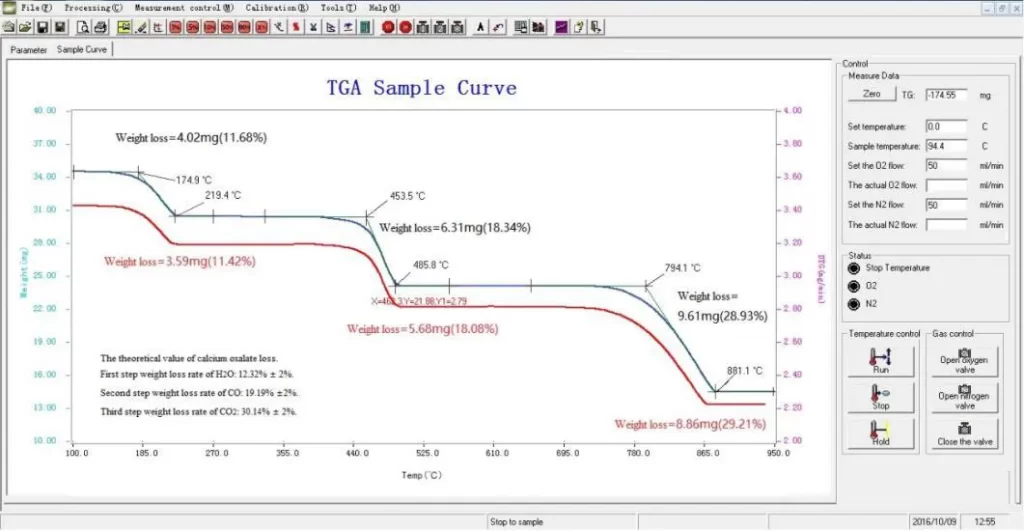
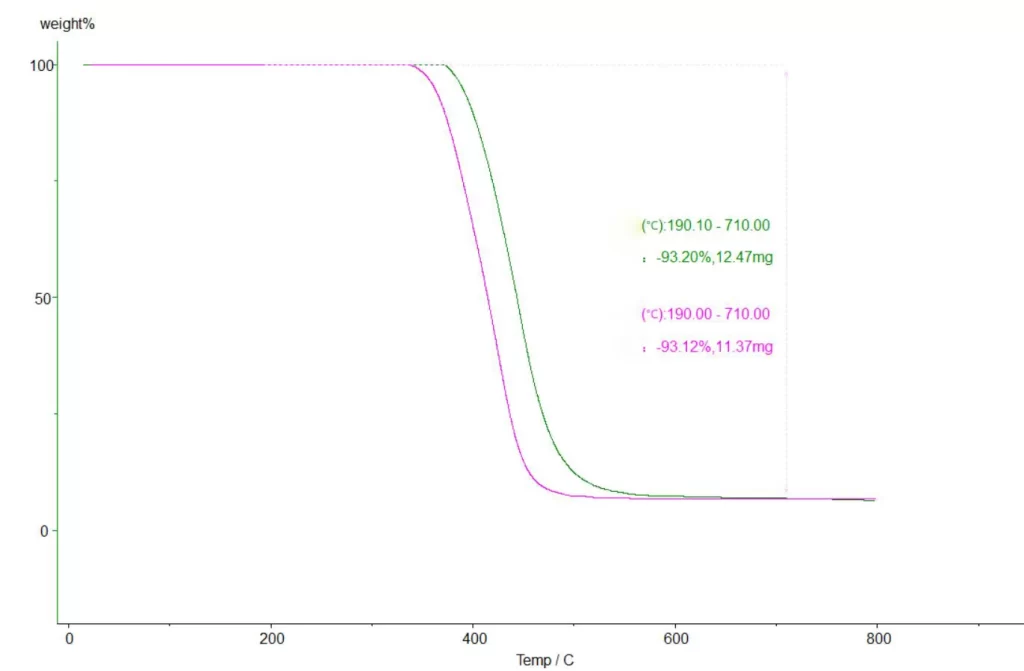
Thermogravimetric Test Spectrum
TGA Thermogravimetric Analyzer - ToronTGA

Test Conditions

At a heating rate of 10 °C/min, the sample showed a -93.20% weight loss (green curve).
At 20 °C/min, the weight loss was -93.12% (red curve).
TGA Thermogravimetric Analyzer - ToronTGA

Test Conditions

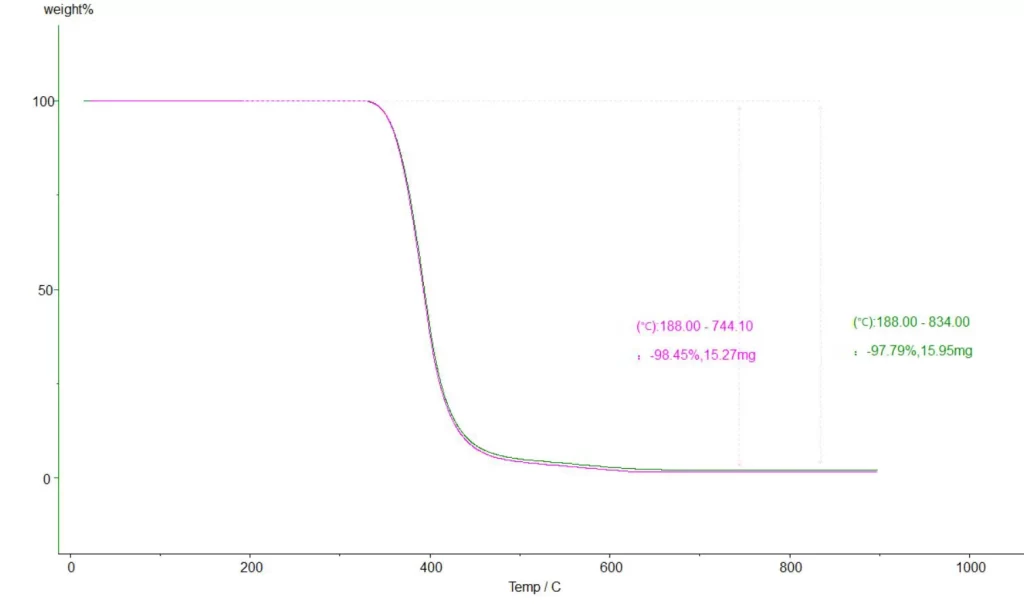
Two experiments were conducted. The first showed a weight loss of -98.45%, and the second -97.79%. The results demonstrate excellent repeatability.
TGA Thermogravimetric Analyzer - ToronTGA

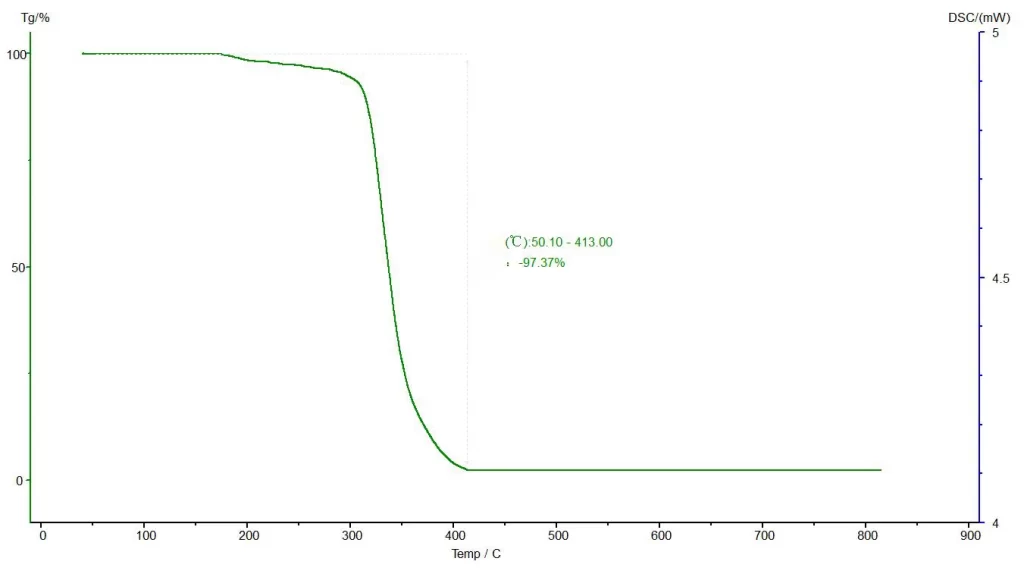
Test Conditions

At a heating rate of 10 °C/min, the sample exhibited a -97.37% weight loss.
TGA Thermogravimetric Analyzer - ToronTGA

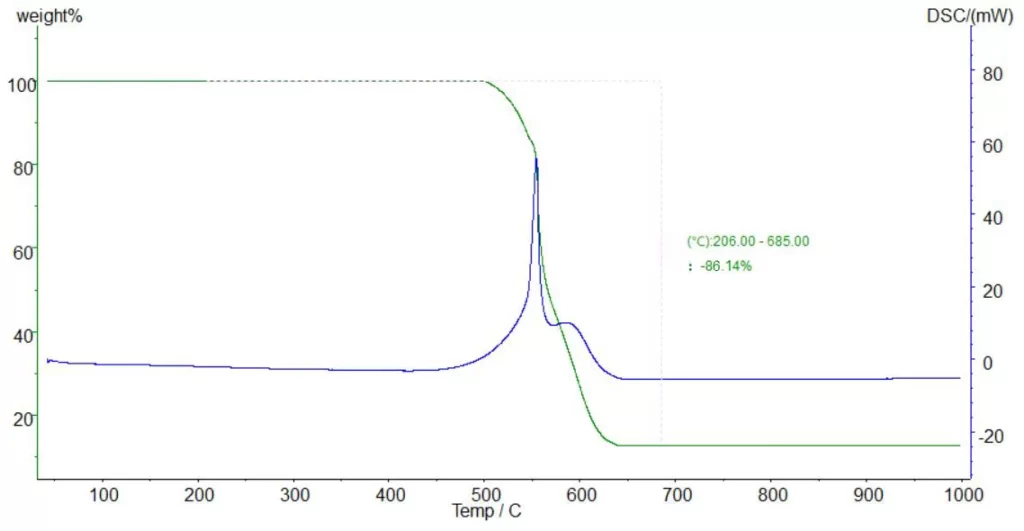
Test Conditions

A sample of approximately 10 mg, tested at a heating rate of 10 °C/min, showed a weight loss of -86.14%.

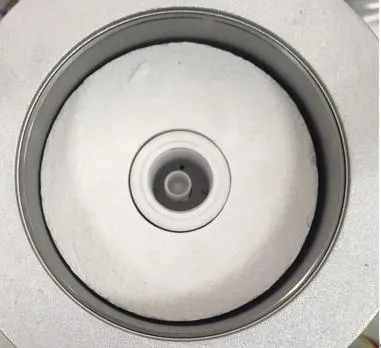
Furnace Bracket
TGA Thermogravimetric Analyzer - ToronTGA

Software Screenshots

TGA Thermogravimetric Analyzer - ToronTGA

TGA Thermogravimetric Analyzer - ToronTGA


Request Quote

Related Articles

Displaying 1 - 8 of 8
Improving Material Stability with Thermogravimetric Testing

Improving Material Stability with Thermogravimetric Testing

TGA thermogravimetric analysis helps you understand how materials behave under heat. It tracks changes in mass as temperature increases, helping you study decomposition, stability, or moisture content. This method is widely used in laboratories and industries that depend on material performance. But what does the TGA curve really tell you? And how can this analysis improve product quality or research outcomes? This article gives you a clear and practical overview, written for anyone working with materials, from polymers to pharmaceuticals.Key TakeawaysThermogravimetric Analysis measures…
Best Practices for TGA Calibration: A Pro Guide

Best Practices for TGA Calibration: A Pro Guide

A proper TGA calibration is one of the most critical procedures in a materials lab. While the TGA is an absolute workhorse for analyzing polymers and compounds, its data is unreliable if the calibration isn't precisely managed. This guide comes from our direct experience.We’ll cover everything from TGA temperature calibration and TGA weight calibration to the best practices we stand by, so you can ensure your instrument, like the accessible solutions from Torontech, provides results you can confidently stand behind.The Professional Consequences of a Poor TGA Calibration Before we get into the…
TGA vs LOD: Which Analysis Is Right for You?

TGA vs LOD: Which Analysis Is Right for You?

Having a clear picture of what your materials are made of and how they behave under heat is foundational to creating a quality product. For this, two well-known methods are Thermogravimetric Analysis (TGA) and Loss on Drying (LOD).  This article will break down the thermogravimetric analysis vs loss on drying debate, helping you decide which method is right for you.The Standard Method: What Loss on Drying (LOD) Shows YouLoss on Drying is a long-established, direct way to find out the volatile content in a sample, which is usually moisture. The procedure is straightforward: weigh a sample…
How to Choose a TGA: A Practical Guide

How to Choose a TGA: A Practical Guide

Let's be direct about selecting a major piece of lab equipment: it can be a needlessly complicated process. You know a Thermogravimetric Analyzer is fundamental for understanding your materials, but many of the available options can appear identical on the surface. As a long-time supplier, we've helped numerous organizations through this process. This guide is a straightforward look at how to choose a TGA that delivers long-term performance and value, helping you find a capable solution that aligns with your budget.Who is This Equipment For? Key Industries and RolesA Thermogravimetric…
DSC vs TGA: A Complete Guide to the Difference

DSC vs TGA: A Complete Guide to the Difference

In materials work, getting the details right is fundamental to success. We've seen firsthand that a deep knowledge of thermal analysis is essential for innovation and quality control.  For gaining that knowledge, you have two foundational methods: Thermogravimetric Analysis (TGA) and Differential Scanning Calorimetry (DSC). Understanding the difference between TGA and DSC is the key to getting accurate, actionable results in the most efficient way possible.At a Glance: The Core DSC and TGA DifferenceFor busy professionals who need a quick reference, this table summarizes what separates…
TGA Sample Preparation: A Complete Guide

TGA Sample Preparation: A Complete Guide

From our perspective, a successful TGA analysis doesn't come down to just the instrument. It’s about the crucial steps taken before the analysis even begins. We have consistently seen that the most significant source of questionable data isn't the equipment, but the sample preparation for TGA analysis. Here is our professional take on how to get this right, based on years of helping clients troubleshoot their thermal analysis challenges.Why Your TGA Sample Preparation Determines Your Data's QualityThe objective of a TGA run is to get a true thermal profile of your material.  If the…
How to Interpret a TGA Curve: An Expert Guide

How to Interpret a TGA Curve: An Expert Guide

It's a common challenge: obtaining a clean TGA curve is one thing, but the interpretation of a TGA curve and what it really means for your materials is another task entirely. You receive a graph with a descending line, and from that, you need to extract critical information about your material's composition and thermal performance. This guide will walk you through how to interpret a TGA curve, the factors that can influence your results, and how this TGA analysis can be used to ensure your products meet a high standard of quality.The Purpose of a TGA Curve and Its Business ImpactIn essence, a…
What is Thermal Analysis? A Complete Guide

What is Thermal Analysis? A Complete Guide

Making assumptions about material behavior is a significant business risk in a competitive market. Product performance and reliability are not just engineering goals; they are cornerstones of a company's reputation. For the components inside our electronics, the polymers in our vehicles, and the compounds in modern medicine, knowing precisely how they will perform under thermal stress is a fundamental requirement for success. This is the point where you move past hypotheticals and into material verification, ensuring that what you've designed is what you deliver.What is Thermal Analysis…