Portable Octane and Cetane Tester for Nigeria's Fuel Supply Chain
Nigeria's downstream petroleum sector handles over 50 million litres of fuel daily, drawn from imports, the Dangote Refinery in Lekki, and modular refineries distributed across the country. Off-spec petrol and adulterated diesel expose every segment of the supply chain to engine damage, regulatory penalties, and costly operational disruptions.
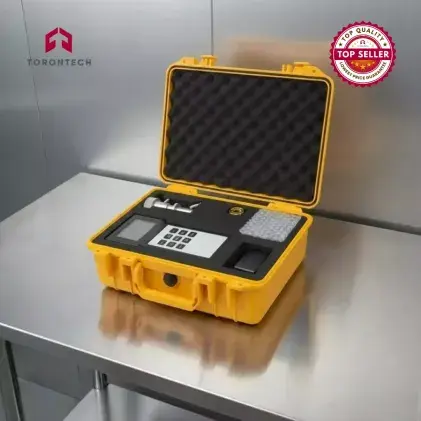
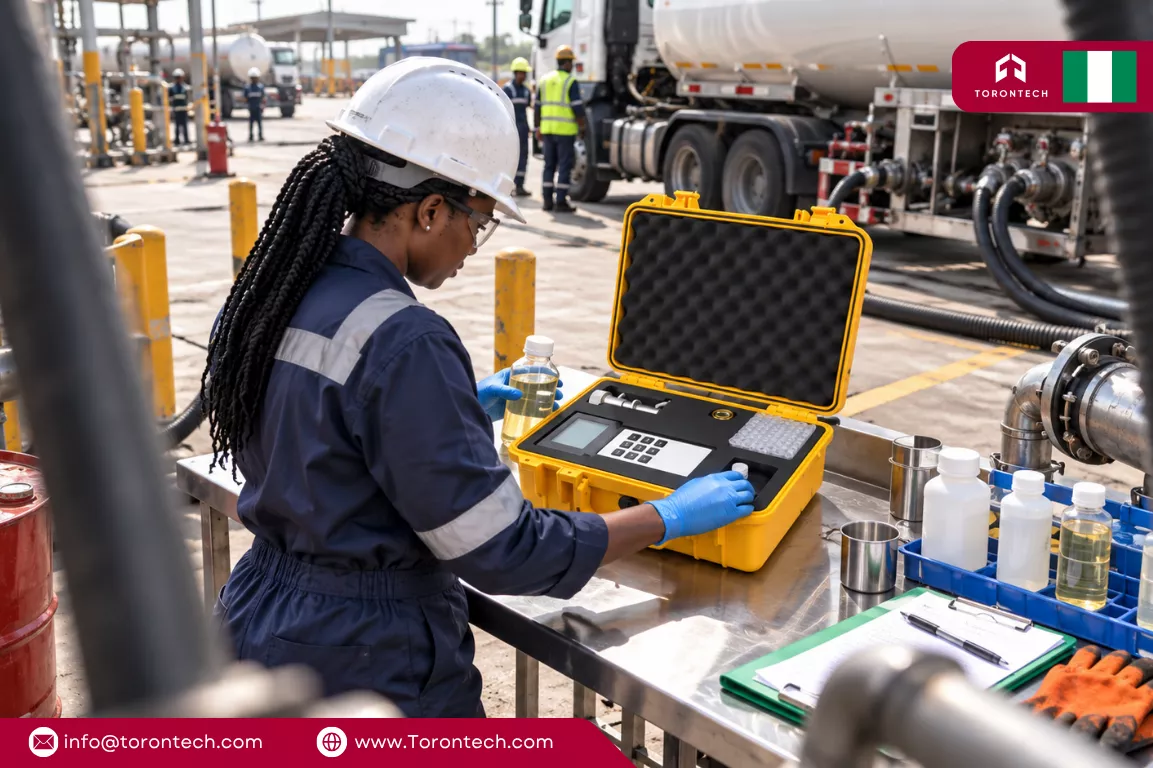
A portable octane and cetane tester in Nigeria gives terminal operators, depot managers, fleet operators, and NMDPRA inspectors the ability to verify fuel quality at the point of receipt. The Torontech TT-131 delivers fast, non-destructive measurements of Research Octane Number (RON), Motor Octane Number (MON), and cetane number at any point in the supply chain, without waiting for a fixed laboratory result.
Nigeria's Fuel Quality Landscape
Nigeria is simultaneously Africa's largest crude oil exporter and a major consumer of refined petroleum products. Despite the Dangote Refinery adding significant domestic capacity since 2024, the country continues to import a meaningful share of its fuel requirements. Daily PMS consumption exceeded 56 million litres in late 2025, while Automotive Gas Oil (AGO) demand averaged approximately 17 million litres per day.
The Standards Organisation of Nigeria (SON) sets the national specifications for Premium Motor Spirit, including Research Octane Number, sulphur content, density, and oxygenate levels. The NMDPRA enforces compliance with the ECOWAS Afri-5 roadmap, which limits sulphur in all imported petroleum products to 50 ppm under the Petroleum Industry Act (PIA). These requirements now apply to every import cargo and domestic refinery output entering the distribution network.
Fuel adulteration remains a documented challenge at the depot and retail level. The Society of Testing Laboratory Analysts of Nigeria (SoTLAN) has noted that Nigeria's reliance on documentation over on-site verification allows adulterated or off-spec fuel to move through distribution without detection. Portable octane and cetane analyzers put real-time quality data directly in the hands of the operator, at the point where it matters most.
Where Portable Fuel Quality Testing Applies in Nigeria
Nigeria's supply chain spans import terminals at Lagos, Warri, and Calabar; wholesale depots operated by DAPPMAN and MOMAN members; and retail filling stations serving demand across all 36 states. Testing needs differ at each stage:
| Segment | Testing Application | Fuel Type |
|---|---|---|
| Import terminals | Incoming cargo spot-verification | PMS, AGO |
| Dangote Refinery and modular refineries | Production quality control | PMS, AGO, blends |
| Wholesale and retail depots | Receipt and dispatch confirmation | PMS, blended gasoline |
| Power generation and industrial fleets | Incoming delivery screening | AGO, biodiesel |
| NMDPRA field inspectors | Compliance spot-checks at filling stations | PMS, AGO |
At each of these points, battery-powered portable testing enables quality decisions without laboratory infrastructure. For fleet operators managing diesel generators and commercial vehicles in areas with limited grid access, verifying AGO cetane number at the point of delivery reduces risk to engine performance and longevity. For importers and depot operators, on-site measurement before release prevents off-spec product from reaching end users.
Fuel Standards Supporting Octane and Cetane Testing
The TT-131 supports testing aligned with the international standards that underpin Nigeria's national fuel quality framework. The relevant methods include:
- ASTM D2699: Research Octane Number (RON) for motor gasoline, including motor, methanol-blended, and ethanol-blended PMS variants common in Nigeria's supply chain
- ASTM D2700: Motor Octane Number (MON) for gasoline, complementing RON for a complete quality picture
- ASTM D613: Cetane number for diesel fuels, covering general AGO, blended diesel, and biodiesel
The instrument includes multiple product inspection modes: motor gasoline, methanol gasoline, ethanol gasoline, aromatic gasoline, general diesel, blended diesel, and biodiesel. This range matches the actual diversity of fuels moving through Nigerian terminals and depots. Five additional custom modes allow operators to configure the instrument for non-standard blending formulas.
For formal regulatory submissions to the NMDPRA or SON, accredited laboratory analysis to the relevant ASTM methods is required. The TT-131 provides rapid indicative readings that support field decision-making and identify samples that warrant full laboratory testing before acceptance or dispatch.
Selecting the Right Portable Octane and Cetane Tester in Nigeria
Nigerian field conditions place specific demands on testing instruments. Remote depot environments, humid coastal terminal sites, and outdoor inspection points require reliability without infrastructure support. When evaluating a portable octane and cetane tester in Nigeria, consider these factors:
- Battery operation: The TT-131 runs on standard AA batteries, independent of grid power at locations where electricity supply is unreliable or unavailable.
- Multi-fuel coverage: A single instrument handles petrol blends, methanol gasoline, ethanol gasoline, general diesel, blended diesel, and biodiesel. One device covers the full range of fuel types entering Nigerian depots.
- Non-destructive testing: Fuel samples are returned undamaged after measurement, which is important when evaluating bonded import cargoes or premium blending stocks.
- Data storage and print output: Measurement results can be stored and printed directly, supporting documentation requirements for NMDPRA compliance records and depot intake logs.
- EL backlit display: Remains readable in low-light conditions, including underground storage areas and pre-dawn terminal operations.
Source Your Portable Fuel Tester Through Torontech
Fuel quality accountability in Nigeria has risen sharply as domestic refining capacity grows and ECOWAS sulphur compliance enforcement tightens. Operators who rely solely on certificates of analysis at the loading port carry real exposure at every subsequent point in the supply chain. Portable field testing adds a verification layer wherever fuel changes hands.
Torontech supplies the portable octane and cetane tester to petroleum terminal operators, downstream distributors, regulatory agencies, and fleet managers across Africa. Torontech ME FZE manages supply and technical support for GCC and African markets from its base in Dubai.
To discuss application requirements, quantity needs, and supply arrangements, contact Torontech ME FZE directly: Phone: +971 488 19252, Email: me@torontech.com, Address: Meydan Grandstand, 6th floor, Meydan Road, Nad Al Sheba, Dubai, UAE. You can also reach the Torontech team online to submit a quote request.