HPLC Detectors - Utilizing high-resolution capabilities, the detector can be paired with versatile detectors like Fluorescence Detector (FLD), Refractive Index Detector (RID), Evaporative Light Scattering Detector (ELSD), and CAD. This allows for the detection of different compounds as required.
Pharmaceutical Industry
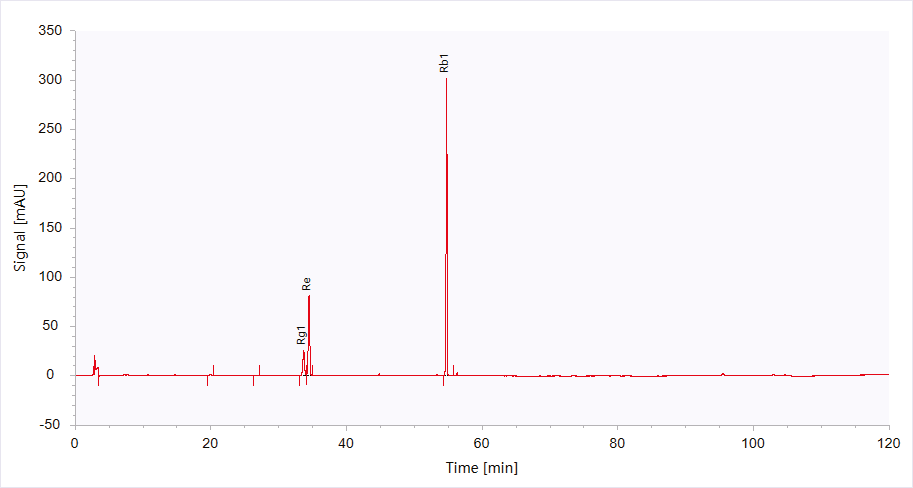
Analysis of Ginsenosides (Rg1, Re, Rb1)
Referred to YBZ-PFKL-2021073
- Column: C18, 4.6 × 250 mm, 5 μm
- Mobile phase: A: ACN; B: 0.1% phosphoric acid/water
- Temperature: 40 °C
- Injection Volume: 10 μL
- Flow rate: 1.0 mL/min
- Wavelength: 203 nm
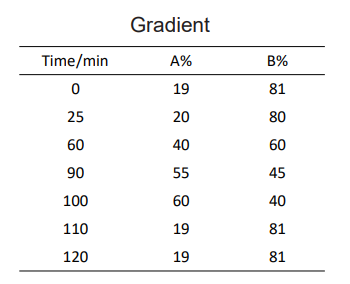
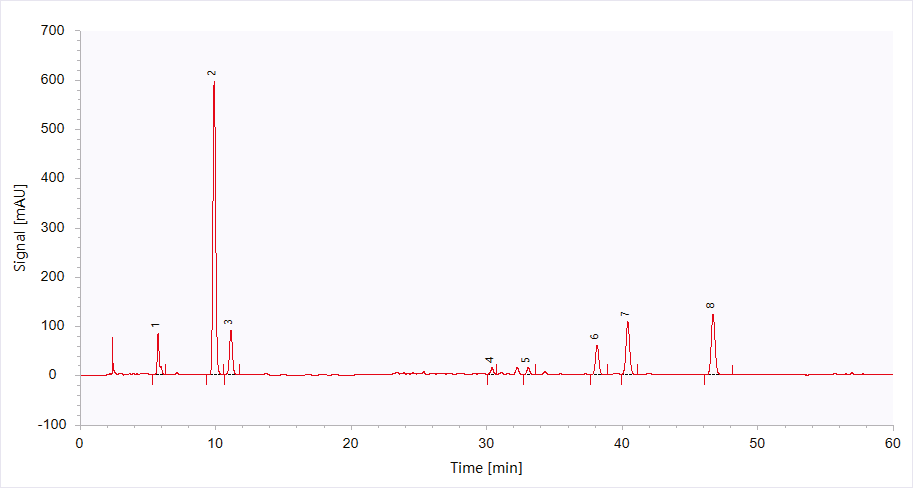
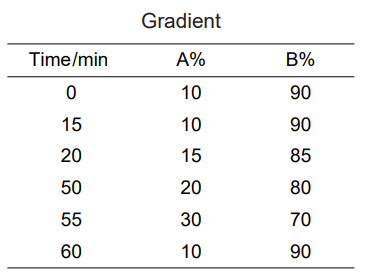
Analysis of Specific Spectrum of Lonicera Japonica Dispensing Granules
Referred to YBZ-PFKL-2021073
- Column: C18, 4.6 × 250 mm, 5 μm
- Mobile phase: A: ACN; B: 0.1% phosphoric acid/water
- Temperature: 40 °C
- Injection Volume: 10 μL
- Flow rate: 1.0 mL/min
- Wavelength: 203 nm
- Column: C18, 4.6 × 250 mm, 5 μm
- Mobile phase: A: ACN; B: 0.4% phosphoric acid/water
- Temperature: 35 °C
- Injection Volume: 15 μL
- Flow rate: 1.0 mL/min
- Wavelength: 350 nm
Environmental Industry
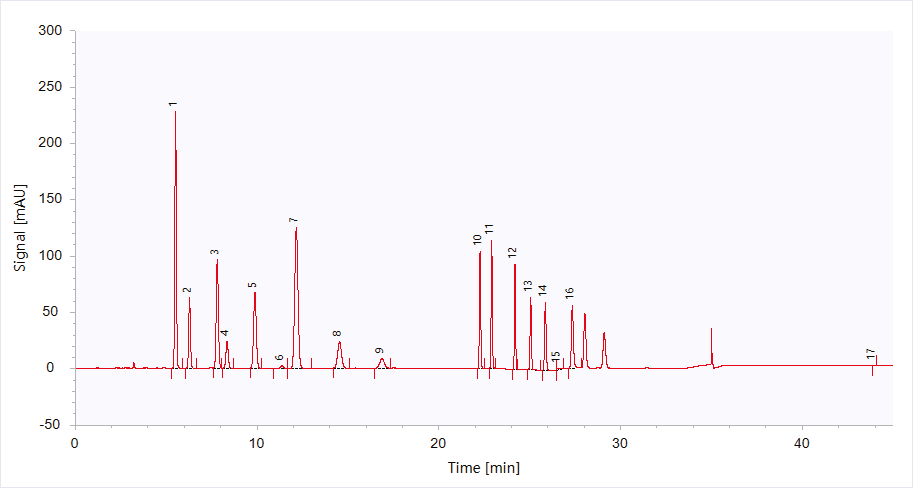
Analysis of 16 Polycyclic Aromatic Hydrocarbons in Water
Referred to HJ 478-2009
- Column: C18, 4.6 × 250 mm, 5 μm
- Mobile phase: A: ACN; B: Water
- Temperature: 30 °C
- Injection Volume: 10 μL
- Flow rate: 1.2 mL/min
- Wavelength: time program
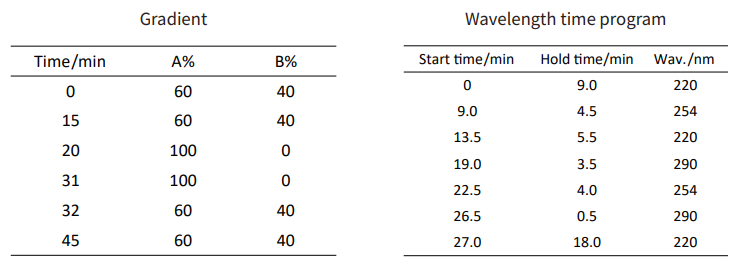
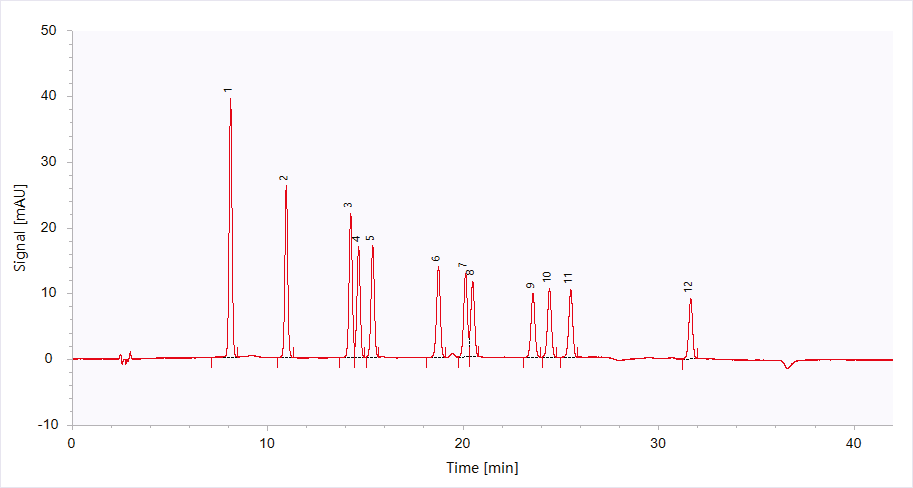
Analysis of Aldehyde and Ketone Compounds in Waste Gas
Referred to HJ 1153-2020
- Column: C18, 4.6 × 250 mm, 5 μm
- Mobile phase: A: Methanol; B: ACN; C: Water
- Temperature: 35 °C
- Injection Volume: 10 μL
- Flow rate: 1.0 mL/min
- Wavelength: time program
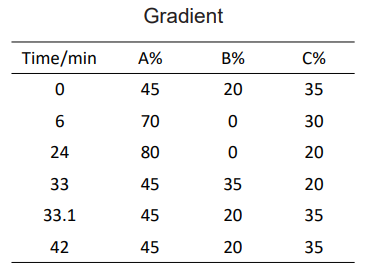
Veterinary Drugs
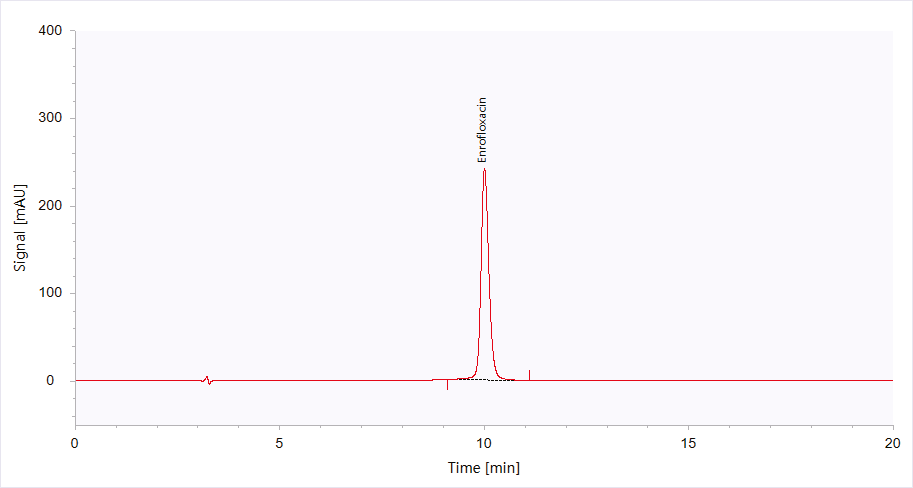
Analysis of Enrofloxacin
Referred to the 2020 Chinese Veterinary Pharmacopoeia
- Column: C18, 4.6 × 250 mm, 5 μm
- Mobile phase: 0.025 mol/L phosphate (pH 3.3 with triethylamine) + acetonitrile (83:17)
- Temperature: 25 °C
- Injection Volume: 10 μL
- Flow rate: 1.0 mL/min
- Wavelength: 278 nm
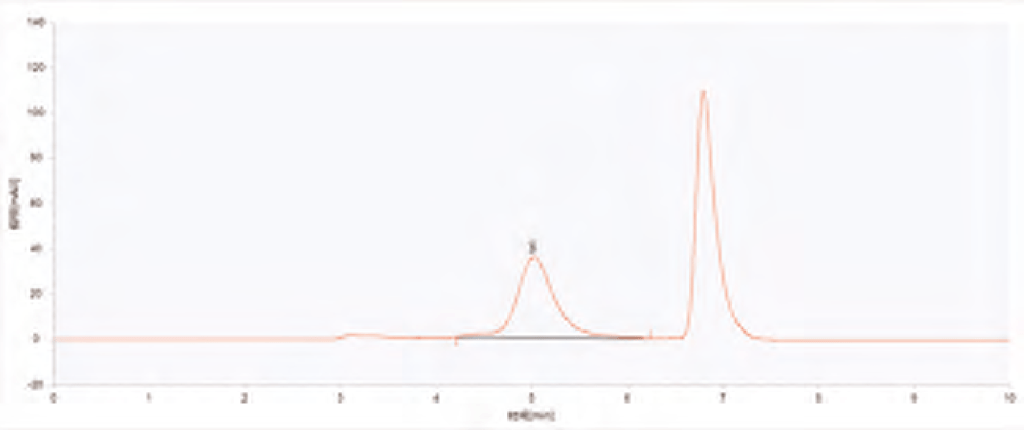
Dairy Products
Dairy Immunoglobulin IgG Analysis
Referred to T/SSFS0002-2021
- Column: BioCoreTM SEC-300se, 4.6 × 250 mm, 5 μm
- Mobile phase: 20 mmol/L phosphate buffer, pH 7.0
- Temperature: 30 °C
- Injection Volume: 10 μL
- Flow rate: 0.5 mL/min
- Wavelength: 214 nm
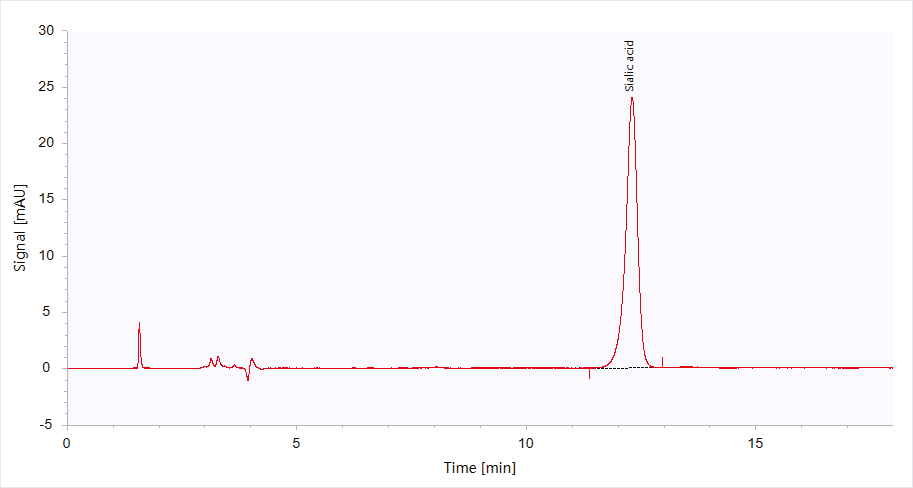
Food
Analysis of Sialic Acid in Bird’s Nest and Products
- Column: 300SCX Cation Exchange, 4.6 × 250 mm, 5 μm
- Mobile phase: Acetonitrile + 0.1% aqueous phosphate (90:10)
- Temperature: 30 °C
- Injection Volume: 10 μL
- Flow rate: 1.0 mL/min
- Wavelength: 205 nm
Cosmetics
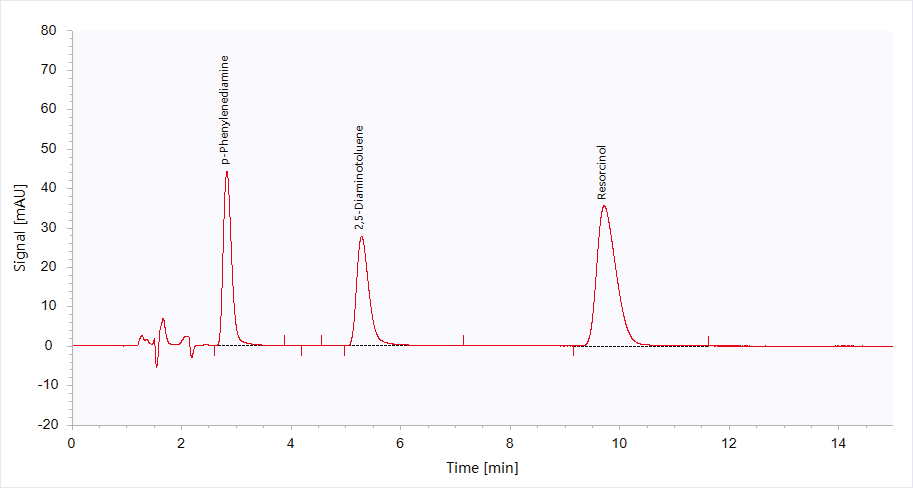
Analysis of Hair Dye Ingredients
Referred to Cosmetic Safety Technical Specifications
- Column: C18, 4.6 × 250 mm, 5 μm
- Mobile phase: Acetonitrile + methanol + 0.02 mol/L ammonium acetate buffer (pH 7.5) (2.5:2.5:95)
- Temperature: 25 °C
- Injection Volume: 20 μL
- Flow rate: 1.0 mL/min
- Wavelength: 280 nm
TT-HPLC Lab Workstation
User-Friendly Interface
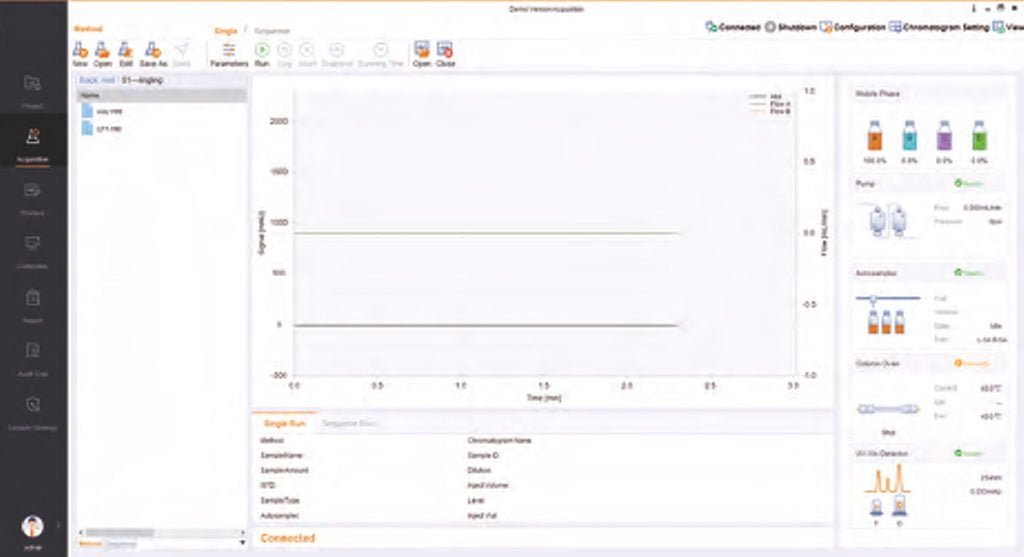
The workstation interface features a sleek, flat design that streamlines tasks such as method development, data acquisition, processing, report editing, and printing. The left-side navigation area offers quick access to key modules like project management, spectrogram acquisition, and integral processing.\
A common ribbon at the top allows for straightforward editing and execution of methods and sequences, removing the need for multi-level menus. On the right side, a status monitoring panel dynamically displays the real-time status of the instrument.
User-Friendly Design Features
The workstation includes a built-in method library that enables quick retrieval and recall, improving workflow efficiency. It also provides intelligent diagnostics and maintenance reminders to ensure reliable operation.
Precision and Data Processing
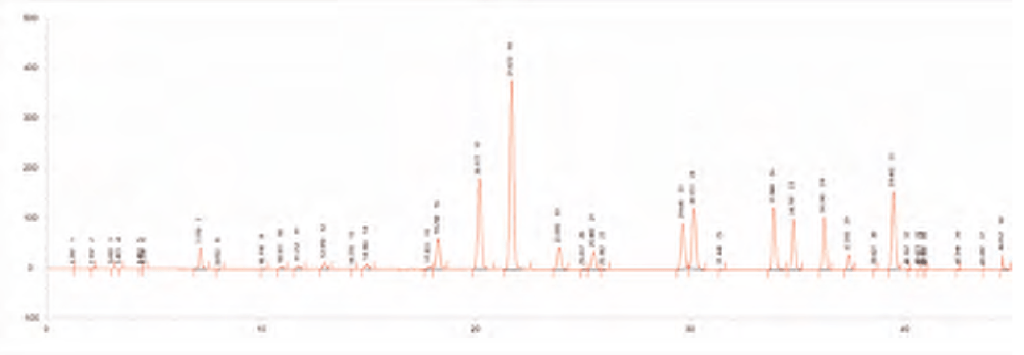
Equipped with powerful data-processing capabilities, the system supports up to 25 integration events and three quantitative calculation methods:
- External standard method
- Internal standard method
- Normalization method
These tools make the workstation ideal for handling complex analytical data with precision.
Compliance and Security
Database Storage
The professional database system encrypts original files and secures raw data, ensuring safety and integrity at every step.
Backup and Restore
Convenient data backup and restoration functions provide added reliability and ease of use.
Multi-Level User System
A customizable multi-level access control system enhances data security and operational effectiveness.
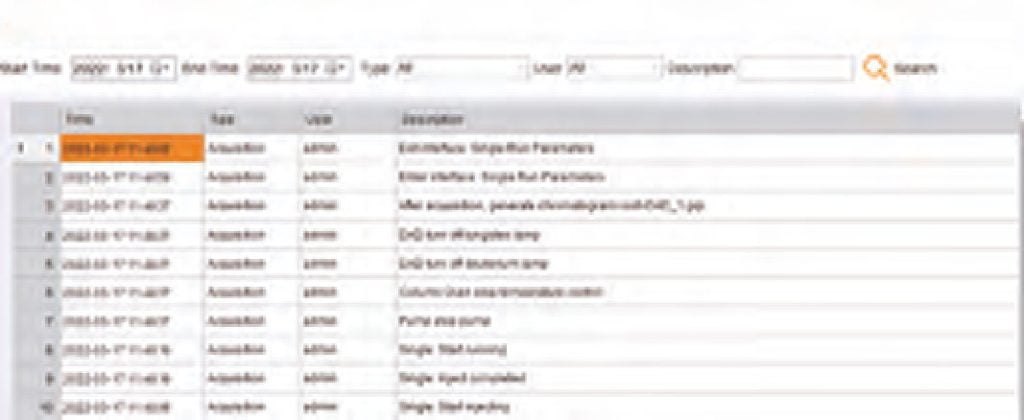
Traceability
The workstation complies with FDA 21 CFR Part 11 standards, offering complete records and full traceability for regulatory compliance.