Thiết bị phụ trợ tái chế nhựa
Plastic Recycling Auxiliary Equipment | Dry, Densify, Cut, and Compact Waste Before Pelletizing or Fuel Use
Plastic recycling auxiliary equipment prepares difficult material so the main recycling line can process it efficiently. Wet film, fluffy fiber, long textiles, and loose biomass all resist steady feeding into an extruder or press. These machines dry, densify, cut, or compact that material into a form the next stage accepts. Torontech offers four auxiliary machines that fill these gaps.
Each machine solves a specific feeding or handling problem. Two densify film and fiber for pelletizing, one cuts textile and soft waste to length, and one presses biomass and refuse into fuel blocks. They work alongside washing lines, shredders, and pelletizing lines. Torontech matches each unit to the material and output a plant needs.
Why Choose Torontech for Your Plastic Recycling Auxiliary Equipment
Torontech matches each auxiliary machine to your material, moisture level, and target output. Our team prepares layout drawings that show where the machine fits in your recycling line. Replacement cutting knives, agglomerator blades, and briquetting dies stay available to keep output steady. Torontech also supports on-site commissioning so each machine reaches stable production.
Yêu cầu báo giá
Tell us your material, moisture level, and target output, and we will recommend the right auxiliary machine for your recycling line. Liên hệ với nhóm Torontech Để biết giá cả, bản vẽ bố trí và thời gian giao hàng.
Ứng dụng
Auxiliary equipment serves recycling operations that handle soft, wet, or low-density material.
- Film Washing and Pelletizing Lines: drying washed film and raffia before it enters the extruder
- Film and Fiber Production Scrap: densifying edge trim, film rolls, and fiber waste for in-house reprocessing
- Tái chế dệt may: cutting clothing, yarn, and nonwoven waste into uniform pieces for fiber recovery
- Refuse-Derived Fuel Production: pressing processed industrial solid waste into RDF and SRF blocks
- Sản xuất nhiên liệu sinh khối: compacting straw, crop residue, and wood waste into briquettes
- Mixed Soft Waste Handling: preparing leather, paper, and film offcuts for further processing
Auxiliary Equipment Range
The four machines cover moisture removal, densifying, cutting, and briquetting. Capacity figures below reflect the full range of each series.
| Chức năng | Sức chứa | Mô tả Chi tiết | |
|---|---|---|---|
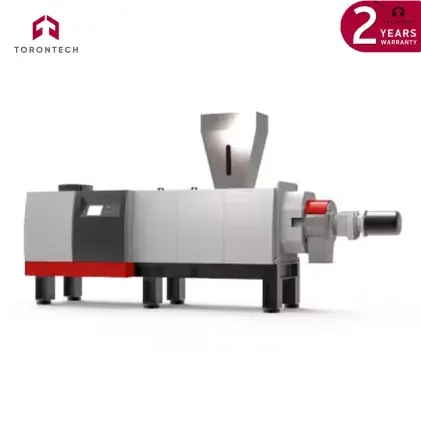
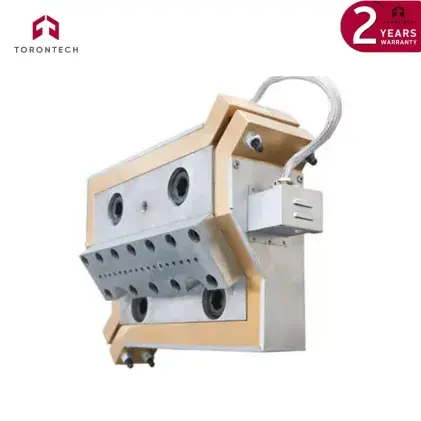
| Plastic Film Squeezer (ToronPR™ PFS) | Dewatering and densifying | 200-900 kg / giờ | Presses washed film and raffia with a screw, removing water and dicing the material into dense, semi-melted granules that feed an extruder steadily. |
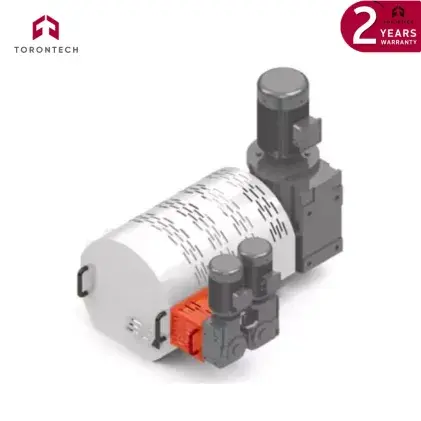
| Plastic Agglomerator (ToronPR™ PA) | Batch densifying | 100-550 kg / giờ | Cuts and heats PE, PP, and PVC film and chemical fiber in a stainless steel drum, turning loose scrap into free-flowing granules. |
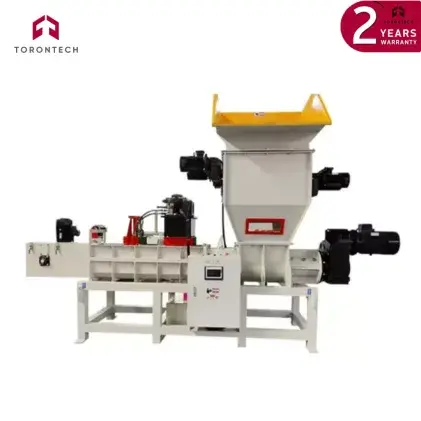
| Industrial Rag Cutting Machine (ToronPR™ RCM) | Textile and soft waste cutting | 100-2,000 kg / giờ | Feeds cloth, yarn, fiber, nonwoven, film, and paper on a conveyor into a rotary knife drum for uniform pieces at an adjustable length. |
| Biomass and RDF Briquette Machine (ToronPR™ RDF) | Fuel block pressing | 0.5-10 t / h | Presses biomass, straw, and processed industrial solid waste through a flat ring die into dense 32 × 32 mm fuel blocks. Biomass: 1-10 t/h; RDF/industrial solid waste: 0.5-6 t/h |
How to Choose the Right Plastic Recycling Auxiliary Equipment
- For wet film and raffia coming off a washing line: choose the Plastic Film Squeezer to dry and densify in one continuous step.
- For dry film, bags, and fiber production scrap: choose the Plastic Agglomerator to densify material in batches before pelletizing.
- For clothing, yarn, nonwoven, and textile waste: choose the Industrial Rag Cutting Machine for uniform cut lengths.
- For straw, wood waste, or refuse-derived fuel: choose the Biomass and RDF Briquette Machine to produce dense fuel blocks.
- For continuous, high-volume film processing: favor the squeezer, which runs continuously rather than in batches.
- For smaller or mixed batches of film and fiber: favor the agglomerator, which handles changing material between batches.